

Today we took the dogs for a peaceful wander around Victoria Park and through the heart of Stafford, stopping to linger at places that so many people walk past every day without really seeing them.
It was one of those days when the town feels calm, and you start noticing the details, the birds in the aviaries, the glimpses of history behind every corner, the way the river gently bends through the town. What follows is a mix of what we saw, what I learned about these places, and why they matter in Stafford’s long story.

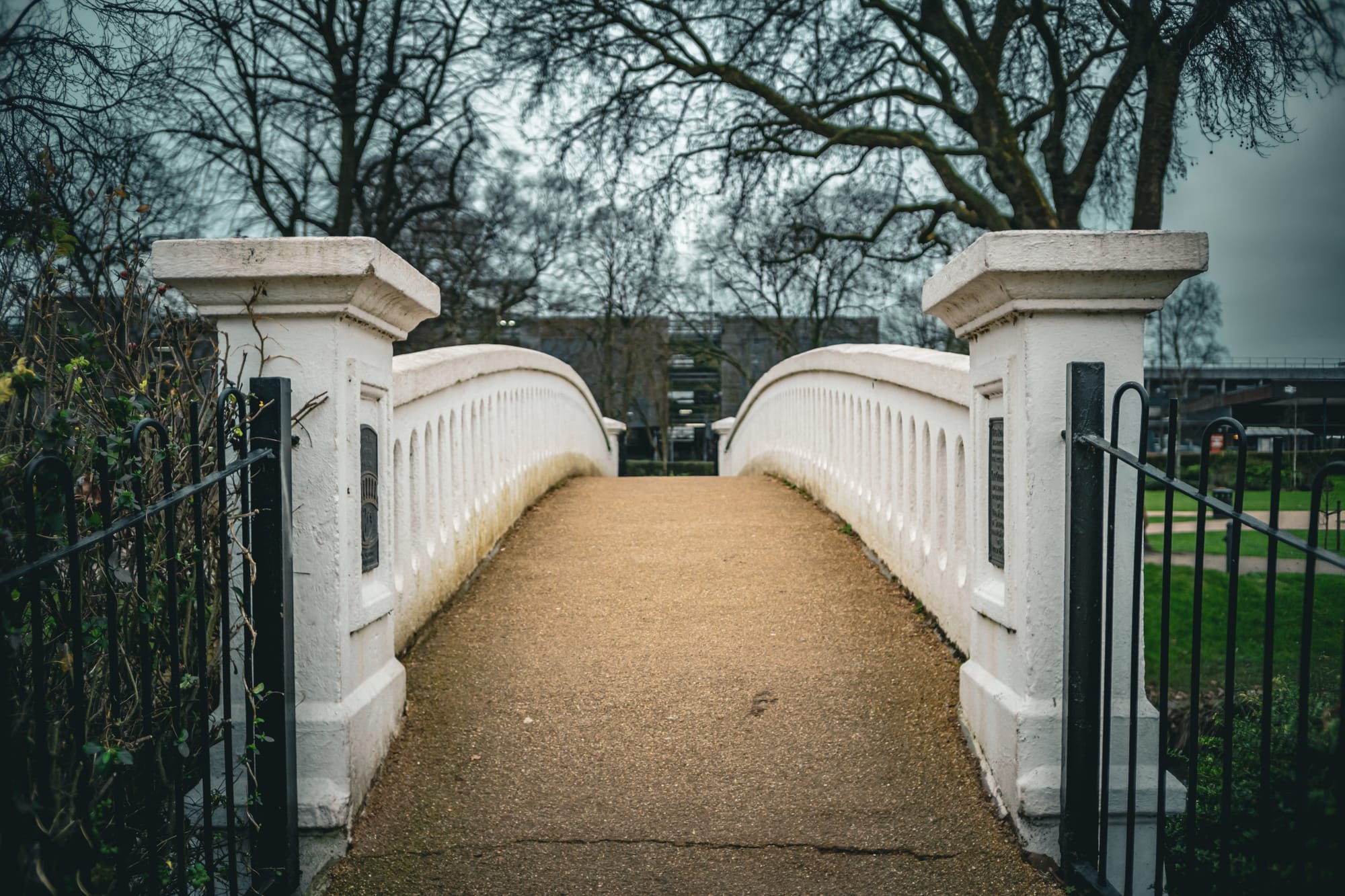
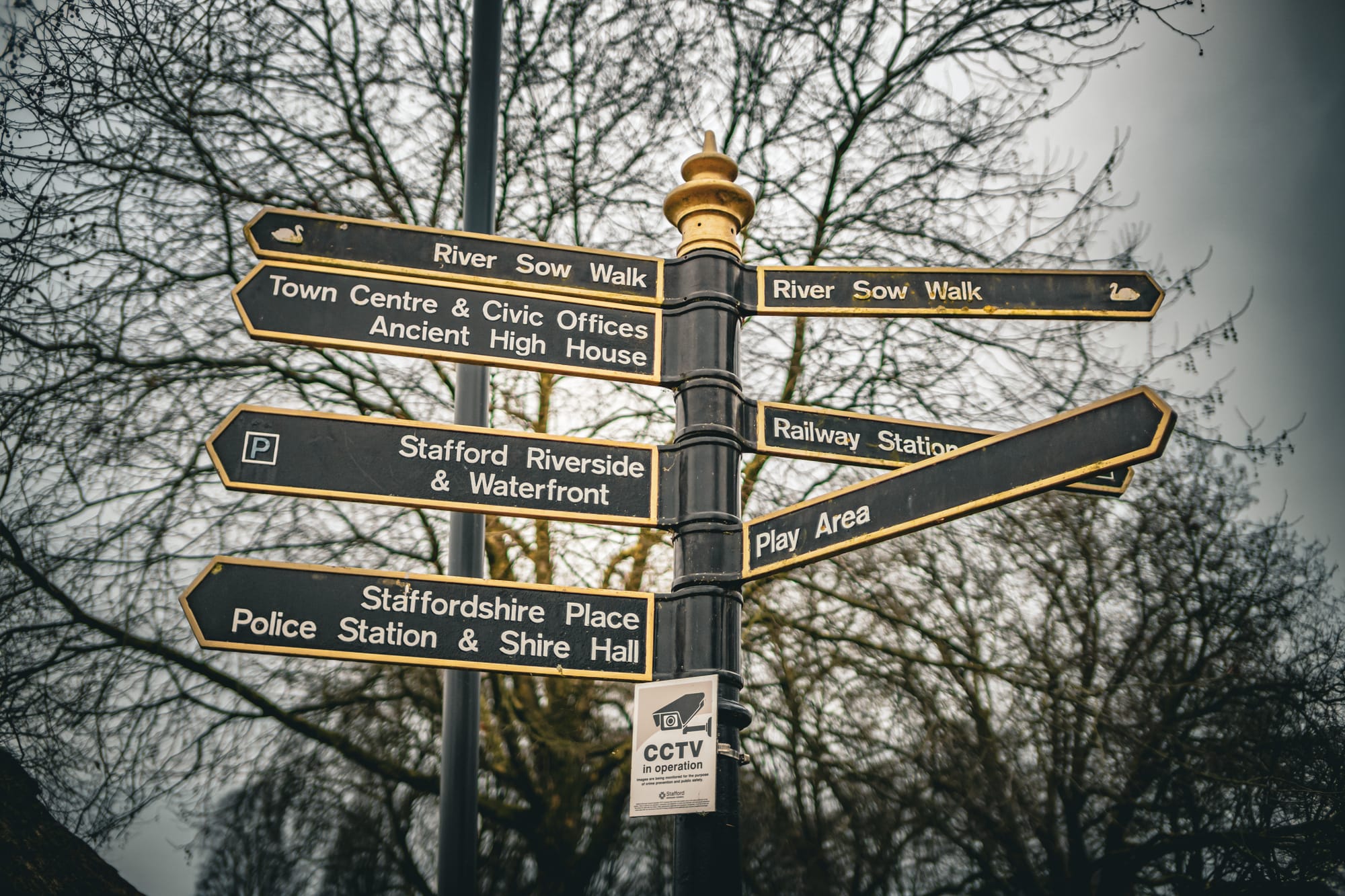
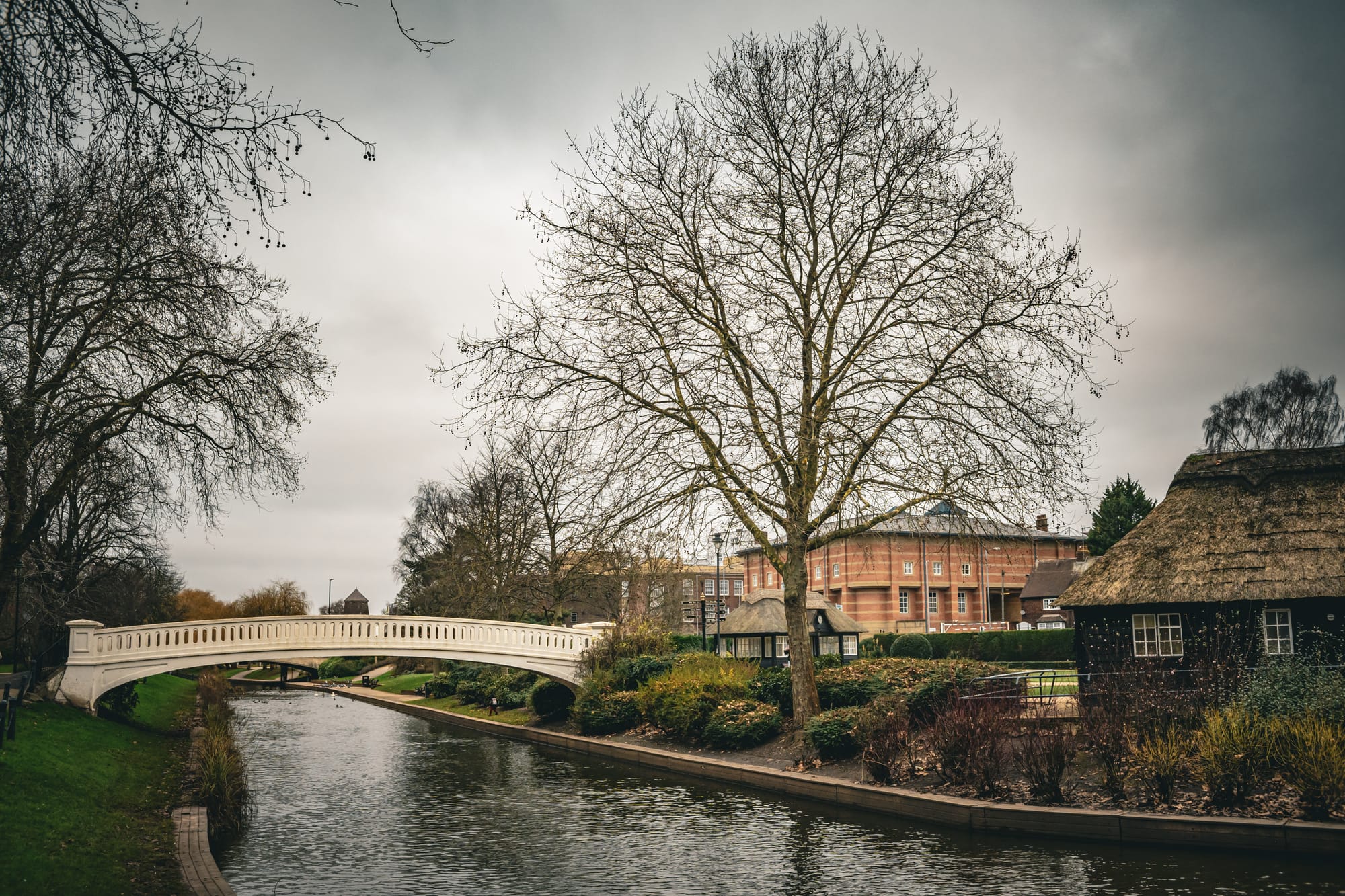
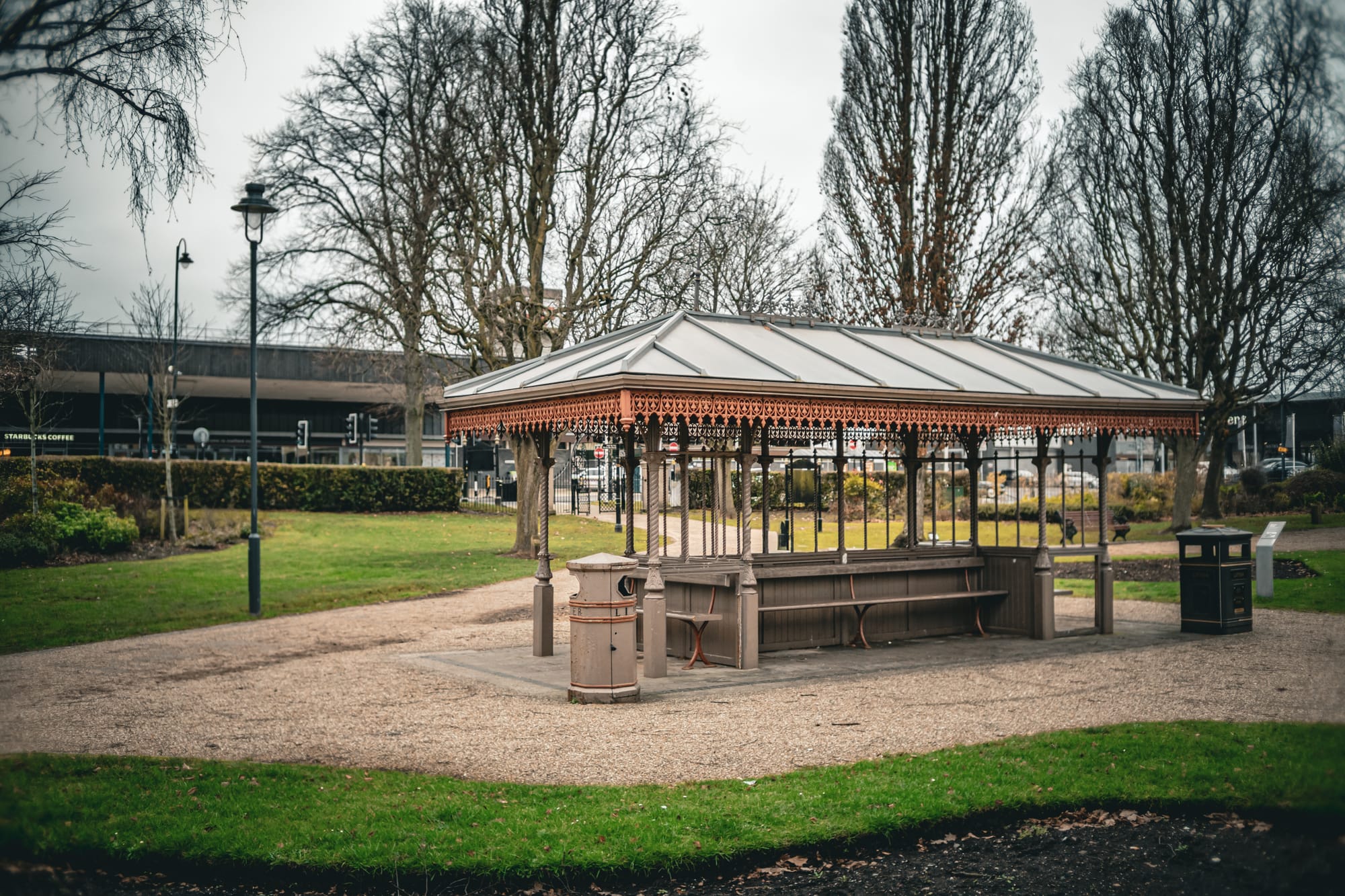
Brough Park, Stafford
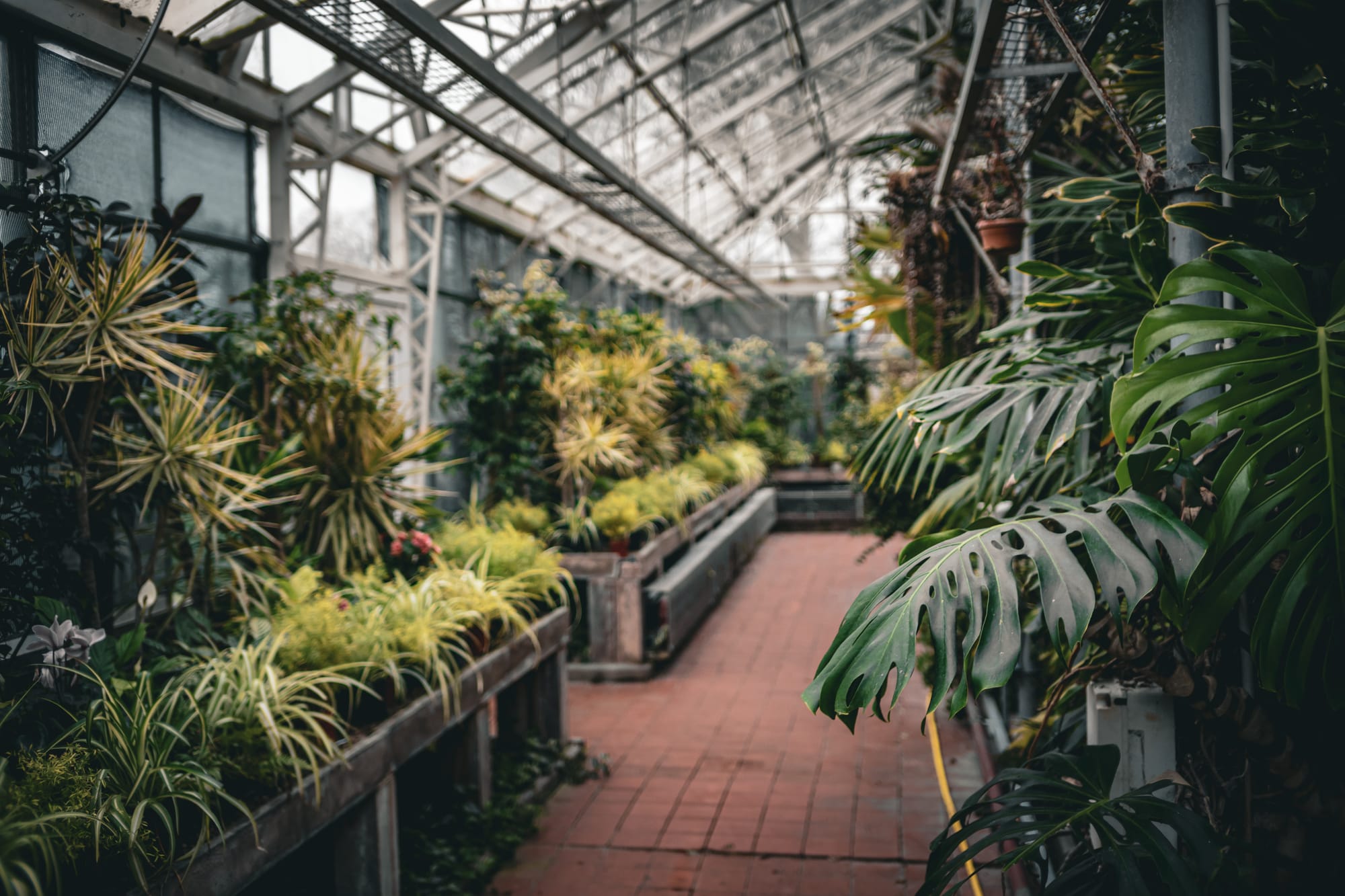
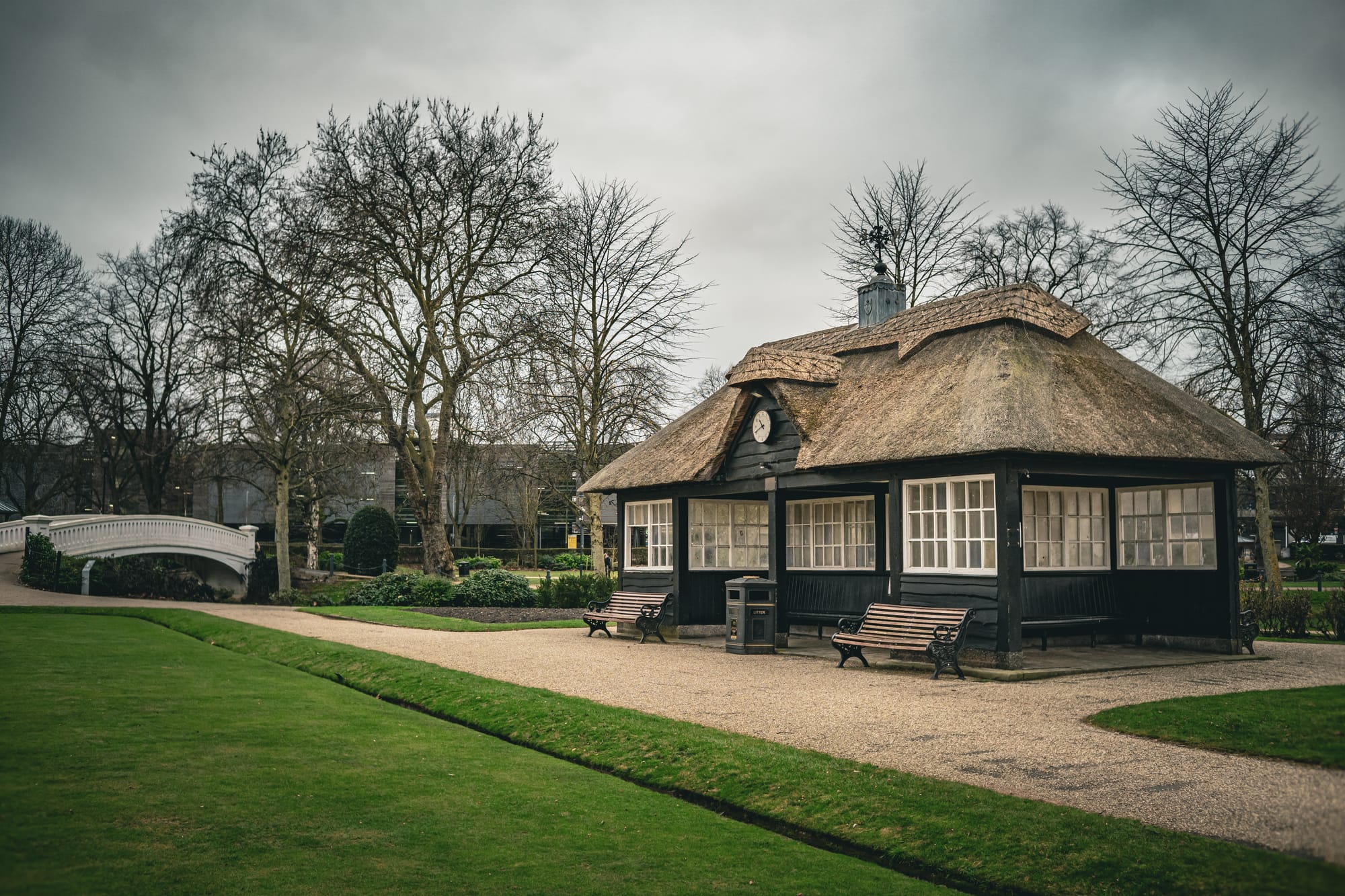
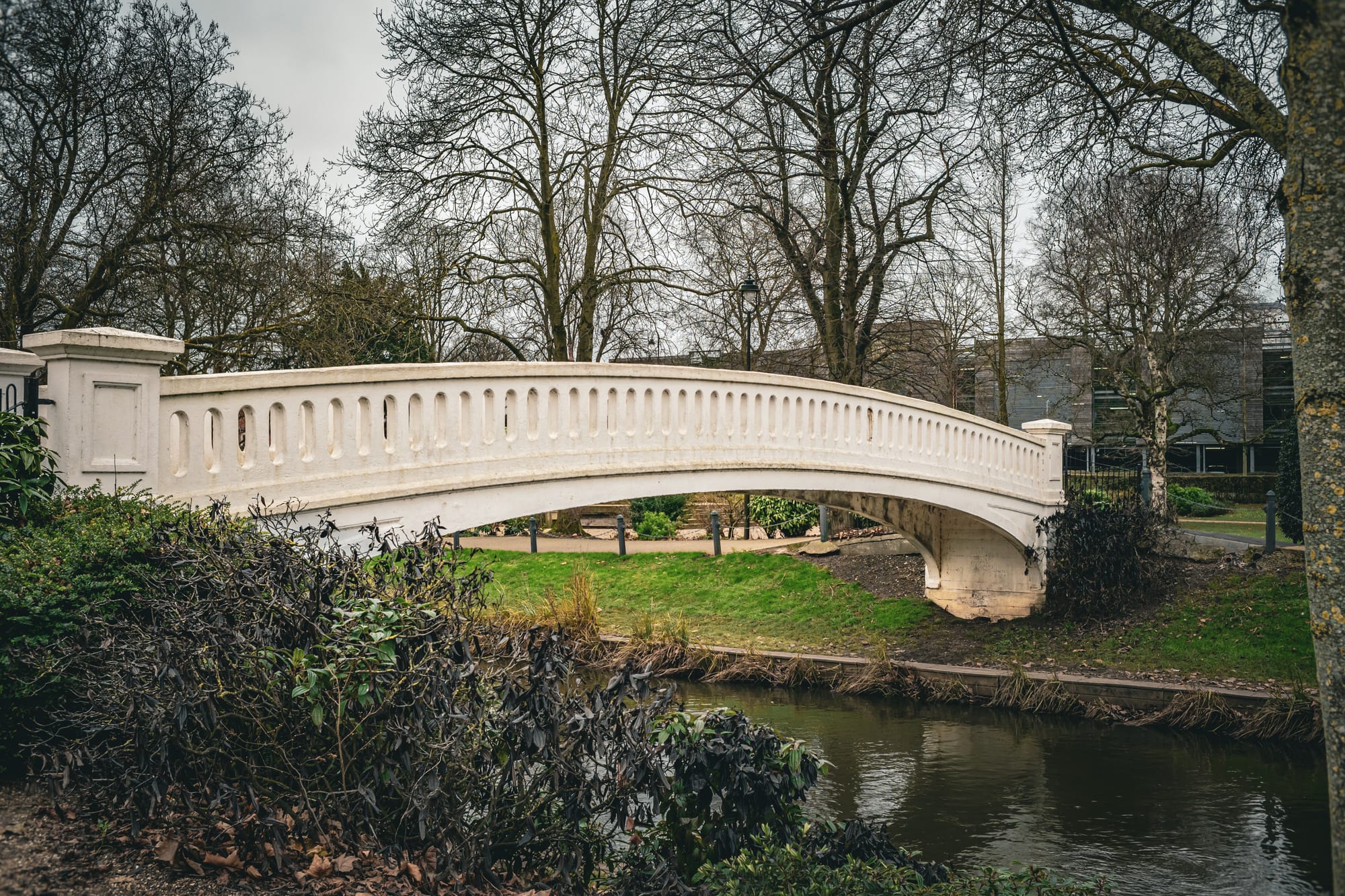
Victoria Park
The park we walked through today was originally opened in 1908 as Victoria Park, then known as the Victoria Park Pleasure Grounds. It sits on rising land beside the River Sow and was developed to provide a formal town park for Stafford’s residents and visitors. The park’s original layout has survived remarkably intact, with many of its Edwardian features still in place, and recent restoration work has refreshed the bandstand, aviary, glasshouse, and other historic elements, thanks to the National Heritage Lottery Fund.
Victoria Park remains a Green Flag Award-winning space, with an aviary, greenhouse features, riverside walks, play areas, and classic park structures, all of which link back to the park’s early 20th-century design.

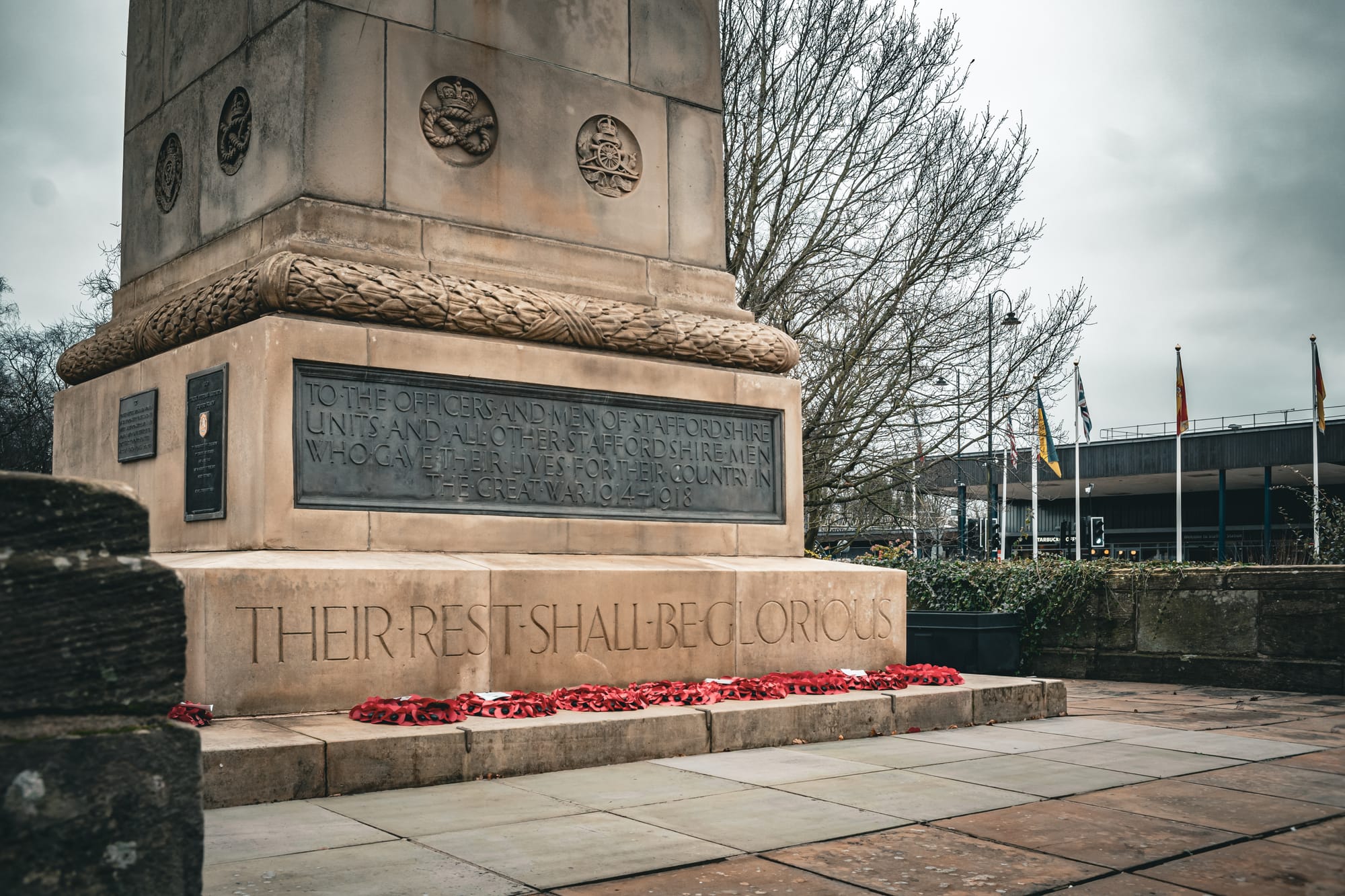
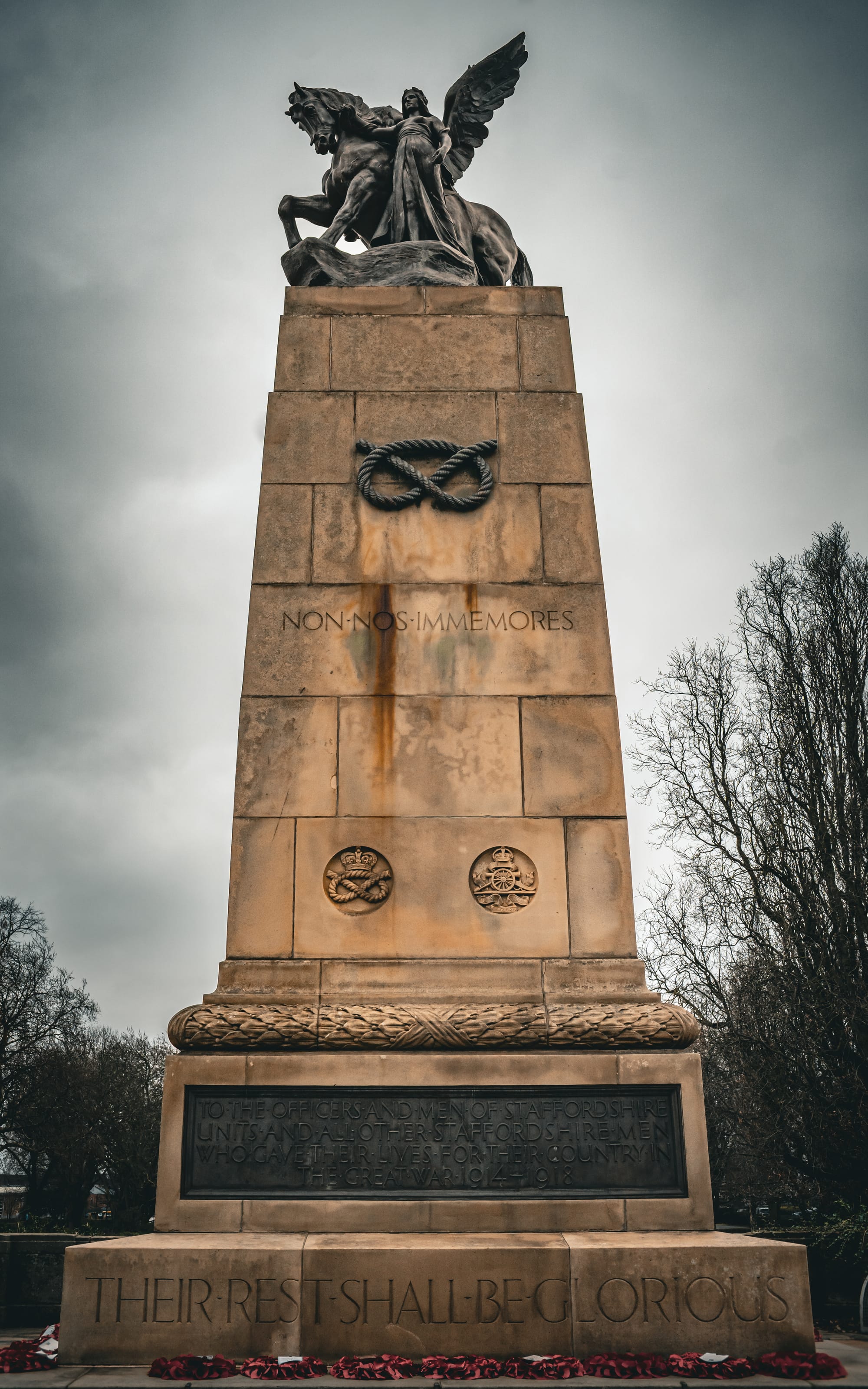
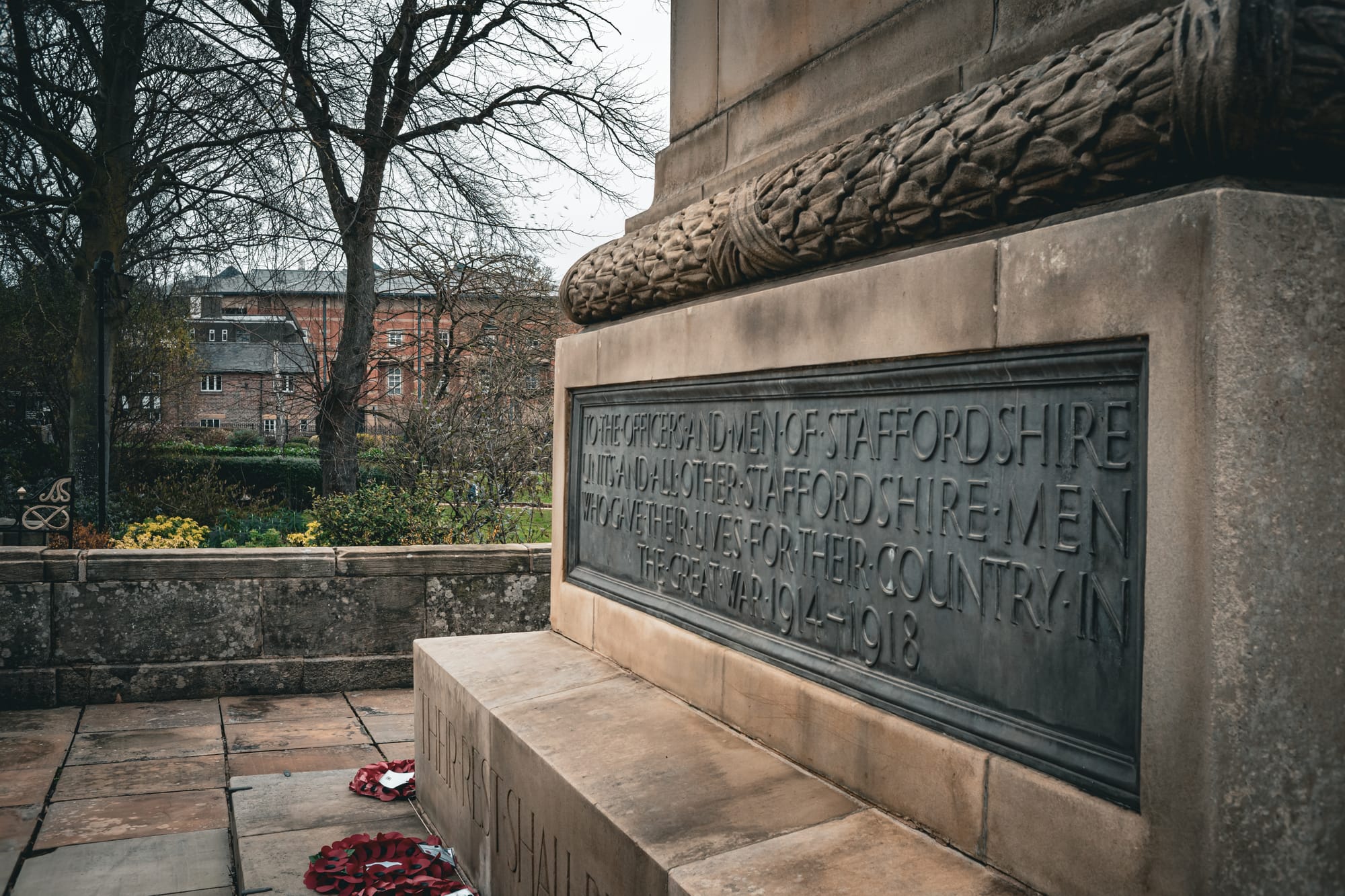
Stafford War Memorial, Brough Park
The Staffordshire County War Memorial, seen today with the Pegasus-like figure and surrounding walls and inscriptions, was unveiled shortly after the First World War in 1923. It commemorates the men and women from Staffordshire who lost their lives in conflicts including the First and Second World Wars and later battles, with bronze sculptures and plaques representing regimental badges and battle honours.
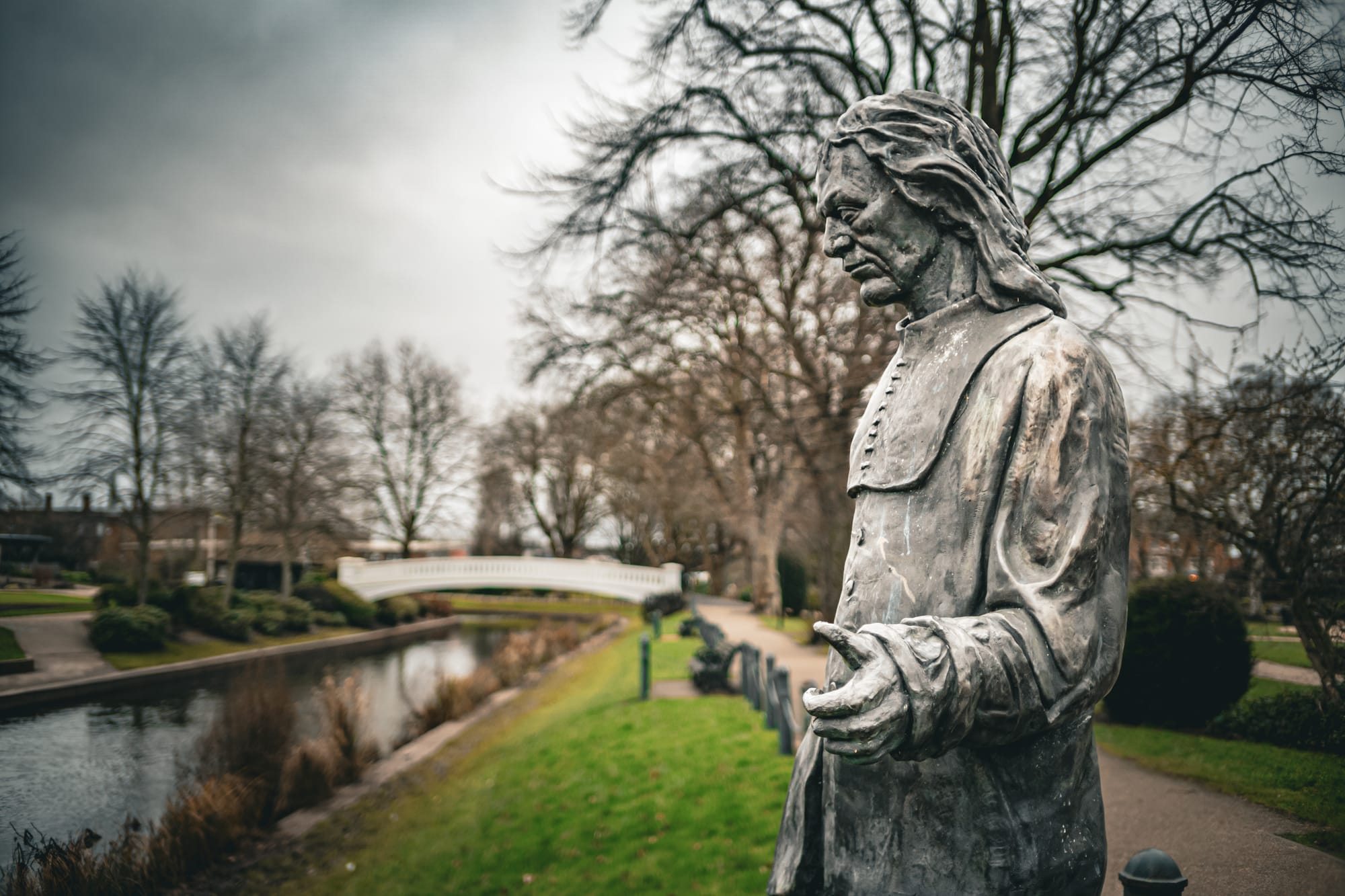
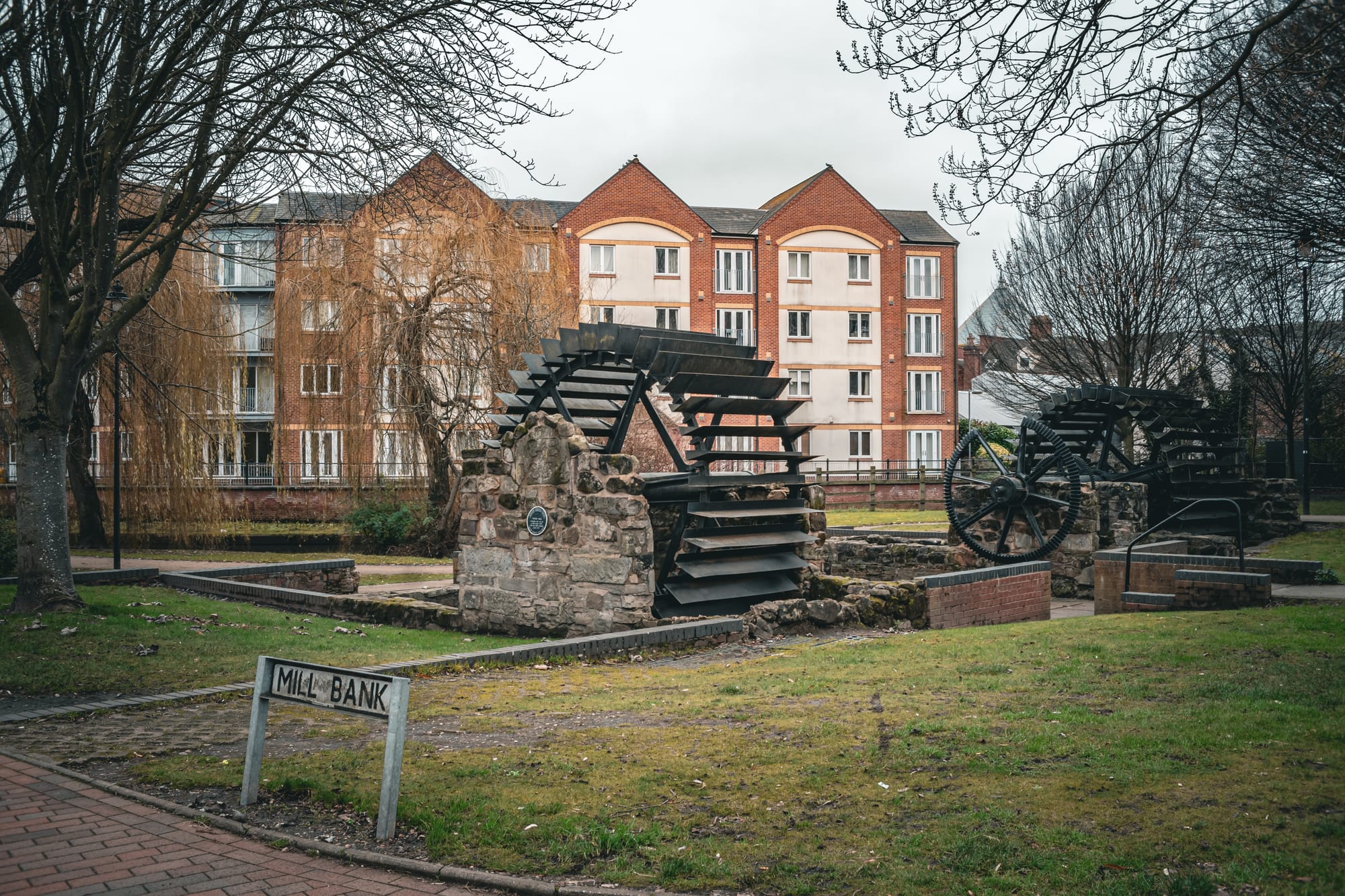
Isaac Walton Statue and The Town Mill, Stafford
Town Mill and the River
Walking back up from the riverside, we passed close to where Stafford’s mills once stood. Stafford’s history has been shaped by its waterways, and milling was central to town life in medieval and later periods. Water power from rivers like the Sow was essential to local agriculture and industry long before the arrival of steam and rail. Stafford grew as a market town and a hub for local trade partly because of these natural resources.
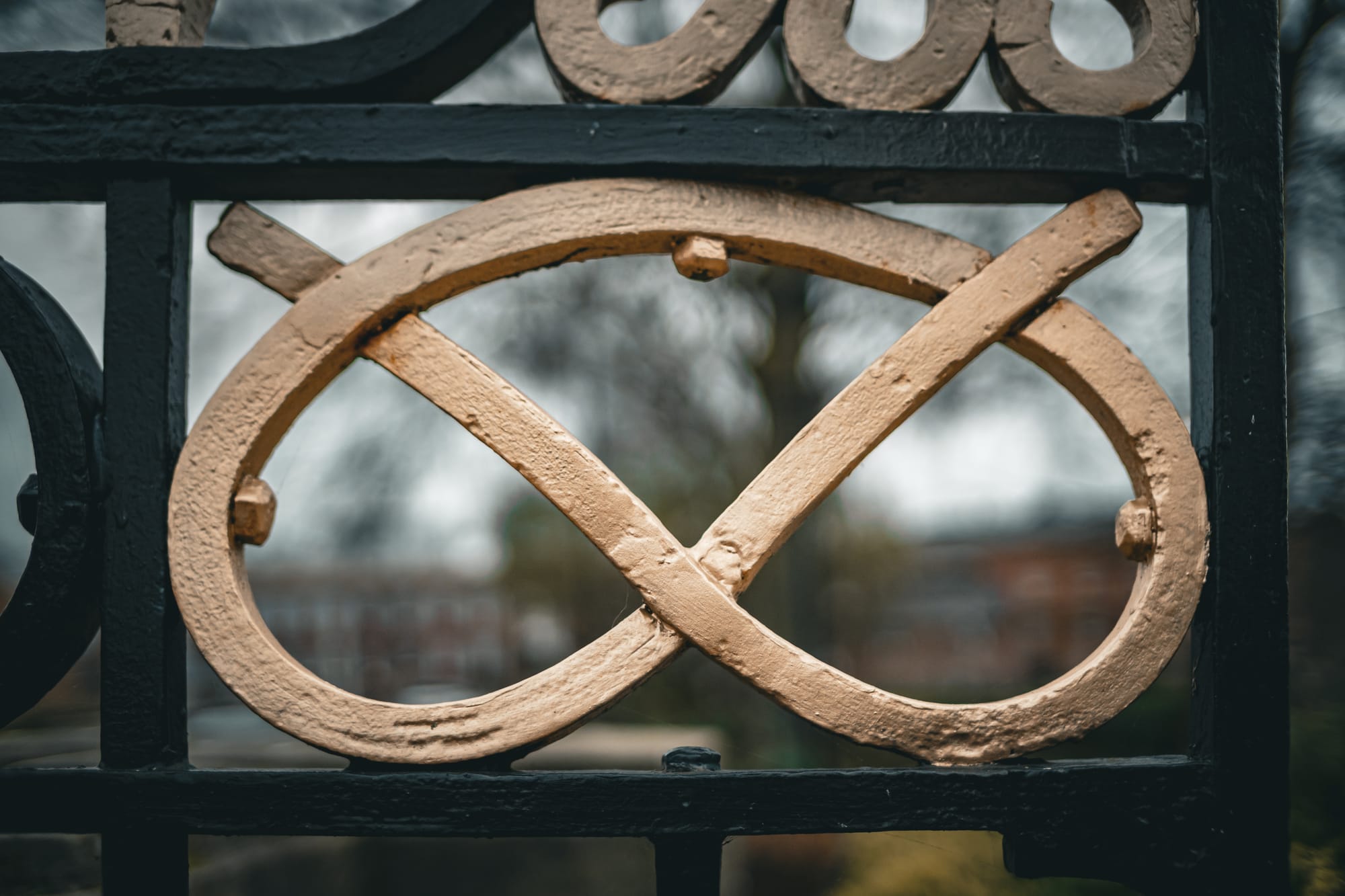
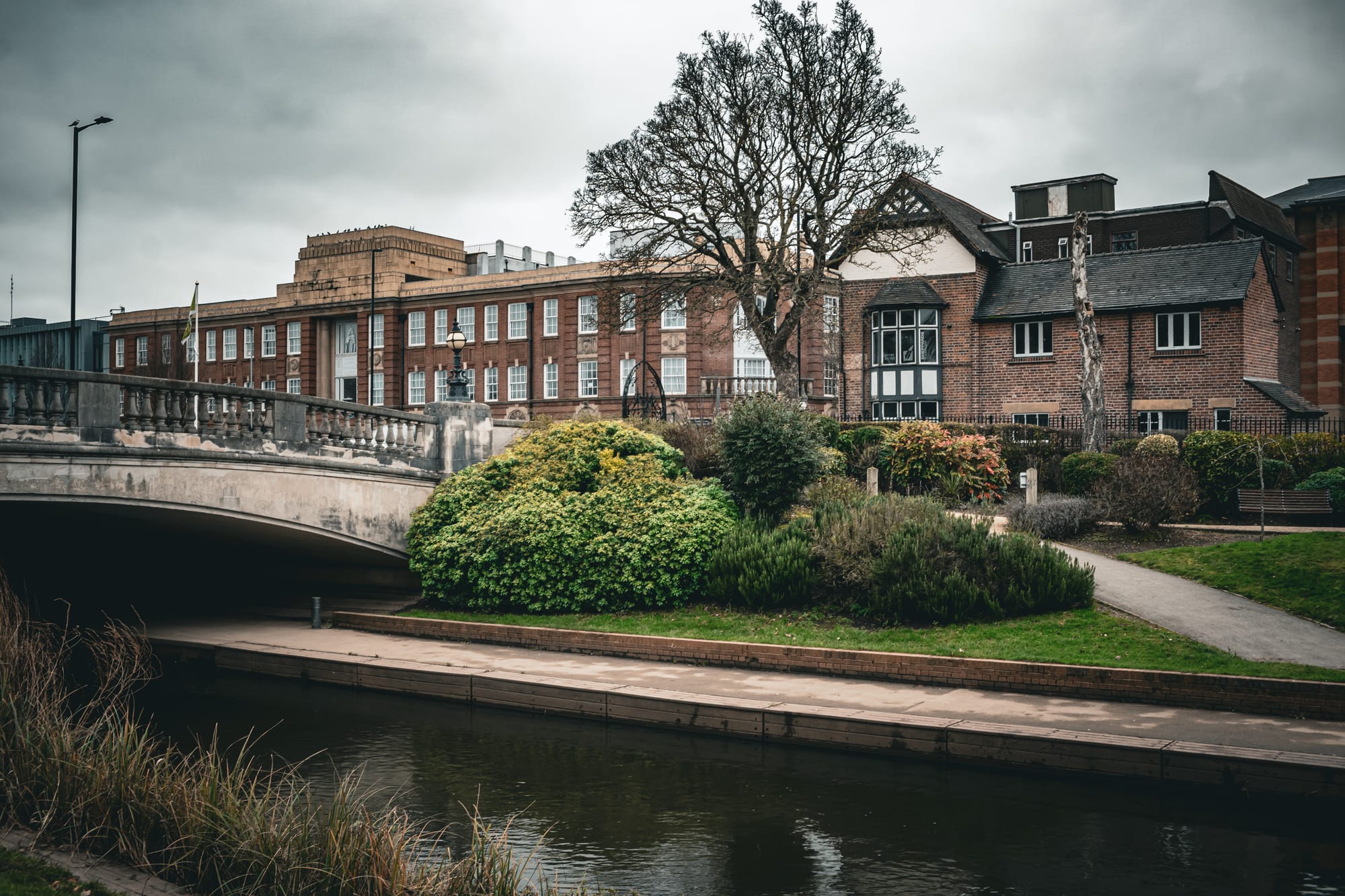

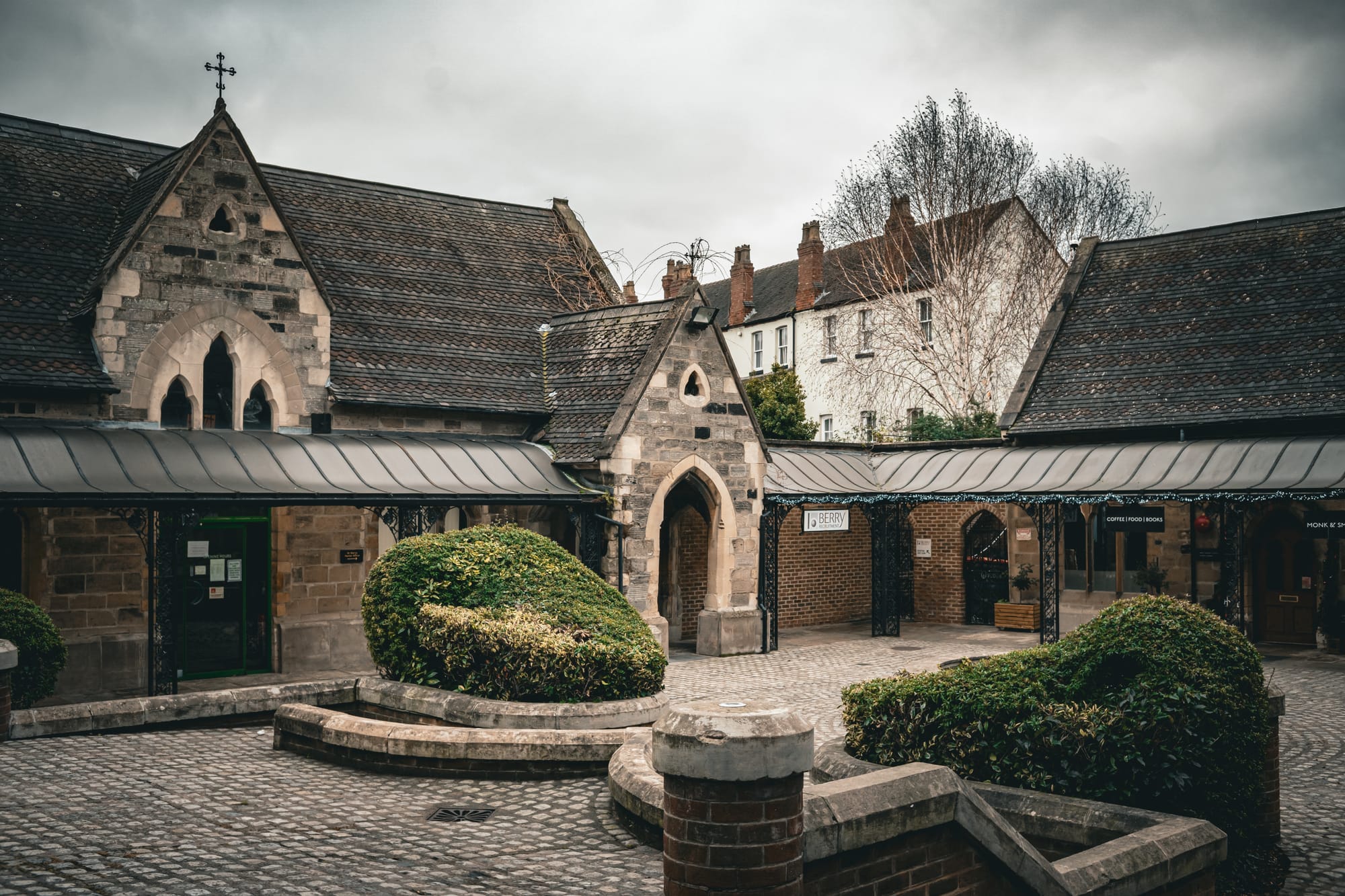
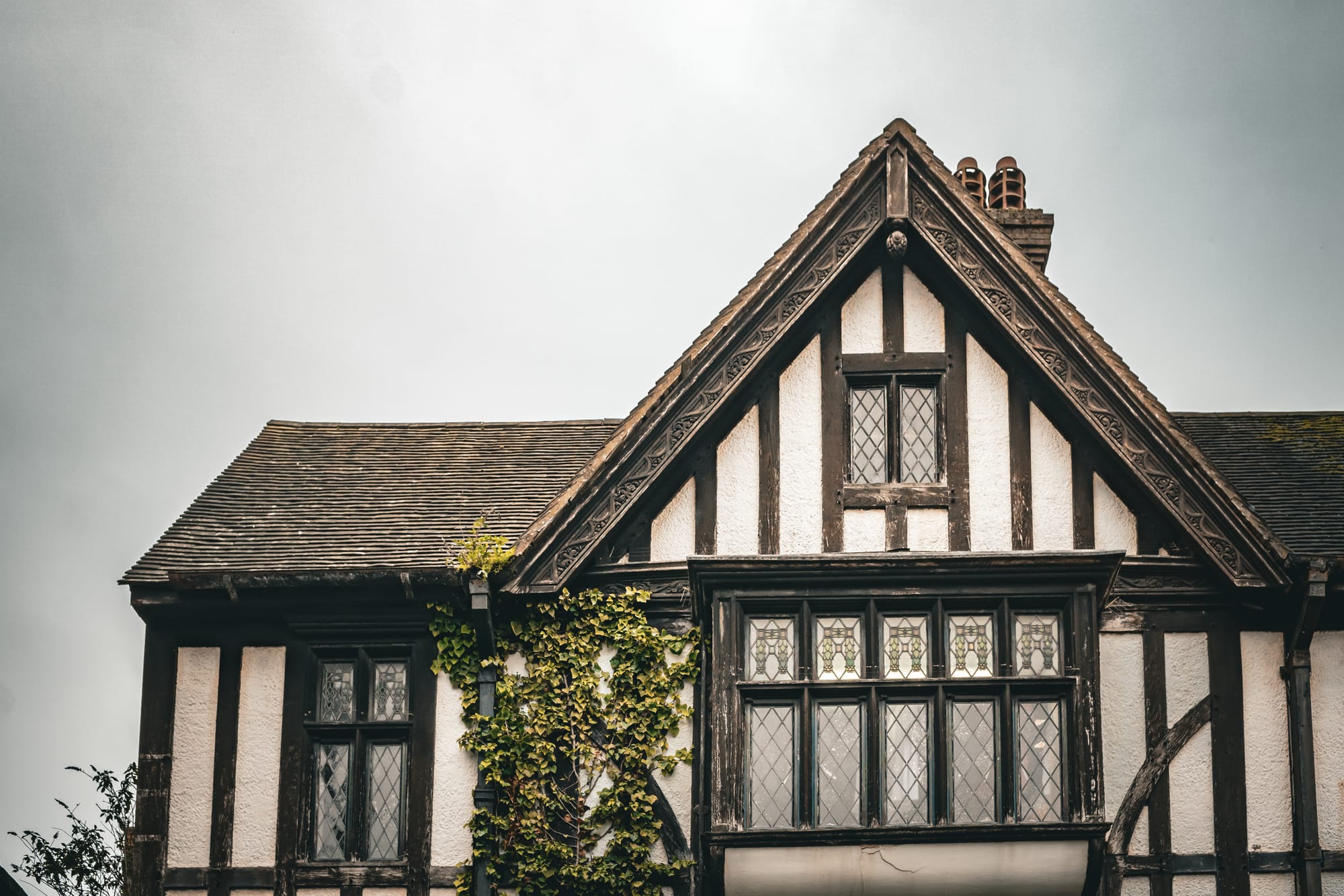
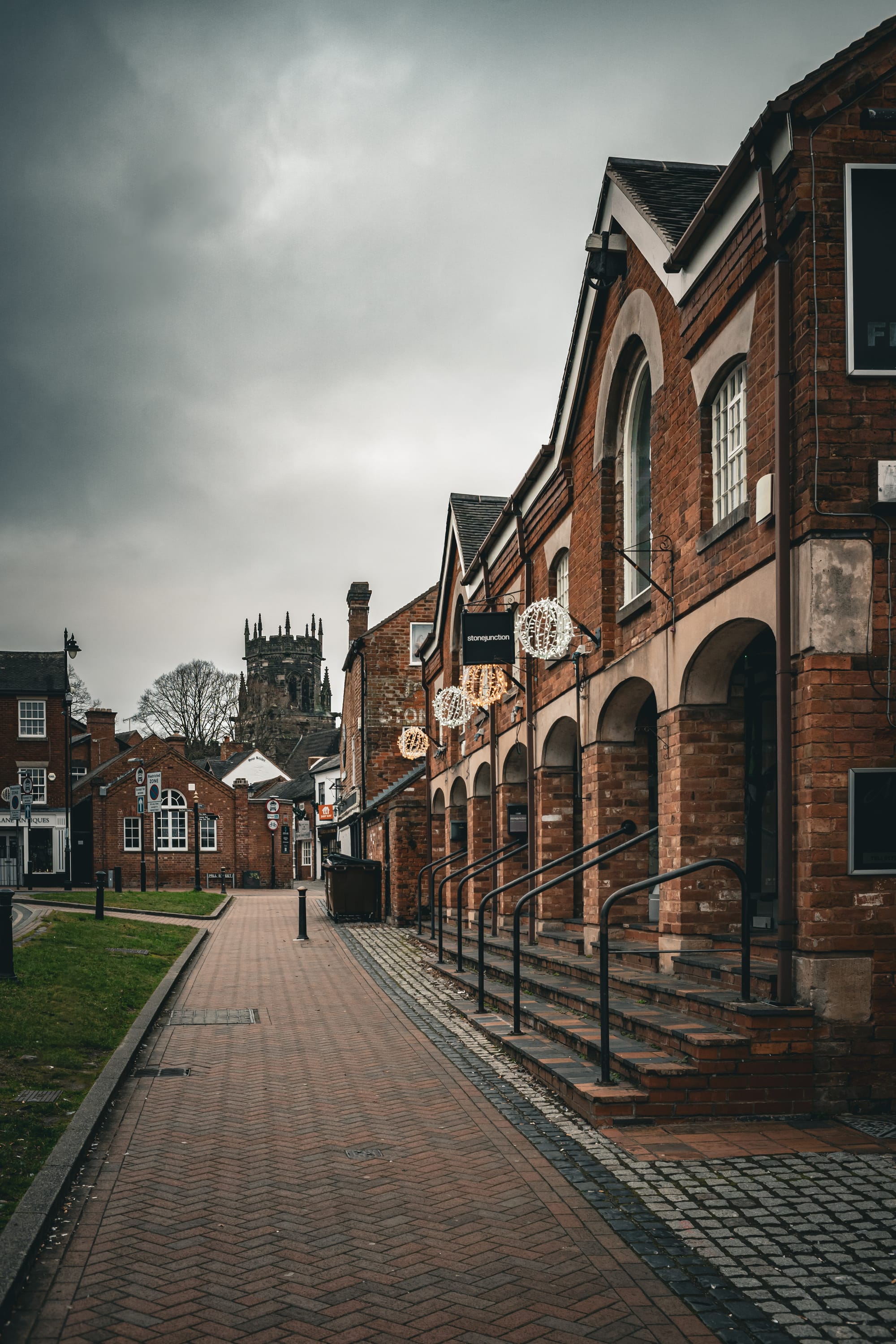
Stunning historic features around Stafford
Into the Town - Churches, Charity, and Timber
Stafford itself is one of the oldest settlements in the Midlands. Legend suggests it was founded around AD 700 by a Mercian prince, and by the early medieval period, it was well enough established to be fortified and granted a Royal Charter in 1206, making it an official borough with market rights.
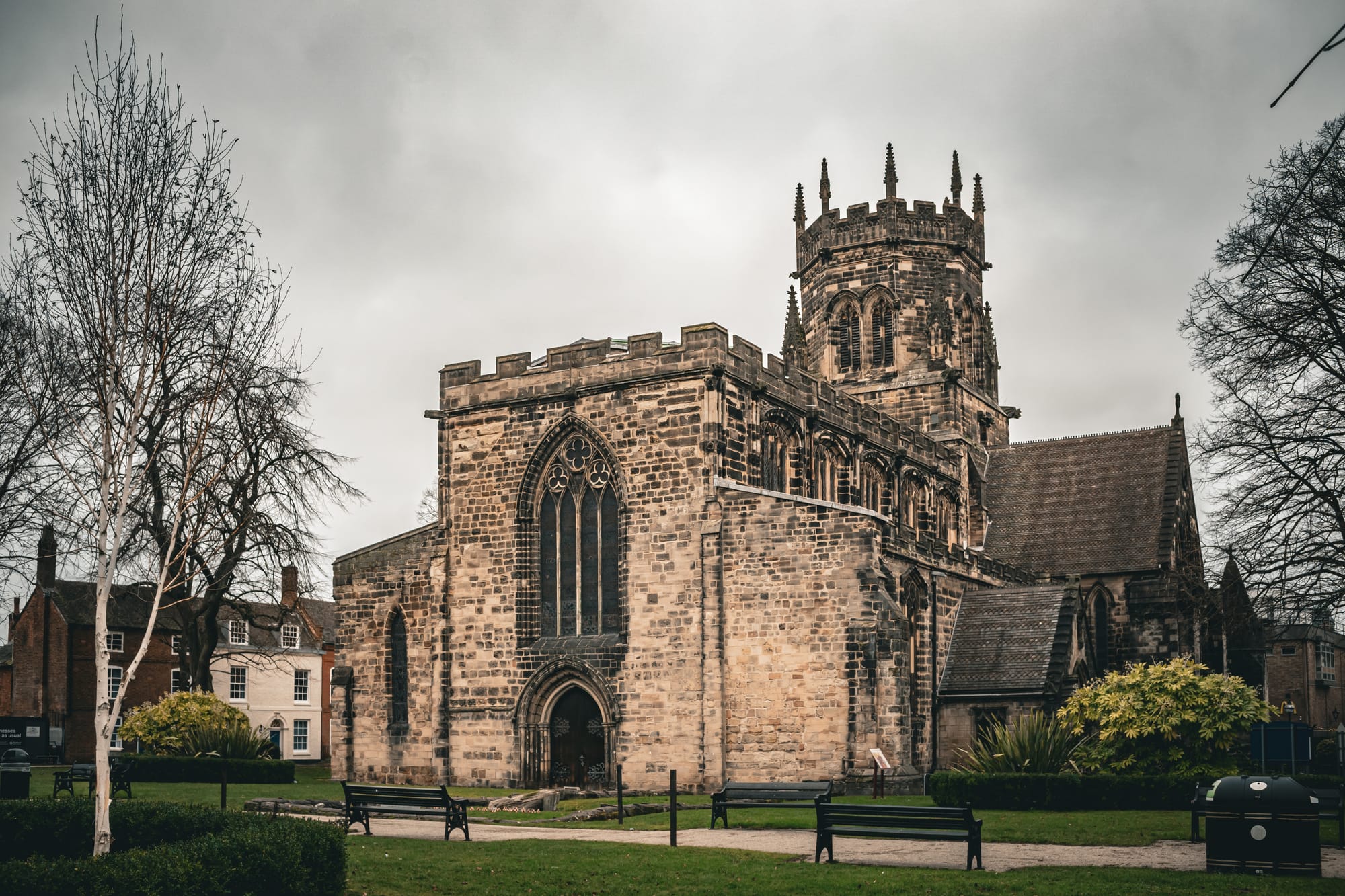
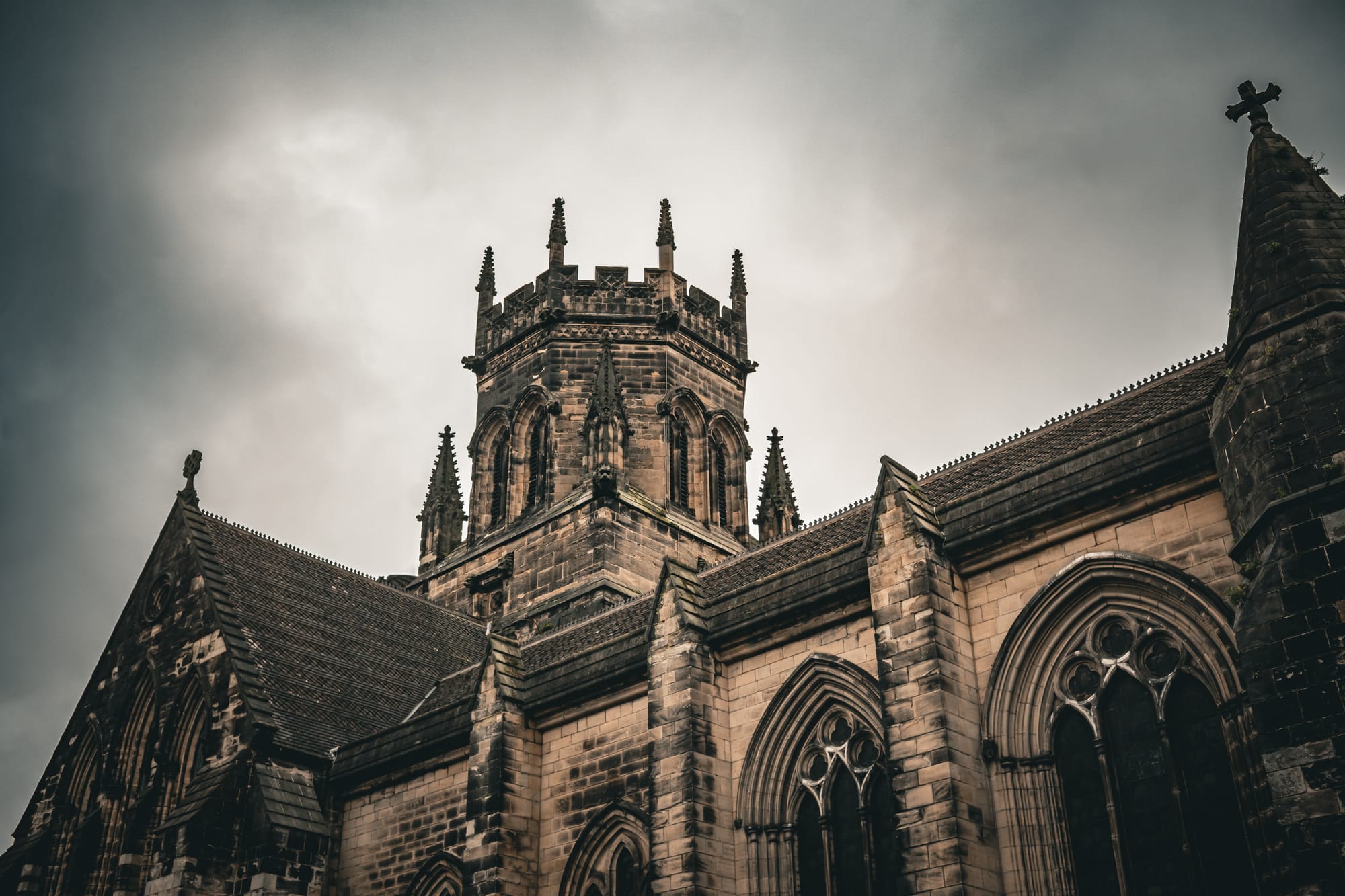
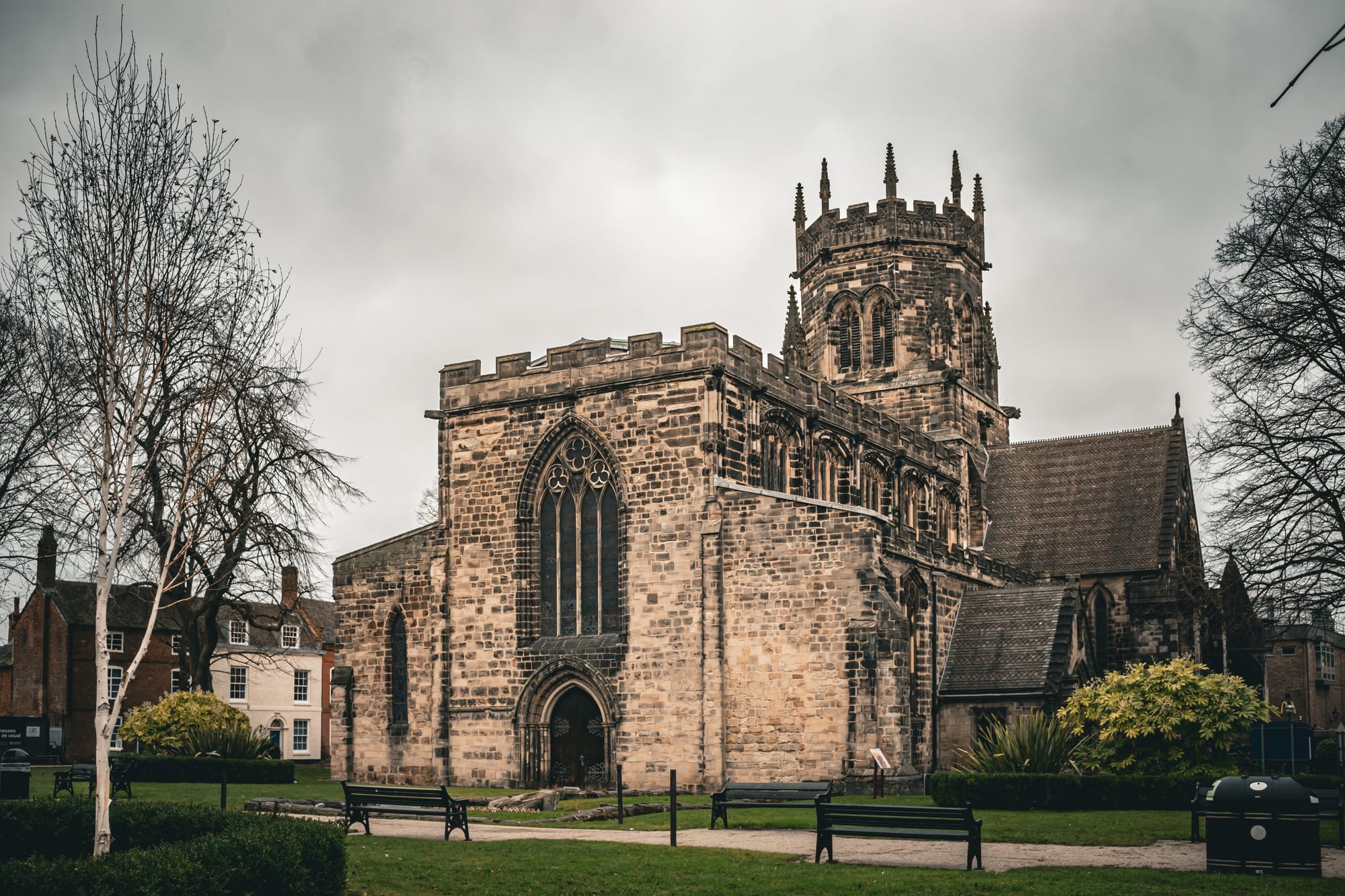
The Collegiate Church of St Mary, Stafford
The Collegiate Church of St Mary
As we walked up past the churchyard, we passed St Mary’s Collegiate Church, a building with origins in the early 13th century and later medieval expansions. It began as a collegiate church, meaning it was served by a body of canons rather than monks, and was once part of Stafford’s ecclesiastical heart, with architectural features spanning centuries.
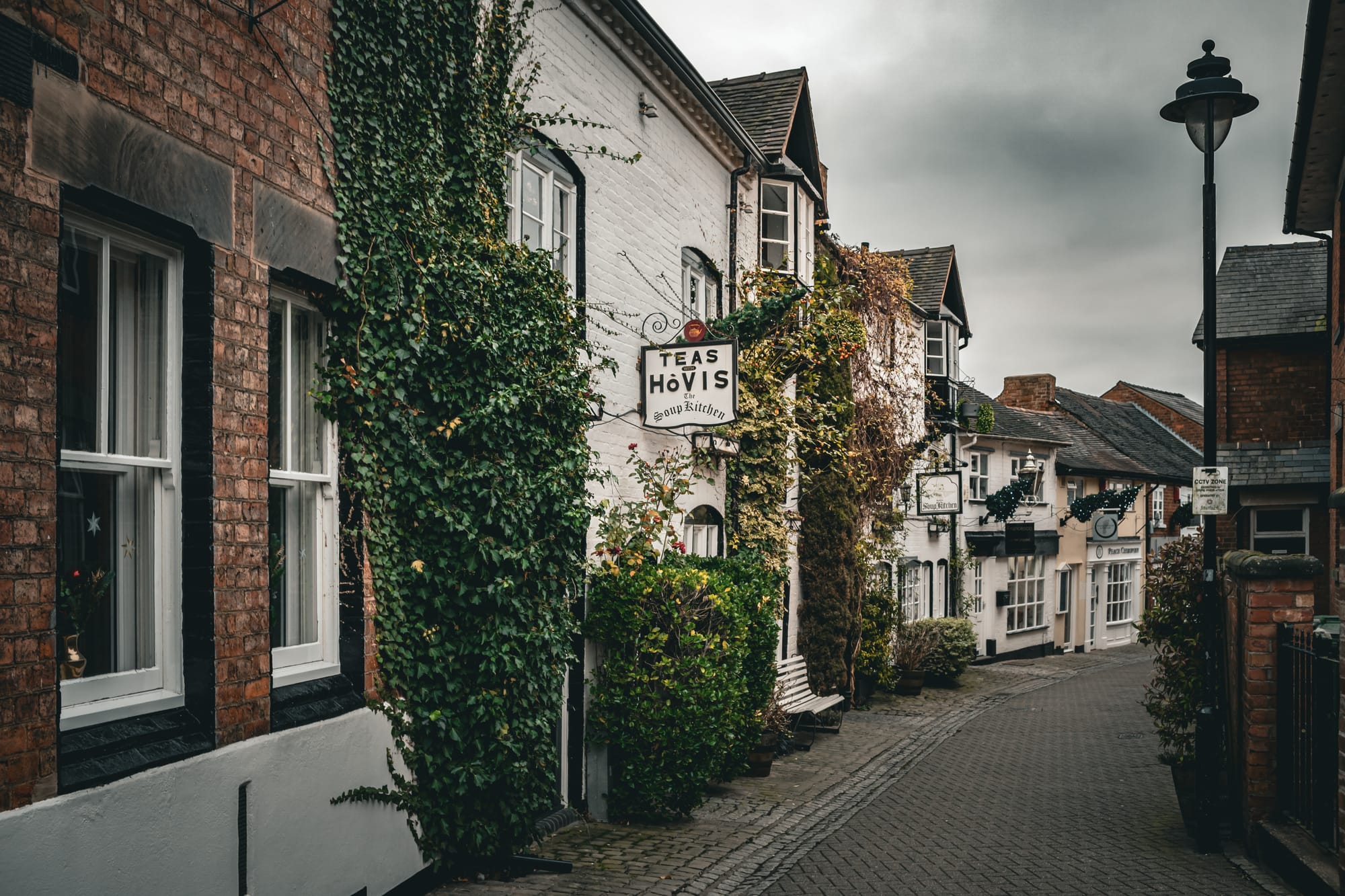
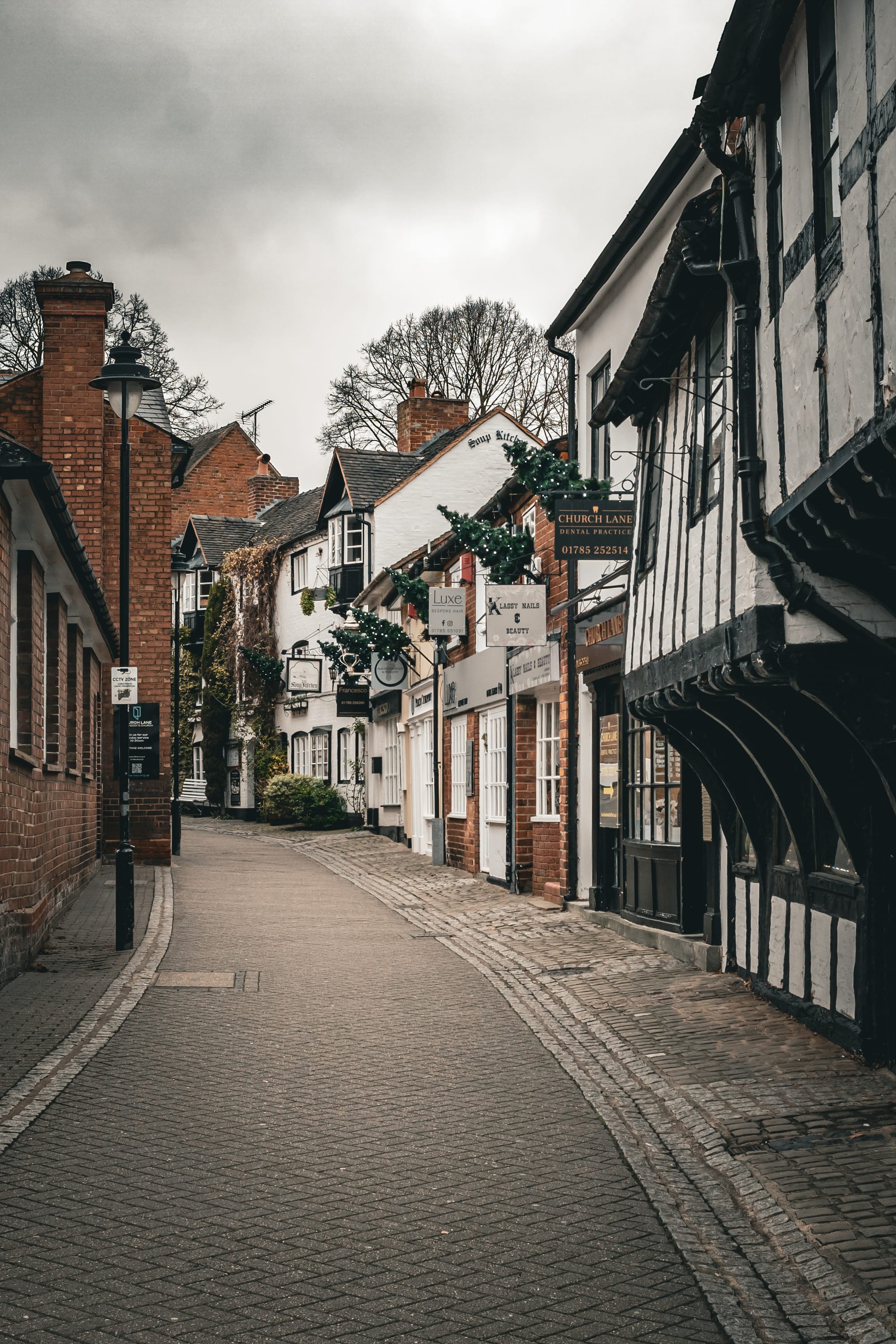
The Soup Kitchen, Stafford
The Soup Kitchen
Just off Church Lane stands the Soup Kitchen, one of the oldest hospitality venues in Stafford. The building dates back to the 16th century, and local history connects it with charitable efforts supported by figures like Lady Salt in the 19th century. Over time, it has become a much-loved café and tea room, serving visitors and locals alike in a setting that blends centuries of Stafford’s heritage with everyday life.
Ancient High House
Further down Greengate Street is the Ancient High House, arguably Stafford’s most iconic building. Constructed around 1595 for the wealthy Dorrington family, it is the largest surviving timber-framed town house in England and a superb example of Elizabethan architecture.
During the English Civil War, King Charles I stayed here in 1643 while Stafford was a Royalist stronghold, and the house briefly served as his headquarters. The building now operates as a museum, with period rooms and exhibitions showing Stafford through the ages.
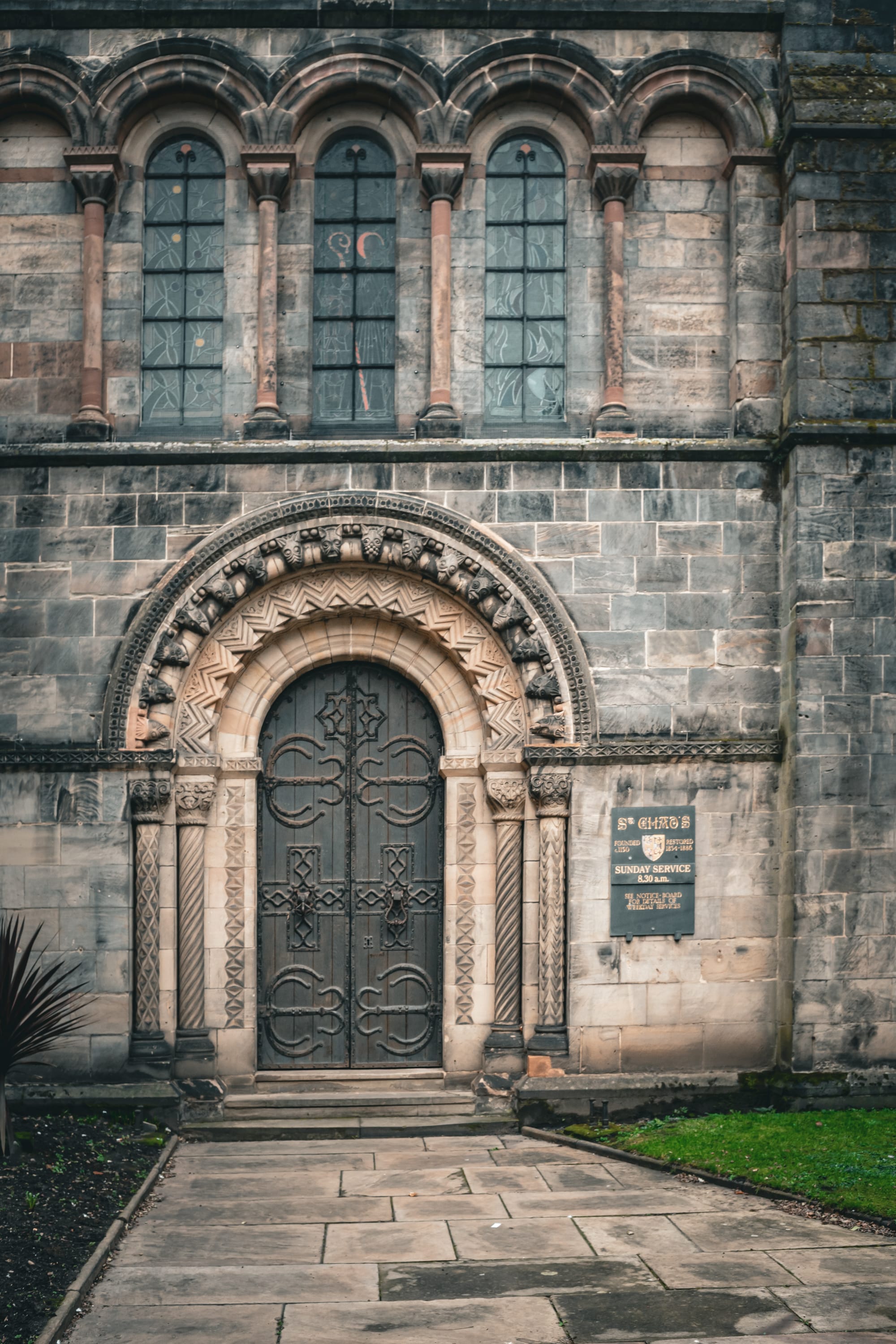
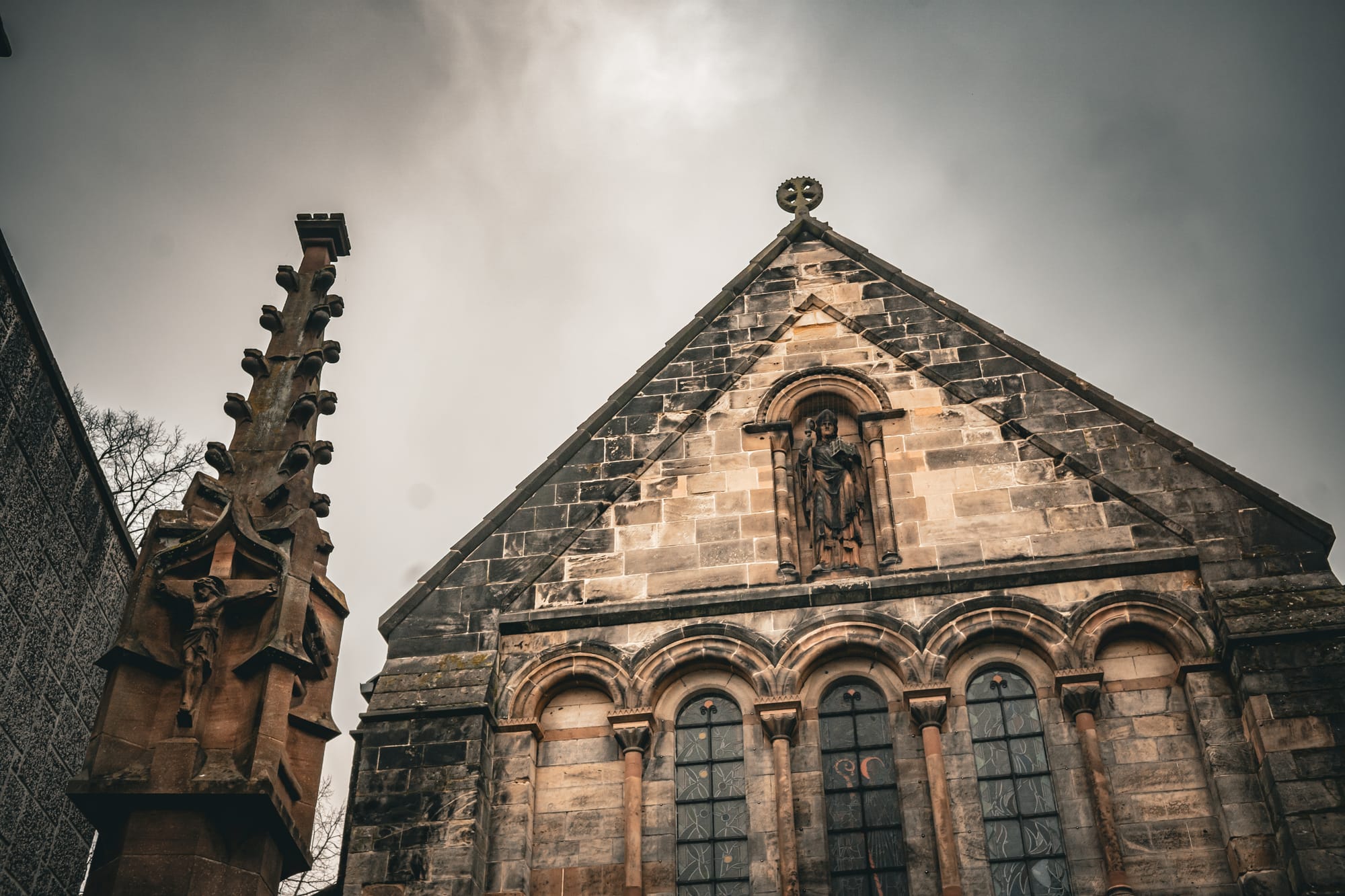
St Chad’s Church, Stafford
St Chad’s Church
As we continued along the High Street, we passed St Chad’s Church, which is considered the oldest building in Stafford. Its origins go back to the 12th century, although much was restored in the 19th century. It is a Grade II*-listed church dedicated to Saint Chad, an early medieval bishop who was influential in the Christianisation of Mercia.
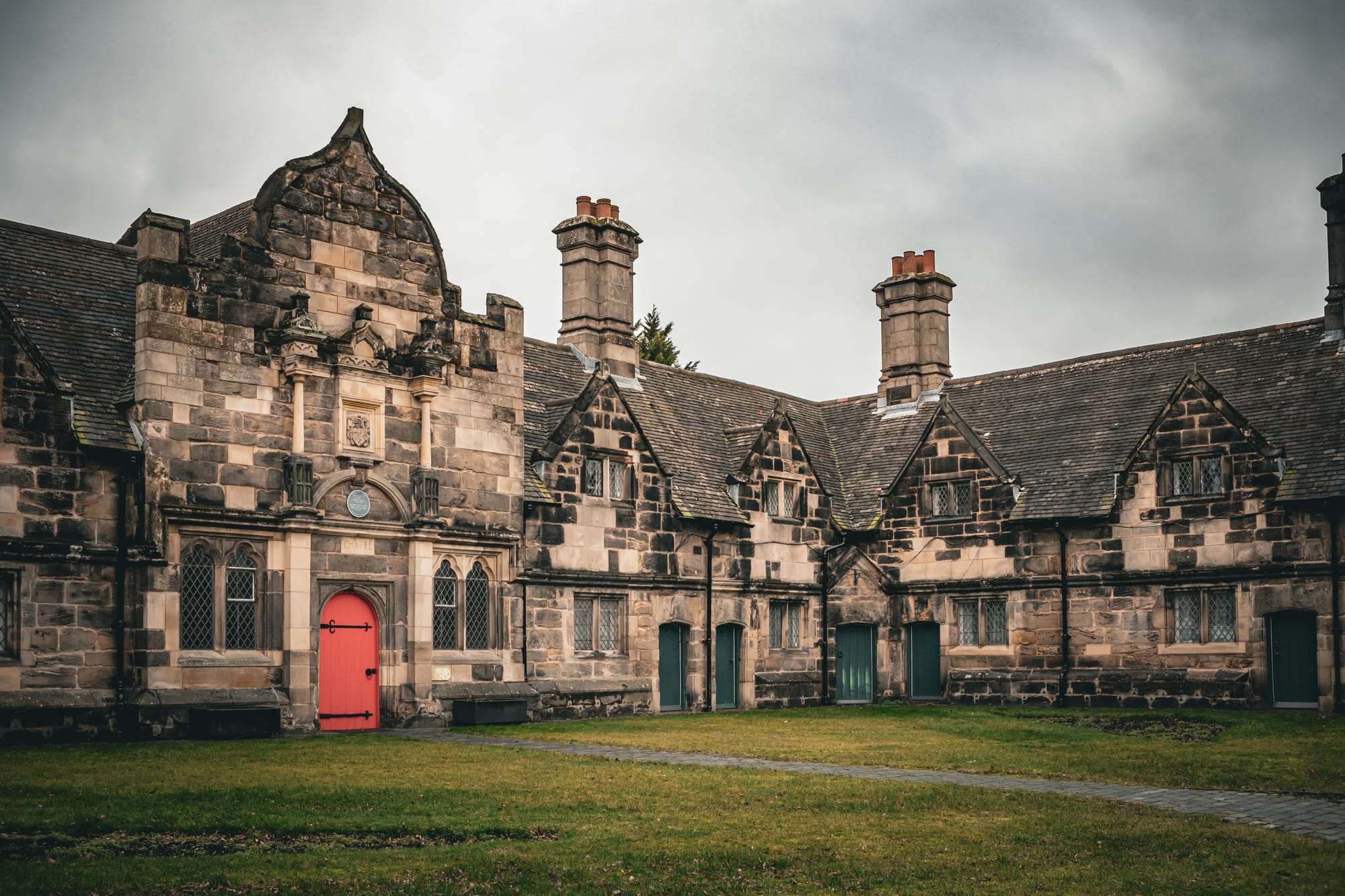
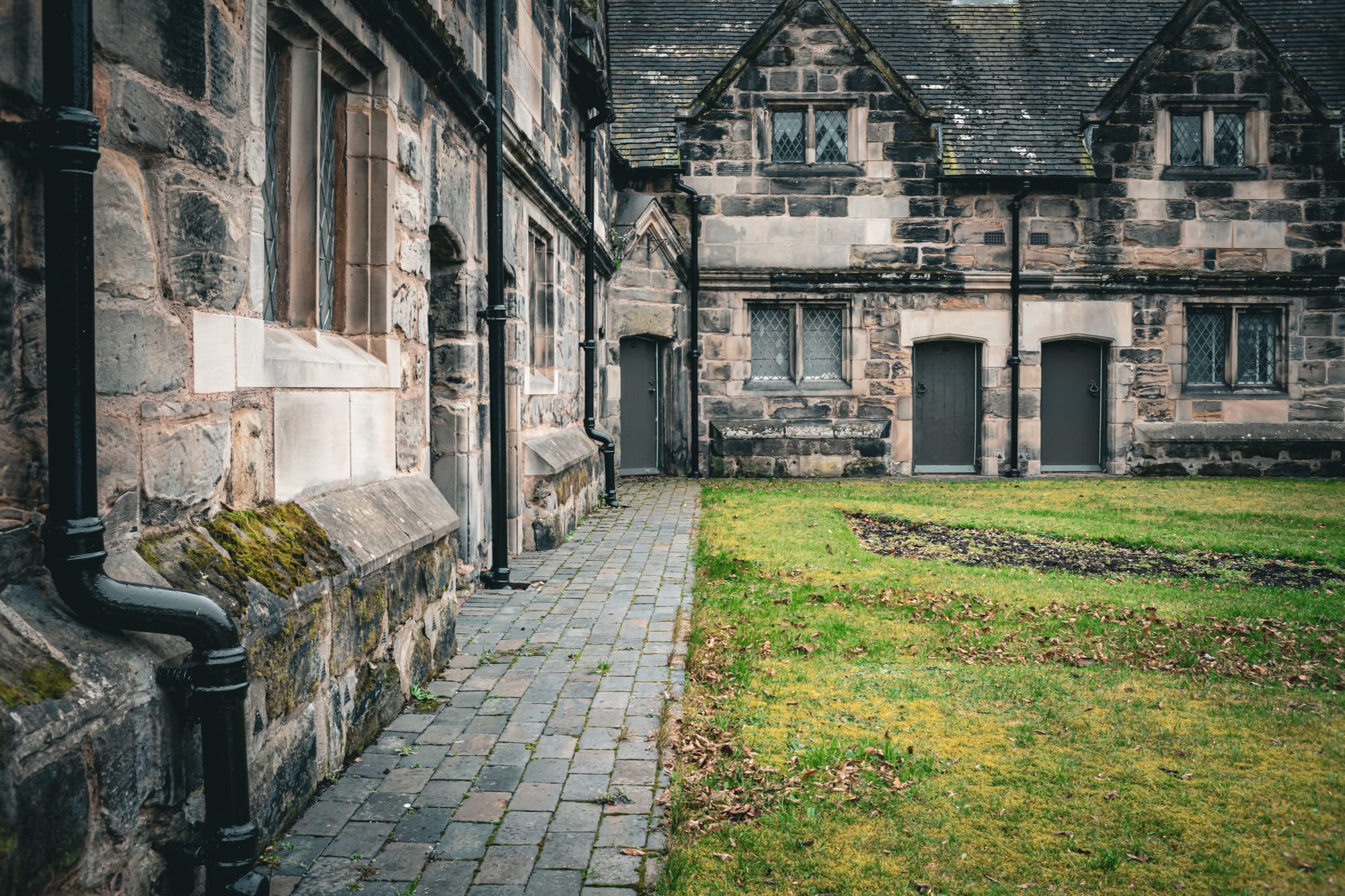
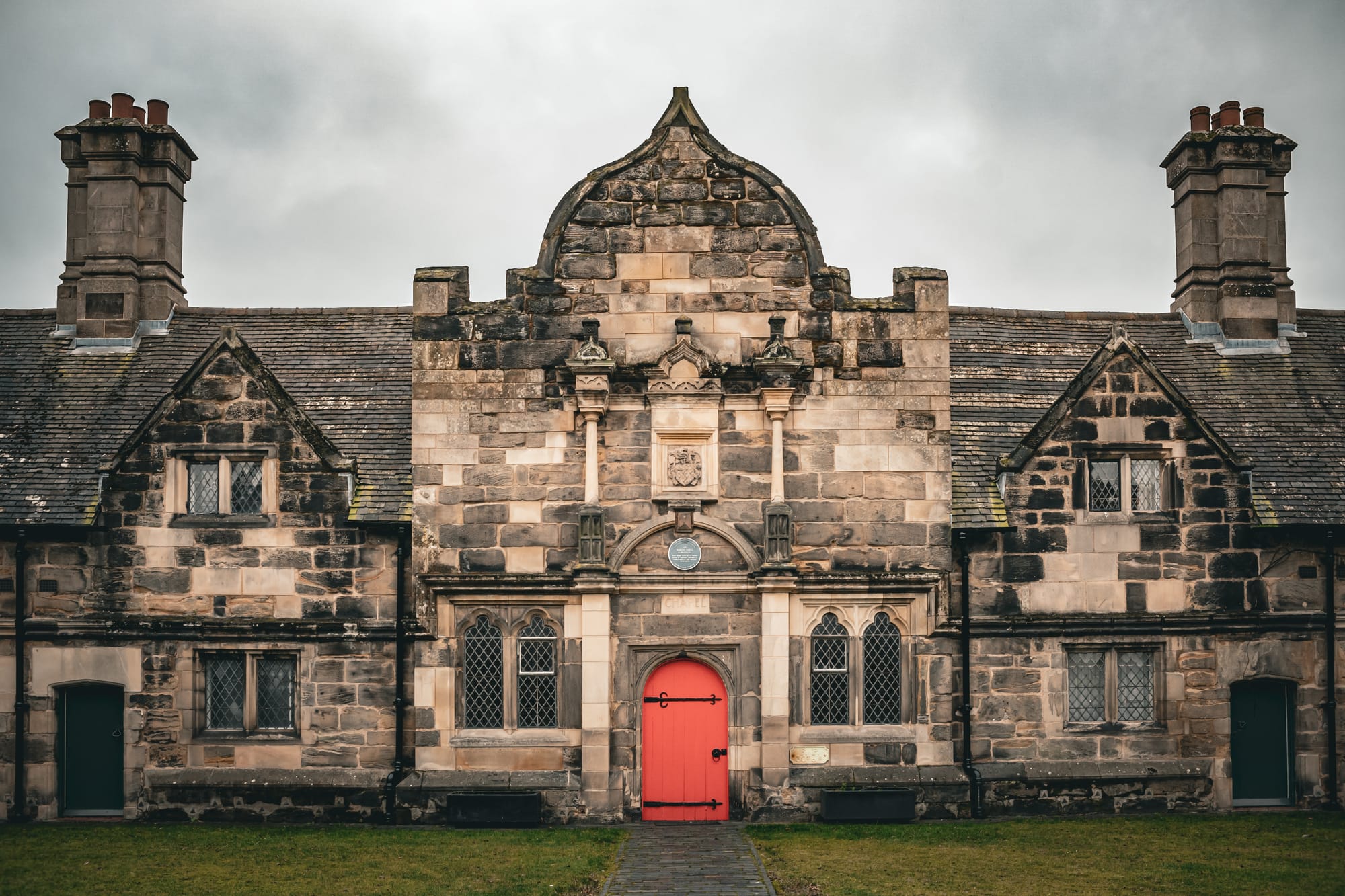

Stafford Almshouses & The Swan Hotel
The Swan Hotel and Almshouses
Along Greengate Street stands the Swan Hotel, originally built around 1606 as a grand mansion and later becoming a coaching inn during the 18th-century turnpike era. Its role in Stafford’s transport and hospitality history reflects the town’s importance on routes across the Midlands.
Nearby are historic almshouses, charitable homes established centuries ago to house the poor and elderly of the town. Almshouses like these speak to Stafford’s long tradition of community care and civic responsibility.
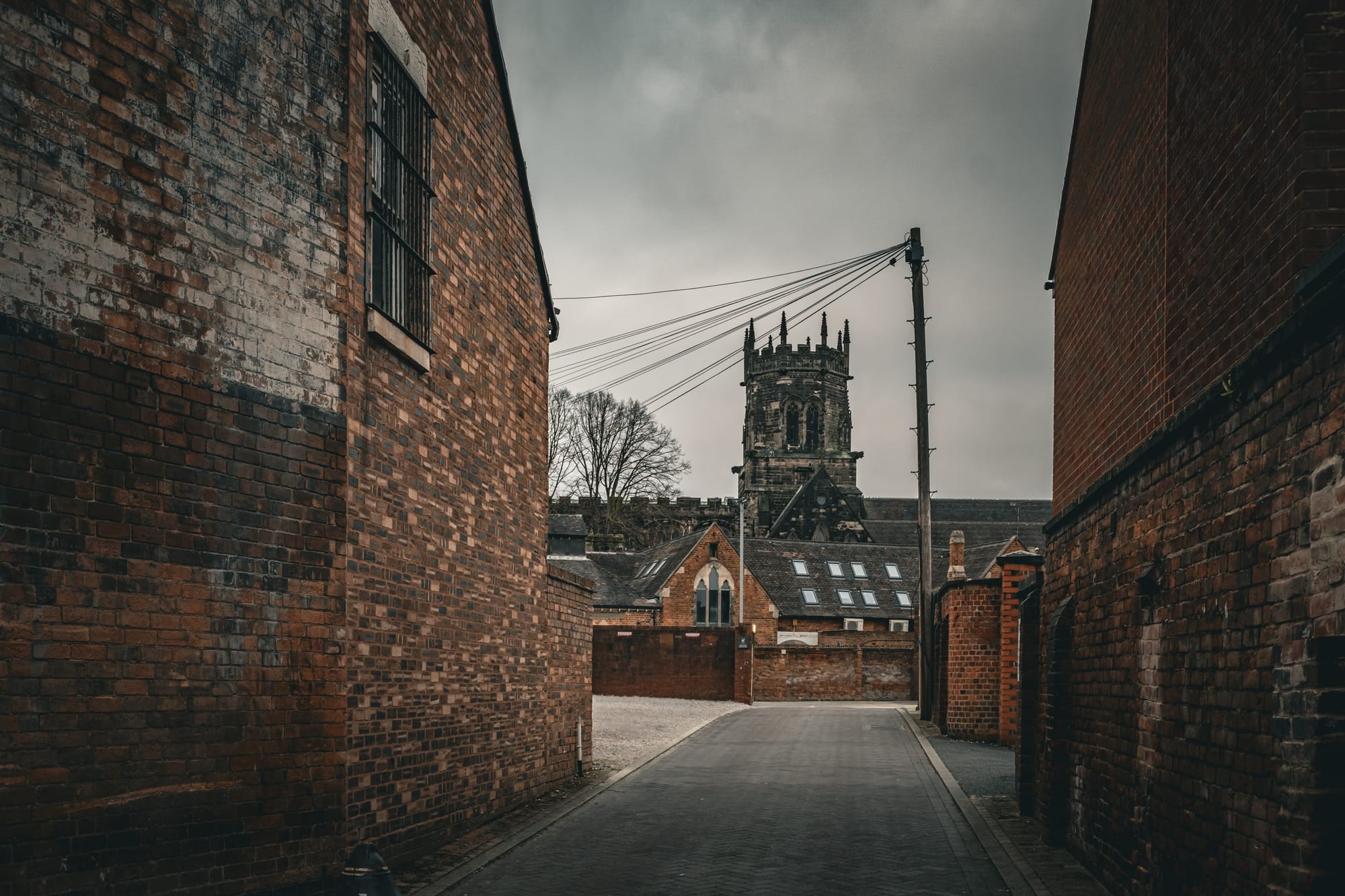
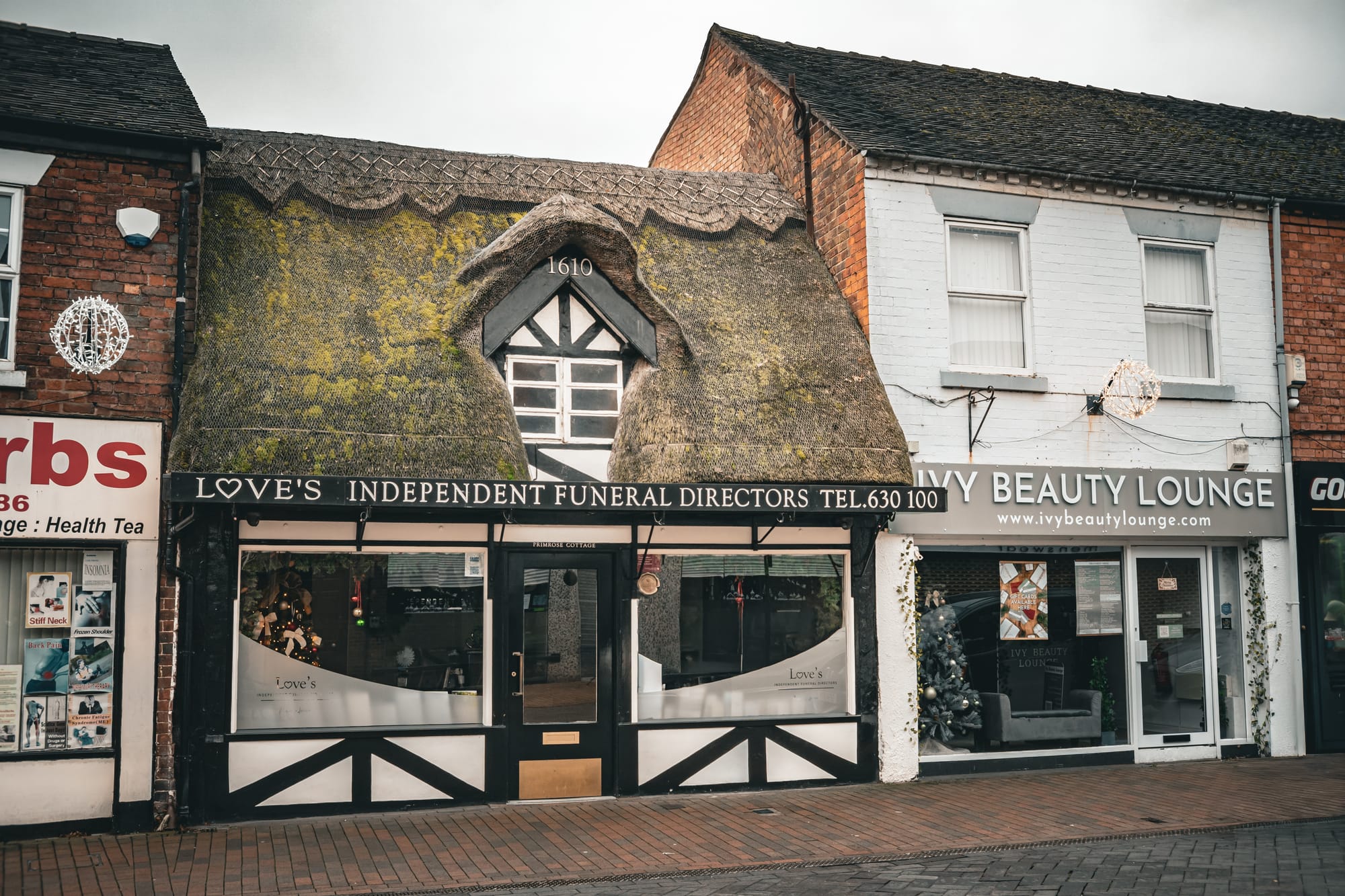
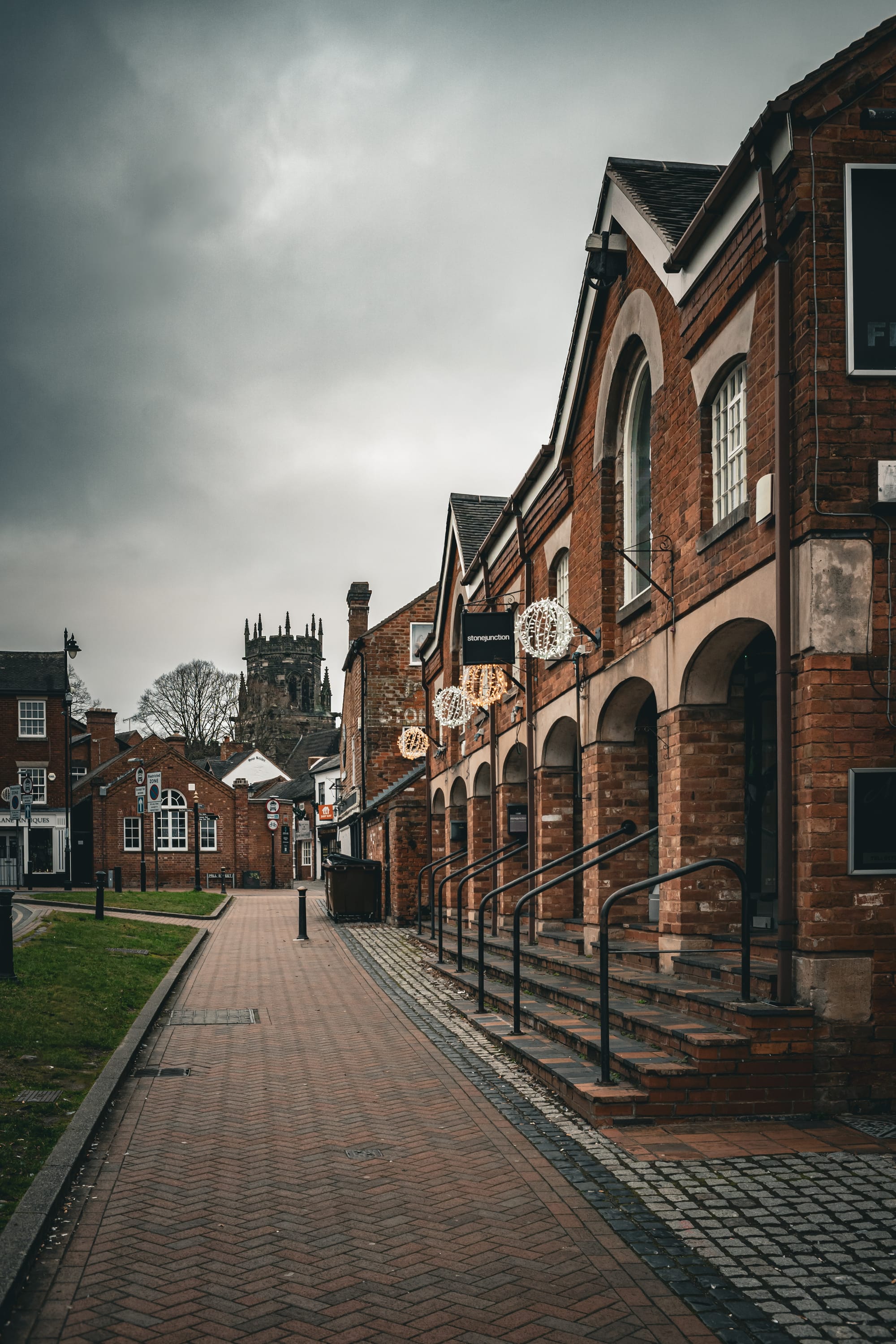
Other historic buildings in Stafford, such as a thatched cottage from 1610 and The Malt House
Stafford Today, Beauty Worth Noticing
Stafford may be a working county town, but its history runs deep and wide, from ancient churches and timber-framed houses to riverside parks and memorials to those who served. Walking even a short loop through its streets and parks reveals centuries of stories layered into the buildings, pathways, and riversides we pass every day.
Exploring Staffordshire Further
Walks like this are a reminder that Staffordshire's history is not hidden away in books or museums. It is all around us, in parks, streets, buildings, and corners we often walk past without really seeing.
At the bottom of this article, you will find my interactive Staffordshire map, which is now embedded at the end of every post. The map brings together all of the places I have visited, researched, written about, and filmed so far, with links to the stories behind them. It is designed to help you see what is around you, plan your own walks or days out, and explore Staffordshire’s history in a more connected and interactive way.
If you enjoy this work and would like to help support it, I also share extra photographs, research notes, behind-the-scenes thoughts, and early access to projects over on Patreon. Patreon is my space away from the algorithms, where everything lives in one place, and nothing gets buried.
You can find out more and join me here: https://www.patreon.com/theredhairedstokie
Staffordshire is a beautiful and historic place, and so much of it is walked past every day. It deserves to be noticed.
