

Most people know the rhyme. Bonfires, fireworks, Guy Fawkes masks, and school lessons that start and end in London.
But the Gunpowder Plot didn’t finish beneath Westminster.
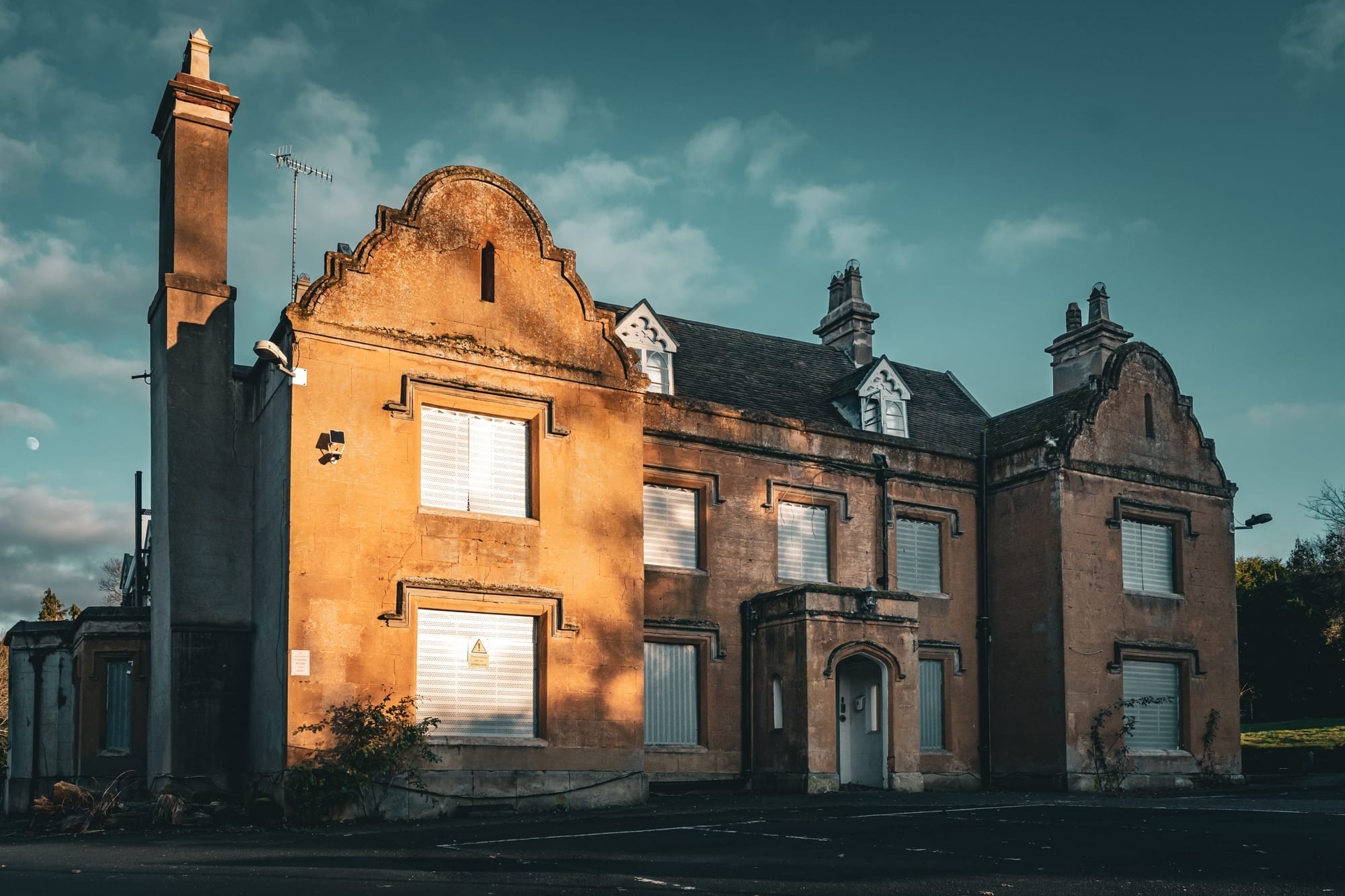
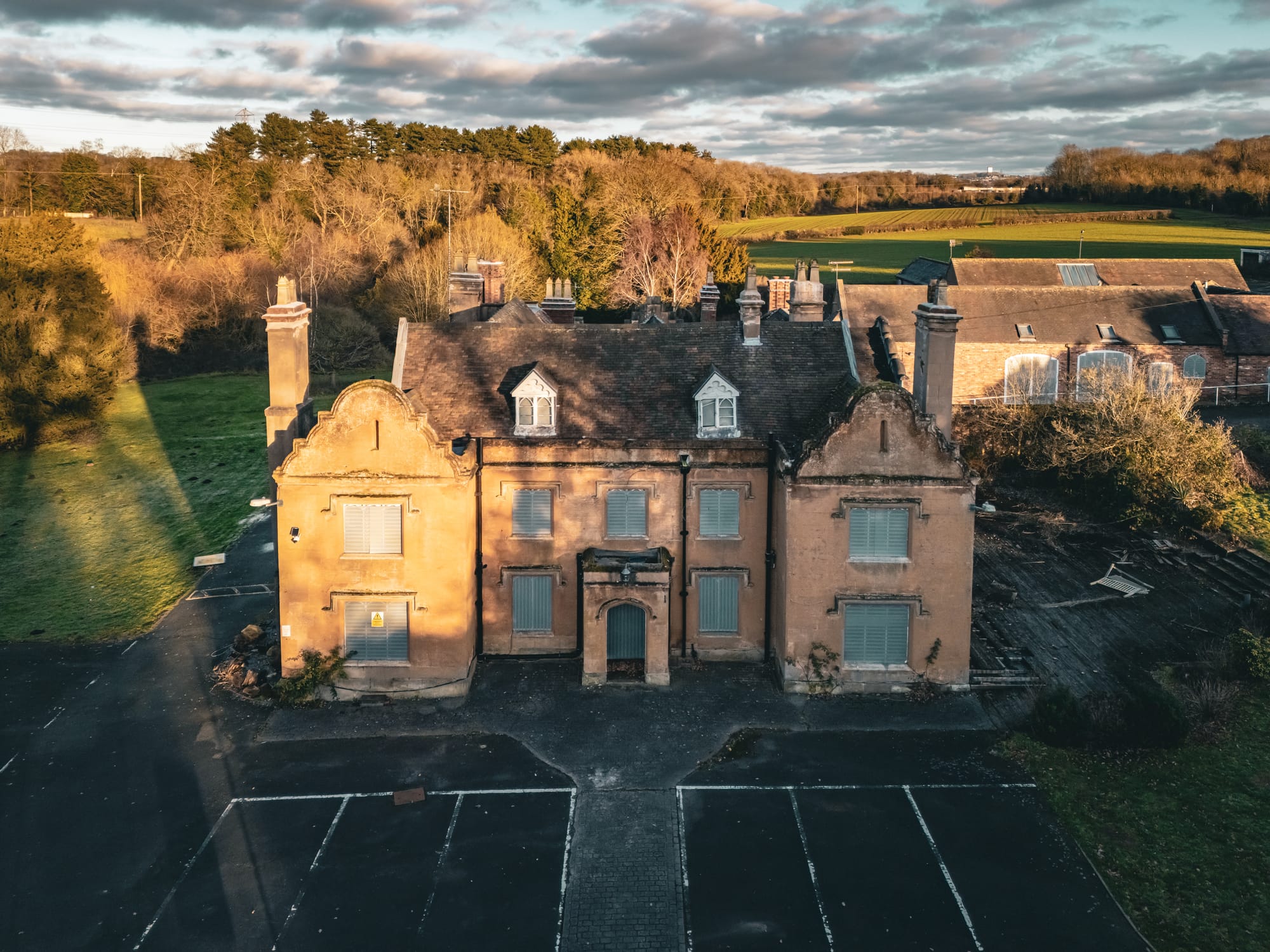
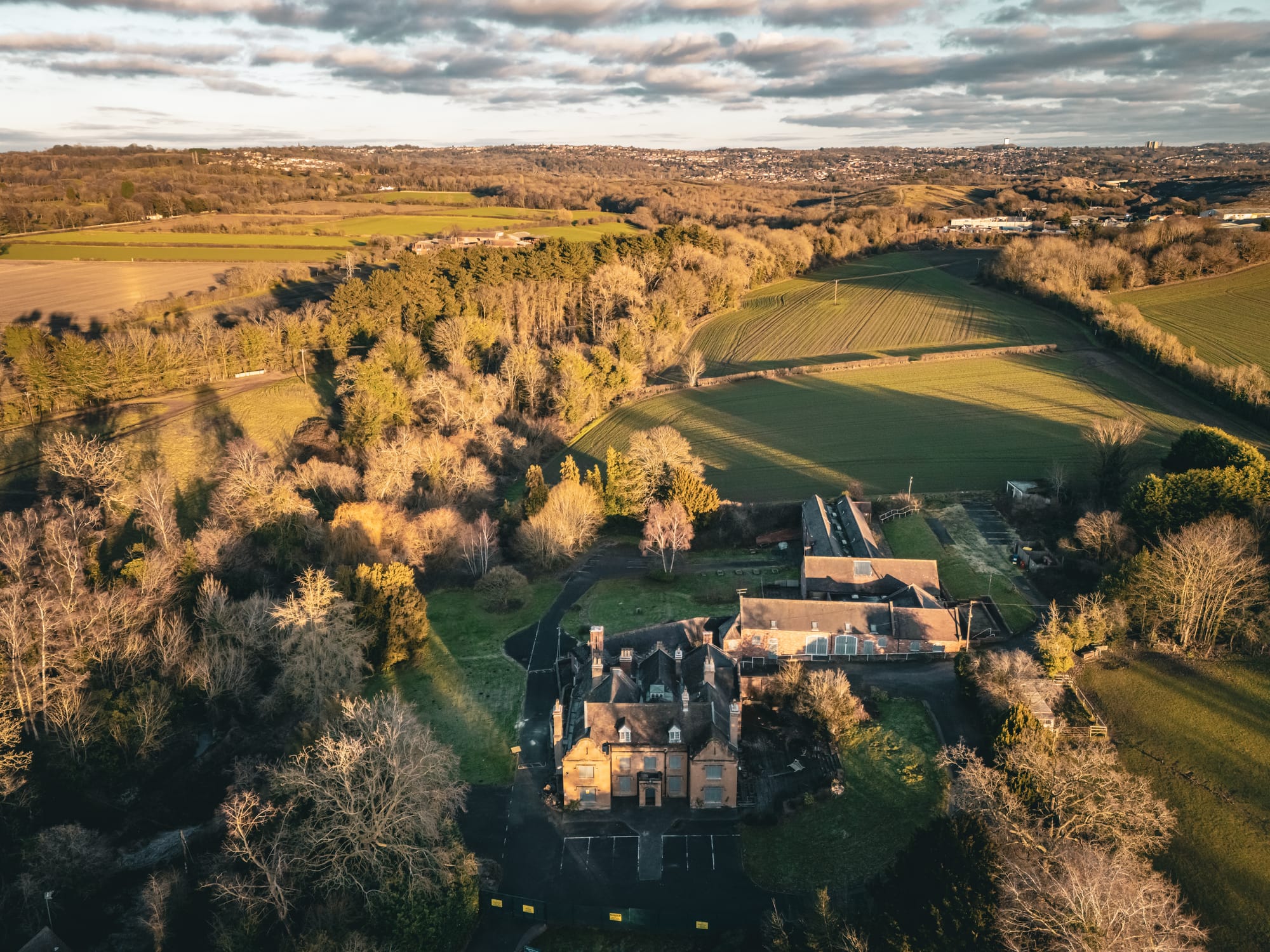
Its final moments happened here, in Staffordshire, at Holbeache House, on the Staffordshire-West Midlands border. And for something so closely tied to one of the most well-known events in English history, it’s remarkable how quietly that fact has been allowed to fade.
As someone who spends a lot of time digging into Staffordshire’s past, I find it absolutely bizarre that it has been so overlooked.
How the Plot Reached Holbeache
By early November 1605, the Gunpowder Plot had already failed. Guy Fawkes had been arrested in London, the plan exposed, and the remaining conspirators were on the run.
Robert Catesby, Thomas Percy, the Wright brothers, and others headed north west, trying to raise support that never really materialised. By the evening of 7 November, they reached Holbeache House, owned by Stephen Lyttelton, who had family connections to some of the group.
They got soaked due to the severe weather, and they were forced to cross the River Stour at Amblecote.
They arrived wet, tired, and short on options.
Inside the house, they made a serious error. Their gunpowder had become wet during their flight, so they spread it out near the fire to dry. Sparks from the hearth ignited the powder, causing an explosion that badly injured several of them, including Catesby.
Contemporary accounts describe scorched faces and burns. One large bag of gunpowder was blasted up through the roof and landed outside in the courtyard. One witness described the explosion as blowing "half the parlour to kindling), the room effectively "burst apart". Robert Catesby was maimed and burned, John Grant was found staggering blindly with a scorched face, and Ambrose Rookwood suffered other injuries.
For men already convinced their cause was lost, it felt like confirmation.
The following day, 8 November 1605, armed men surrounded the house. A force of approximately 200 soldiers and militia led by Richard Walsh, the Sheriff of Worcestershire. Because the house was located in "border country," the group also included men from the Sheriff of Staffordshire's posse.
Only about 11 men remained to defend the house, including Robert Catesby, Thomas Percy, Ambrose Rookwood, Thomas Winter, and the Wright brothers.
The conflict began in earnest around noon when the posse surrounded Holbeche House. Having accepted that their cause was lost, the conspirators resolved to "die as gentlemen" and fight to the end.
A brief but violent confrontation followed. Catesby and Percy were killed by the same musket shot. John and Christopher Wright were also killed. Others were captured and later executed.
The shootout began when a musket shot from the militia shattered the kitchen window. From inside, the plotters returned fire; the first shot from the house tore splinters from the gate where the militia was positioned.
The Wright brothers and Thomas Percy were seen leaning out of upper windows, firing wildly at the sheriff's men. When the militia eventually forced the doors, the interior became a scene of chaos filled with smoke, broken furniture, and the clash of steel.
The most decisive moment occurred in the courtyard. Robert Catesby and Thomas Percy were reportedly struck down by a single musket volley. Catesby died almost instantly while clutching an image of the Virgin Mary, though Percy survived for a few more days before succumbing to his wounds.
The battle ended with four plotters killed and the remaining seven wounded or captured. Thomas Winter was shot in the arm and captured near the stairs, while Ambrose Rookwood was also taken into custody.
The victory was followed by a peculiar post-script: the competing militias from Worcestershire and Staffordshire began squabbling over the prisoners, eventually resulting in a scuffle at a local alehouse over who had made the initial arrests.
As a final act of state justice, the bodies of Catesby and Percy were buried nearby but later exhumed and decapitated. Their severed heads were sent to London to be displayed on poles outside Parliament as a warning to other potential traitors.
This was the real end of the Gunpowder Plot.
Not in Parliament. Not in London. But here, in Staffordshire.
What Survives Today
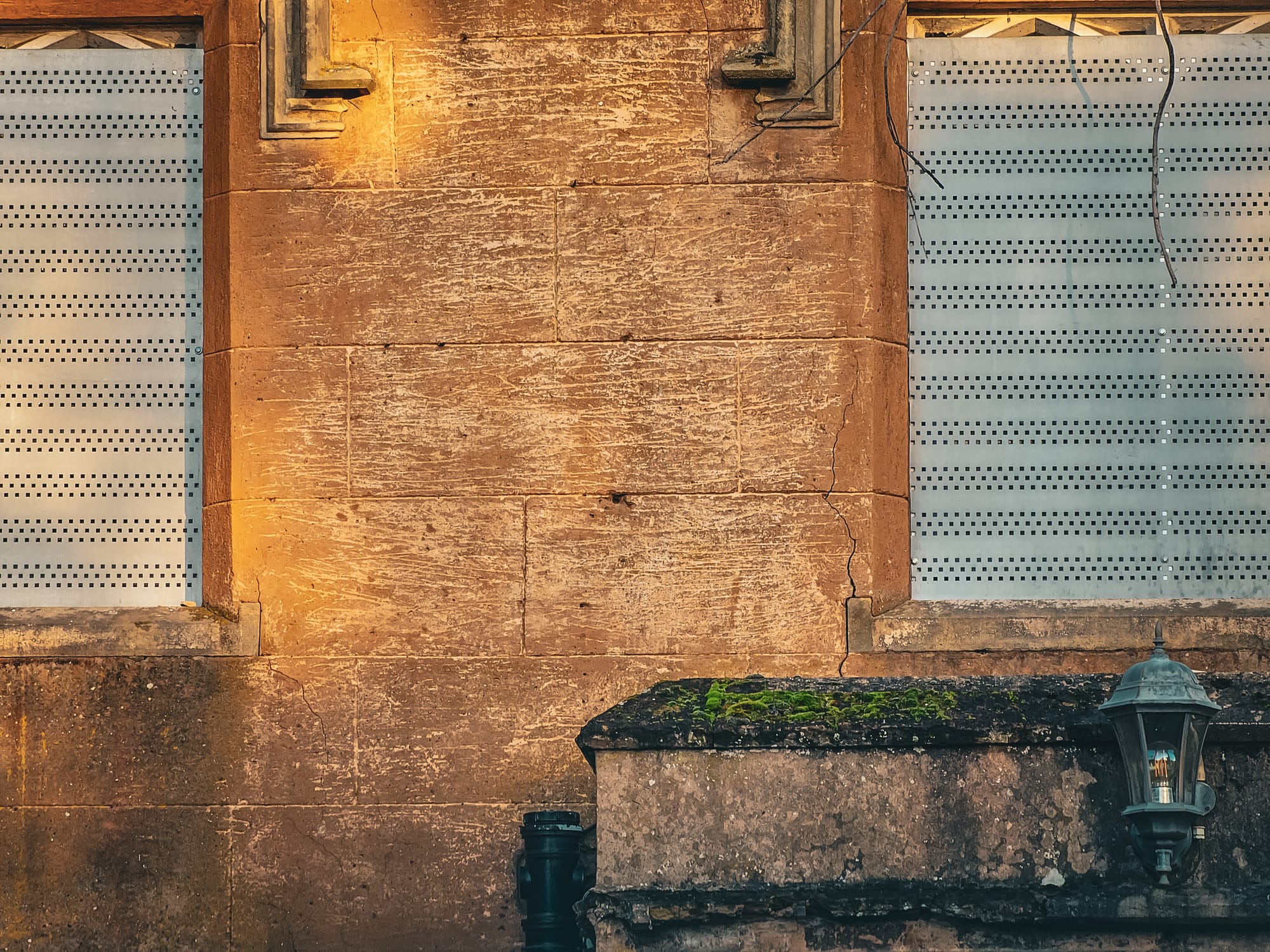
What makes Holbeache particularly important is that traces of those events still survive in the building itself.
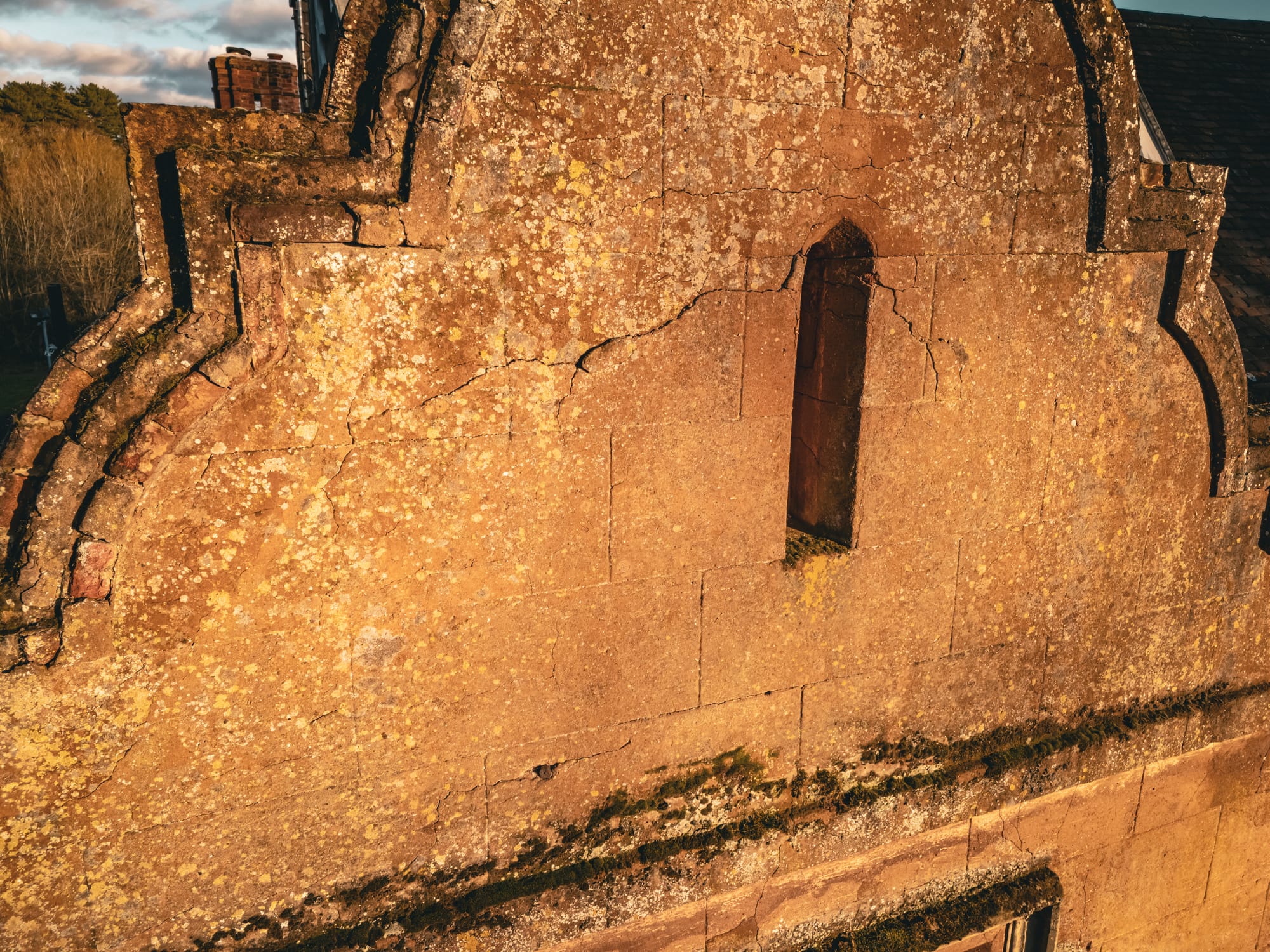
Bullet marks from the siege are still visible in the stonework. Although a significant portion of the original 1600s building was destroyed by an accidental gunpowder explosion the night before the battle, these marks on the walls are among the few original features that remain today
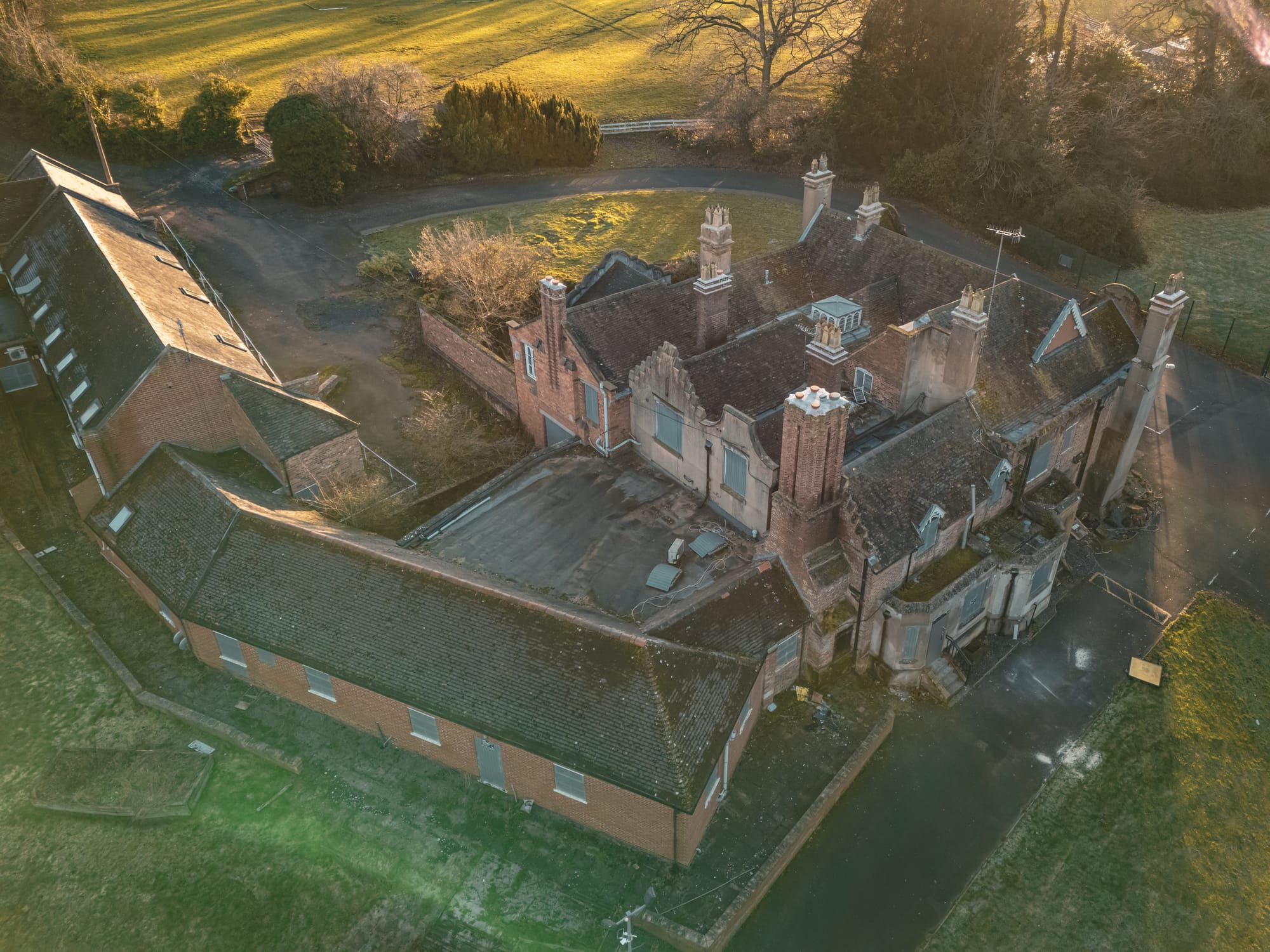
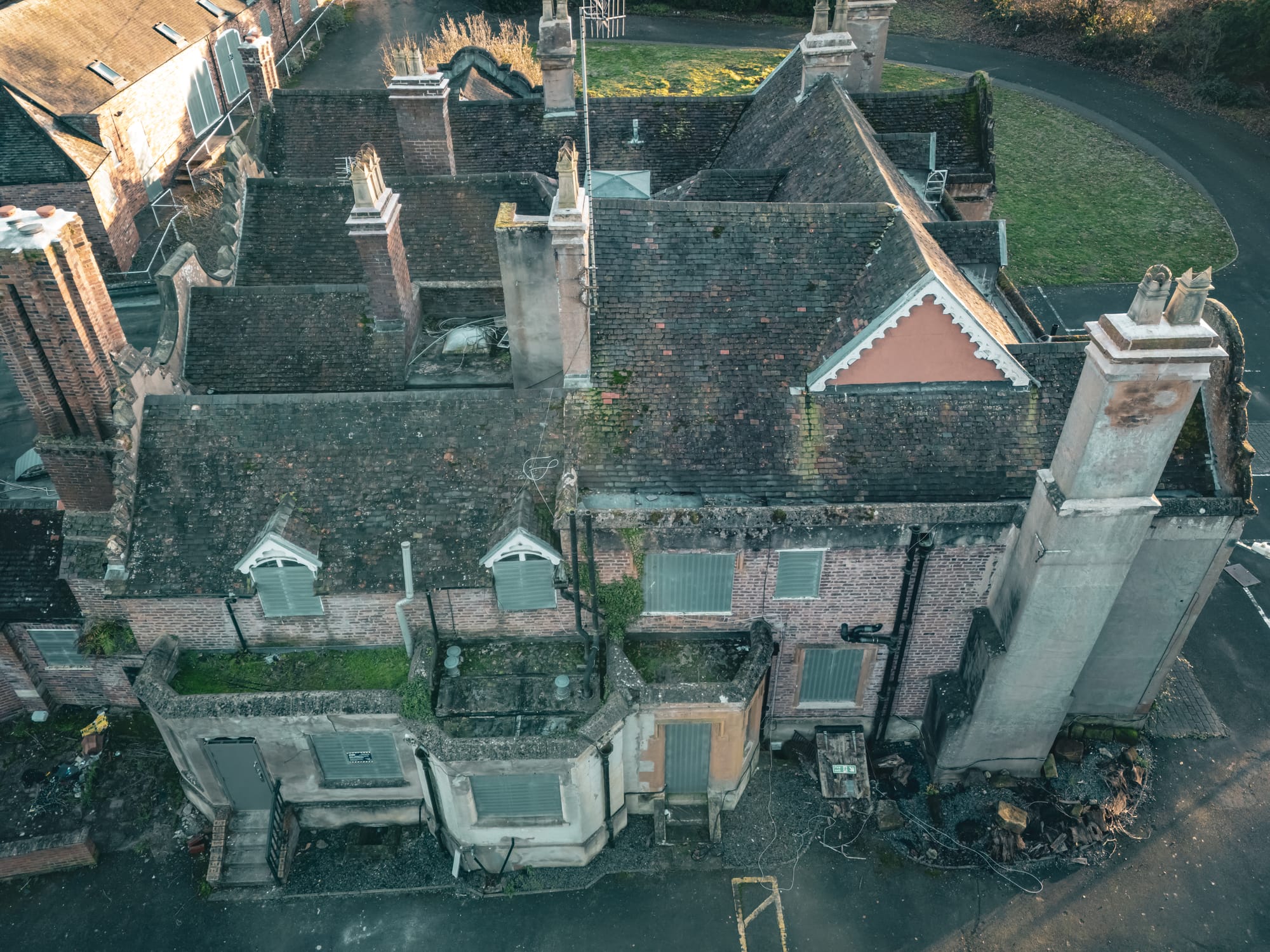
The house itself dates to around 1600 and, like most working houses, it changed over time. The exterior was altered in the early 19th century, and later additions were made. This isn’t unusual. Historic buildings evolve, and that evolution is part of their story.
Inside, some original features survived into the modern era, including wood panelling that would have been present at the time of the siege.
There’s also been a long-standing story about a supposed priest hole within the house. Later investigation showed this feature was actually part of a water storage system, a useful reminder that folklore often fills gaps left when buildings aren’t properly studied or interpreted.
A House With a Long Life
Holbeache House didn’t become a ruin in 1605.
For centuries afterwards, it remained a lived-in house. In the 20th century, it was owned by the Pitt family and later became a nursing home. For many local people, it wasn’t a historic site at all; it was simply somewhere they worked or visited relatives.
It technically is on the border of Staffordshire now, as it is in the Metropolitan Borough of Dudley since the reorganisation of government in the 1970s.
In 1951, Holbeache was listed as a Grade II* building, recognising both its architectural value and its historical importance. At that point, it was still in use, which is often when historic buildings are at their healthiest.
The problems came later, once it fell empty.
From Use to Neglect
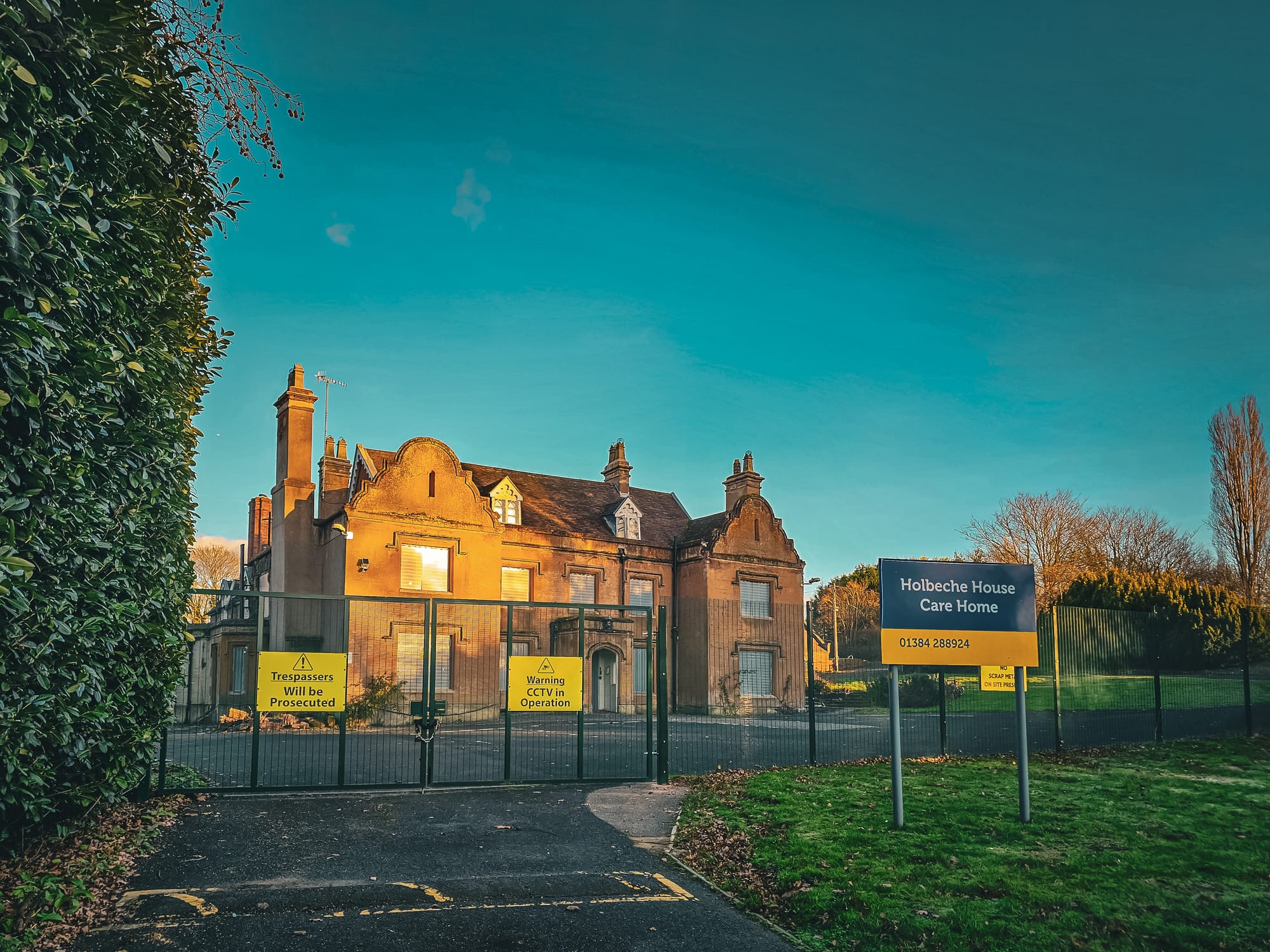
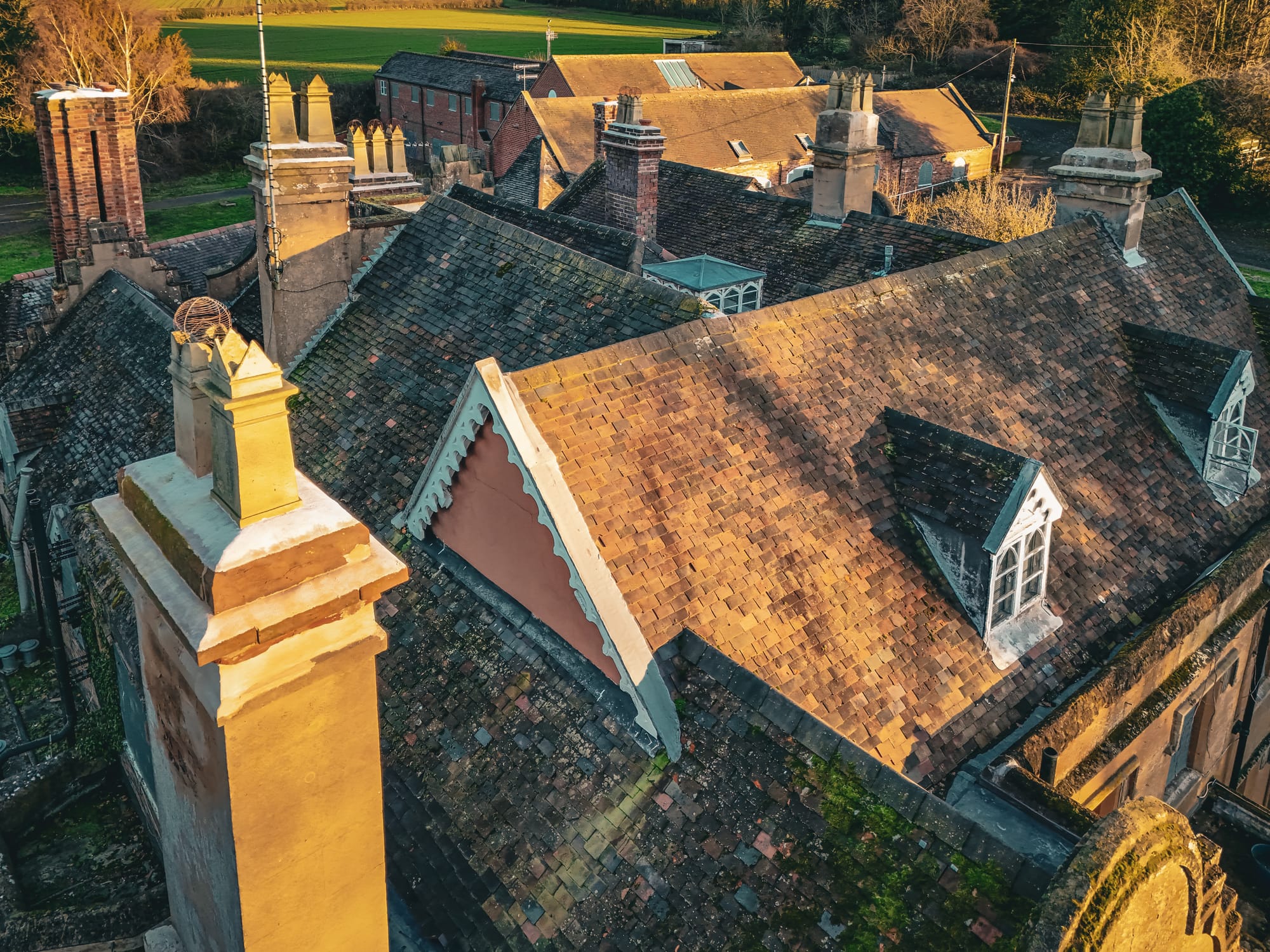
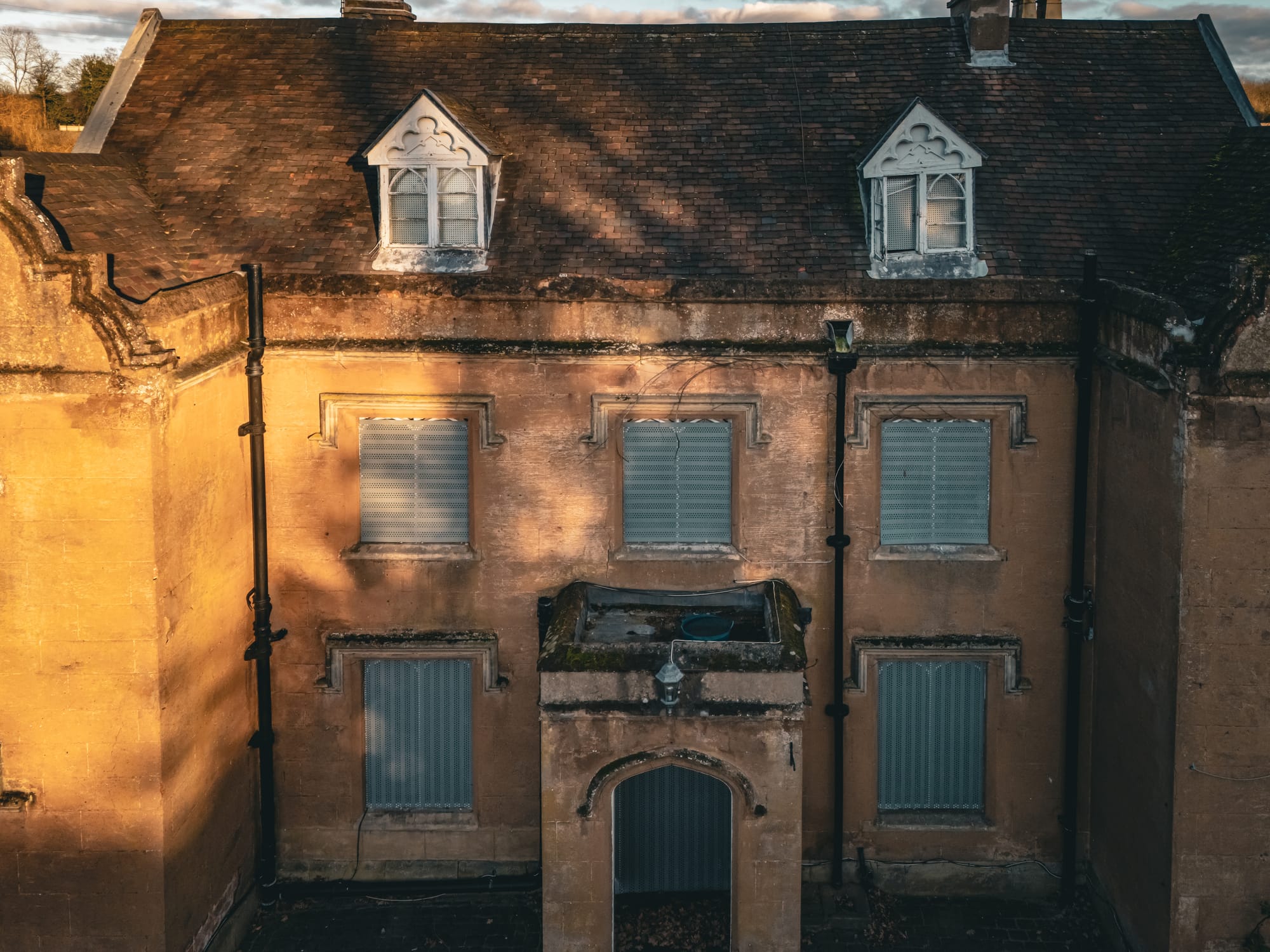
Today, Holbeache House is boarded up and deteriorating. In November 2023, it was added to Historic England’s Heritage at Risk Register, officially acknowledging that its condition has become a serious concern.
Local people have tried to raise awareness. There have been calls for national organisations to step in. But the reality is that buildings like this often fall into a gap, too important to demolish, too complex to reuse, and too expensive for anyone to take responsibility for without support.
A Grade II* listing is meant to protect buildings like Holbeache, but listing alone doesn’t maintain roofs, stop water ingress, or fund repairs.
Why Holbeache Matters
Holbeache House matters not because it’s dramatic, but because it’s real.
This is the place where the Gunpowder Plot ended. Where decisions were made, mistakes happened, shots were fired, and lives were lost. It anchors a national story in a local landscape.
If the building is lost, we don’t just lose bricks and mortar. We lose context. We lose the ability to stand in a place and say, this happened here.
Staffordshire is full of sites like this, places that played a role in national history but are quietly slipping away because they don’t fit neatly into heritage boxes.
Holbeache deserves better than to be remembered only in footnotes.
Once it’s gone, there’s no rebuilding that connection.
And that’s the real loss.
A Personal Call to Action
I want to end this by being open about why I’m writing this.
I would like to research Holbeache House in much greater detail before it is lost. And by that, I don’t mean only lost through collapse or neglect. I also mean lost through change.
Buildings like this often gain a new lease of life through renovation, and that can be a very good thing. But refurbishment can also mean original features are altered, removed, or covered over, sometimes without ever being properly recorded. Once that happens, that layer of history is gone, even if the building itself survives.
Ideally, I would like to identify who currently owns the house and, with permission, carefully record the building in its entirety. Not for clickbait, not for content, but to create a detailed historic record of what survives now, as it exists today.
If you own Holbeache House, know who does, have had access to it in the past, or have any information about its ownership or recent history, I would genuinely love to hear from you. The same goes for anyone with photographs, documents, or personal memories connected to the house.
Local history is very often preserved not by institutions, but by people who care enough to share what they know. This feels like one of those moments.
If you can help in any way, please do get in touch.
Thank you for reading.
If you enjoy this work and would like to help support it, I also share extra photographs, research notes, behind-the-scenes thoughts, and early access to projects over on Patreon. Patreon is my space away from the algorithms, where everything lives in one place, and nothing gets buried.
You can find out more and join me here: https://www.patreon.com/theredhairedstokie
You can also buy me a coffee here.

And find my Amazon Wish List here;


Below is my interactive Staffordshire map, which is now embedded at the end of every post. The map brings together all of the places I have visited, researched, written about, and filmed so far, with links to the stories behind them. It is designed to help you see what is around you, plan your own walks or days out, and explore Staffordshire’s history in a more connected and interactive way.
