

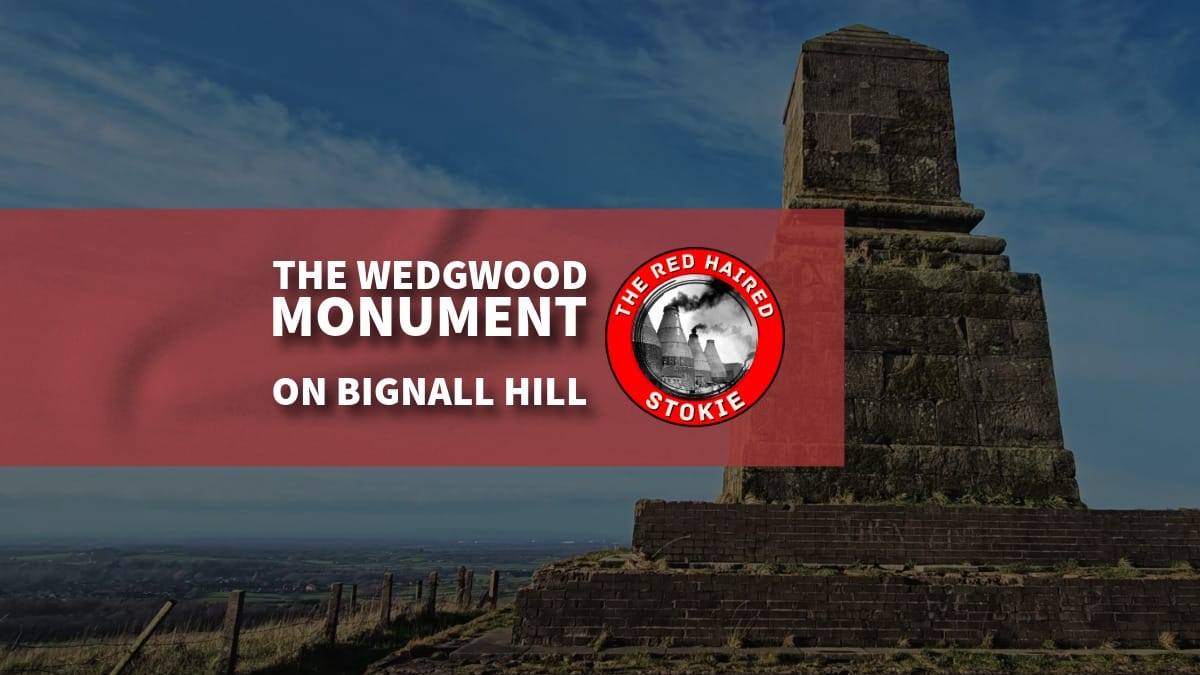
If you’ve ever walked up Bignall Hill, you’ll know the monument. It’s impossible to miss. A huge block of stone sitting right on the highest point, exposed to every bit of weather Staffordshire can throw at it. It looks unfinished. Broken, even. But that’s part of the story.
The Wedgwood Monument was built to commemorate John Wedgwood, a coal owner and landowner whose life was tied completely to this hill and what lay beneath it. This isn’t the Wedgwood most people think of. There’s no pottery here.
Watch the full video on YouTube
Not that Wedgwood
John Wedgwood was born on 11 February 1759. He was baptised at St John’s Church and belonged to what’s known as the Bignall End branch of the Wedgwood family.
That matters, because he is often confused with his cousin John Wedgwood, son of Josiah Wedgwood. Same name. Same family. Completely different lives.
John Wedgwood of Bignall End wasn’t a potter or a designer. His father, John “Long John” Wedgwood, had been a master potter and helped build the family’s early wealth, but this branch of the family went another way. By the late 18th century, their focus had shifted to landownership and coal mining around Audley and Bignall End.
Coal, control, and community
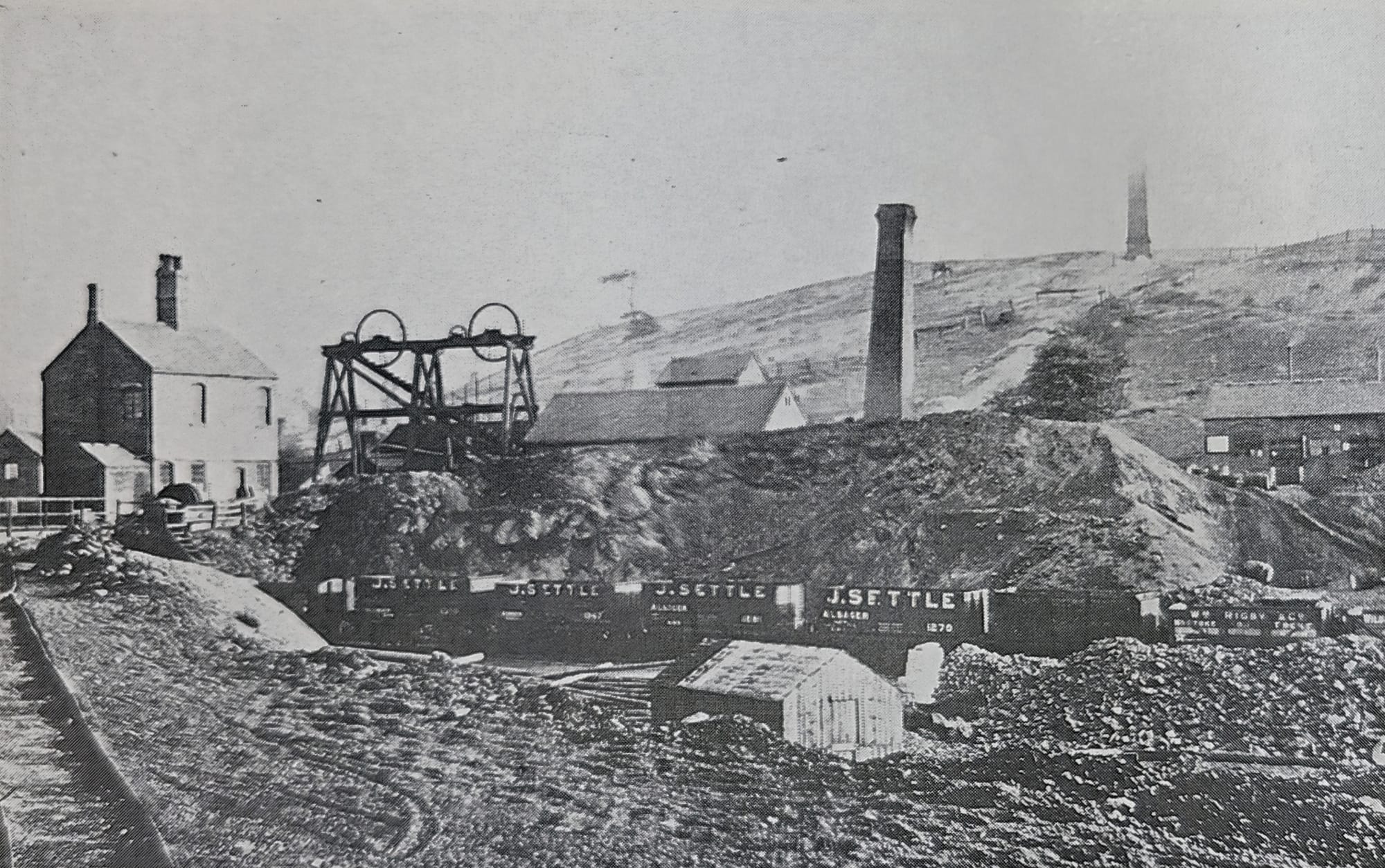
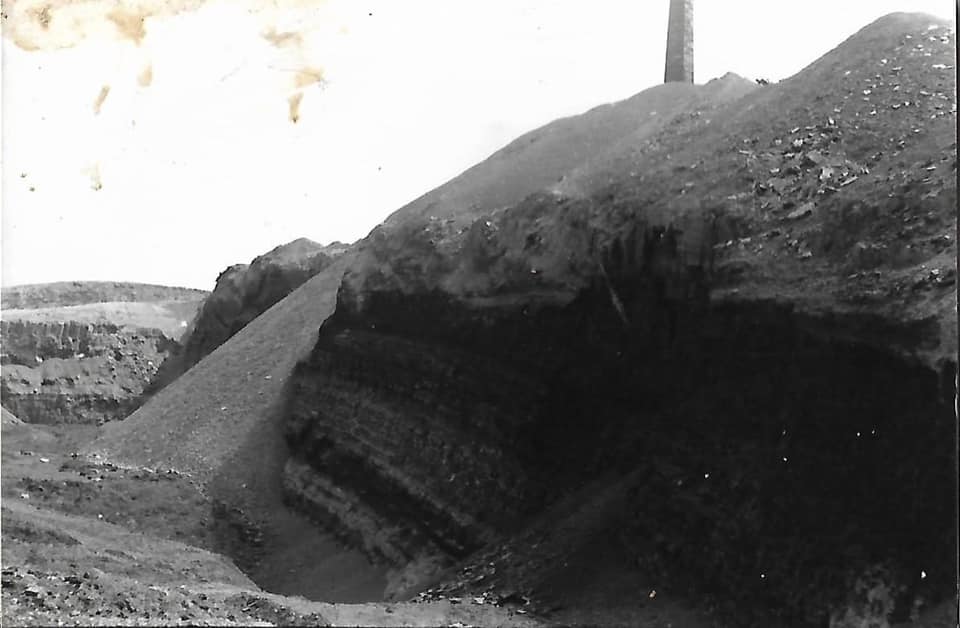
As squire of Bignall End, John Wedgwood owned the land and the coal beneath it. He ran collieries on and around Bignall Hill, working seams like the Bullhurst, which was thick, valuable, and notoriously dangerous.
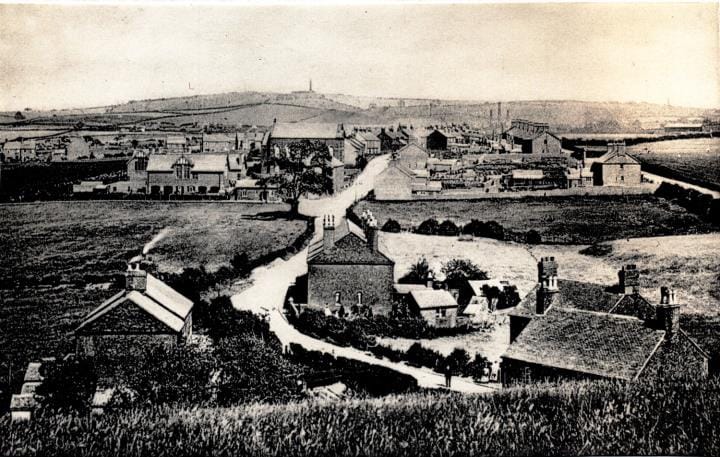
He became a major local employer. The villages around the hill grew because of those pits. Houses, chapels, paths, and tramways all followed the needs of the mines. For better or worse, daily life in the area was shaped by the industry he controlled.
Wedgwood never married. From what we can tell, his life revolved around managing his estate and its mines. When he died in February 1839, his interests passed through the family, notably to his great-nephew Nicholas Price Wood, who carried the mining business forward into the later 19th century.
A will that explains everything
John Wedgwood’s will tells you a lot about the man. He made two very clear requests:
- He wanted to be buried on his own land, at the very top of Old Hill, now known as Bignall Hill, in a vaulted tomb.
- He wanted a large monument built there.
The burial didn’t happen. Church authorities refused permission, and Wedgwood was buried instead at St James the Great Church on 13 February 1839.
But the monument did.
Building the monument
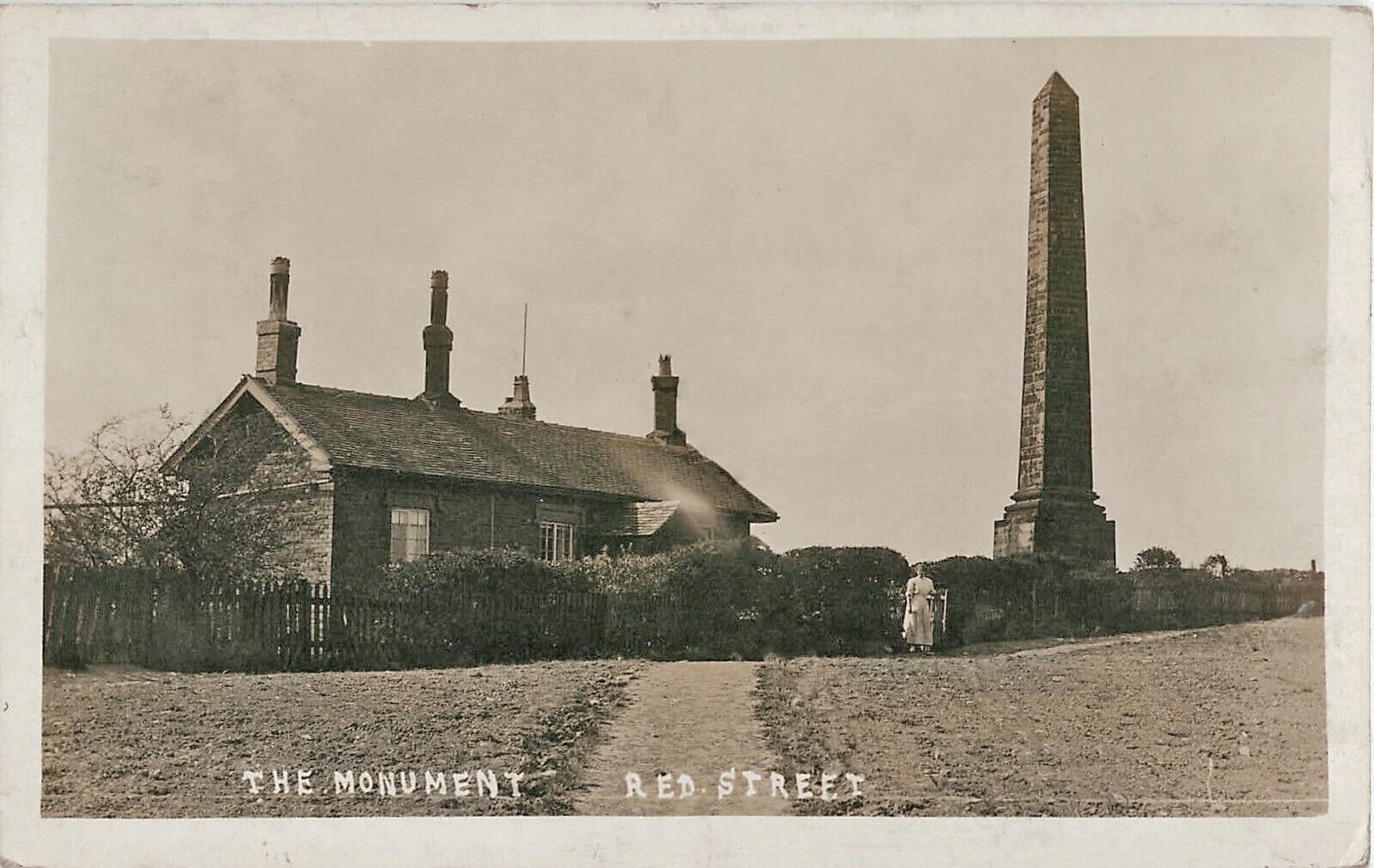
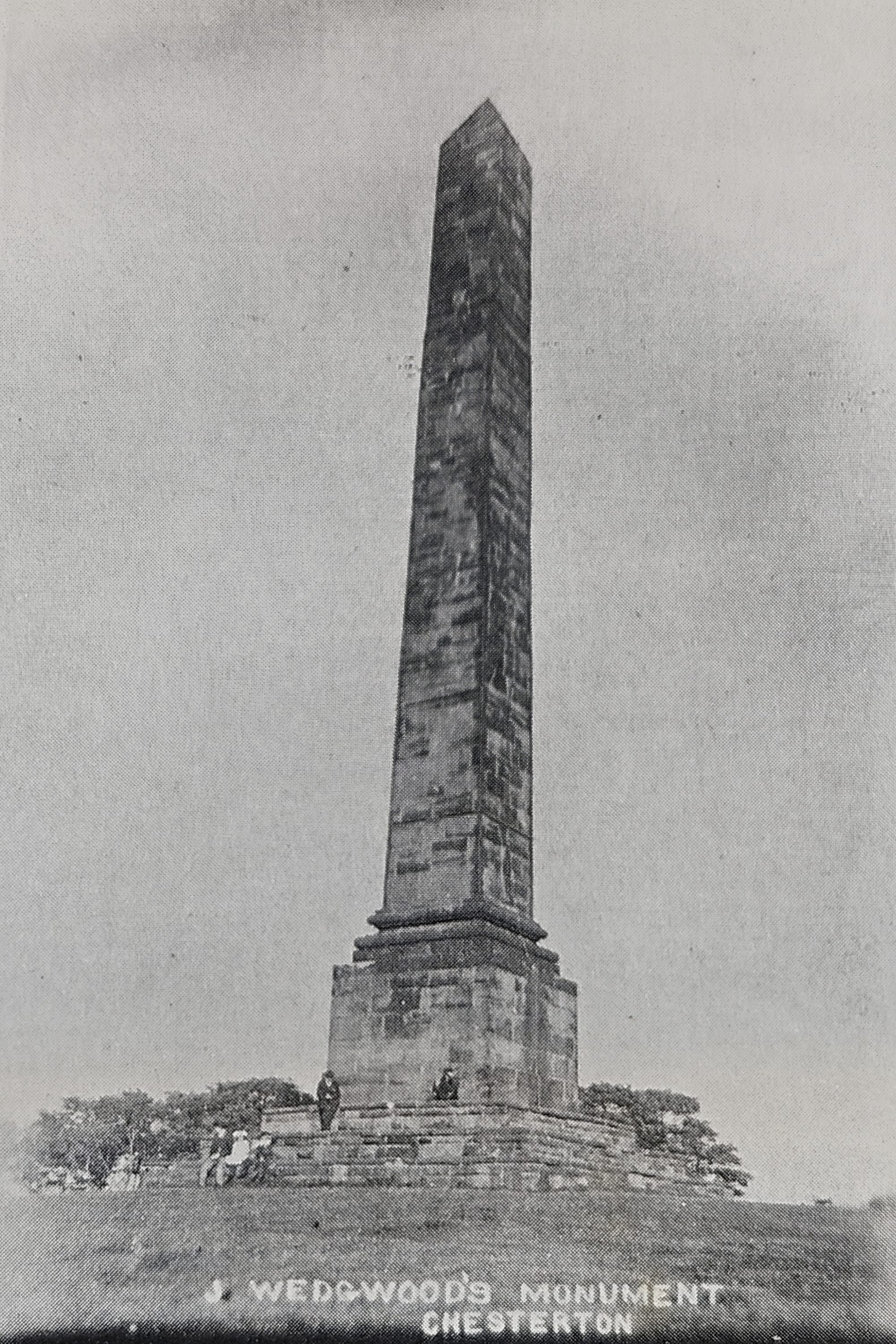
The Wedgwood Monument was designed by Thomas Stanley and completed by 1845. It wasn’t subtle. It was never meant to be.
Originally, it was a huge stone obelisk around 60 feet tall, built from rusticated ashlar stone and set on a massive square base. Placed right at the highest point of the estate, it was meant to be seen from miles away. A statement piece, planted firmly in the landscape.
For more than a century, it did exactly that.
The storm that changed it
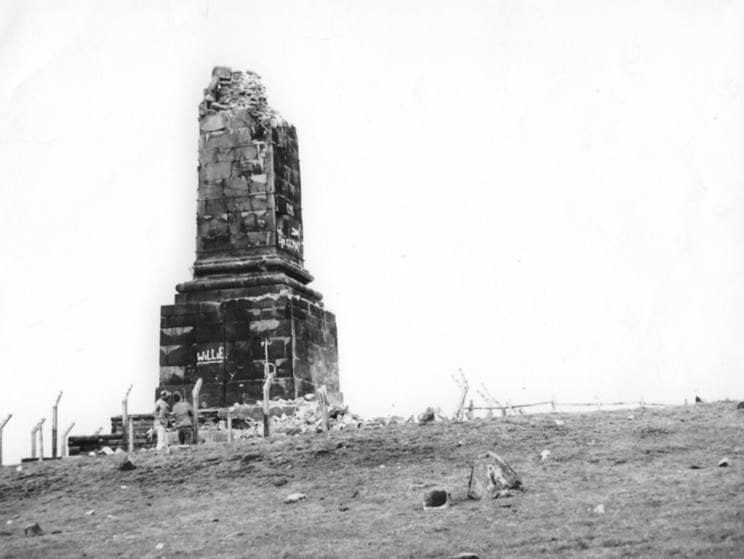
That exposed position came at a cost. In January 1976, a severe storm brought down the top two-thirds of the obelisk. What remained was stabilised rather than rebuilt, leaving the monument as we see it today.
It now stands at around 12 metres high. It’s Grade II listed and offers some of the best views in the area, stretching across the Cheshire Plains and, on clear days, as far as North Wales.

Finding his face
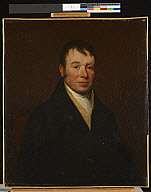
For a long time, John Wedgwood was just a name on a monument. No confirmed portrait was known to survive in Staffordshire, or anywhere else in the UK.
Through my research, I was finally able to find one.
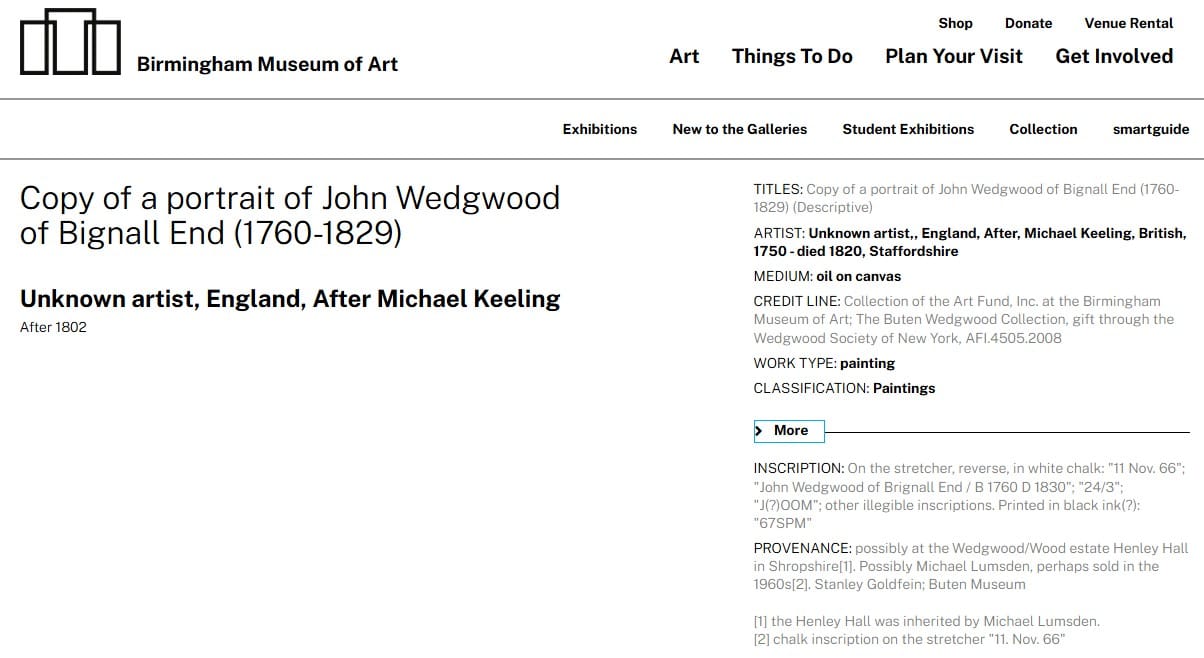
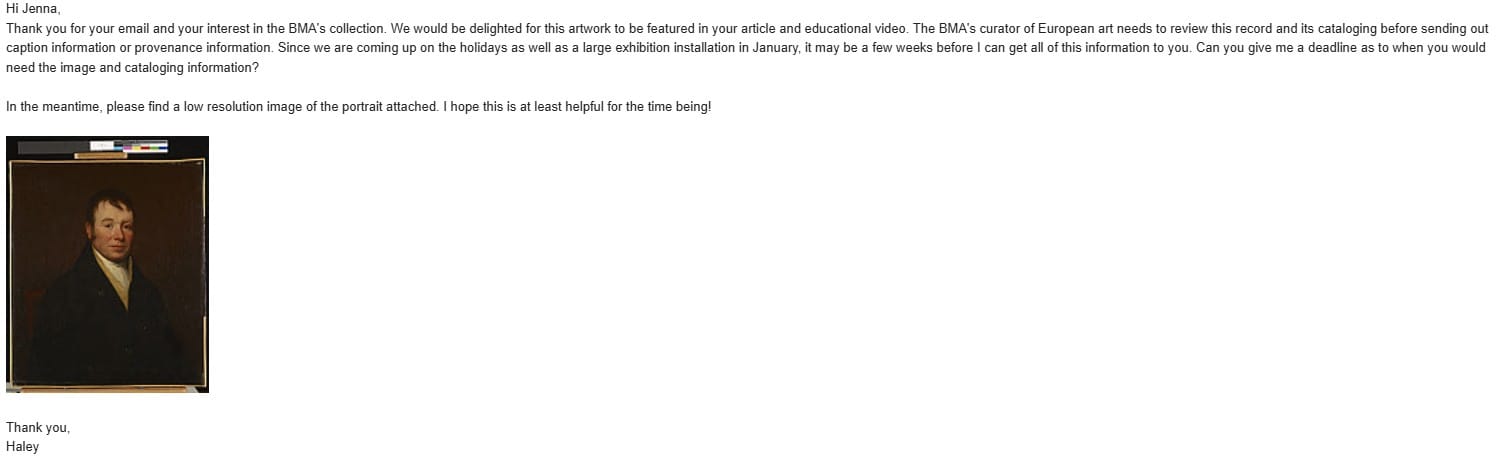
A copy of a portrait of John Wedgwood of Bignall End, after the artist Michael Keeling, is held by the Birmingham Museum of Art in the United States. Not here. Not even in this country.
That discovery genuinely stopped me in my tracks. After years of him being faceless, there he was.
The museum has shared a low-resolution image for now, which has made it possible, for the first time, to put a face to the name carved into stone on Bignall Hill. Full cataloguing details and a high-resolution image are currently under review, and when those are available, I’ll be sharing them properly in a separate post. It deserves that attention.
What the monument really tells us
John Wedgwood’s legacy isn’t neat or polished. It’s complicated, heavy, and tied to an industry that shaped lives and landscapes in ways we’re still dealing with today.
The monument on Bignall Hill is a pretty good reflection of that.
The Wedgwood Monument reminds us that this landscape wasn’t shaped by accident. It was claimed, worked, and altered by people with big ambitions. And whether we like the outcome or not, their mark is still written across the hill.
Thank you for reading/watching.
If you enjoy this work and would like to help support it, I also share extra photographs, research notes, behind-the-scenes thoughts, and early access to projects over on Patreon. Patreon is my space away from the algorithms, where everything lives in one place, and nothing gets buried.
You can find out more and join me here: https://www.patreon.com/theredhairedstokie
Below is my interactive Staffordshire map, which is now embedded at the end of every post. The map brings together all of the places I have visited, researched, written about, and filmed so far, with links to the stories behind them. It is designed to help you see what is around you, plan your own walks or days out, and explore Staffordshire’s history in a more connected and interactive way.
