Beneath Victoria Hall, the old cells hiding under one of Hanley’s grandest buildings
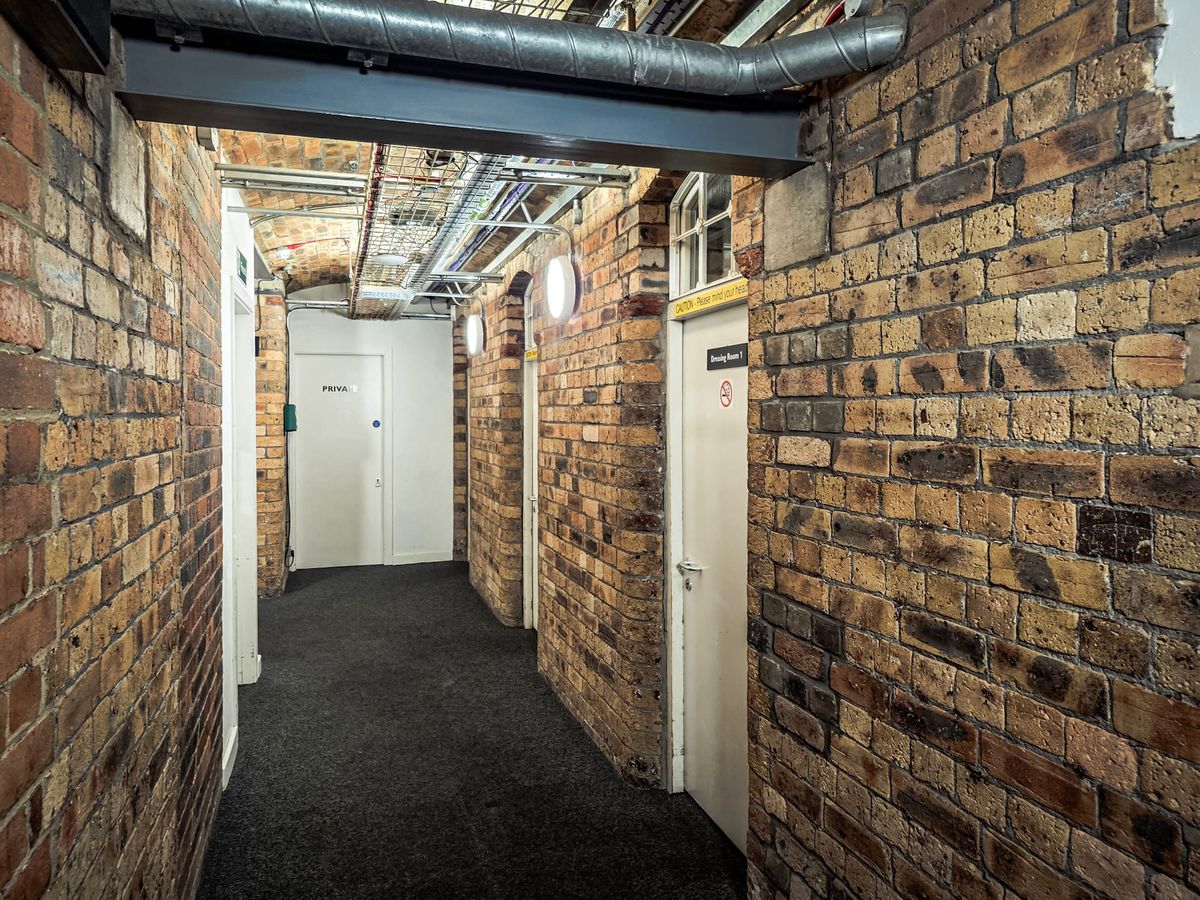
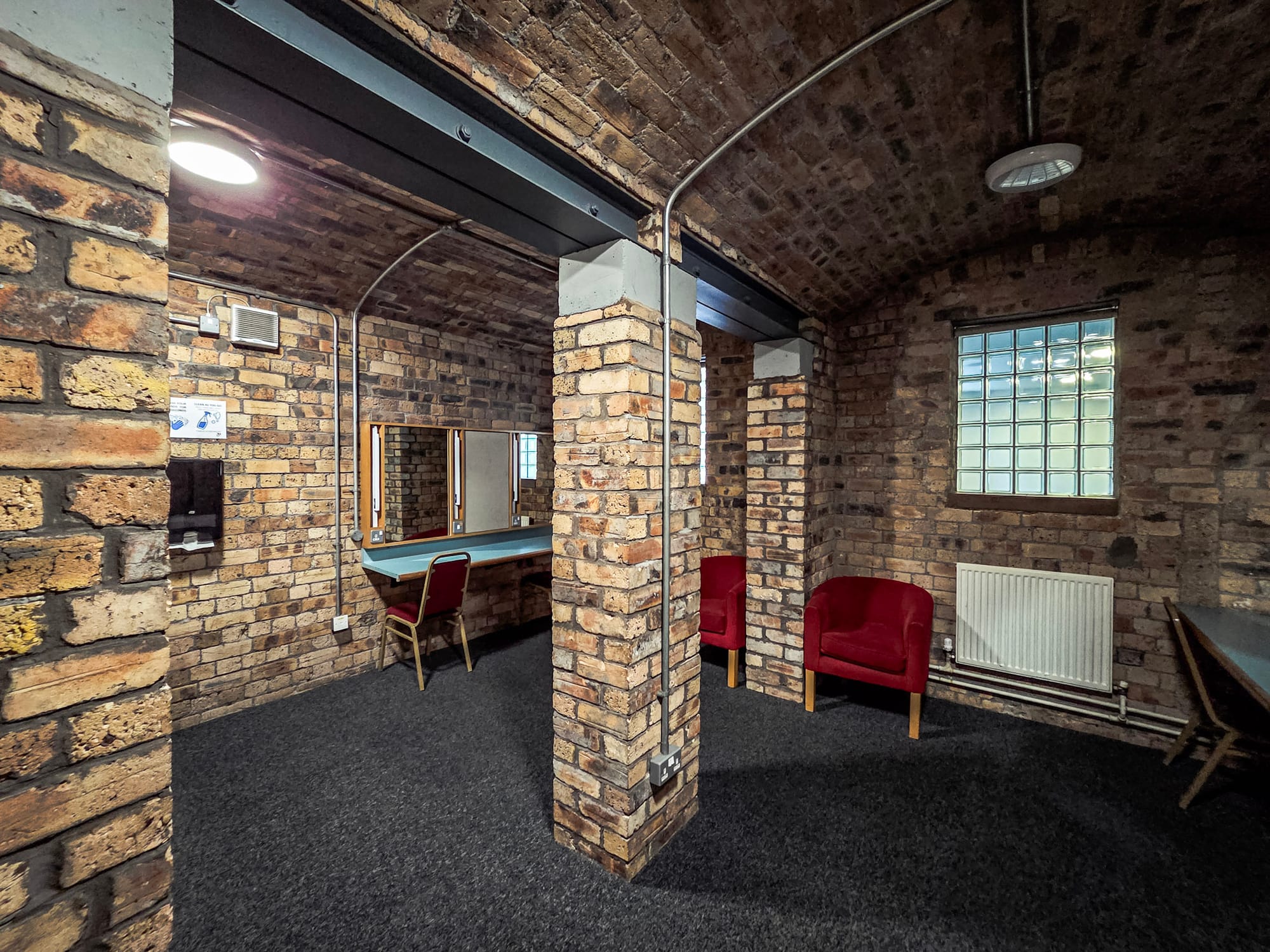
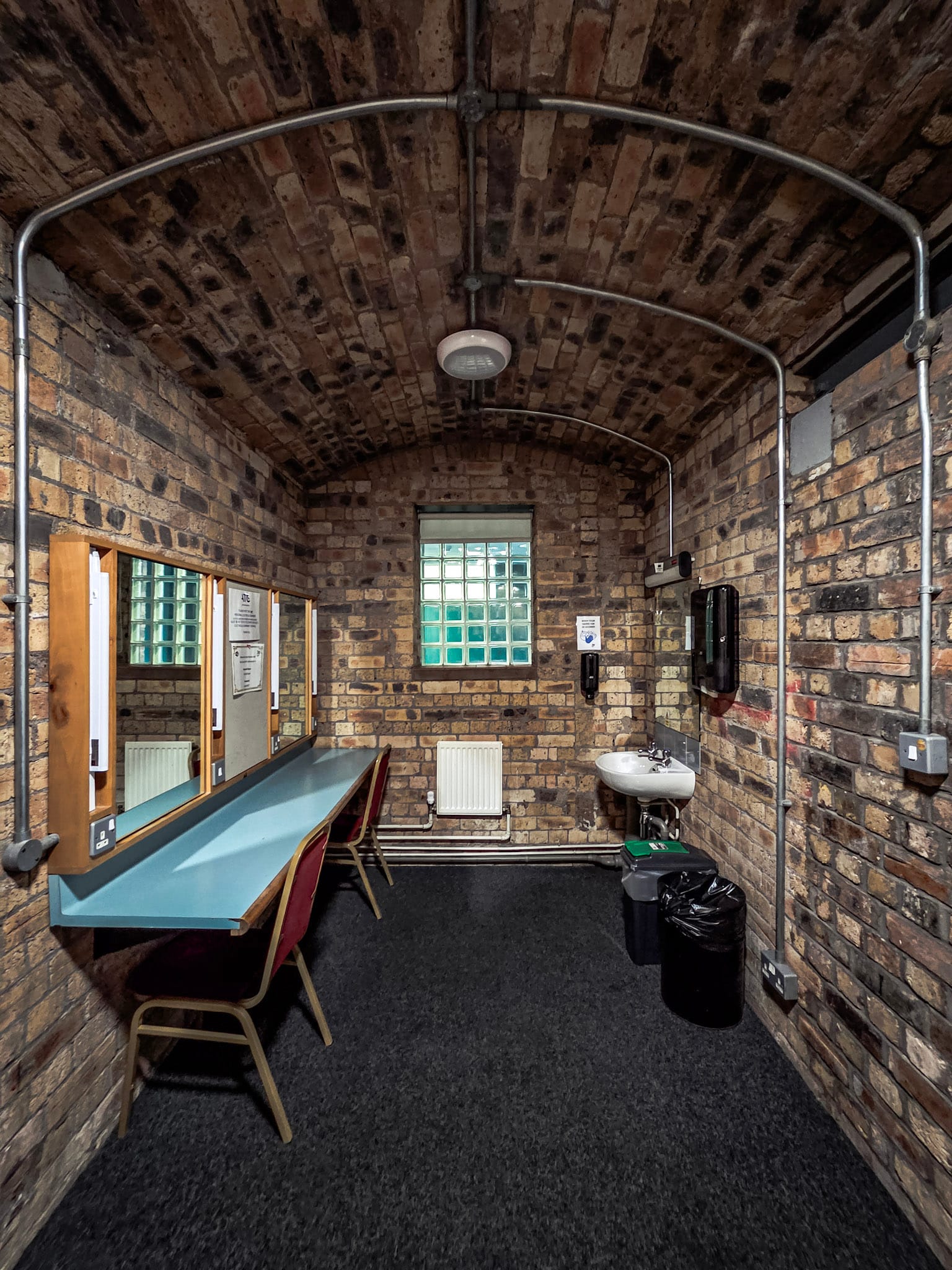
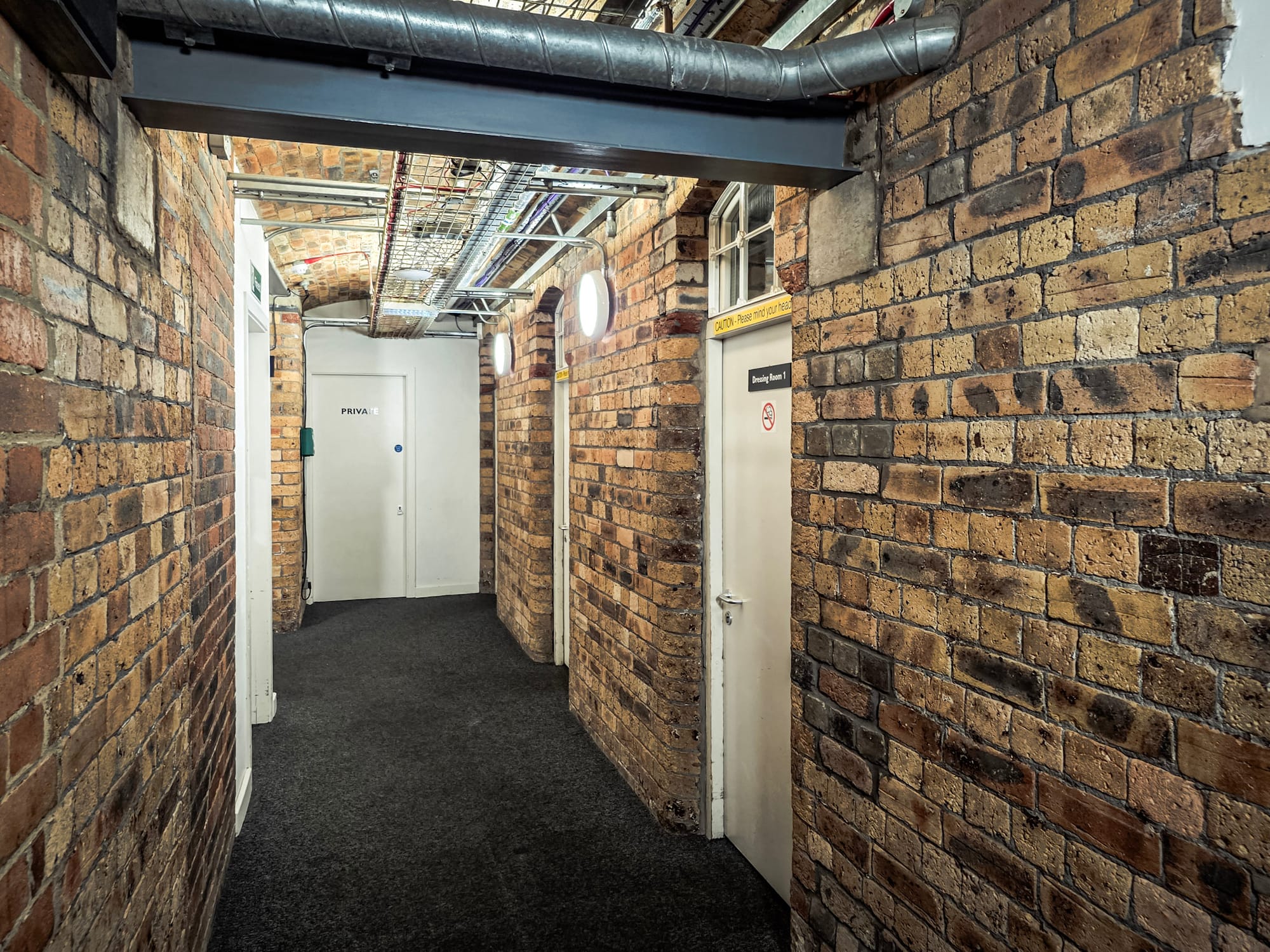
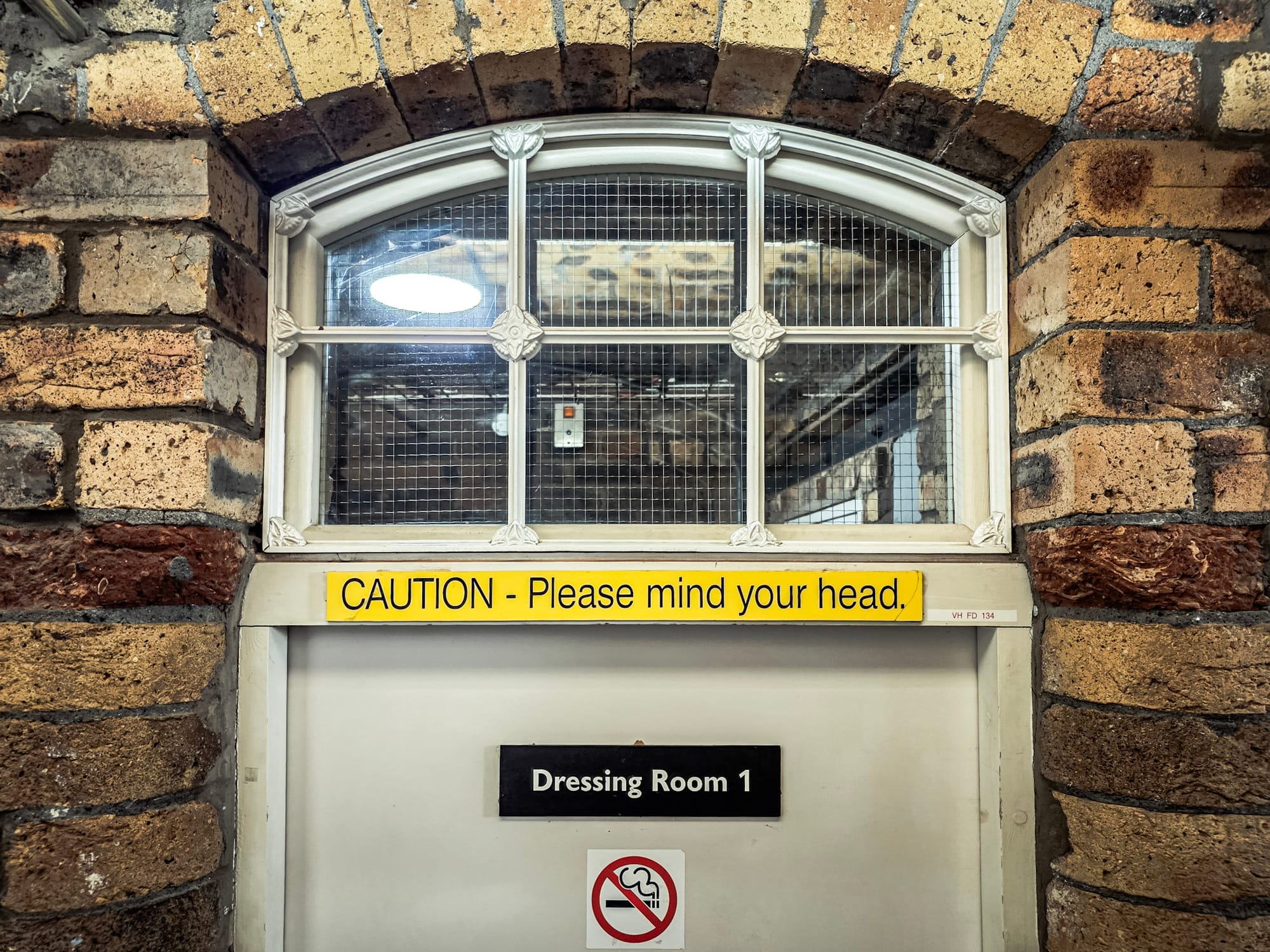
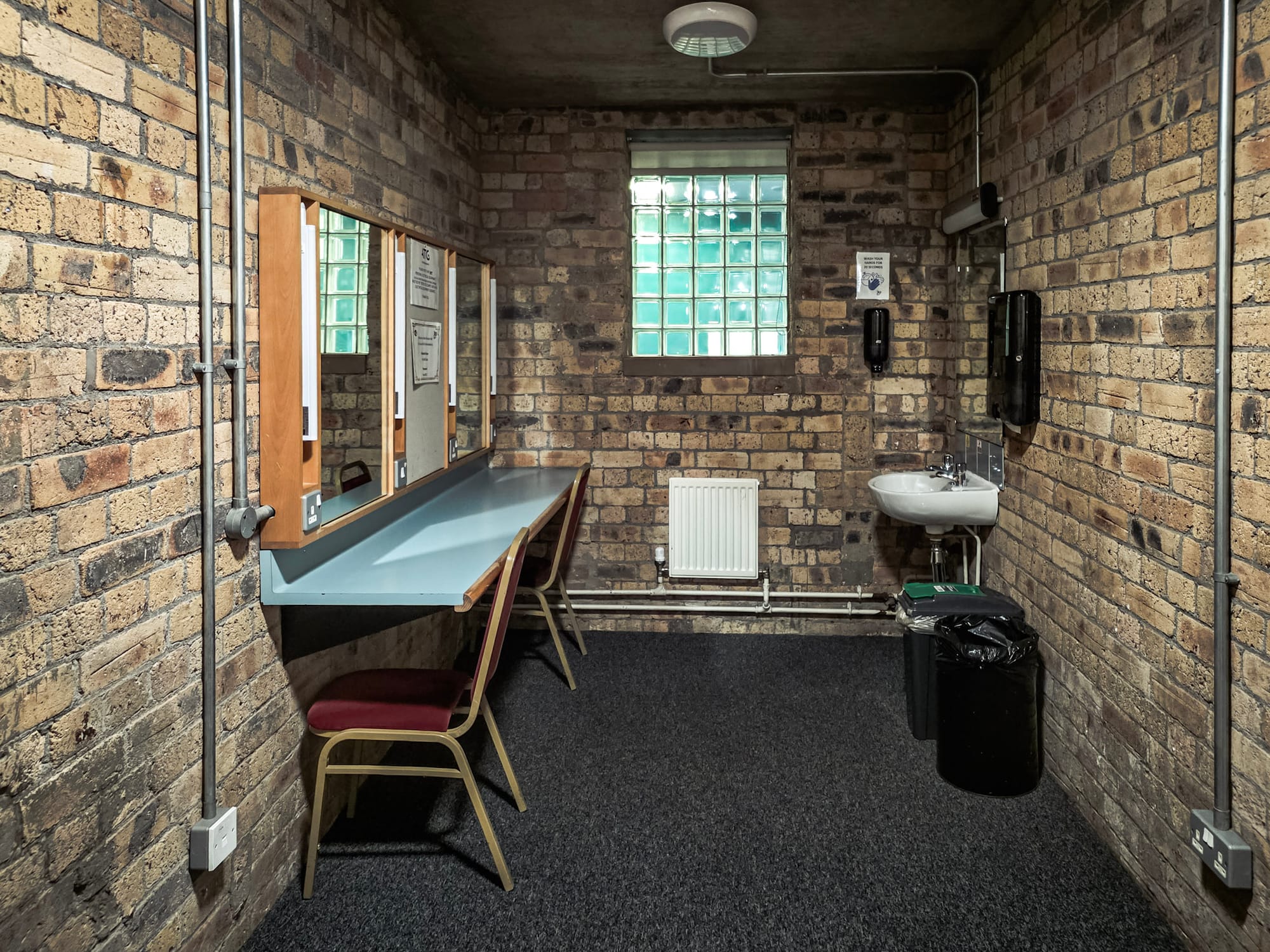
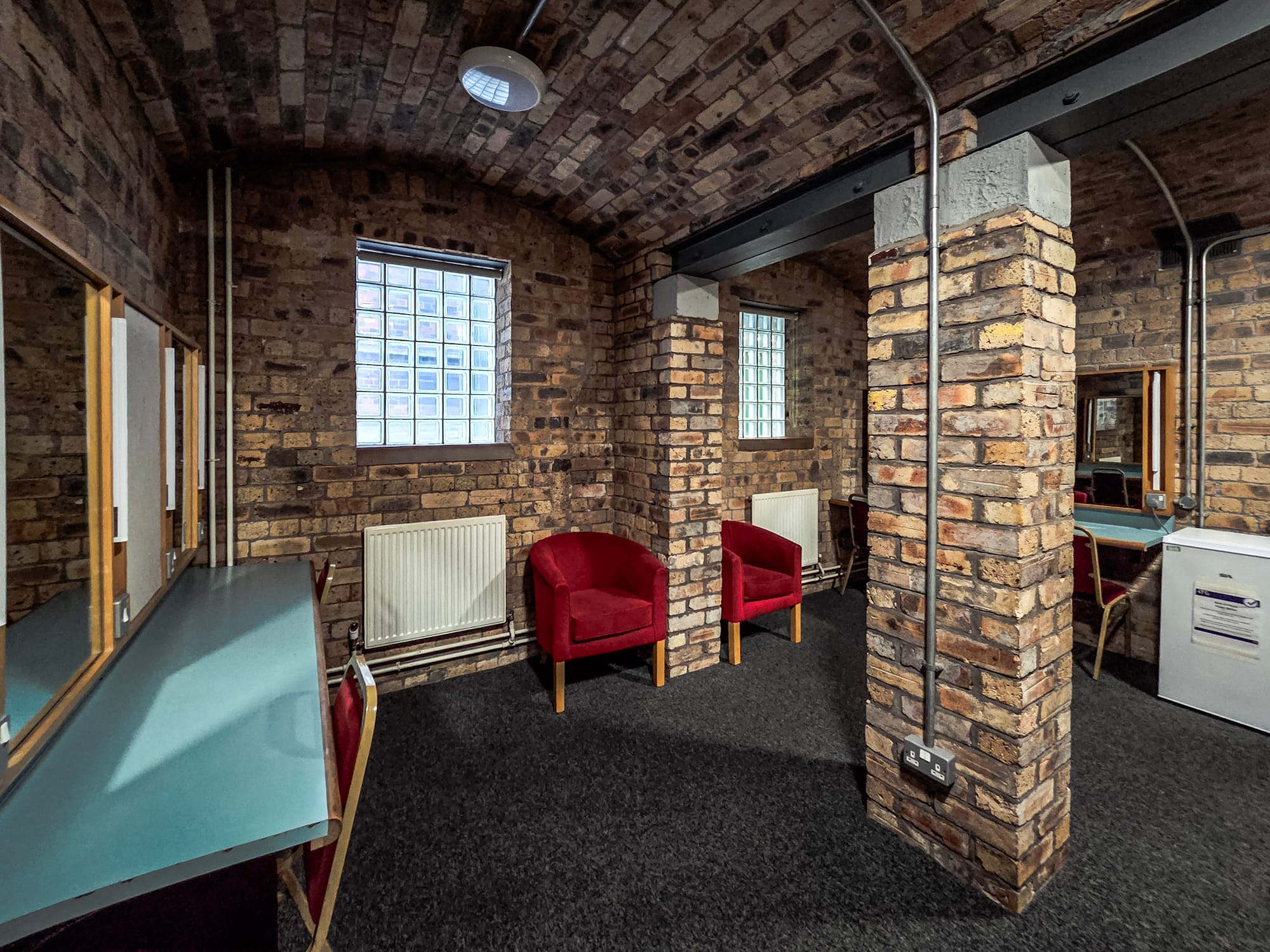
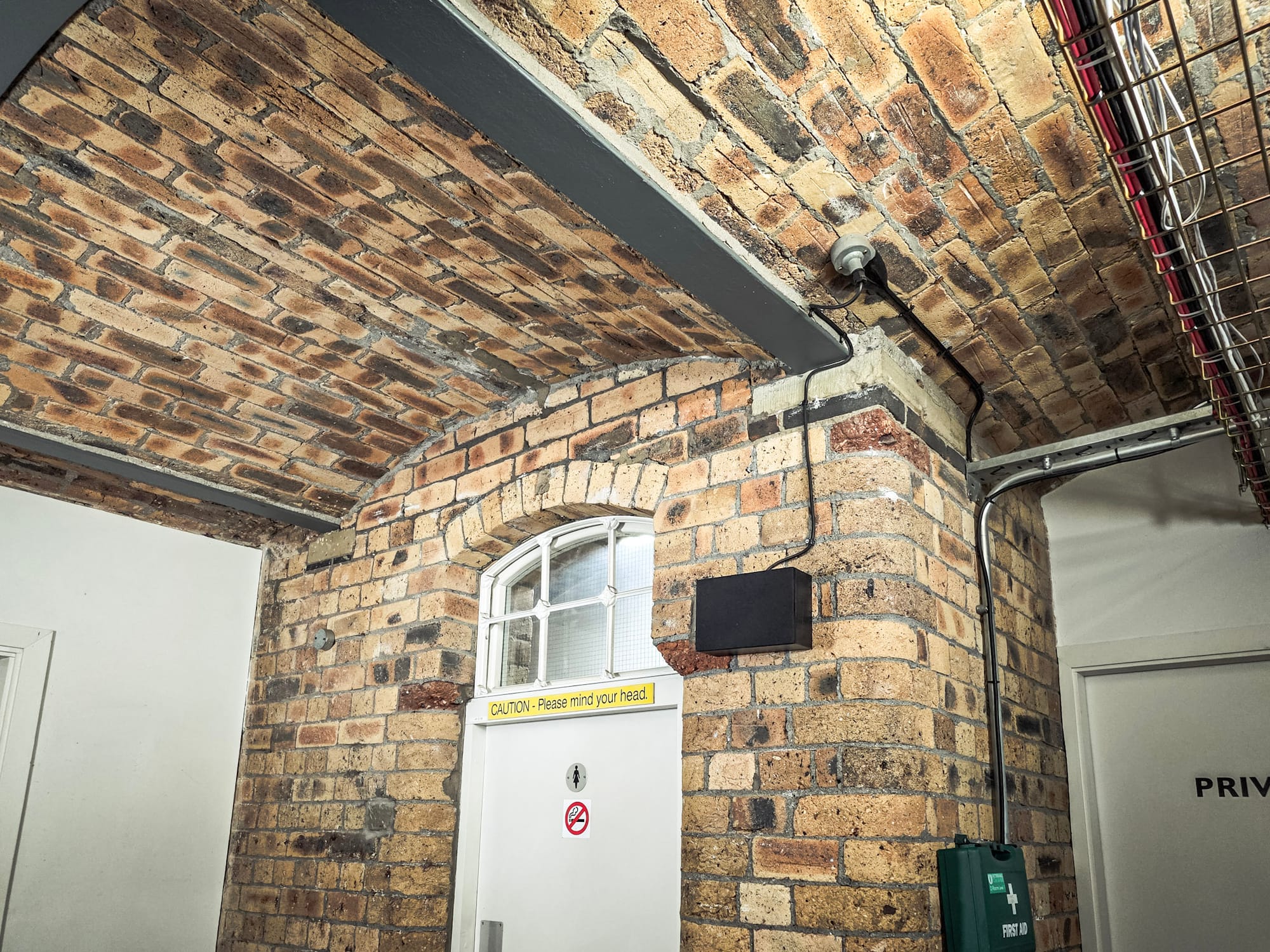
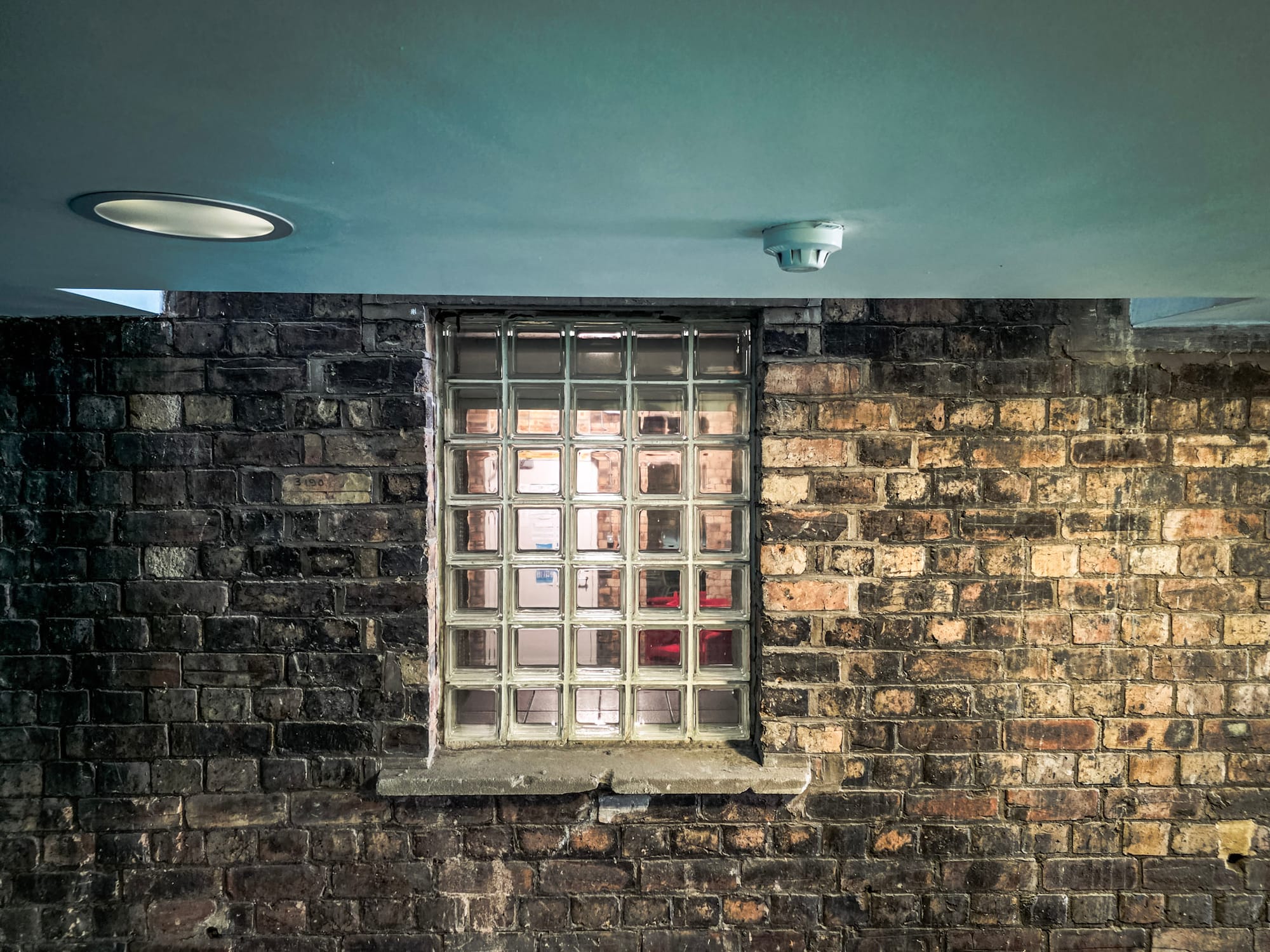
Beneath Victoria Hall lies one of Hanley’s most unusual surviving historic spaces, old holding cells once linked to the civic and judicial life of the Town Hall complex, now cleverly reused as dressing rooms.

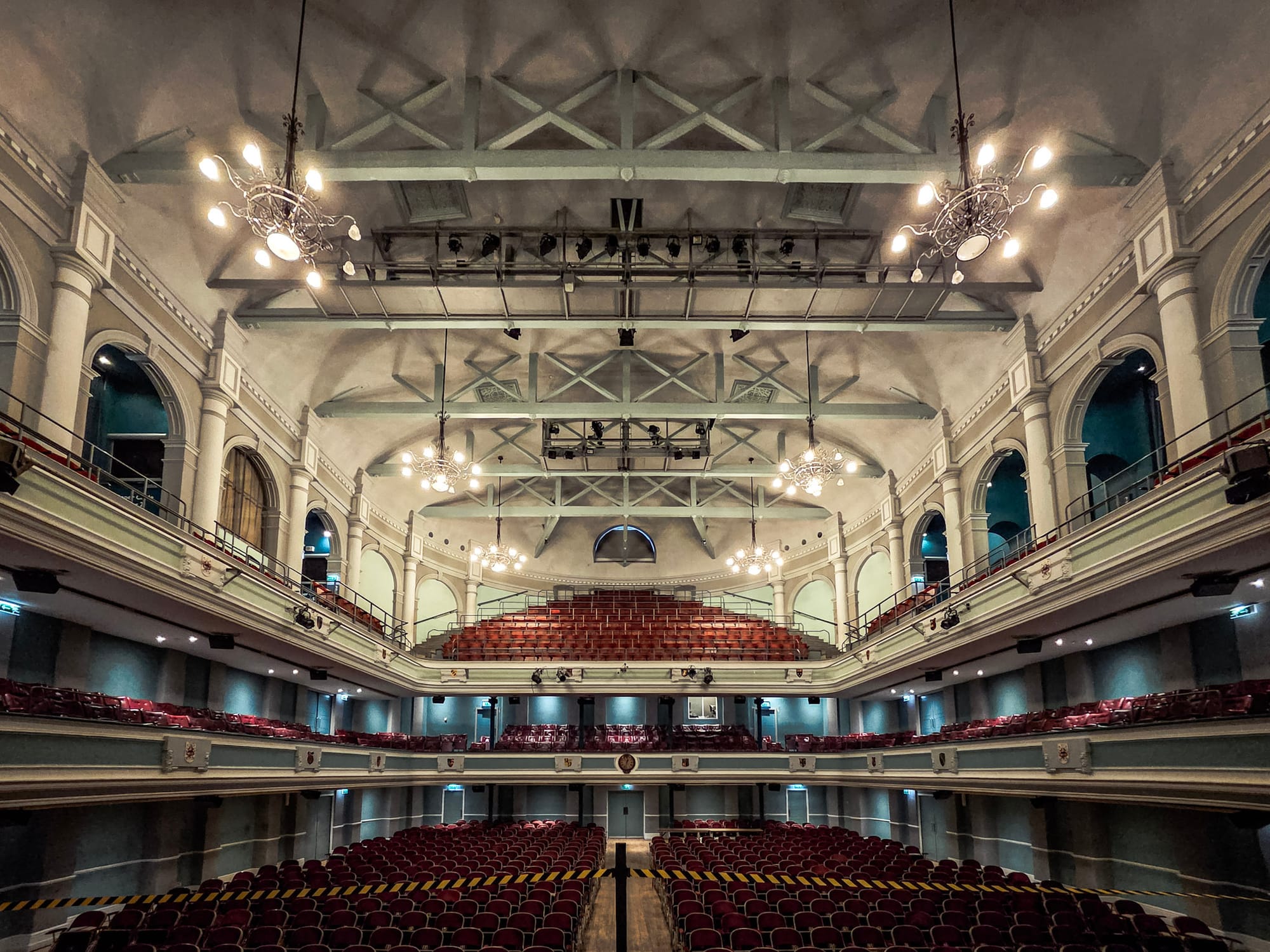
Today I was at Victoria Hall for a meeting about The Staffordshire Signal and, as usual, I couldn’t resist a little explore.
If you know me at all, you’ll know that once I hear the words there’s something historical in the basement, that’s it, I’m gone.
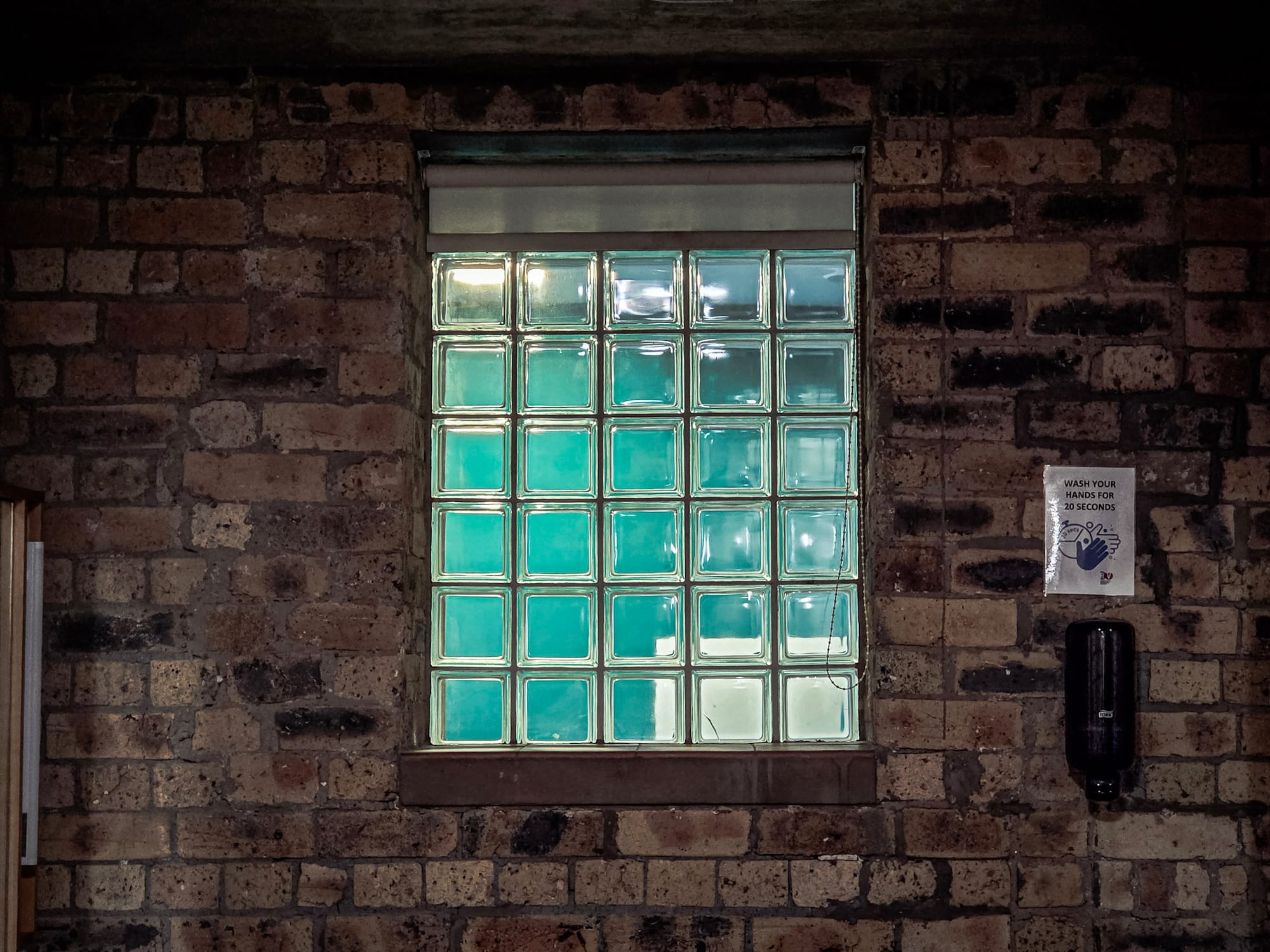
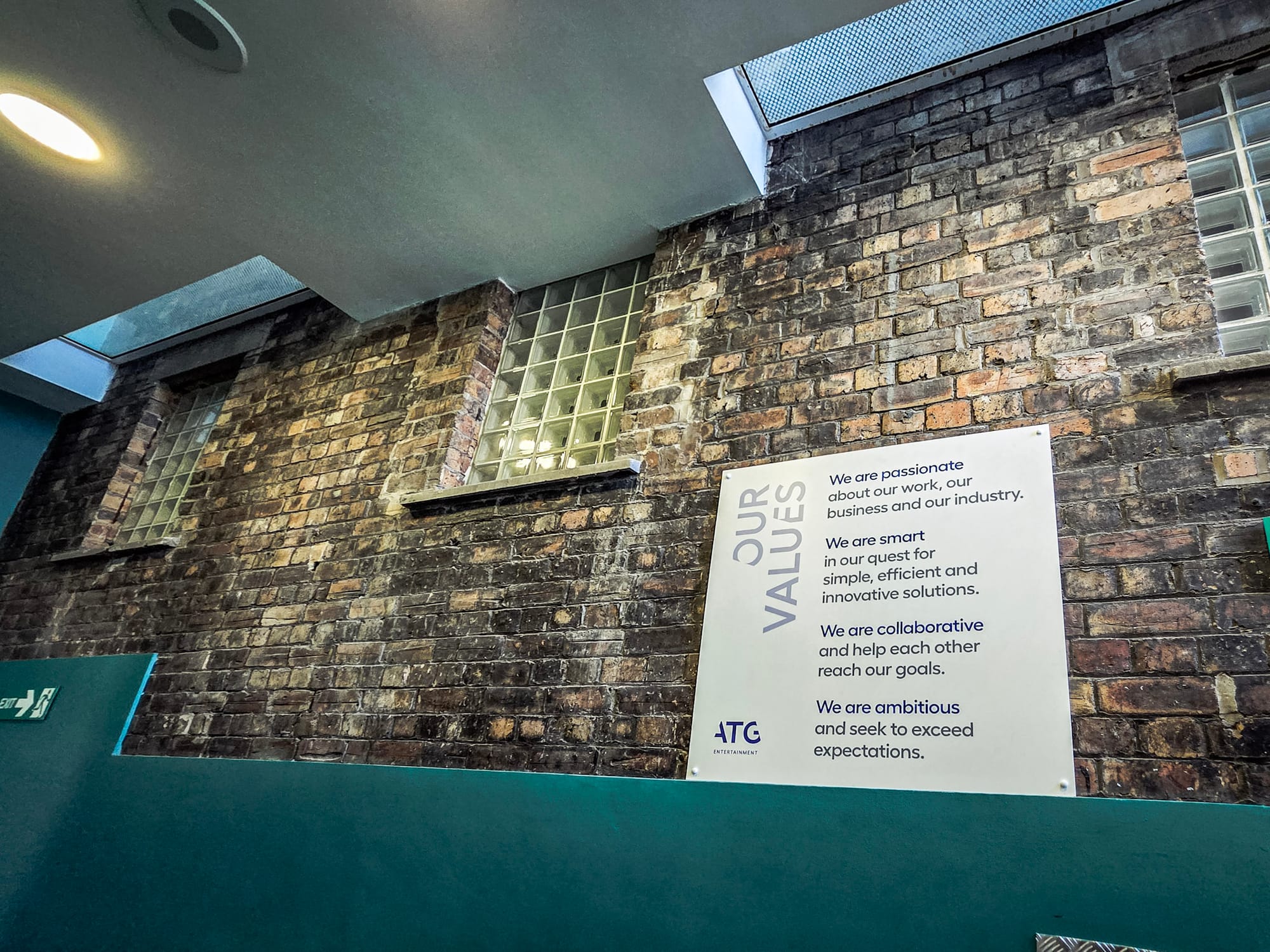
I already knew there were old cells down below, tucked away beneath this grand civic building, and I was very kindly allowed to go down and have a look and take some photographs to share with you all. These days, they are used as dressing rooms, which I actually think is a brilliant use of the space. It keeps that bit of history alive rather than hiding it away, and there is something wonderfully quirky about performers getting ready in what were once holding cells.
It is one of those strange little reminders that our historic buildings have lived many lives.
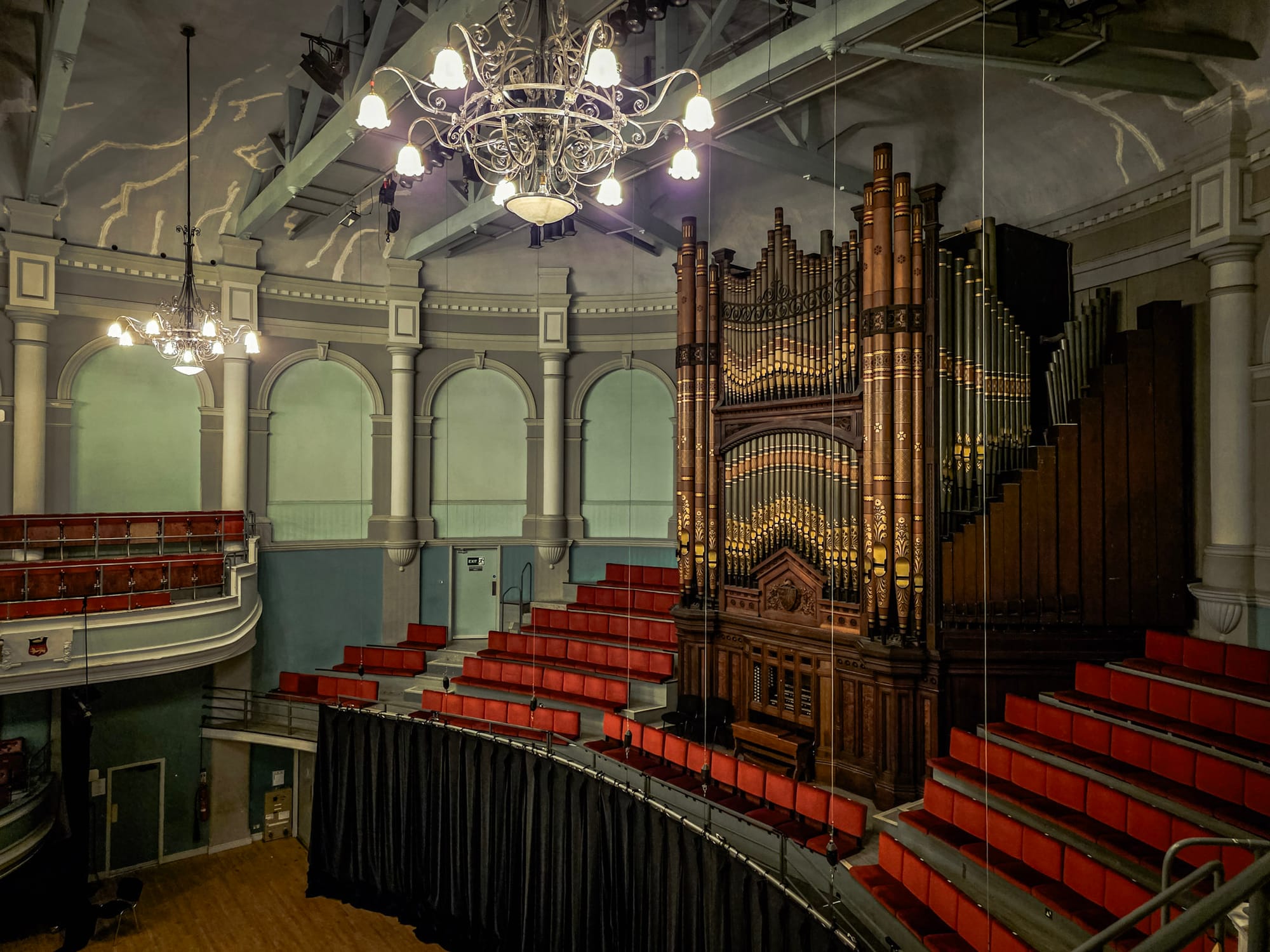
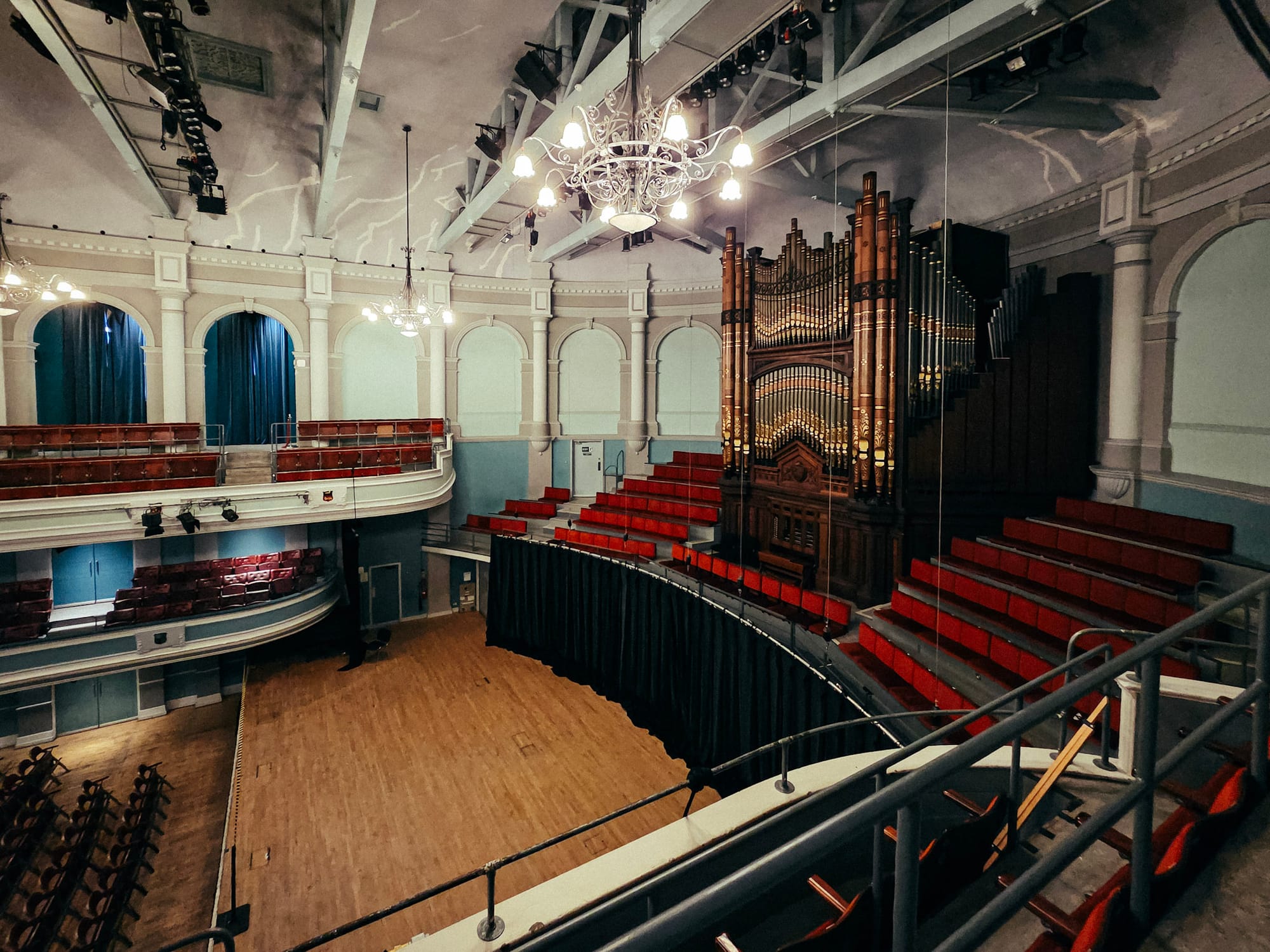
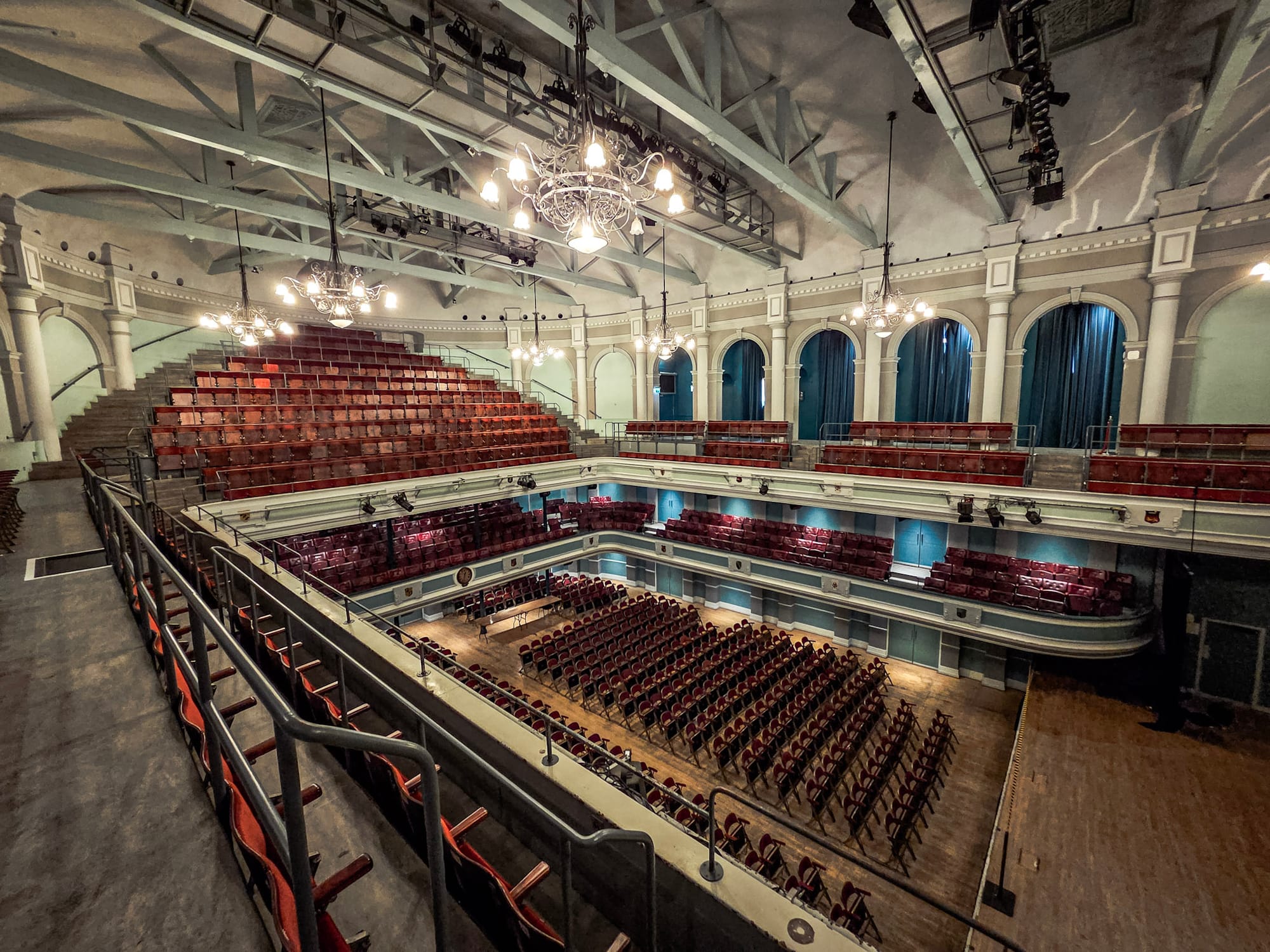
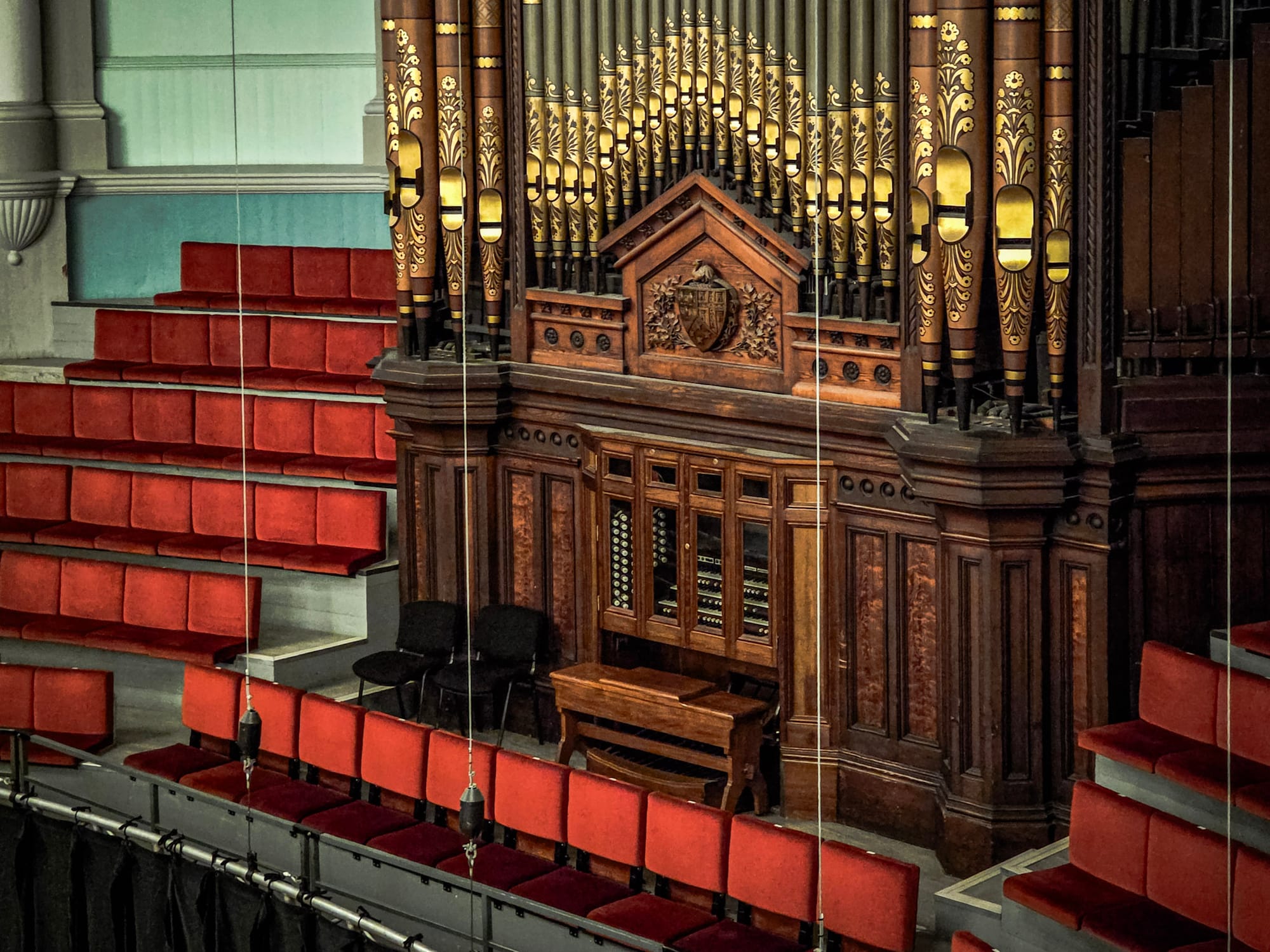
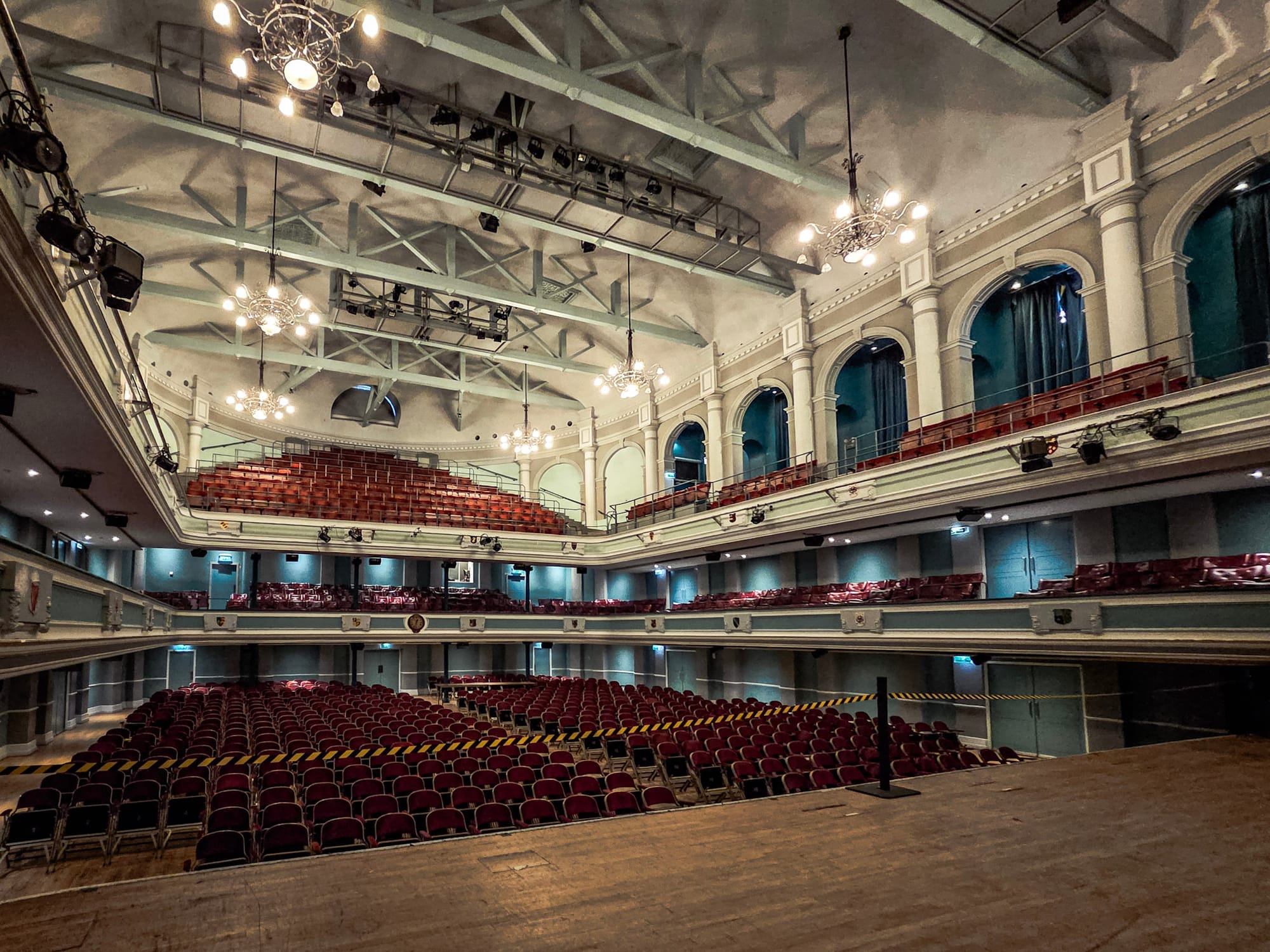
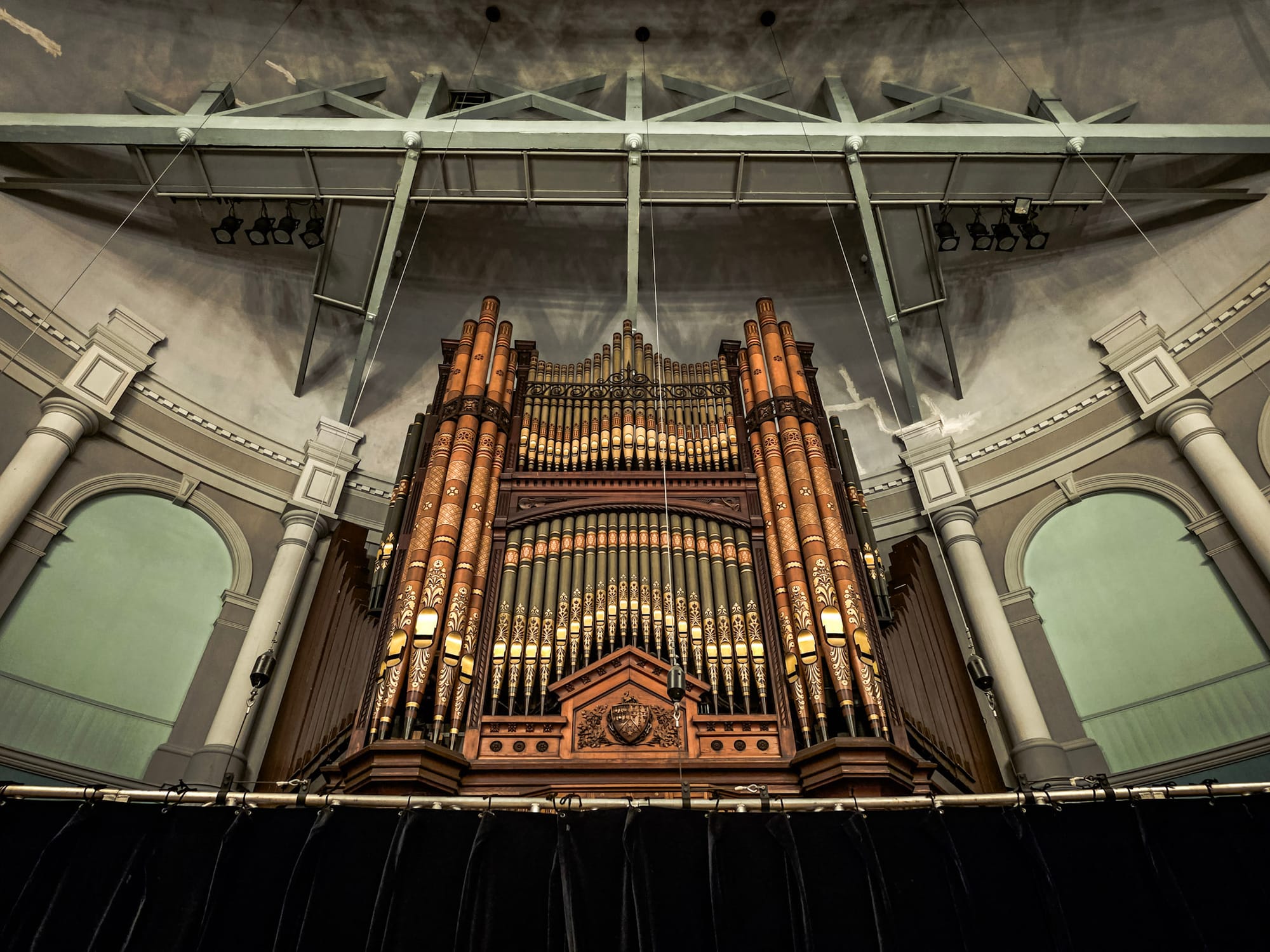
A building with more than one story
Most people know Victoria Hall as a place of music, comedy, performances and big nights out. But like so many places in Stoke-on-Trent, its story is layered, and beneath the public face of concerts and applause is a much older civic history.
Victoria Hall was built in 1888 to commemorate Queen Victoria’s Golden Jubilee. It was designed by Joseph Lobley, Hanley’s borough surveyor, and built in that rich red brick and terracotta that feels so at home in the Potteries. When it first opened, it was a proud statement of ambition, culture and civic confidence, attached to the Town Hall and built as a place for public gatherings and major events. It originally held around 2,800 people, a huge number, and over the years it has hosted everything from concerts and public meetings to big-name performers and touring productions. Even now, after refurbishment and extension, it remains one of the city’s best-known venues.
But Victoria Hall does not stand alone. It is physically and historically tied to Hanley Town Hall, and that is where the story of the cells really starts.
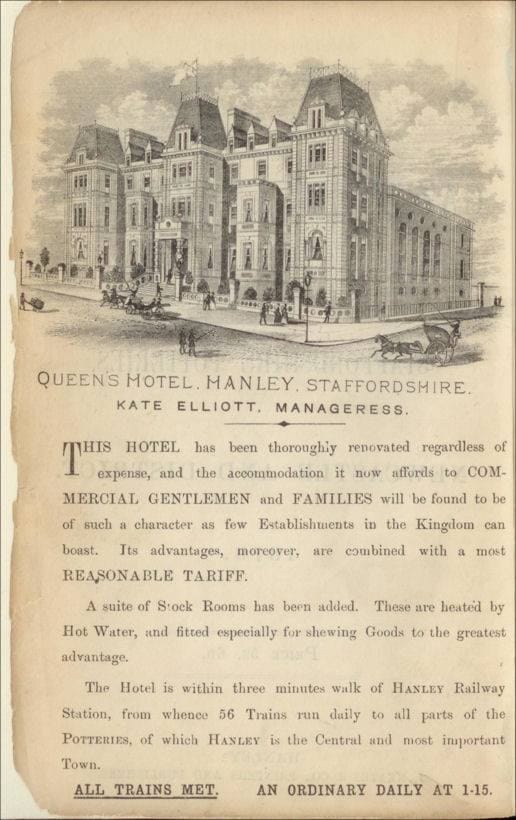
Before the Town Hall, it was a hotel
What we think of as Hanley Town Hall was not originally built as a town hall at all. The building began life as the Queen’s Hotel, designed by Robert Scrivener and opened in 1869. It was an impressive building in its own right, built in red brick with stone dressings, with all the grandeur you would expect from a prominent Victorian hotel in a growing and ambitious town.
Hanley was booming in the nineteenth century. The pottery industry had transformed the area, the population was growing, and the town needed buildings that reflected its status. When the Queen’s Hotel ran into difficulty, the borough council bought it and converted it for municipal use in the 1880s. It reopened as the town hall, complete with council chamber, municipal offices and courts.
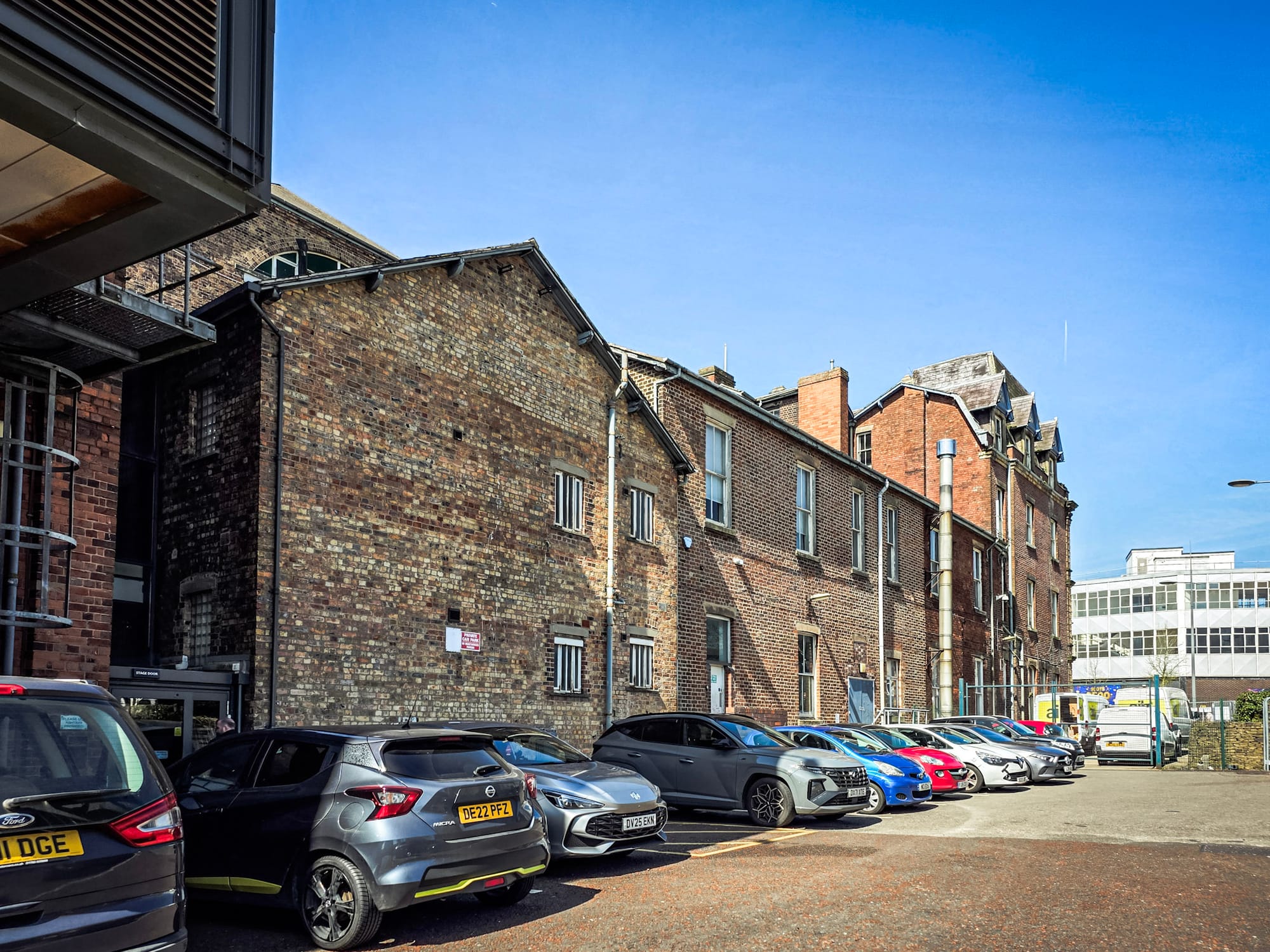
This was not just a grand civic building; it was also a working centre of local government and justice. Decisions were made here, ceremonies were held here, and court business was carried out here, too. The listed building record still notes the surviving courtrooms, including one complete mid-Victorian courtroom and another almost complete Edwardian court.
So when you head down into the basement and find old cells, they are not some strange add-on. They are part of the building’s proper working life. People would have been brought here as part of the legal process, held below while court business went on above, all within the same civic complex.
From holding cells to dressing rooms
That is what I found so fascinating today.
You go down there knowing the space once had a very different purpose, and yet it has not been stripped of its character. Instead, it has been adapted. Reused. Given another life. Something is refreshing about that.
The idea that these former cells are now dressing rooms is exactly the sort of detail I love. It is unusual, a little eerie, a little funny, and actually a really good example of how old buildings can keep their stories without becoming frozen in time. Too often, historic spaces are either erased altogether or turned into something so polished that all character disappears. Here, the past still lingers in the walls, even though the use has changed completely.
You can imagine the contrast. Once, these rooms held people awaiting their moment in court. Now they hold performers waiting for their moment on stage.
Same building. Very different audience.
Taken together, Hanley Town Hall and Victoria Hall tell us a lot about the confidence of late Victorian Hanley. These were buildings designed to impress. They spoke of prosperity, ambition and civic pride. The Town Hall carried the weight of local government and justice, while Victoria Hall represented public culture, entertainment and ceremony. They were different functions, but part of the same wider story of a town that saw itself as important and on the rise.
And although the city around them has changed dramatically, both buildings still matter. Victoria Hall remains a major venue in the city centre, and the Town Hall complex is one of those buildings that instantly tells you this place once expected greatness of itself, and perhaps still should.
The bits you do not always see are often the best
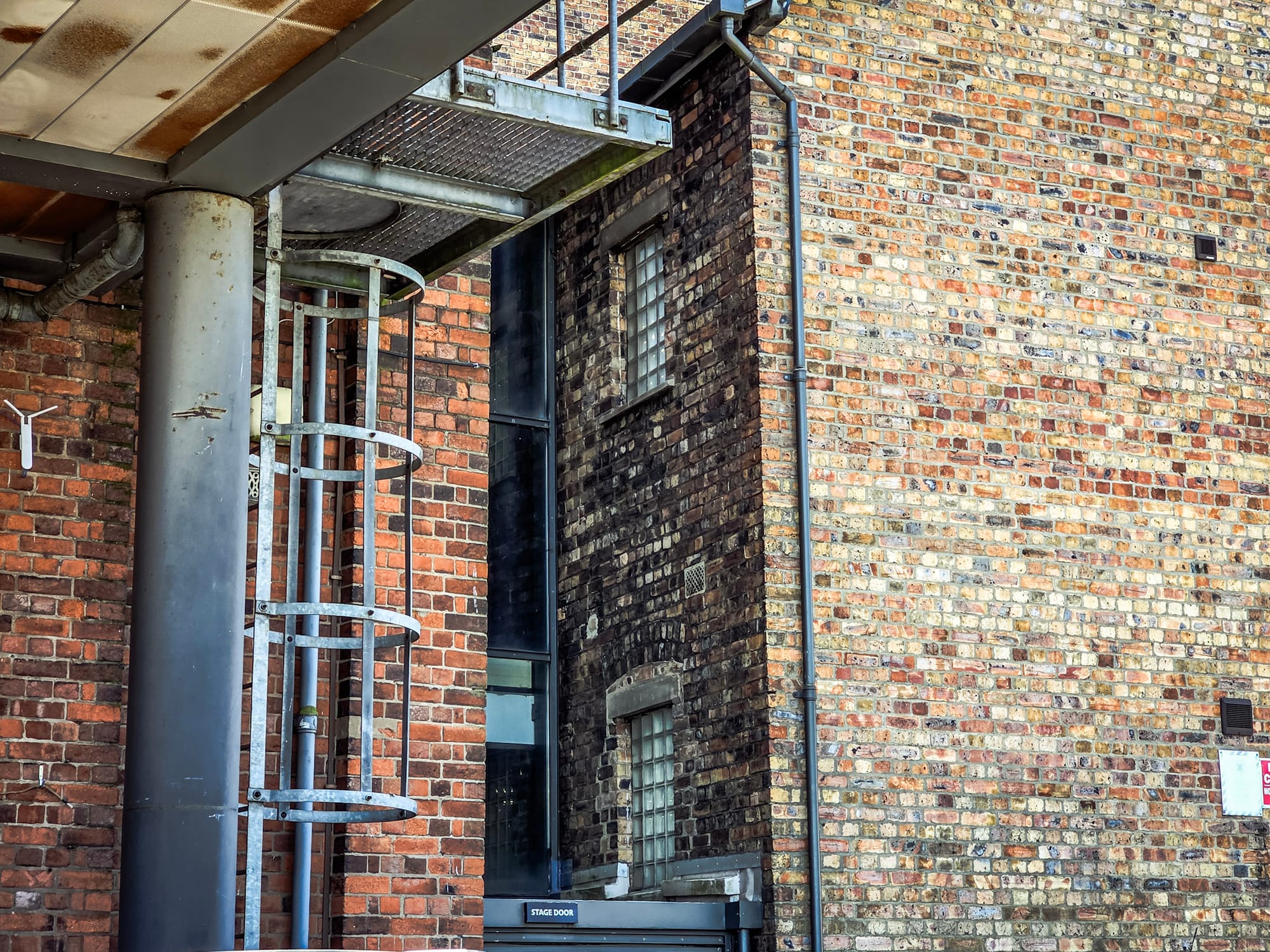
I think that is why I enjoyed seeing the cells so much. Grand facades are lovely, of course. Big halls and ornate architecture are amazing. But sometimes it is the hidden parts of a building that tell you the most.
It is also exactly why I can never resist an explore.
I’m very grateful that I was allowed down there to have a look and take photographs, because it is one of those hidden bits of Hanley history that most people probably never get to see.
Thank you for reading.
If you enjoy this work and would like to help support it, you can sign up for my newsletter so you don't miss anything, and find my Amazon Wish List here;


Below is my interactive Staffordshire map, which is now embedded at the end of every post. The map brings together all of the places I have visited, researched, written about, and filmed so far, with links to the stories behind them. It is designed to help you see what is around you, plan your own walks or days out, and explore Staffordshire’s history in a more connected and interactive way.