Did you know Madrí is not Spanish? The lager has its roots in Staffordshire
Its name, red branding and Madrid inspired identity may suggest otherwise, but Madrí Excepcional was developed in Burton-upon-Trent, a town whose influence on brewing can be tasted around the world.

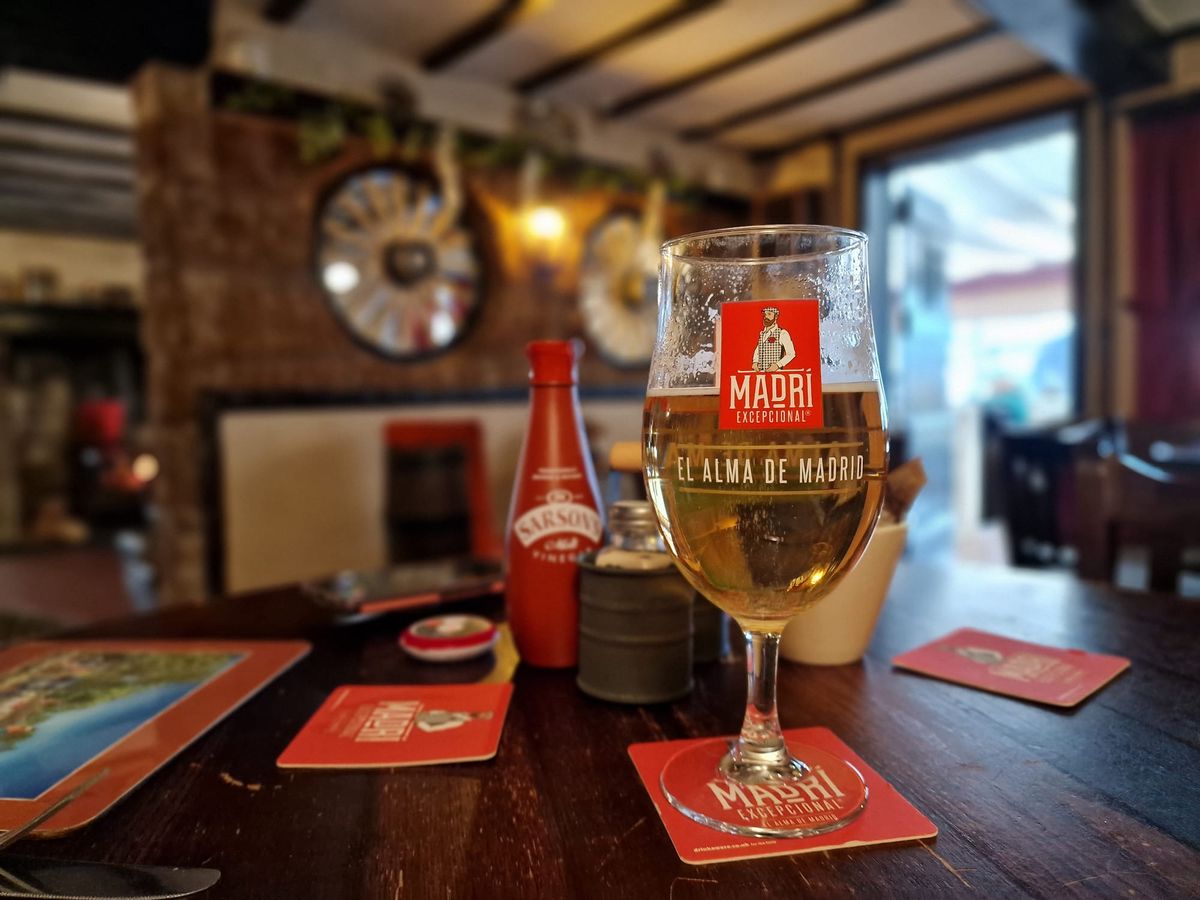
Walk into almost any pub in the country and you'll find it on tap. Red branding, a Spanish man in a flat cap and houndstooth waistcoat on the label, and the words "El Alma de Madrid", the Soul of Madrid, printed proudly across the top.
Madrí Excepcional has built its entire identity around Madrid. Sunshine, plazas, Mediterranean life.
It isn't Spanish. Its story starts here in Staffordshire, in Burton-upon-Trent, a town that had already been shaping the world's beer for the best part of a thousand years before Madrí ever touched a glass.
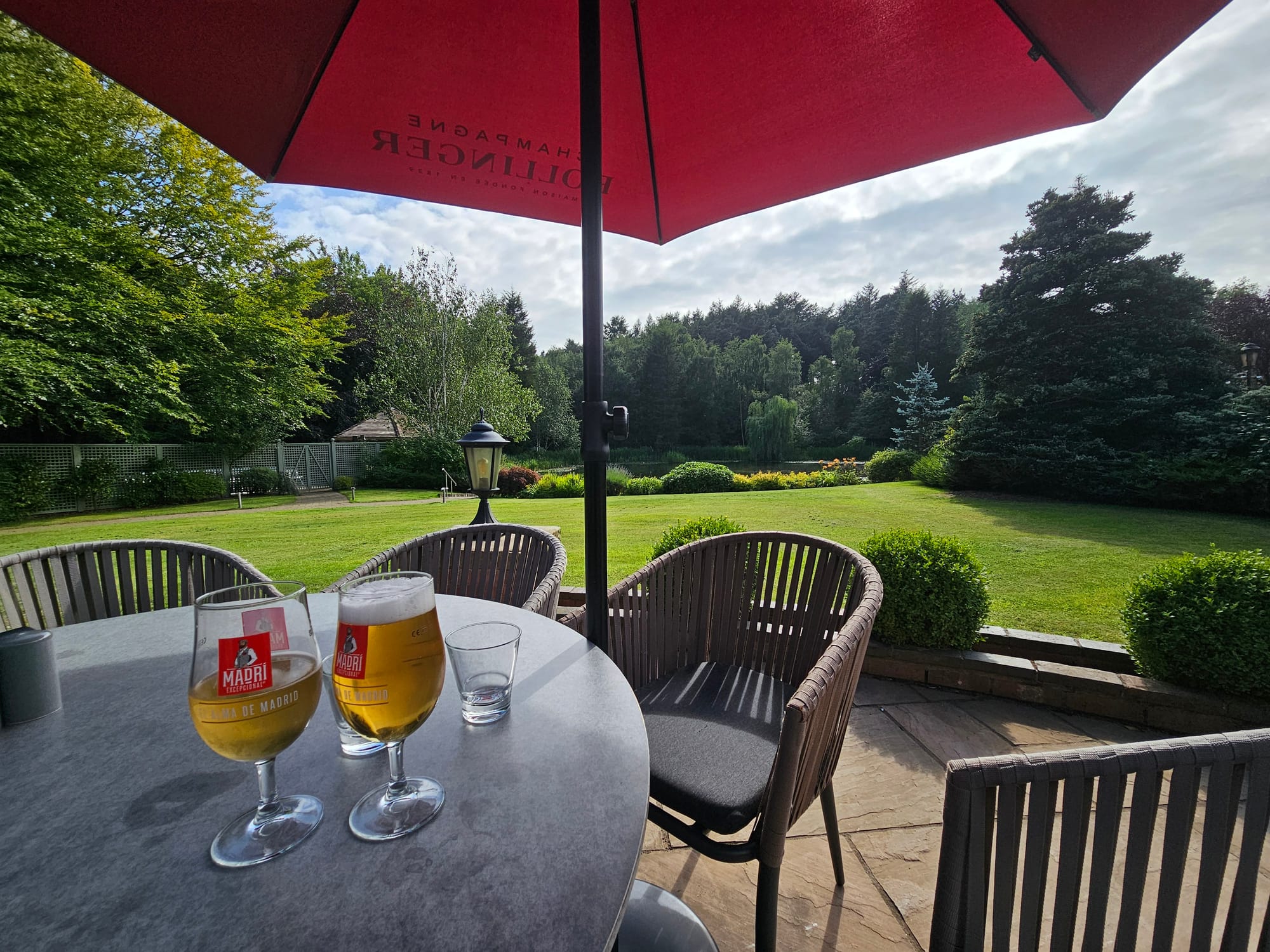
The truth behind the label
Madrí was developed by Molson Coors, the company behind Carling and Coors Light, working with La Sagra, a Spanish craft brewery in Toledo that Molson Coors bought in 2017. Toledo sits around 70 miles from Madrid, so even the Spanish end of the story doesn't quite belong to the capital.
The beer launched in British pubs in October 2020. Within a few years it had become one of the most recognisable lagers in the country, and by 2024 it was the fourth bestselling lager in the UK.
One thing needs saying plainly, because a good local history story only works if it's an honest one. Madrí is currently brewed in Tadcaster, in Yorkshire, not in Burton. The development work, the recipe, the idea, all of that happened in Staffordshire. The brewing itself, at present, does not.
That distinction matters, but it doesn't take anything away from why Burton was the obvious place to develop a new beer in the first place.

Burton Abbey, Burton-upon-TrentA postcard published in about 1912 by J.S. Simnett of a 1661 print of Burton Abbey engraved by Weneslas Hollar.The Benedictine Abbey of Burton was founded before the year 1000 by Wulfric Spot, Anglo-Saxon ...View Full Resource on Staffordshire Past Track
A brewing town a thousand years in the making
Burton-upon-Trent's relationship with beer did not begin with Molson Coors, or with any modern company at all. It begins with Burton Abbey, founded in 1004 by Wulfric Spot. By 1295, records already existed praising the quality of the abbey's ale, a reputation built long before England had anything resembling a national beer industry.
When the abbey was dissolved in 1540, brewing simply moved into the town itself. By 1604, Burton had 46 separate pub brewers operating at once, an extraordinary concentration for a town of its size.
By the 1620s, beer brewed in Burton was being transported to London and sold under the name "Darbie Ale". A century later, Daniel Defoe, writing about England's towns, singled Burton out as the most famous place in the country for ale.
Long before Burton became an industrial powerhouse, it had already earned a national reputation, one built town by town, brewery by brewery, over centuries.

General view of Bass Breweries, Station Street, Burton-upon-TrentWilliam Bass founded the Bass Brewery in Burton-upon-Trent in 1777. By 1877 it was the world's largest brewery and its red triangle logo was known around the world. In the 1960s it merged with Charrington ...View Full Resource on Staffordshire Past Track
The water that changed everything
The real secret to Burton's success wasn't cleverness or marketing. It was geology.
Burton's well water filters naturally through underground layers of gypsum, picking up unusually high levels of calcium sulphate and magnesium sulphate along the way. In brewing terms, that's very hard water, and it makes a significant difference to the finished beer.
Those minerals help proteins bind together during boiling, producing beer that's brighter and clearer. They also draw out the bitterness of hops far more effectively, which happens to suit pale ale perfectly. The process even produced a distinctive sulphurous smell, known locally as the "Burton snatch".
For years, brewers elsewhere could taste that Burton's pale ales were different without knowing why. Once chemists identified the minerals responsible, breweries around the world began adding the same minerals to their own water to imitate it.
That technique has a name, and it's still used today. It's called Burtonisation.
Burton-upon-Trent became so central to global brewing that an entire scientific process carries the town's name. Every brewery in the world that adjusts its water to chase Burton's profile is, knowingly or not, chasing something Staffordshire had naturally all along.

Shobnall Marina, Burton-upon-TrentShobnall Marina on the Trent and Mersey Canal, with Bass Maltings in the background. This Image is from a collection of photographs of Burton upon Trent commissioned and assembled by Burton upon Trent ...View Full Resource on Staffordshire Past Track
Getting Burton's beer to the world
A reputation for good beer means little without a way to move it, and Burton, despite being landlocked, found routes out.
The Trent Navigation Act of 1699 opened the river to wider commercial use, connecting Burton to Hull and, from there, to Baltic export markets. The Trent and Mersey Canal followed in 1770, making it easier to bring ingredients in and send finished beer out.
Then, in 1823, Samuel Allsopp and Sons exported their first hoppy pale ale to India, brewed with extra hops and higher alcohol to survive the long sea voyage. The style became known as India Pale Ale, and Burton's association with it stuck for good.
The arrival of the railways transformed the town again. Tracks and sidings connected breweries, maltings and warehouses directly, allowing beer to leave Burton in vast quantities and reach the rest of the country far more quickly. Between 1850 and 1880, Burton grew at an extraordinary rate, and by the 1870s and 1880s, it had become known as the brewing capital of the world.

Bass Union Set at work, Bass, Burton-on-TrentIn the foreground a man is "Cloth Bungling" with unions of finished ale. The union nearest the camera has the swan neck out and a bung in its place.View Full Resource on Staffordshire Past Track
The brewing capital of the world
At its peak, more than 30 breweries operated in Burton, producing over three million barrels of beer every year between them. Bass and Co grew into the largest brewing company in the world, turning out almost a million barrels annually on its own, and more than half of Burton's working population was employed directly in brewing.
It's worth pausing on what that would have looked like. Malt and hops in the air constantly. Railway wagons moving between breweries throughout the day. Huge industrial buildings, chimneys and warehouses shaping the skyline of an entire town.
This wasn't one industry among many in Burton. Brewing was the town's economy, its employer and its identity, all at once.
Burton's brewers also developed their own method of fermentation during this period, known as the Burton Union system. Rows of connected wooden casks separated the yeast foam, or barm, from the beer as it fermented, purifying it while allowing brewers to preserve reliable yeast strains over long periods. The system remained in use for more than a century.

Aerial view of Burton-upon-TrentView of High Street and the surrounding area. Both rail transport links and brewery sites can be clearly seen.View Full Resource on Staffordshire Past Track
Why the breweries disappeared
There's a certain irony in what happened next. Burtonisation, the very innovation that spread Burton's reputation worldwide, also weakened the town's advantage. Once breweries elsewhere could replicate Burton's water artificially, they no longer needed to be based in Burton at all to produce a similar pale ale.
The First World War brought grain shortages and tighter regulation, and breweries across the town began to close or merge. Burton had 17 breweries in 1911. By 1950, only five remained.
Over the decades that followed, many of Burton's historic brewing names were absorbed into larger companies. Fragments of that history now sit within businesses known today as Molson Coors and Carlsberg Marston's.
The great number of independent breweries eventually disappeared, but Burton's connection to beer never did.
The Staffordshire story behind the glass
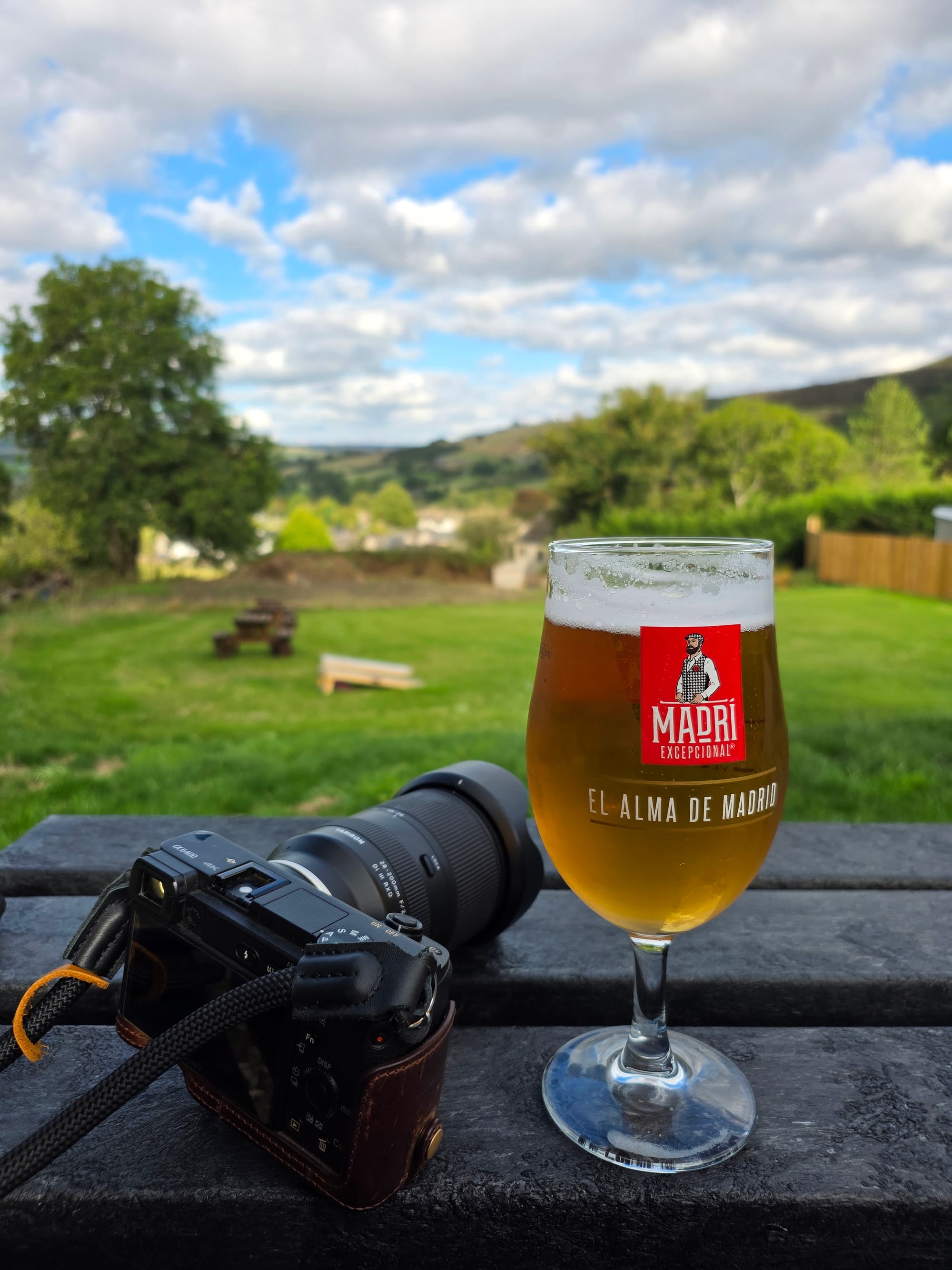
Madrí Excepcional sells itself through images of Madrid, sunshine and Mediterranean life, and as far as branding goes, it clearly works. But the idea behind it was developed in Burton-upon-Trent, a Staffordshire town that had already been brewing serious beer for a thousand years before Madrí existed.
It wasn't created in an old Madrid brewhouse and shipped across Europe. It was developed by one of Britain's largest brewing companies, with input from a Spanish brewery in Toledo, and is currently brewed in Tadcaster.
That Burton connection is genuine, though, and once you understand what this county gave to brewing, hard water science, India Pale Ale, the Burton Union system, and a technique still practised by breweries worldwide, that red tap at the bar tells a rather different story.
Next time you order a Madrí, you'll know where its story really begins.