How Stoke-on-Trent Defied Hitler and Helped Rebuild a Village Destroyed by the Nazis
Few people realise that one of Stoke-on-Trent's most inspiring stories began with one of the darkest events of the Second World War. More than eighty years ago, the people of Stoke-on-Trent rallied behind a village they had never seen and families they had never met.

Today, 10th June, marks the anniversary of one of the most infamous atrocities of the Second World War and one that forged an extraordinary and enduring connection between Stoke-on-Trent and a small village in what is now the Czech Republic.
The story of Lidice is one of tragedy, but it is also a story of hope, resilience and international solidarity. It is a story that demonstrates how ordinary people in the Potteries responded to unimaginable suffering and helped ensure that a community which Adolf Hitler intended to erase from history would instead become a lasting symbol of resistance and remembrance.
More than eighty years after the destruction of Lidice, the links between the village and Stoke-on-Trent remain strong. Streets, memorials and commemorations continue to honour that connection, while the name of Dr Barnett Stross, the Stoke-on-Trent doctor and politician who launched the famous Lidice Shall Live campaign, remains closely associated with one of the most remarkable humanitarian movements to emerge from Britain during the war.
To understand why the people of Stoke-on-Trent became so invested in the fate of a village hundreds of miles away, it is necessary to return to the dark days of 1942.
Europe at War
By the summer of 1942 much of continental Europe was under Nazi occupation. Czechoslovakia had effectively ceased to exist as an independent nation following the German occupation of 1939, and large areas of the country had been incorporated into the Nazi-controlled Protectorate of Bohemia and Moravia.
One of the most feared figures in occupied Europe was Reinhard Heydrich, Deputy Reich Protector of Bohemia and Moravia. Heydrich was a senior SS officer, a principal architect of the Holocaust and one of the most powerful men within the Nazi regime. His brutal methods earned him the nickname "The Butcher of Prague".
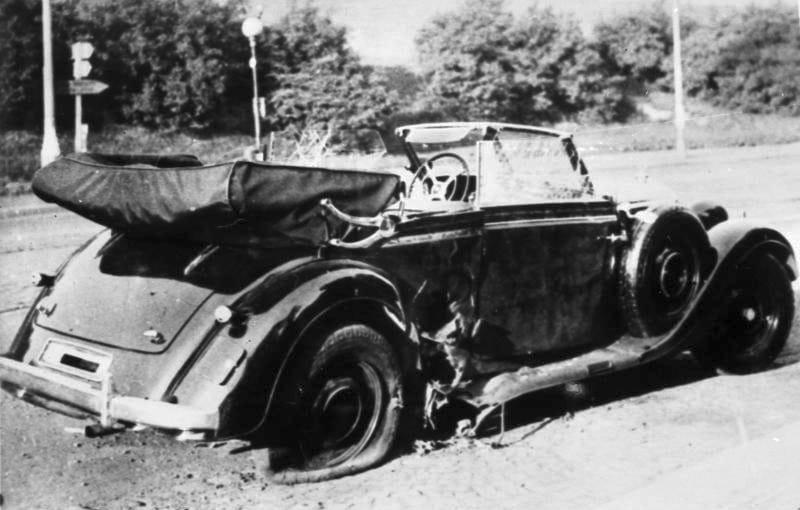
On 27th May 1942, a team of Czechoslovak soldiers trained in Britain carried out Operation Anthropoid, an assassination attempt on Heydrich in Prague. The attack was successful and Heydrich died from his injuries on 4th June. The Nazi response was immediate and savage.
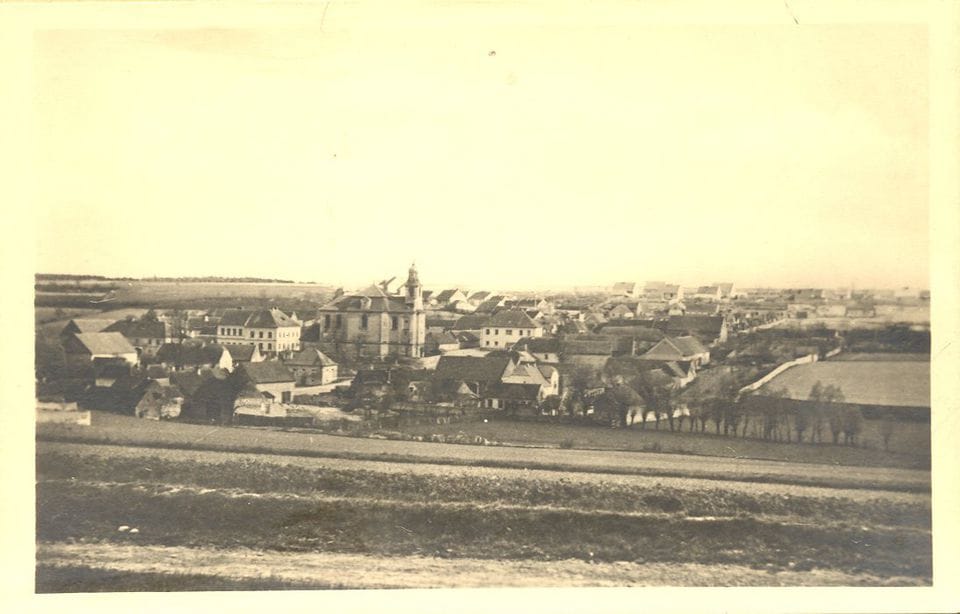
Determined to make an example of anyone suspected of assisting the resistance, German authorities began searching for communities they could punish. Although no evidence linked the village of Lidice to the assassination, rumours and misunderstandings convinced Nazi officials that it would serve as a suitable target for retaliation. The decision sealed the village's fate.
The Destruction of Lidice
The Destruction of Lidice
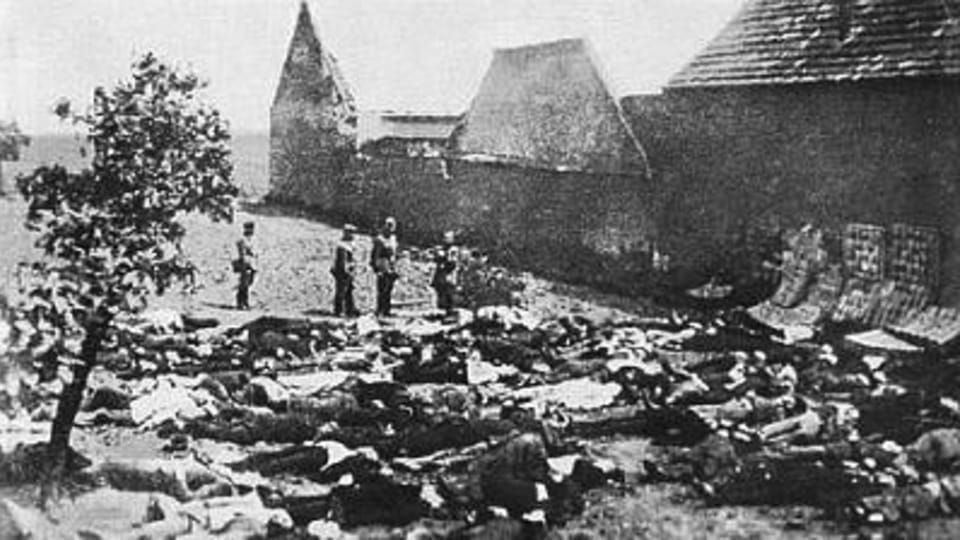
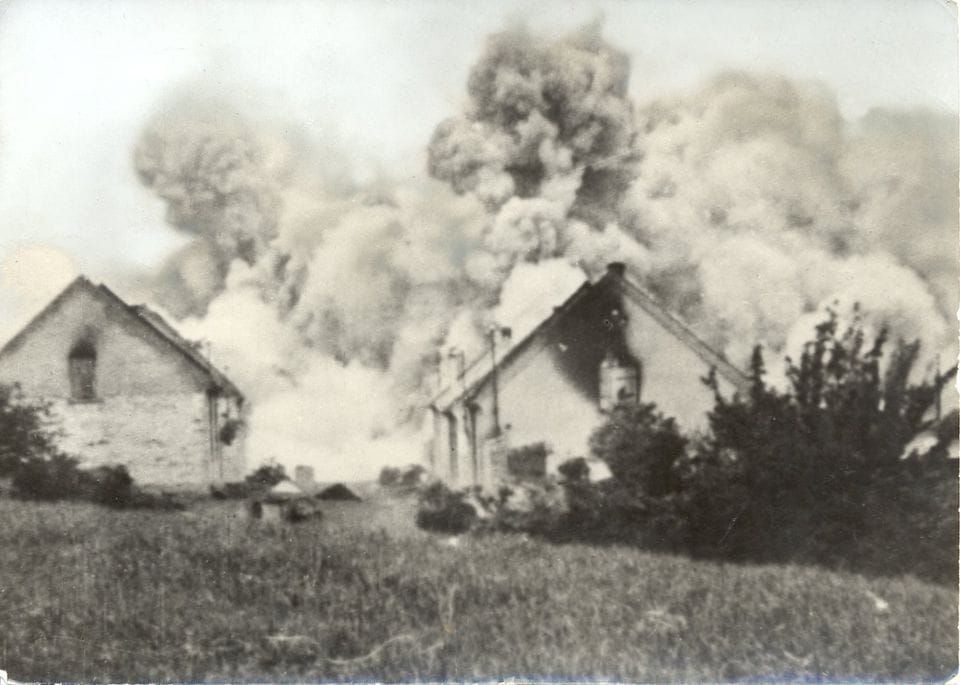
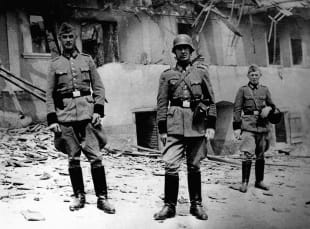
In the early hours of 10th June 1942, German police and military units surrounded Lidice. The inhabitants were dragged from their homes and assembled in the village.
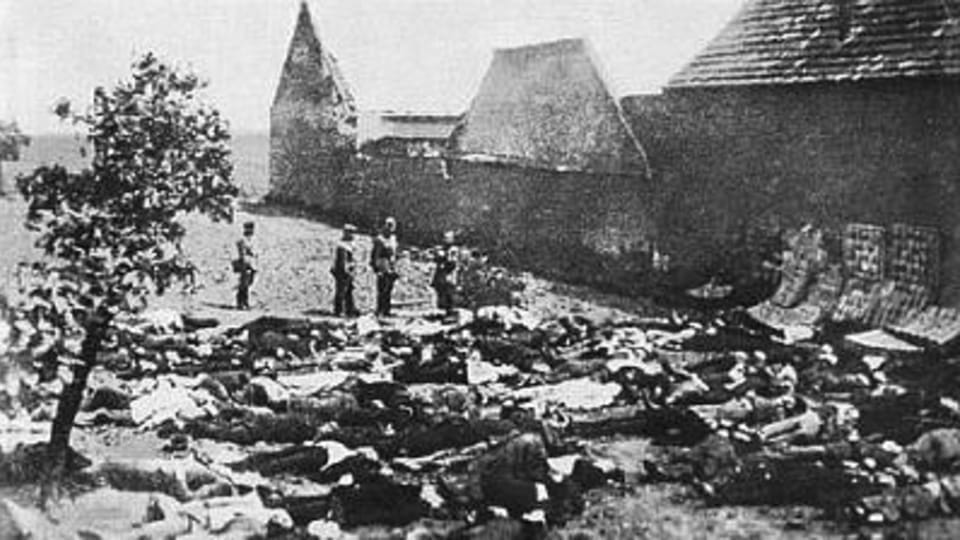
The men aged fifteen and over were separated from the women and children. Over the course of the day, 173 men were executed by firing squad. Others who were not present at the time were later arrested and killed.
The women were deported to Ravensbrück concentration camp, where many would perish during the war.
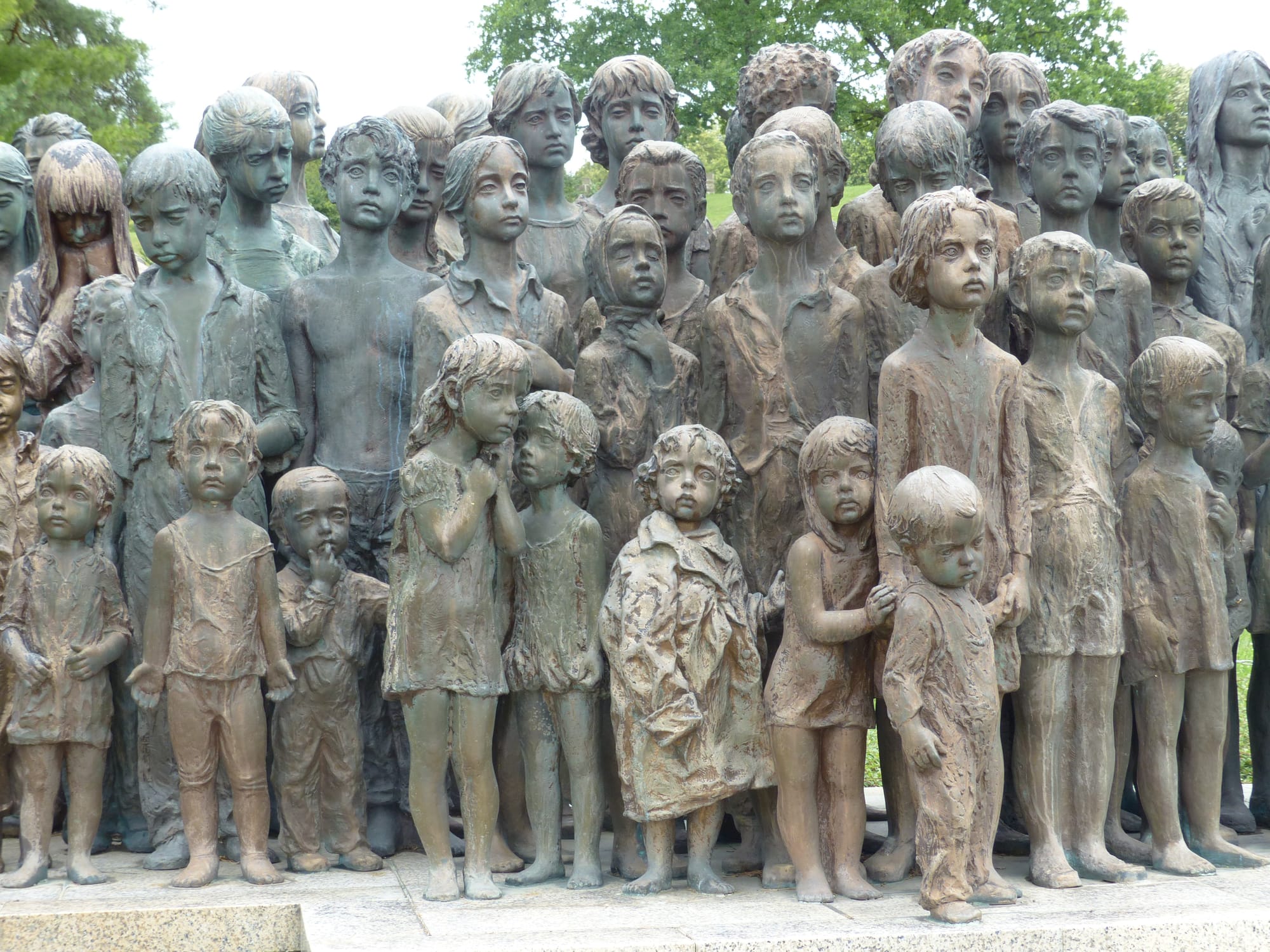
The children suffered perhaps the cruellest fate of all. A small number who met Nazi racial criteria were selected for Germanisation and placed with German families. Most of the others were eventually murdered at the Chełmno extermination camp.
The destruction did not end with the inhabitants.
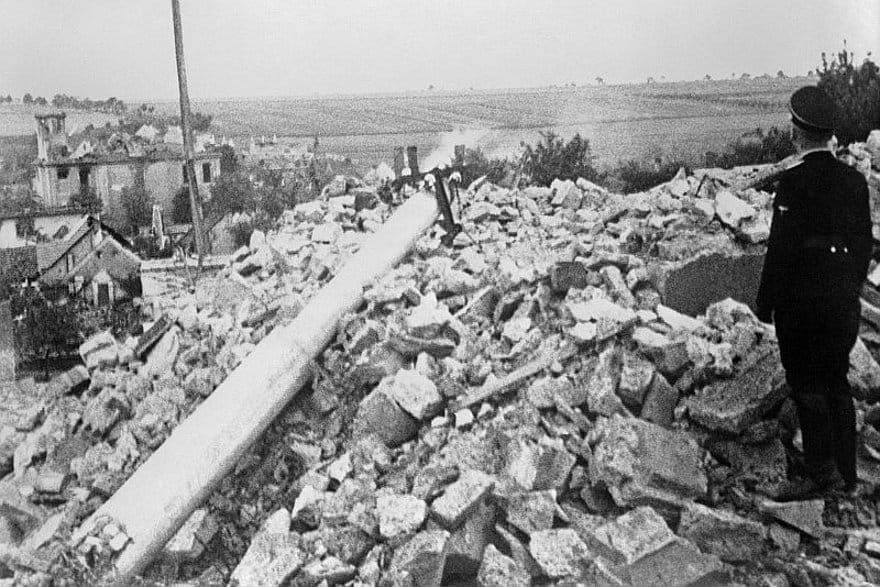
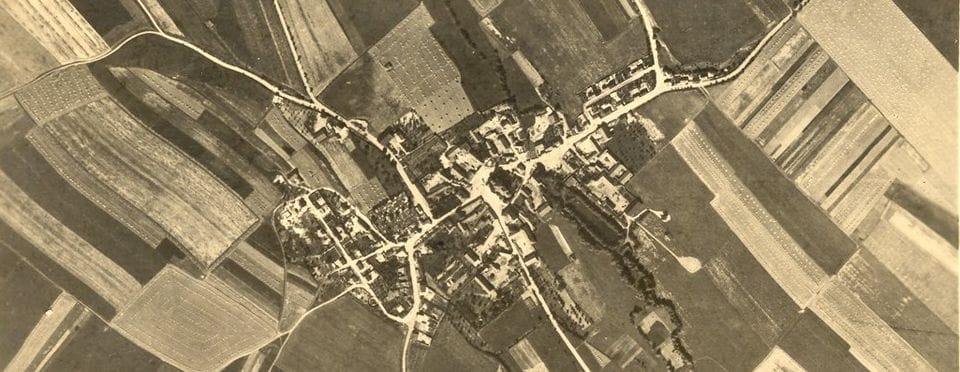
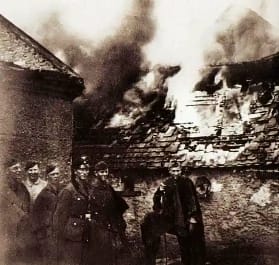
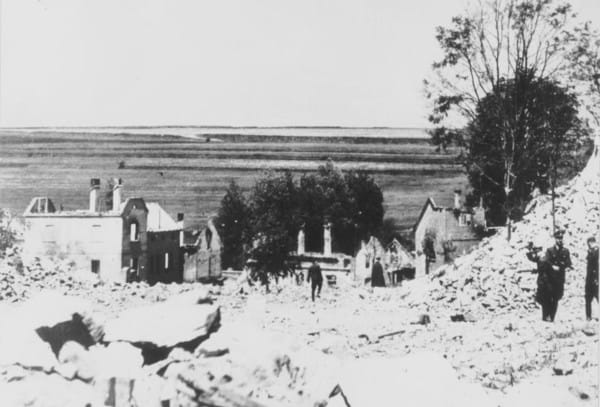
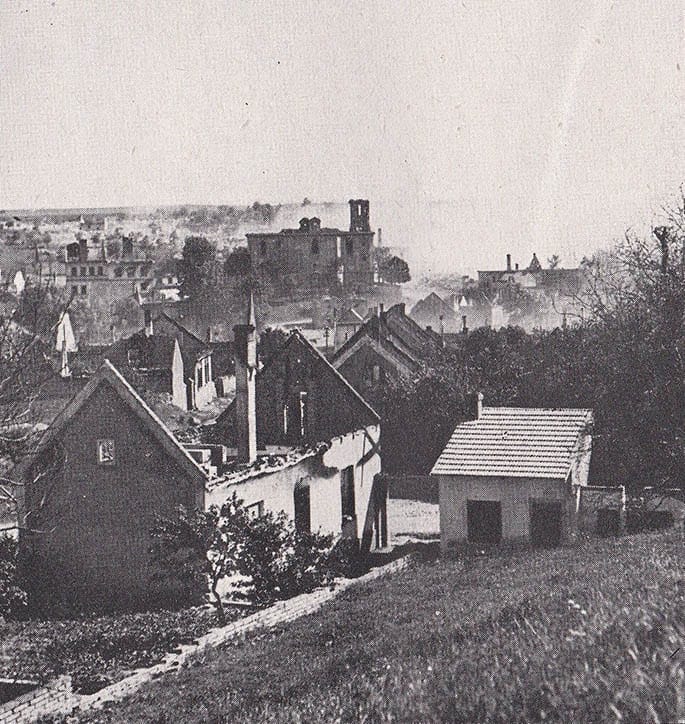
German forces systematically burned the buildings, demolished the church, destroyed farms and homes, removed the cemetery, dug up the bodies, looted them and altered the landscape itself. They even killed all of the animals, pets, farm animals, all of them.
They then covered the entire area the village had occupied with topsoil and planted crops, and set up a barbed-wire fence around the site, which had notices reading, in both Czech and German, "Anyone approaching this fence who does not halt when challenged will be shot". The intention was not simply to destroy the village but to eliminate every trace that it had ever existed.
Nazi propaganda announced to the world that Lidice had been annihilated as punishment and that its name would disappear forever. Instead, the opposite happened.
News of the massacre spread rapidly throughout Britain and the wider world, provoking outrage and sympathy wherever it was heard. Among those deeply affected was a doctor from Stoke-on-Trent named Barnett Stross.
Dr Barnett Stross and the Potteries Connection
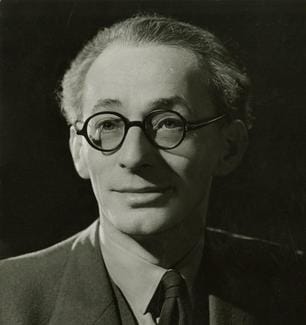
Barnett Stross was already a well-known figure in North Staffordshire. Born in Poland in 1899, he had moved to Britain as a child and built a reputation as a physician serving mining communities throughout Stoke-on-Trent.
For years, he had treated miners and their families, witnessing first-hand the dangers and hardships of industrial life. He was also active in public service and would later become a Member of Parliament for Stoke-on-Trent Central.
When Stross learned of the destruction of Lidice, he recognised similarities between the Czech village and the communities he knew so well in the Potteries. Lidice was a mining settlement populated by working families whose lives revolved around industry, community and family. The men who had been murdered were workers much like the miners Stross treated every day.
Rather than allowing the massacre to become another wartime headline, Stross resolved to do something practical.
His response would become one of the most famous solidarity campaigns of the Second World War.
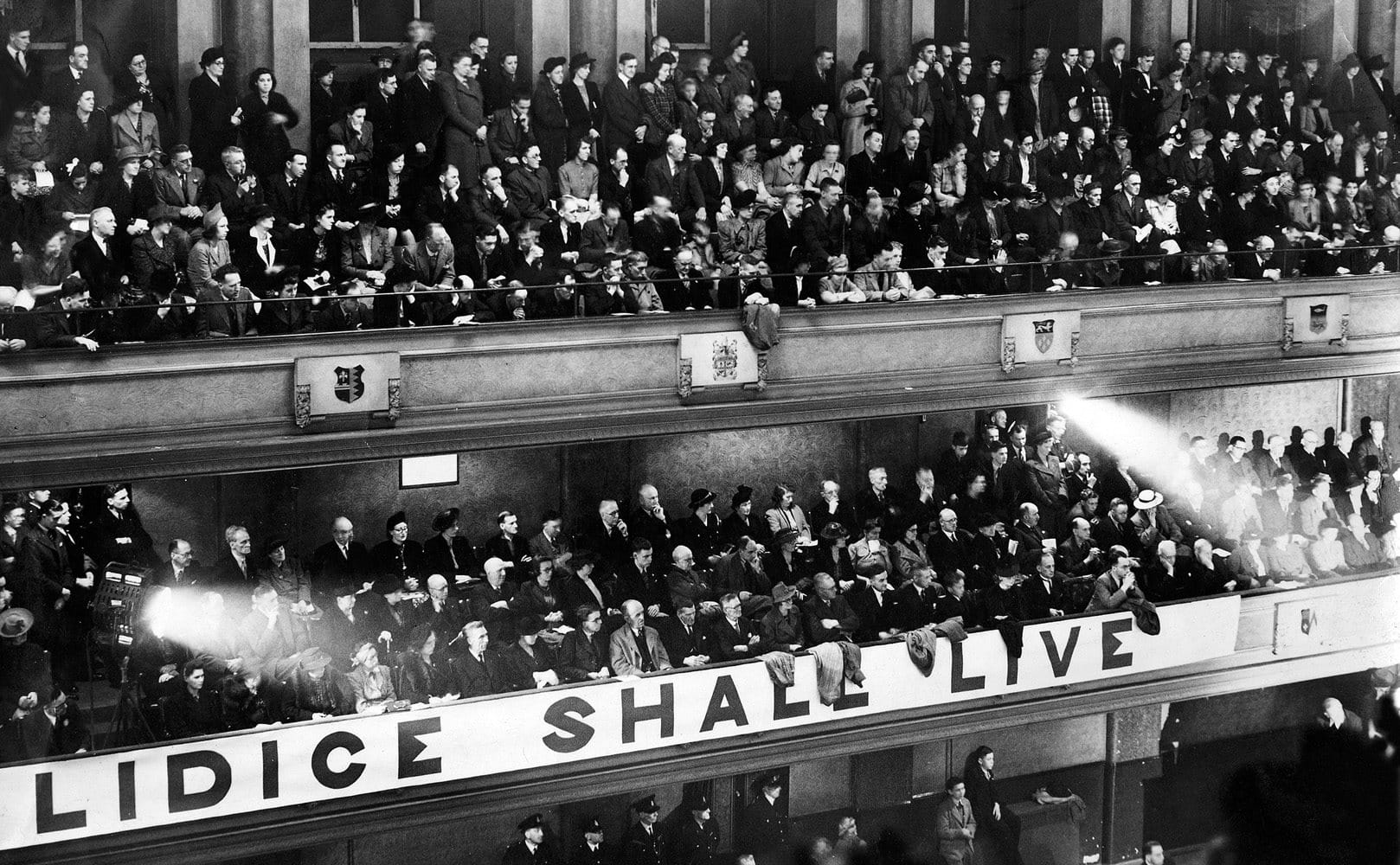
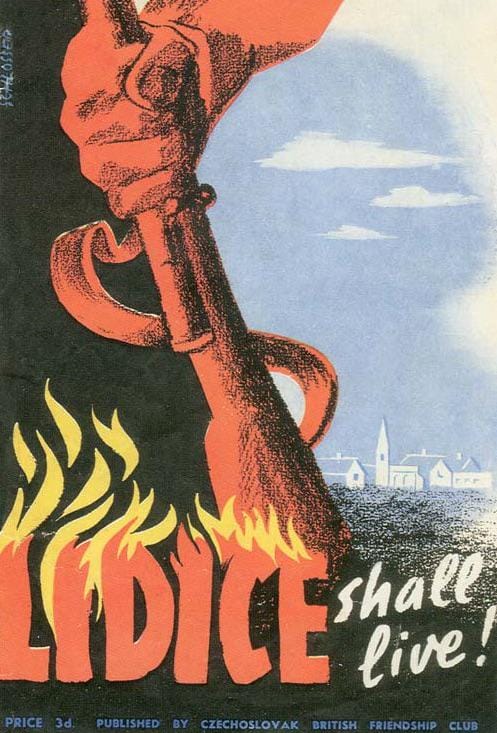
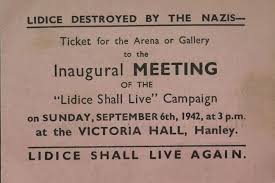
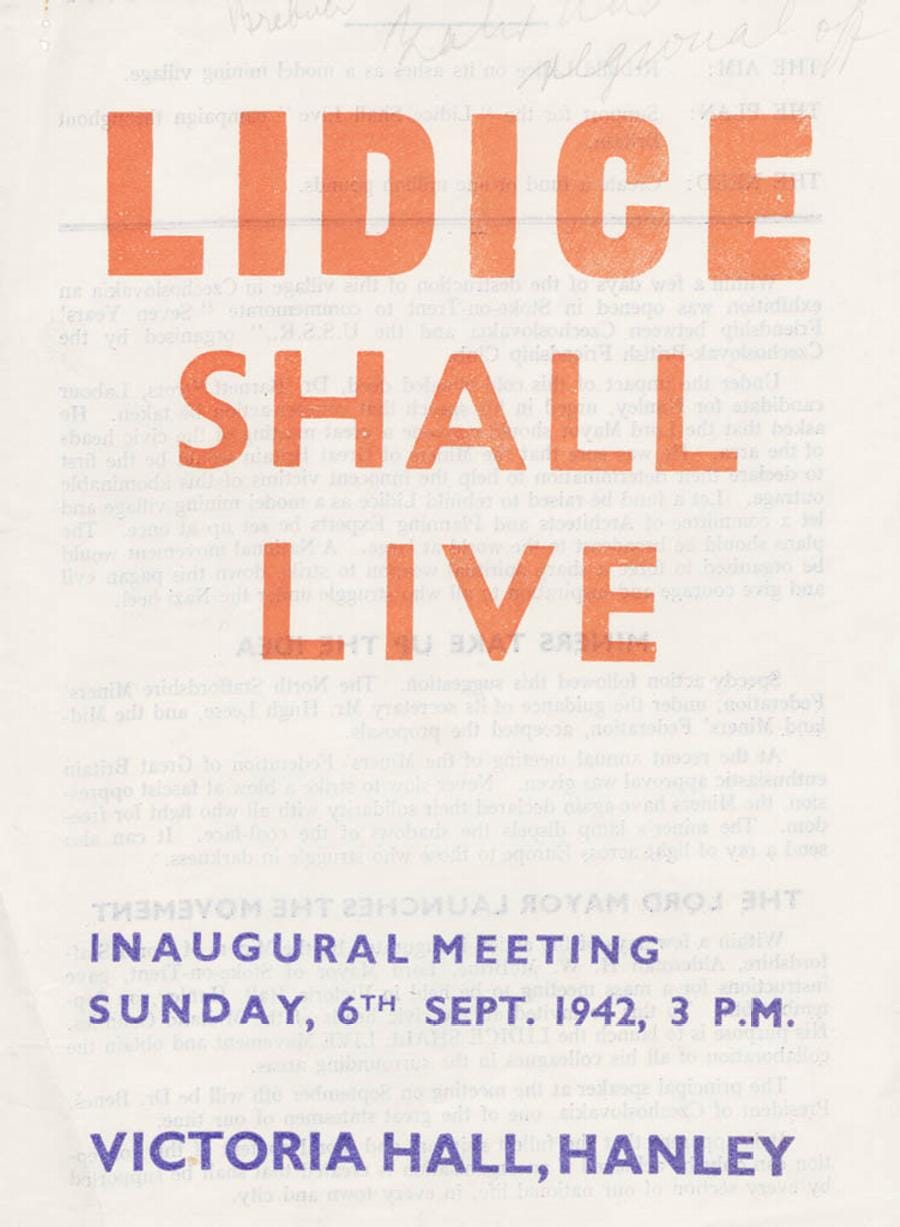
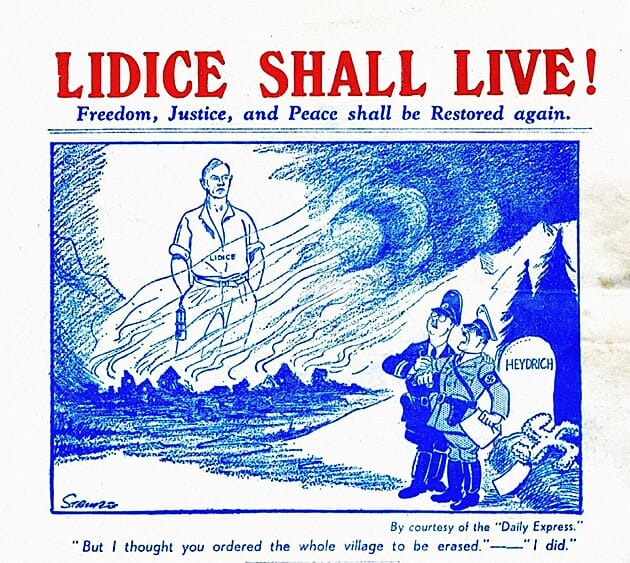
On 6th September 1942, a mass meeting was held at the Victoria Hall in Hanley. Thousands attended to hear the launch of a new campaign bearing a simple but powerful name.
Lidice Shall Live
The campaign's objective was straightforward but ambitious. When peace returned, funds raised by ordinary people would help rebuild the village that the Nazis had attempted to erase.
The slogan was deliberately chosen as a direct challenge to Hitler's declaration that Lidice would cease to exist. Stross and his supporters intended to prove that communities built on humanity and cooperation could not be destroyed so easily.
The response from Stoke-on-Trent and the wider North Staffordshire coalfield was remarkable, particularly given the circumstances. Britain was in the midst of a global conflict, food and fuel were rationed, many local families had loved ones serving overseas, and economic hardship was a daily reality. Yet the suffering of Lidice resonated deeply with local people.
The connection was more than simply humanitarian. Lidice was a mining village, and many of the men who had been murdered had worked in the coal industry. Across the Potteries, mining communities recognised something of themselves in the people of Lidice. The tragedy was not viewed as a distant event affecting strangers in a foreign land. Instead, it was seen as an attack on ordinary working families, much like those living in Stoke-on-Trent, Newcastle-under-Lyme and the surrounding mining villages.
Support for the campaign quickly spread through local collieries, trade unions, workplaces, schools and community organisations. The North Staffordshire Miners' Federation became one of its strongest supporters, and miners throughout the region contributed to fundraising efforts. In an era when many families had little to spare, donations poured in from people determined to ensure that Lidice would not be forgotten.
The launch event at Hanley's Victoria Hall attracted national and international attention. Among those present was Dr Edvard Beneš, President of the Czechoslovak Government-in-Exile, who had escaped Nazi occupation and was leading his country's government from Britain. Speaking at the meeting, Beneš praised the people of Stoke-on-Trent for their compassion and support, declaring simply:
"Lidice has not died."
Those words captured the spirit of the campaign. While the physical village had been destroyed, its memory, identity and future would survive through the determination of people thousands of miles away.
Raising Funds for a New Beginning
As the war continued, the Lidice Shall Live campaign grew into an international movement, but its heart remained firmly in Stoke-on-Trent.
Fundraising events were organised throughout North Staffordshire. Collections were taken in workplaces and communities. Schools became involved, as did churches, trade unions and civic organisations. By the end of the war, the campaign had raised approximately £32,000, a remarkable sum at the time and equivalent to around £1 million today.
The money was not intended merely as a memorial. From the outset, Barnett Stross and his supporters had envisioned something practical and lasting. Their aim was to help rebuild Lidice once peace returned to Europe.
That vision began to become reality after the war ended in 1945.
Rather than reconstructing the village exactly where it had stood before, a new Lidice was planned on nearby land overlooking the original site. Construction began in 1947, and over the following years, a modern village emerged from the devastation. New homes were built. Families returned. Community life gradually resumed.
Although the scars of what had happened could never be erased, the Nazis had failed in their objective. Lidice still existed.
A Garden from the People of Stoke-on-Trent
One of the most enduring symbols of the friendship between Lidice and Stoke-on-Trent emerged during the 1950s.
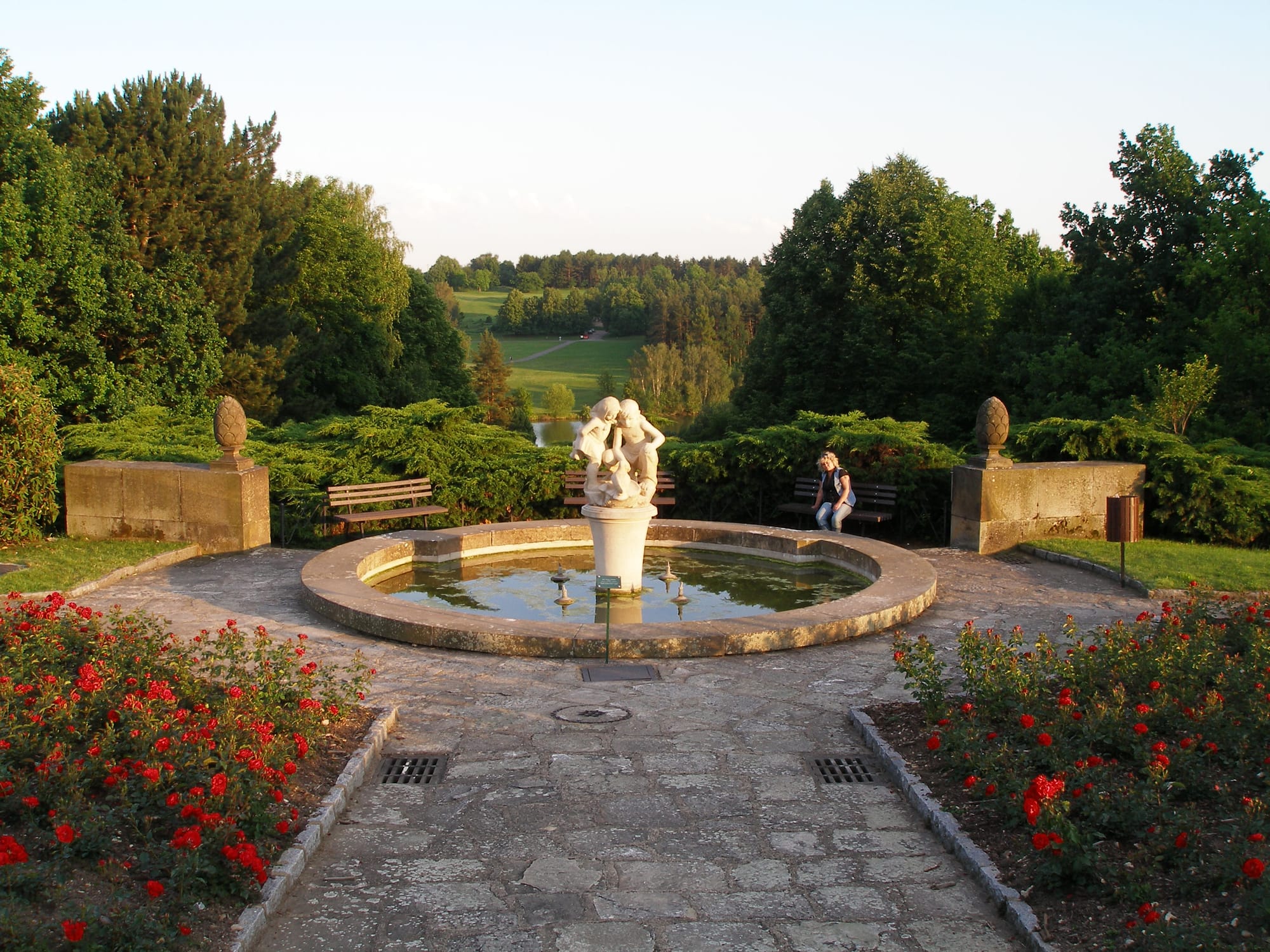
The idea for the Rose Garden of Peace and Friendship came from the Lidice Shall Live group, chaired by Sir Barnett Stross. It opened in June 1955 and was planted with 29,000 rose plants donated from 32 countries.
The resulting Lidice Rose Garden remains one of the most beautiful and moving memorial landscapes in Europe. Covering several acres, it serves not only as a place of remembrance but also as a celebration of life, renewal and international friendship.
Today, visitors walking through the gardens encounter roses donated by individuals, organisations and nations from across the globe, a lasting testament to the impact the tragedy had upon the world's conscience.
The Legacy in Stoke-on-Trent
The connection forged during the Second World War did not end with the rebuilding of Lidice. Successive generations have worked to maintain the friendship between the city and the Czech village.
In Stoke-on-Trent, memorial events continue to be held and the story remains an important chapter in the city's history. Schools, historians and community groups have all played a role in keeping the memory alive.
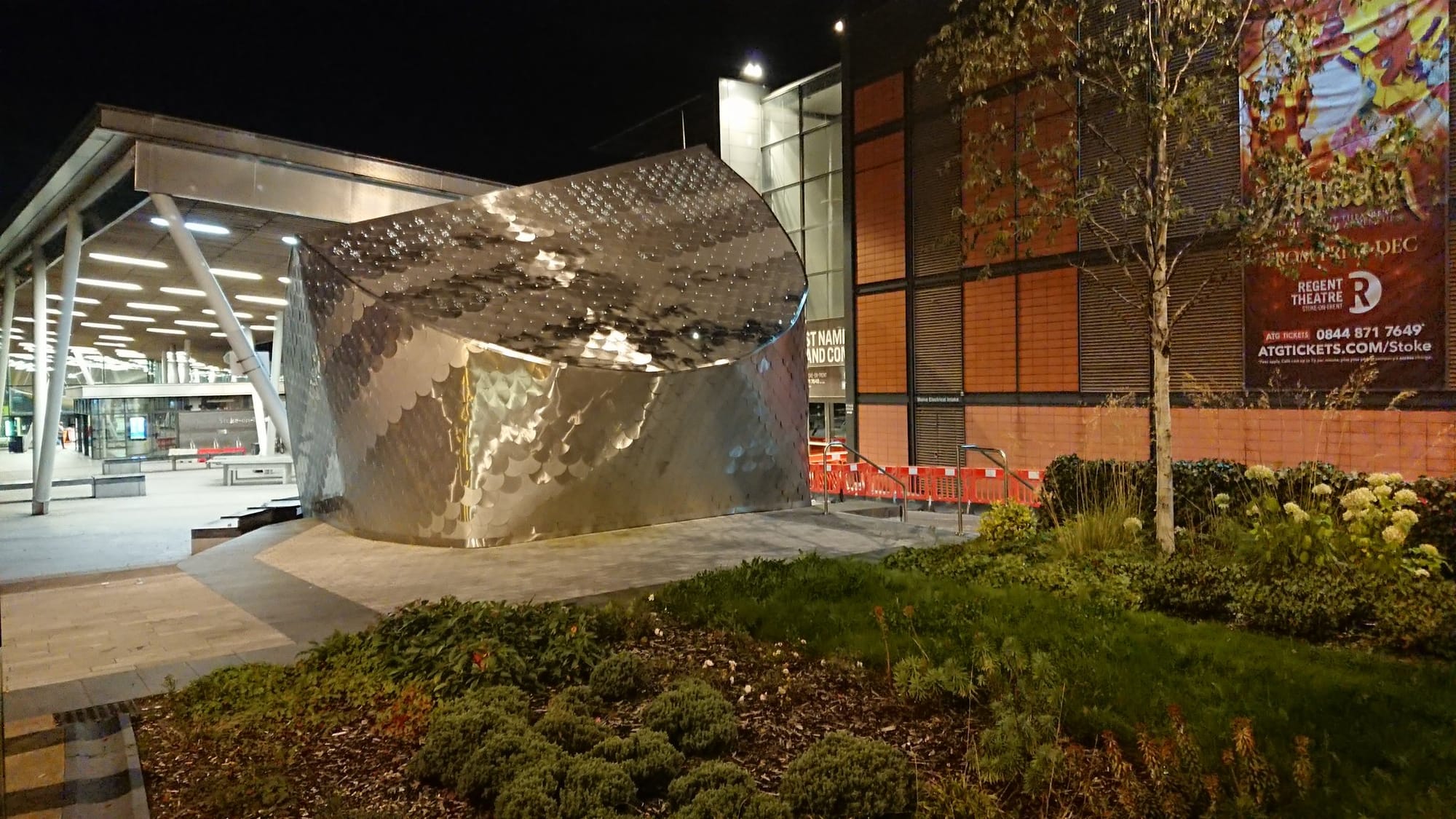
One of the most striking modern reminders can be found near Hanley Bus Station, where the sculpture Unearthed commemorates the Lidice Shall Live campaign and the miners who supported it. Created from thousands of steel tags reminiscent of miners' identification discs, the artwork serves as a powerful symbol of solidarity and remembrance.
In 2018, another symbolic link was established when a sapling grown from a pear tree that survived the destruction of Lidice was planted in Hanley. The original tree stood in the village before the massacre and became a symbol of endurance after surviving the Nazi attempt to erase the community. Its descendant now grows in Stoke-on-Trent, linking the two places in a living and tangible way.
The friendship between Lidice and Stoke-on-Trent has also been formally recognised through twinning arrangements, visits, commemorations and ongoing cooperation between organisations in both communities.
Remembering on the Anniversary
Today, eighty-four years after the destruction of Lidice, the events of 10th June 1942 remain difficult to comprehend. The deliberate murder of an entire community, the destruction of homes and livelihoods, and the attempted eradication of a village from history stand among the most chilling examples of Nazi brutality.
Yet the story is remembered not only because of the atrocity itself, but because of what followed. In response to hatred came compassion, in response to destruction came rebuilding, and in response to an attempt to erase a community came an international movement dedicated to ensuring that it would never be forgotten.
For Stoke-on-Trent, the story of Lidice represents one of the city's proudest moments. It demonstrates the strength of the communities that once powered the Potteries, the generosity of ordinary working people, and the belief that even in the darkest times, solidarity and humanity can prevail.
The village that Hitler ordered erased still exists today. It's people who rebuilt their lives, and its name remains known around the world.
And much of that is thanks to the determination of a Stoke-on-Trent doctor, the generosity of North Staffordshire miners, and a city that refused to let Lidice die.
More than eight decades later, the message first proclaimed at Hanley's Victoria Hall continues to resonate...
Lidice Shall Live.
Further Reading and Resources
The story of Lidice, the Lidice Shall Live campaign and Stoke-on-Trent's role in rebuilding the village is a fascinating chapter of both local and international history. If you would like to learn more, the following books and films provide additional insight into the tragedy, the resistance movement and the remarkable efforts that followed.
The Path to Lidice: The Story of the Lidice Shall Live Campaign
This excellent book explores the origins of the campaign launched in Stoke-on-Trent by Dr Barnett Stross and examines how ordinary people across North Staffordshire helped rebuild a village that the Nazis intended to erase.
Anthropoid (DVD)
A powerful historical film starring Cillian Murphy and Jamie Dornan, based on Operation Anthropoid, the daring mission carried out by Czechoslovak resistance fighters that led to the assassination of Reinhard Heydrich and ultimately triggered the destruction of Lidice.
The Assassination of Reinhard Heydrich: The True Story Behind Operation Anthropoid
For those interested in the wider historical context, this detailed account examines the planning and execution of Operation Anthropoid and the devastating reprisals that followed across occupied Czechoslovakia.
Places to Visit
Visitors wishing to learn more can also visit the Lidice Memorial in the Czech Republic, which includes the museum, memorial grounds, rose garden and the site of the original village. Closer to home, Stoke-on-Trent's connection to Lidice can be explored through memorials such as Unearthed in Hanley and the various commemorative events held throughout the year.
The story of Lidice is not simply a wartime tragedy. It is also a reminder of the power of community, compassion and international friendship, values that continue to connect Stoke-on-Trent and Lidice more than eight decades later.
 Jenna Goodwin
Don't forget to head over to The Staffordshire Signal for news, events and our Staffordshire magazine!