The Lost Navigation Inn at Froghall: a canalside pub resurfaces
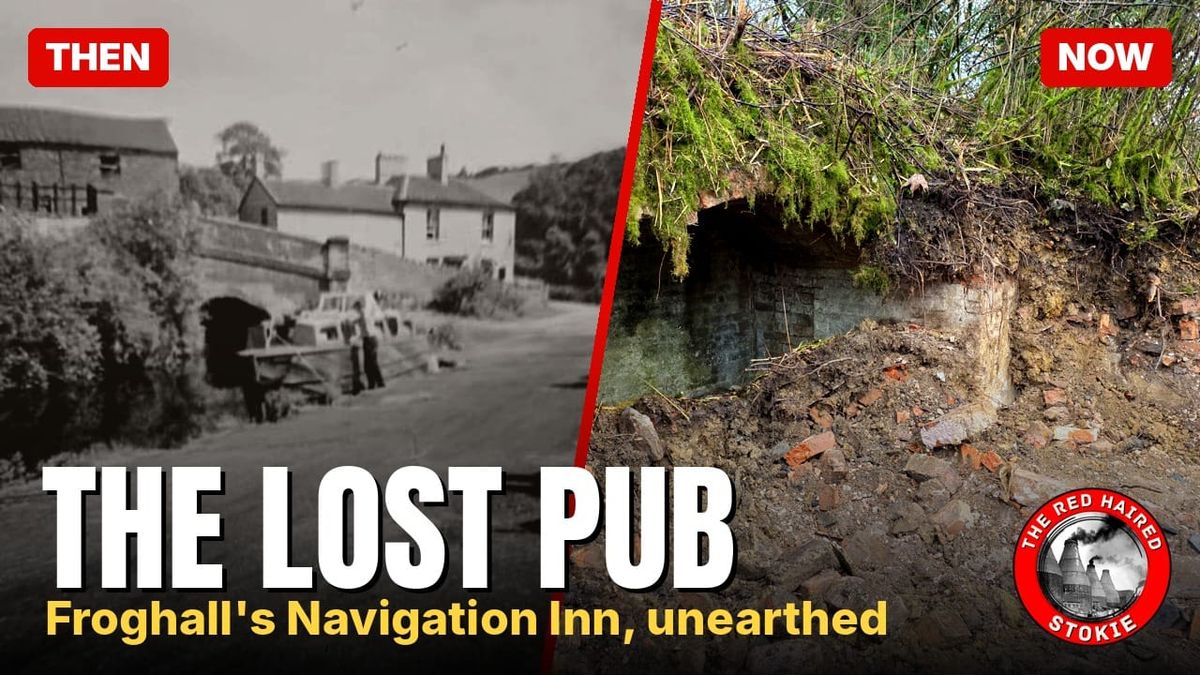
Land clearance on Froghall bank has uncovered the remains of the Navigation Inn, a Caldon Canal pub for nearly 200 years. Here's its story, with old photos, newspaper reports and what's left today.

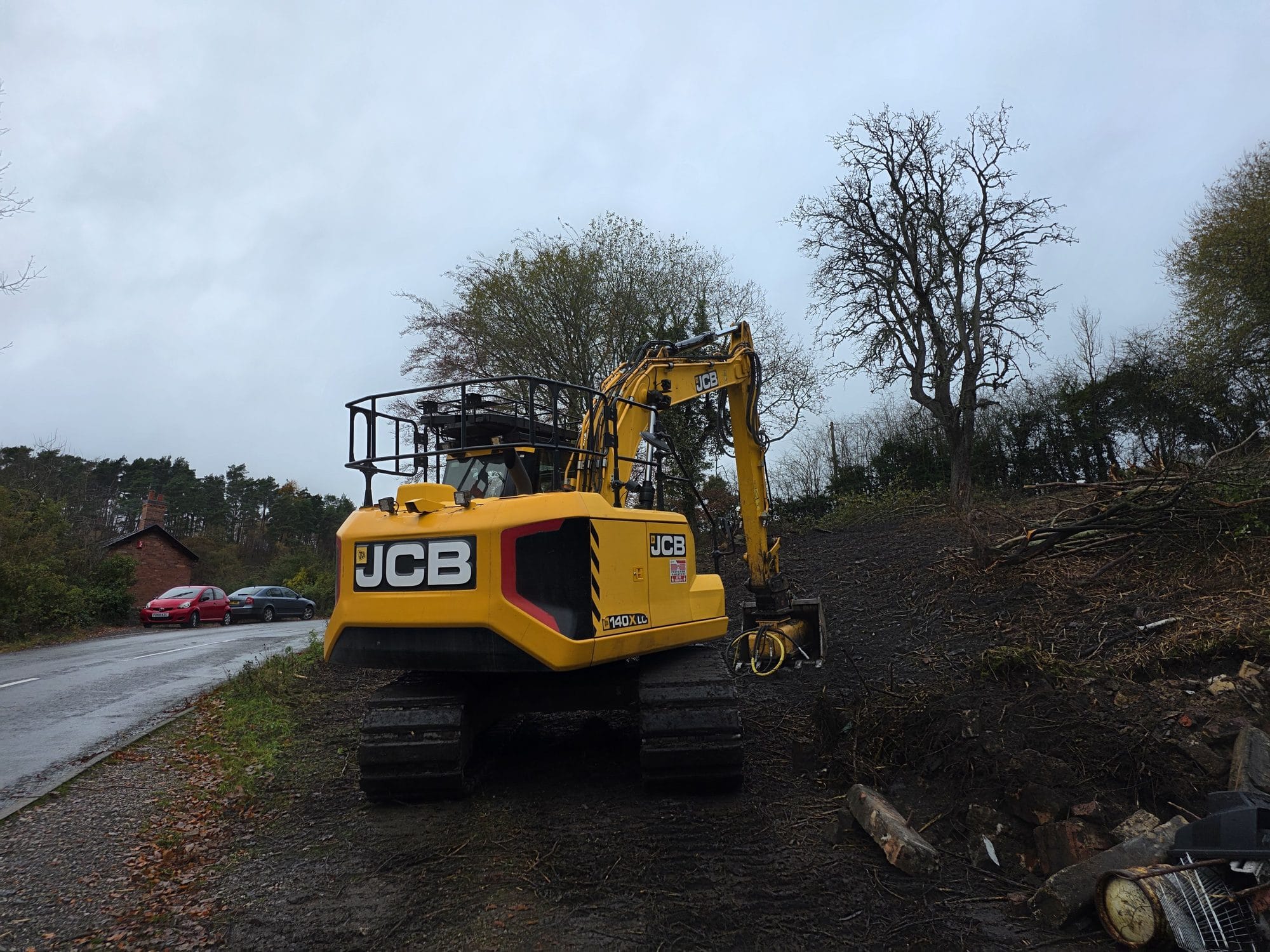
On my way over to Ipstones this week I drove down Froghall bank and spotted a digger clearing a patch of land beside the road. I know that spot well. We talked about it on my Froghall history walk, because this is where the Navigation Inn used to stand. So of course, I pulled over to have a nose.
With the undergrowth stripped back for the first time in decades, the bones of the old pub are starting to show again. I've made a short film about it, which you can watch below, and I've gathered the old photos, maps and newspaper reports together here too.
A canalside inn at the end of the Caldon Canal
Over the years it was known as the Navigation House, the Navigation Pub and even the Navigation Hotel. It stood near the original end of the Caldon Canal, which reached Froghall in the late 1770s, and the inn probably dates from around the same time. Where there were boatmen, workers and traders, there was always a need for somewhere to eat, drink and stay the night.
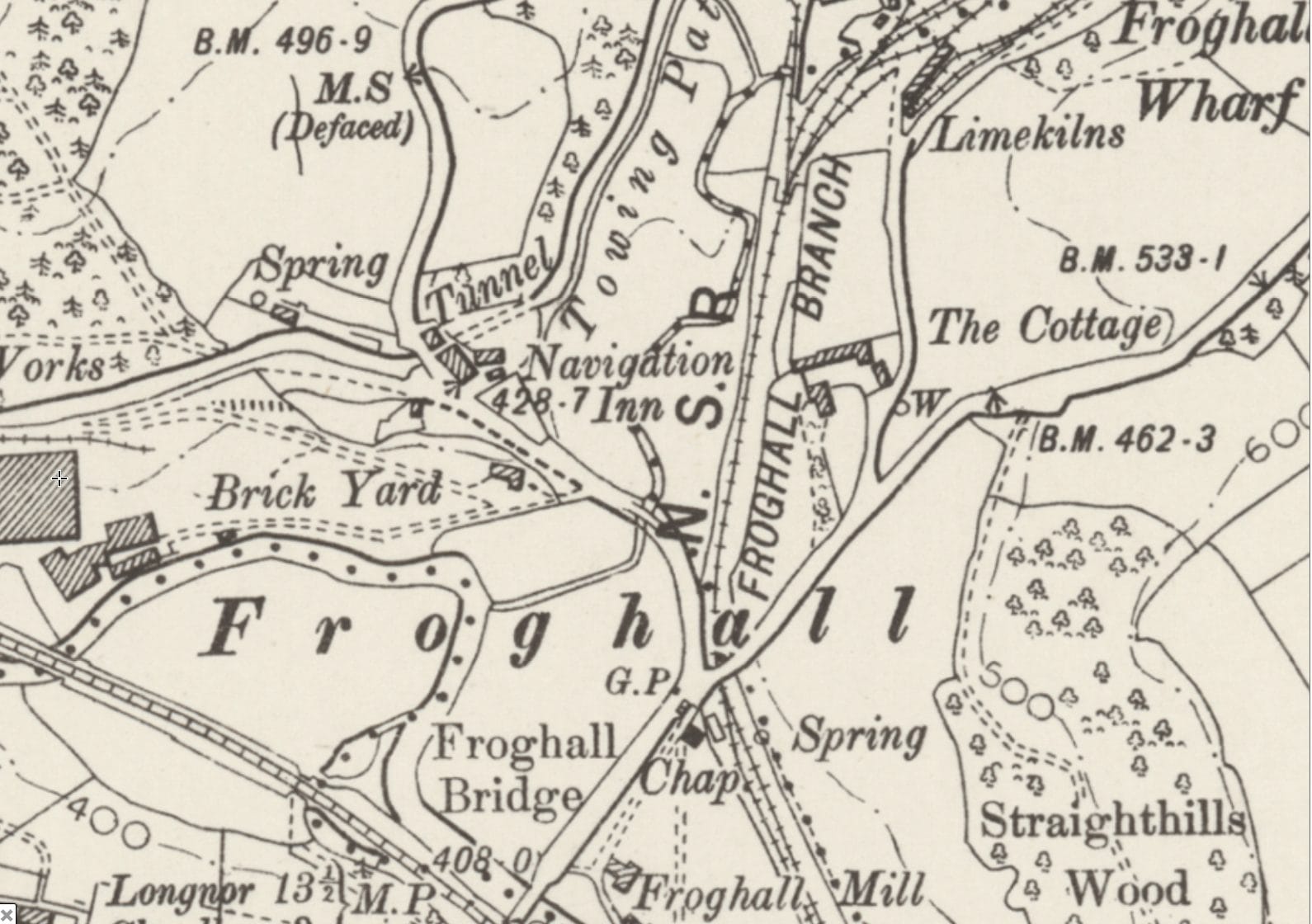
On the Ordnance Survey map from the early 1900s you can see it tucked right beside the road bridge and the mouth of the canal tunnel, with the works, the brick yard and the railway all crowded around it.
The Navigation in the old newspapers
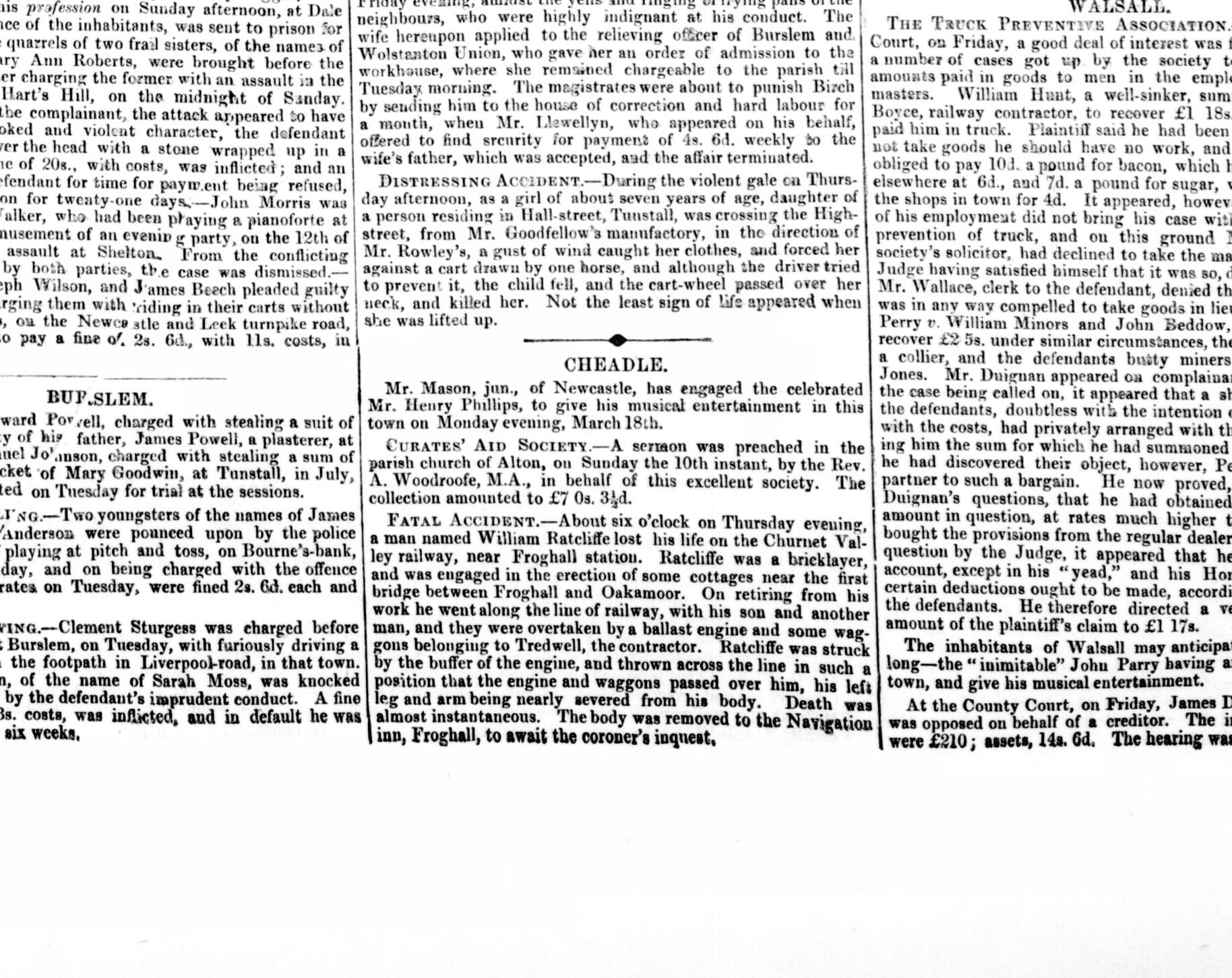
The old newspapers show just how much life passed through its doors. In February 1850, a bricklayer named William Ratcliffe was killed on the new Churnet Valley Railway near Froghall station, and his body was taken to the Navigation Inn to await the coroner's inquest. Back then, the local pub often doubled as the inquest room.
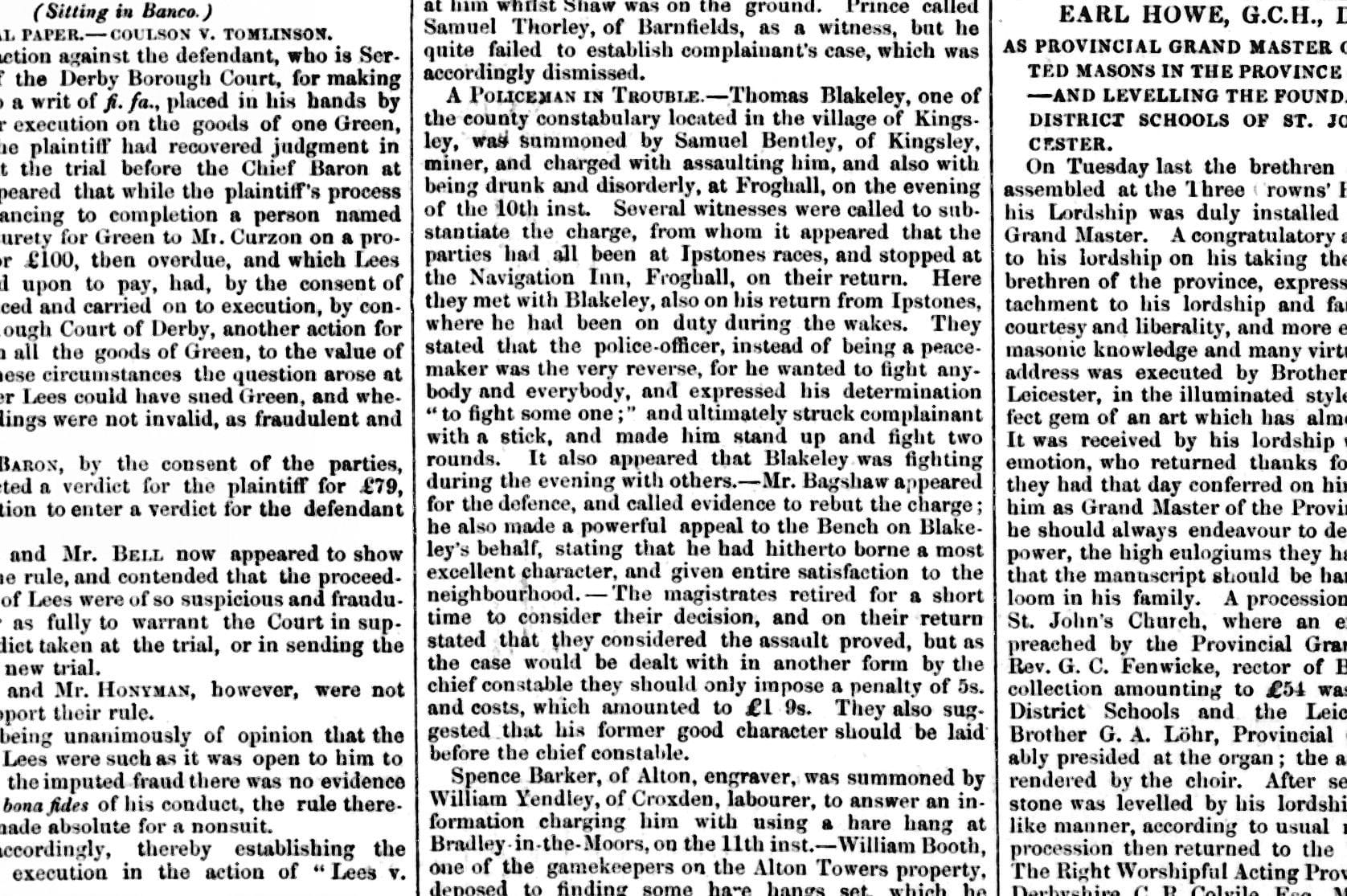
In 1856, a Kingsley policeman ended up in front of the magistrates himself. Constable Thomas Blakeley stopped at the Navigation on his way back from Ipstones races, where witnesses said he wanted to fight anybody and everybody. He was fined five shillings plus costs. Not exactly keeping the peace.
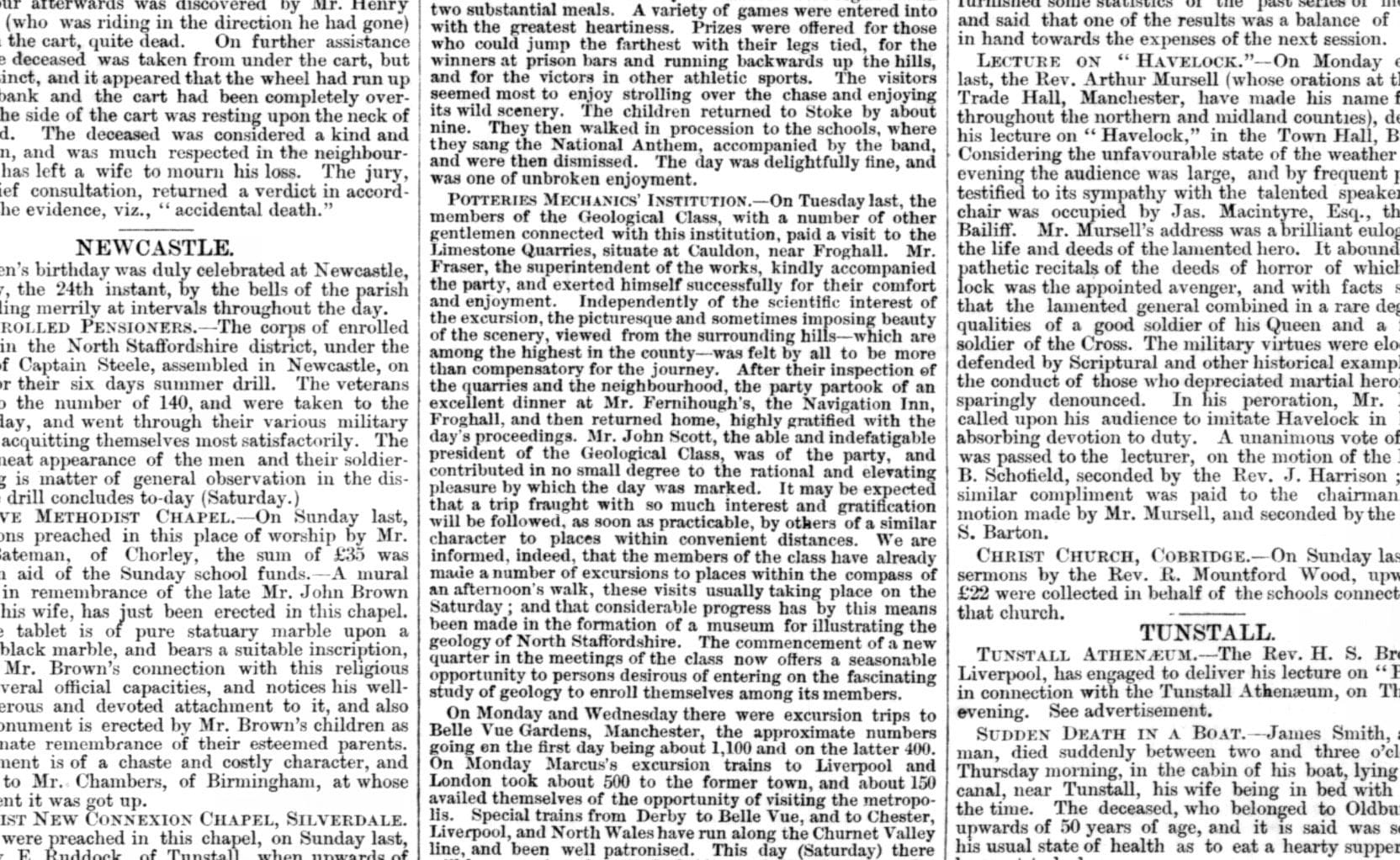
Two years later things were rather more civilised. The geology class of the Potteries Mechanics' Institution toured the limestone quarries at Cauldon, then sat down to an excellent dinner at Mr Fernihough's, the Navigation Inn.
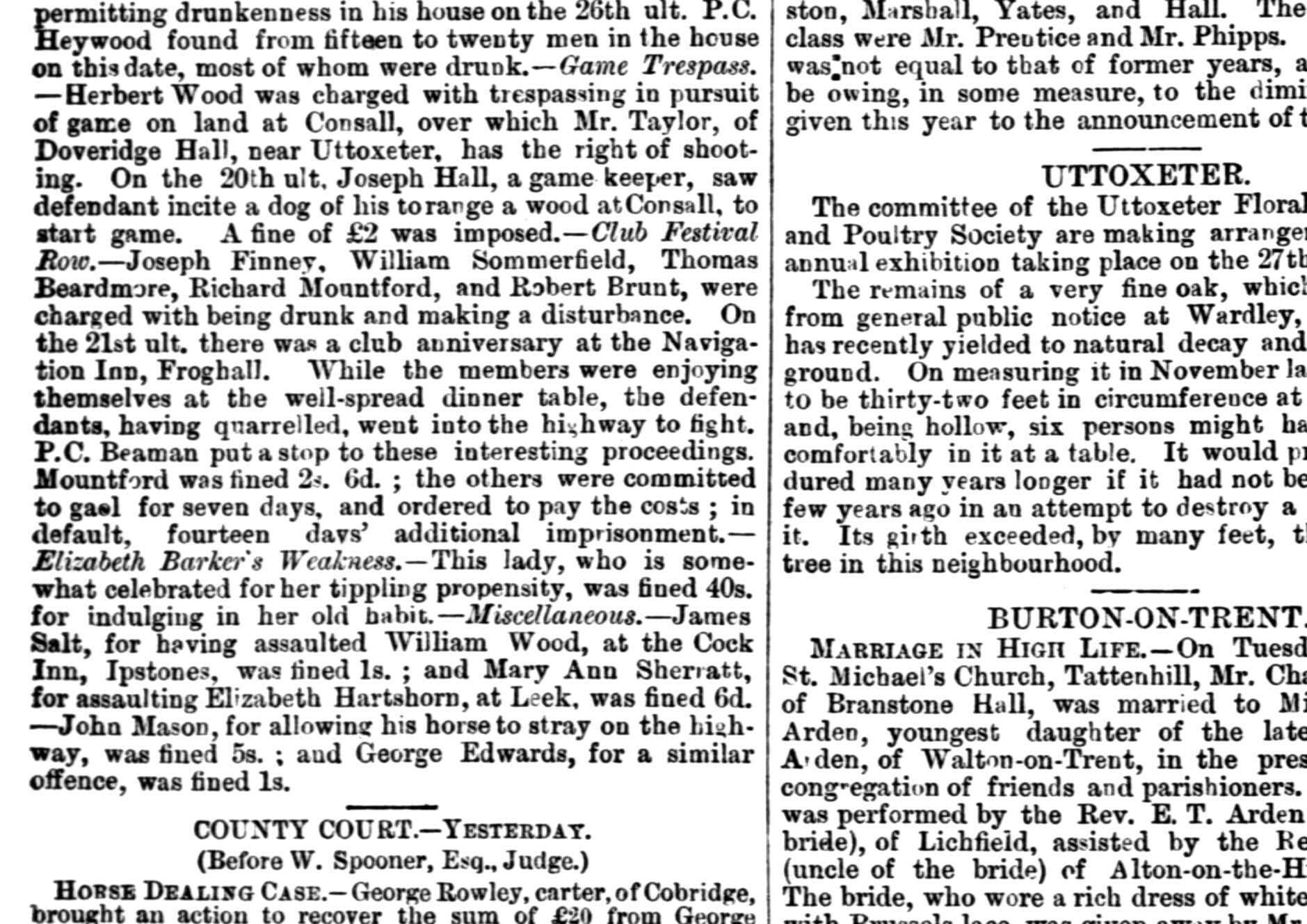
In 1869, a club anniversary dinner at the inn ended with five men taking a quarrel out onto the highway. One was fined half a crown, and the other four were sent to gaol for seven days.
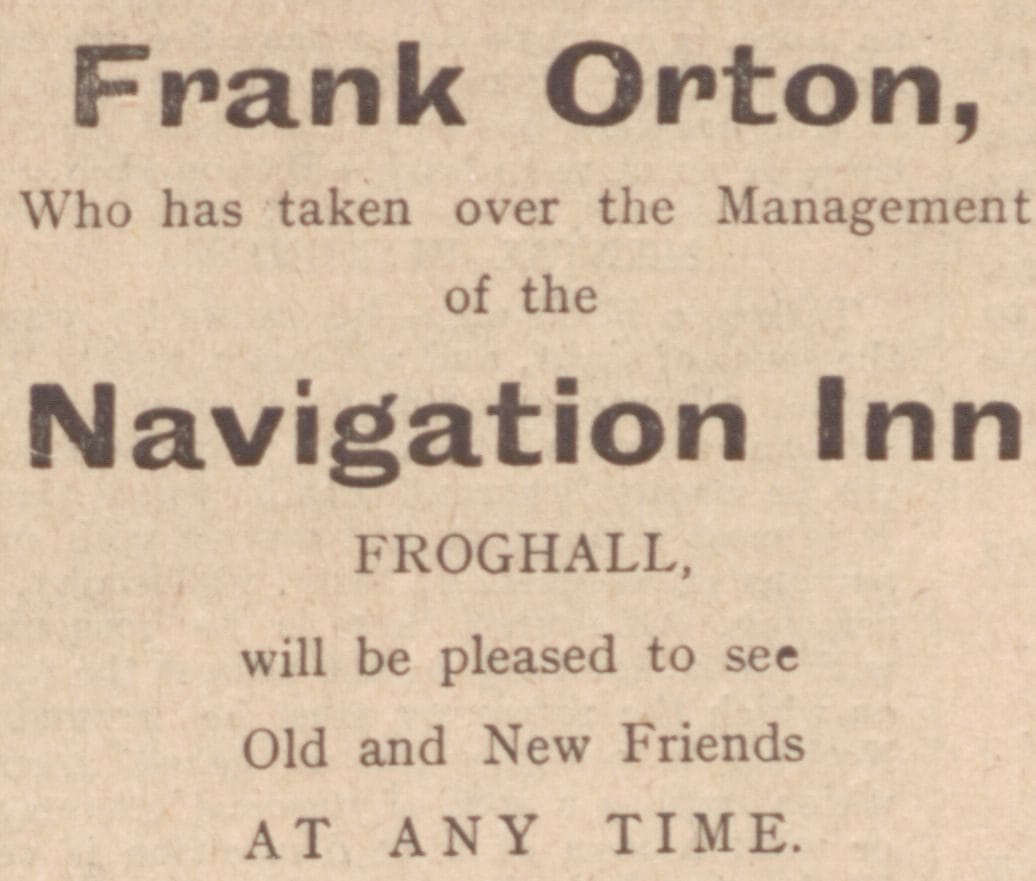
By 1931, a new landlord, Frank Orton, was telling readers of the Cheadle and Tean Times that he would be pleased to see old and new friends, at any time.
Bolton's, the 1940s and the 1950s
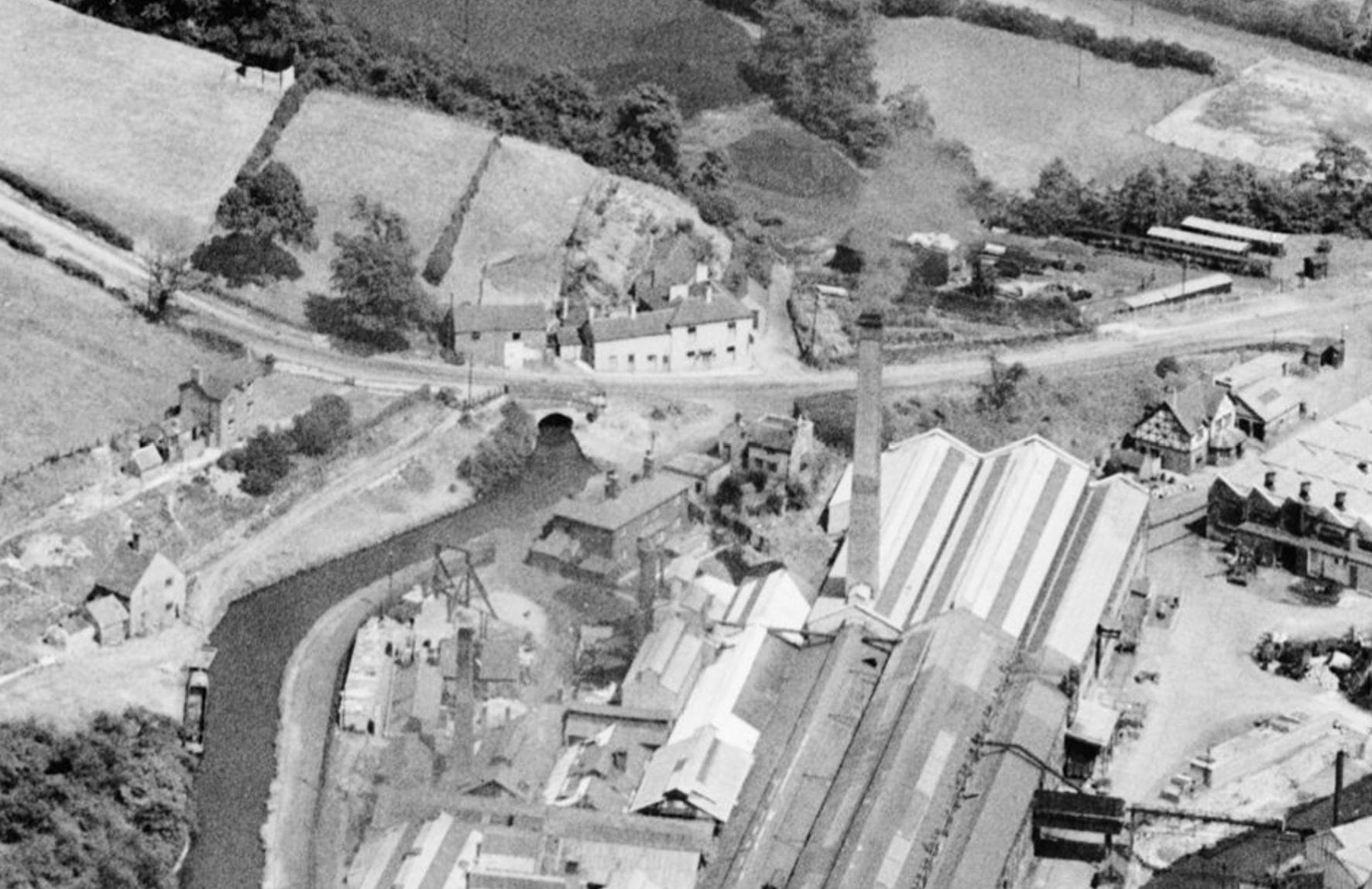
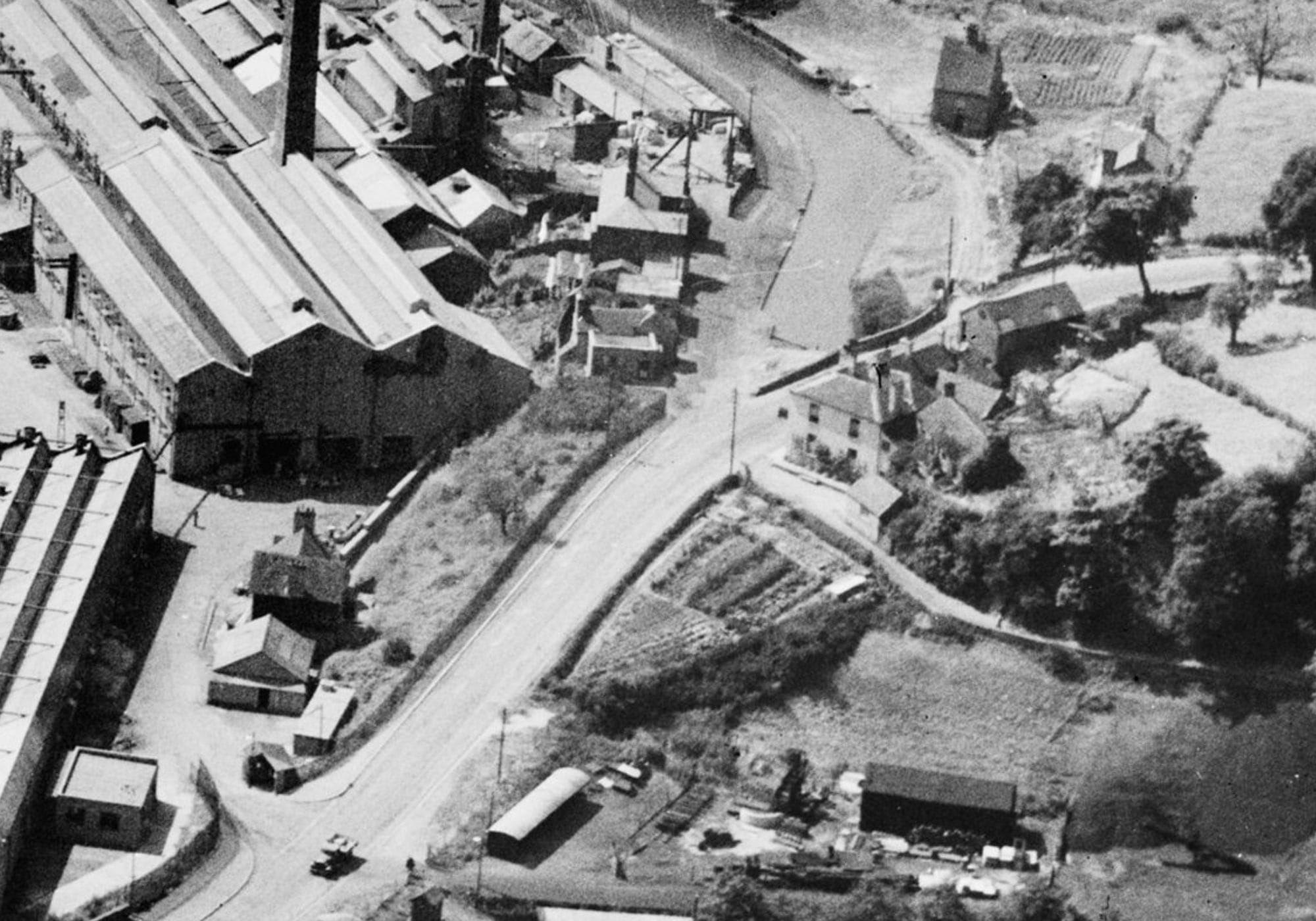
Aerial photos from the 1940s show the inn as a long, whitewashed building on the bend of the road, right above the tunnel mouth, with Bolton's copper works filling the valley beside it. It wasn't alone. Several canalside houses stood here too, some built by Bolton's for their workers, and all of them have since been lost.
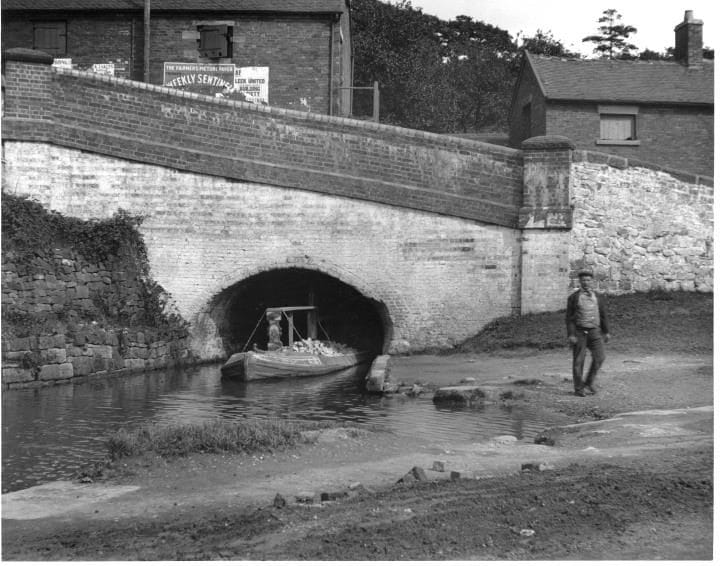
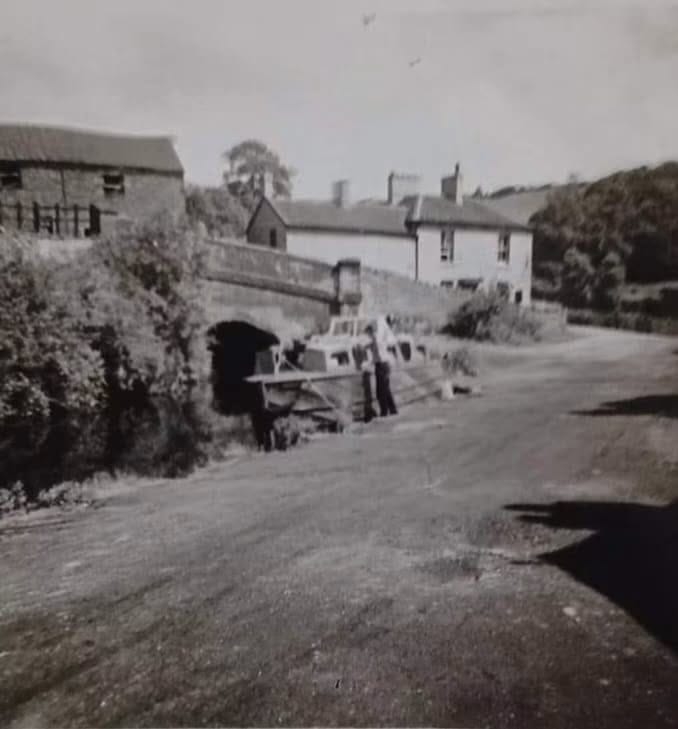
In the 1950s the licensee was a Mrs Sales, and this photo from that decade shows the Navigation standing proud behind the canal bridge.
The final years
The pub remained a landmark here for nearly two hundred years. In its later years it was turned into flats, and for a short time it even served as a cafe for Bolton's workers, before it was finally demolished around 1974 or 1975.
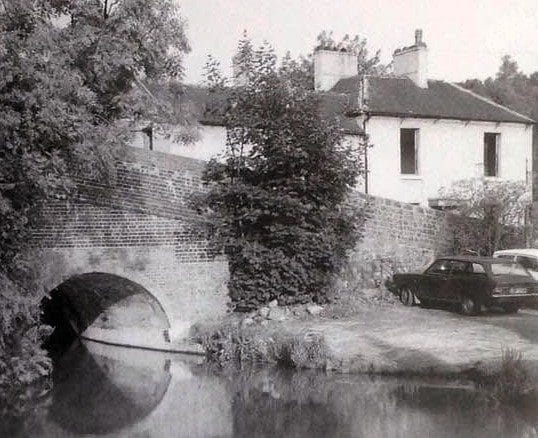
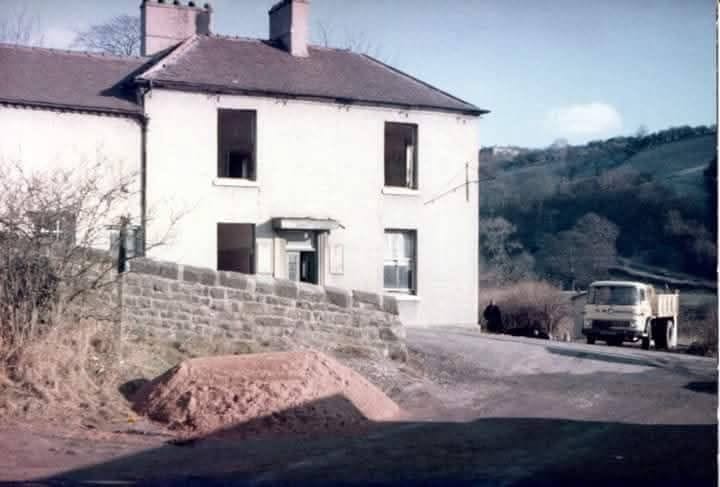
The Navigation in its later years, before demolition in the mid 1970s
Just a few yards past the old inn there was once a small shop, also long gone. Local memories include stories of a money box being found nearby, possibly linked to the shop or its owners. There was even some confusion over who owned the land at the time, and a portion of the find was reportedly declared Treasure Trove.
What's left today
Quite a lot, actually. There's a brick arch that looks like part of the cellar, maybe a cold store or where they kept the beer, and you can still see the courses of brick in the vault, cracked but still holding on.
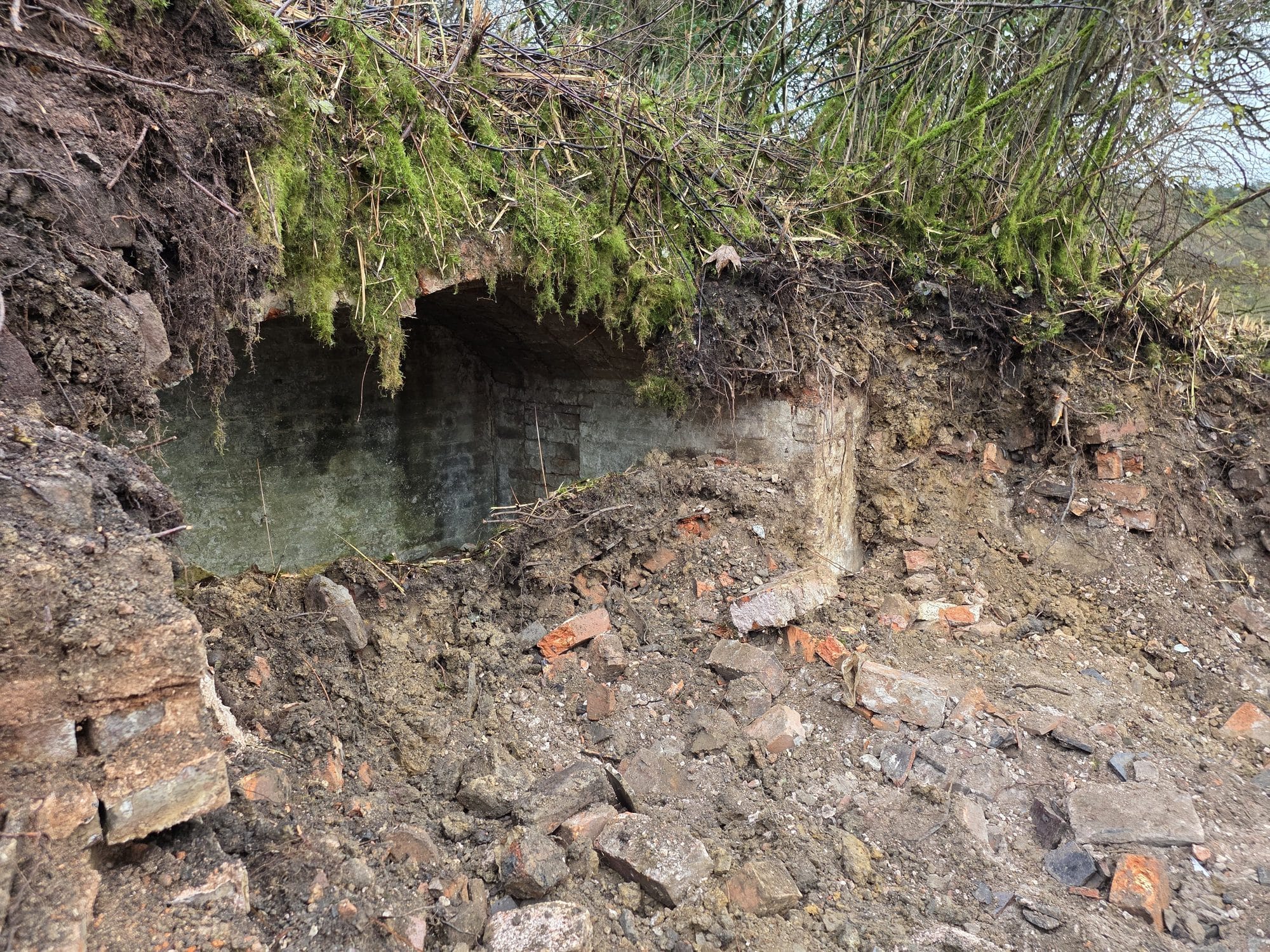
Along from it is a wall of white glazed tiles with a band of green below. My guess is it was a toilet, or maybe somewhere to store meat if they were serving food. There's an old ceramic Belfast sink half buried in the soil, which as far as I can tell is still in one piece, and the big stone walls along the back would have held up the bank behind the building.
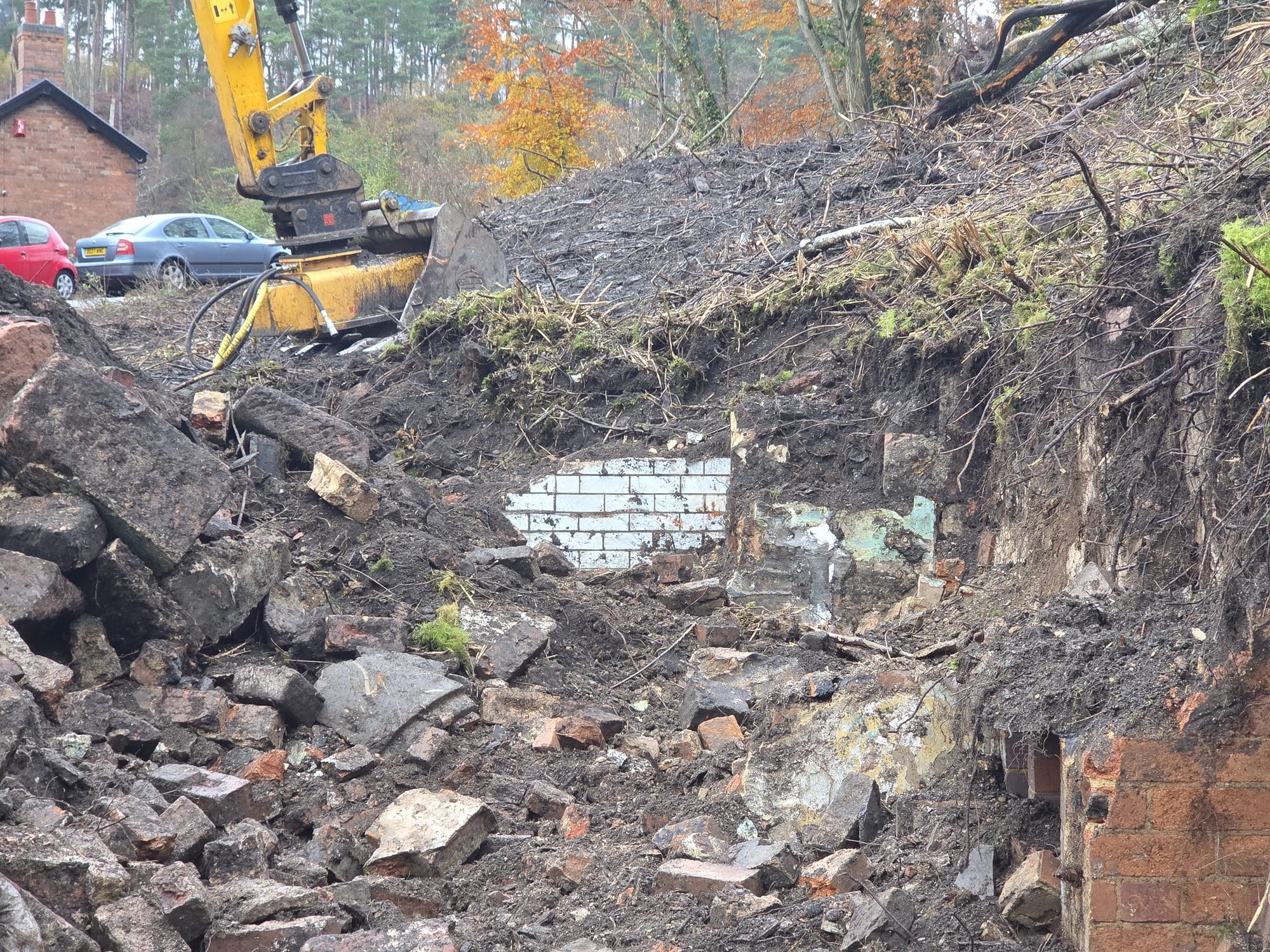
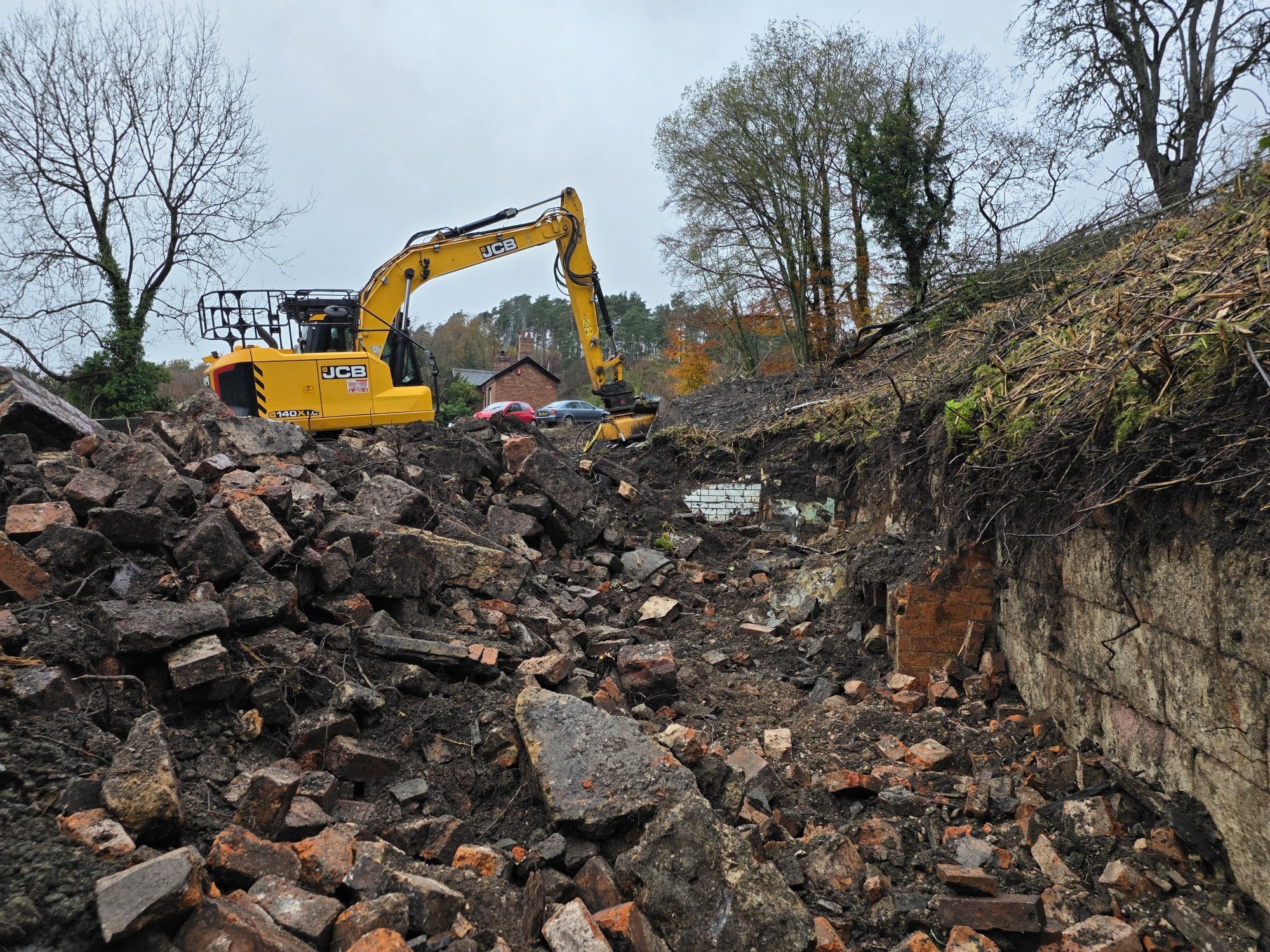
The tiled wall and the stone walls at the back of the site. Photos: Jenna Goodwin / The Red Haired Stokie
There are stamped bricks in the rubble, and fragments of pottery and tile everywhere you look. One brick carries the maker's mark of the Potteries Brick Company Limited, and bits of the old red quarry tiled floor are still peeking out from under the rubble.
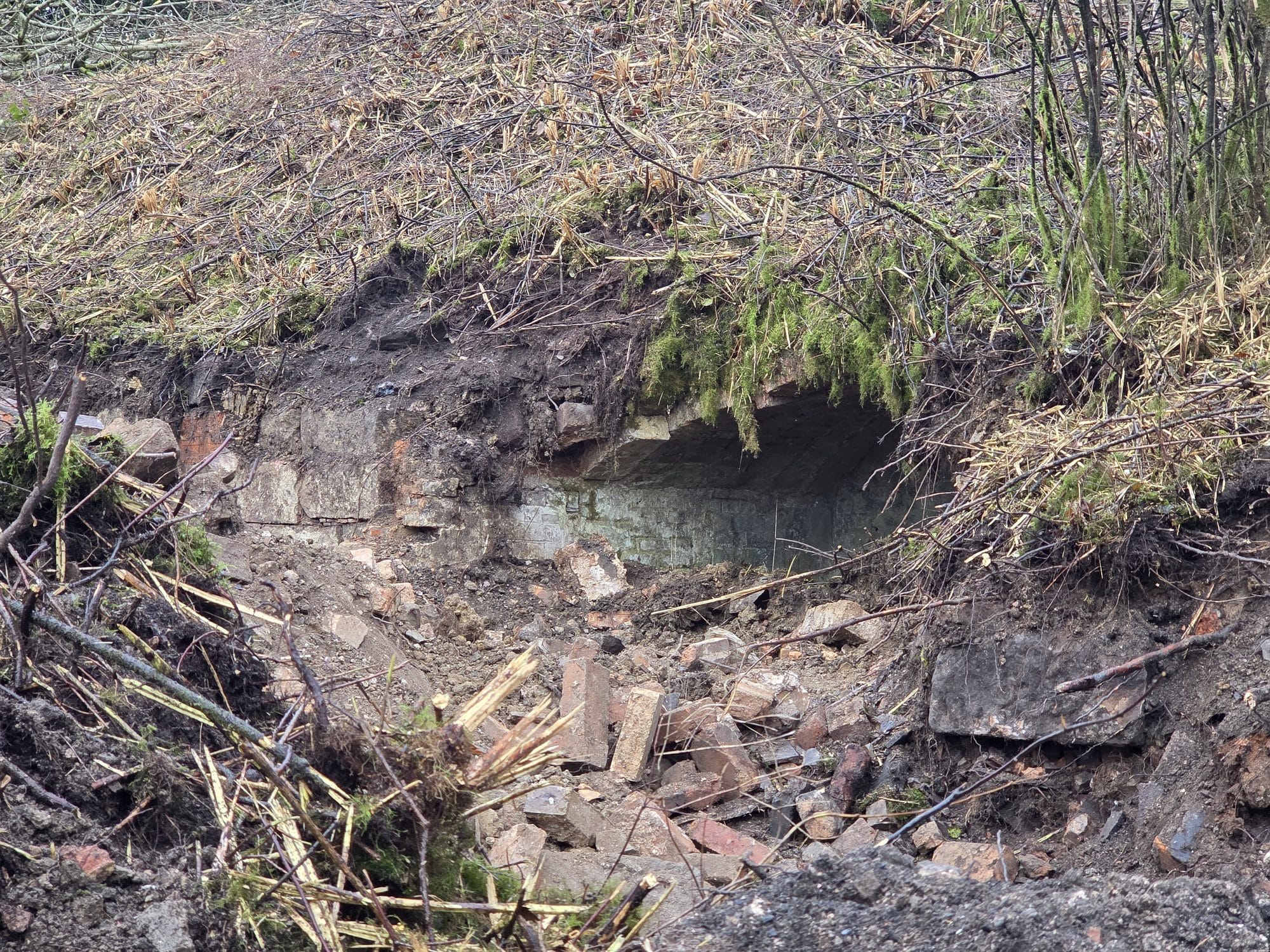
Though little remains above ground today, this was once a busy little canalside community, full of life, trade and stories, now slowly fading into memory.
Do you remember the Navigation?
If you remember the Navigation Inn, had a pint there, or know anything about the little shop or the money box, I'd love to hear from you. Leave a comment under the video on YouTube or get in touch through the website.