Ancient Upon Abbey: A Photo Walk Through Burton’s Hidden Abbey
We followed the Ancient Upon Abbey trail around Burton-upon-Trent, from St Modwen and Andresey Island to a medieval infirmary hiding in a pub and a 1593 almshouse door beside the bins.

Burton-on-Trent is famous for beer. Say the name anywhere in Britain, and someone will mention Bass, Marmite, or the smell of the breweries on a warm day. But long before the first barrel rolled out of a Burton brewery, this was an abbey town, and the abbey shaped almost everything about the place: where the streets run, where the market sits, even why there is a bridge where there is a bridge.
The abbey itself is long gone, or so you would think. Follow the Ancient Upon Abbey trail from Discover East Staffordshire, and you start to realise it never really left. Bits of it are hiding in a pub, behind a manor house, under the paving slabs and set into the wall of a shopping centre. So on a grey, golden autumn day, armed with a camera, the dogs, and the free Discover East Staffordshire Trails App, we went looking.
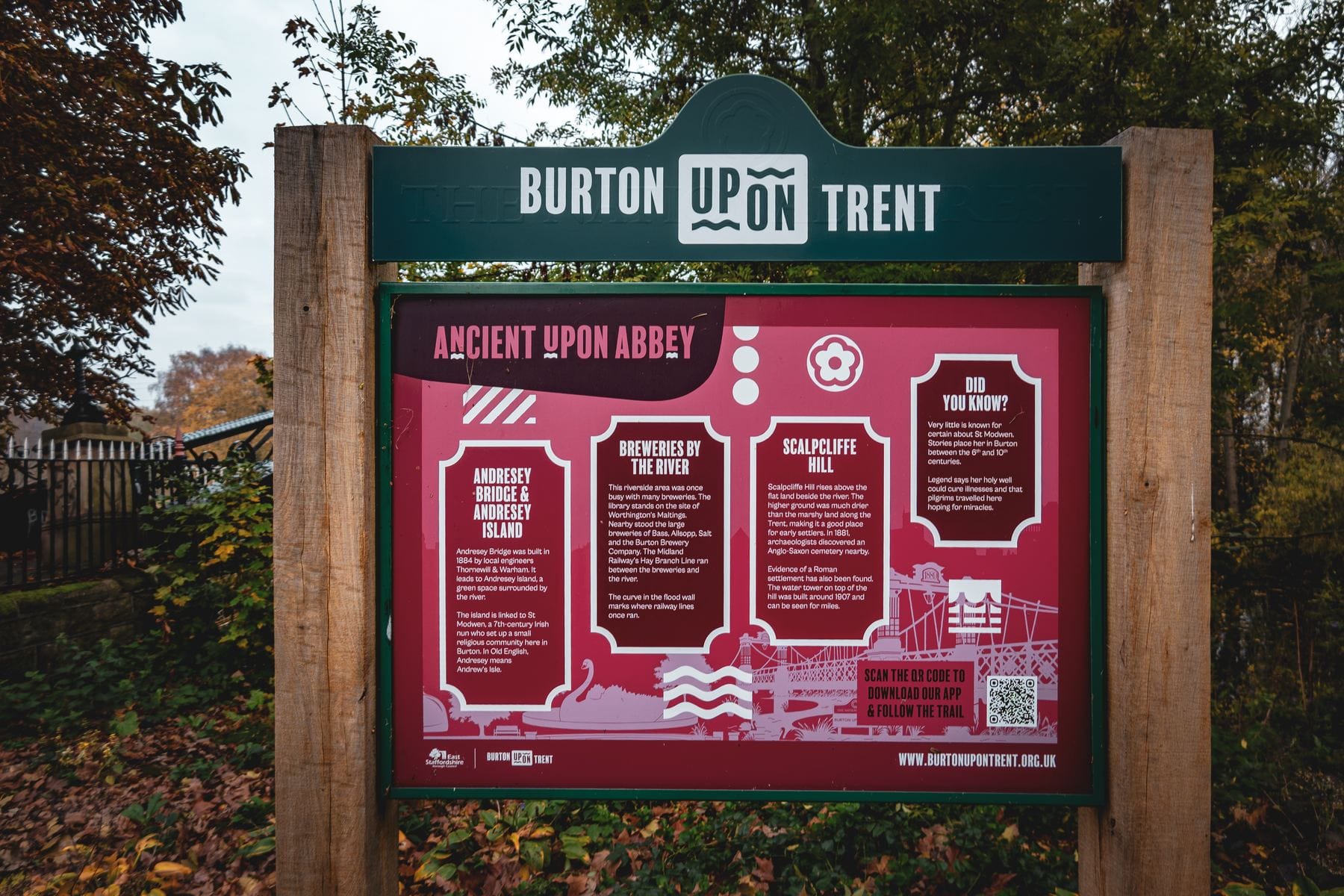
How to walk the trail
Ancient Upon Abbey was launched as part of the Burton Cultural Celebration, and it explores one of the earliest chapters of Burton’s story: the people, beliefs and communities that grew up around the abbey and the river. The route follows paths once walked by monks, passes the site of the former abbey, and takes in Andresey Island, where St Modwen’s early Christian community is believed to have stood.
The easiest way to follow it is through the free Discover East Staffordshire Trails App, available on the App Store and Google Play (just search "Discover East Staffordshire"). We downloaded it before setting off, and it guided us between the stops, with the big maroon information boards filling in the stories along the way. It is a gentle, flat stroll around the town centre and the Washlands, ideal for families, dog walkers and anyone with a camera who likes to dawdle. Which, in our case, was a lot of dawdling.
The Washlands: where the story begins
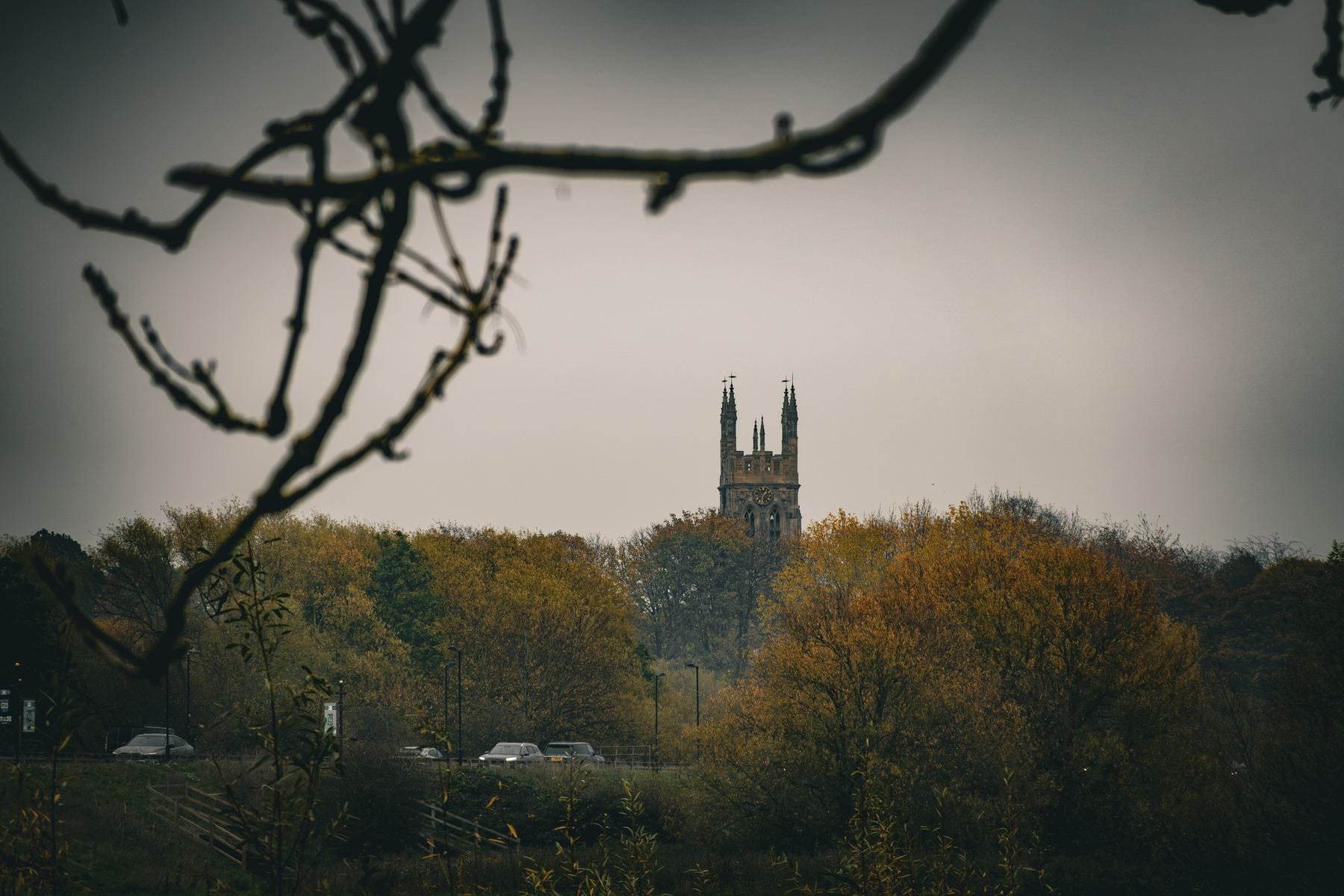
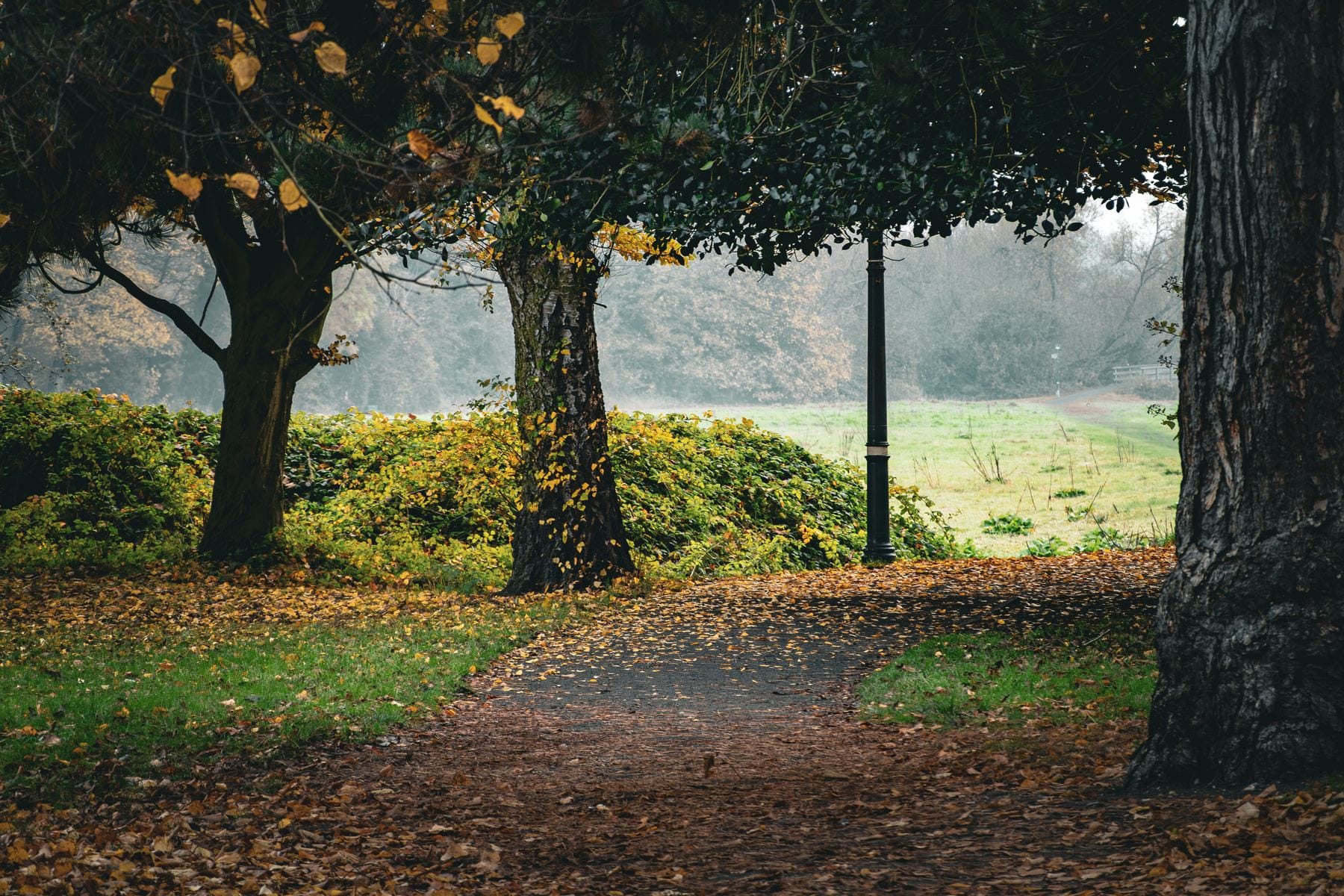
We started out on the Trent Washlands, the wide green floodplain between Burton and Stapenhill. It is a strange and lovely place, half park and half wild meadow, and in autumn it is all copper leaves, mist and long views across the water to the church tower on the far side.
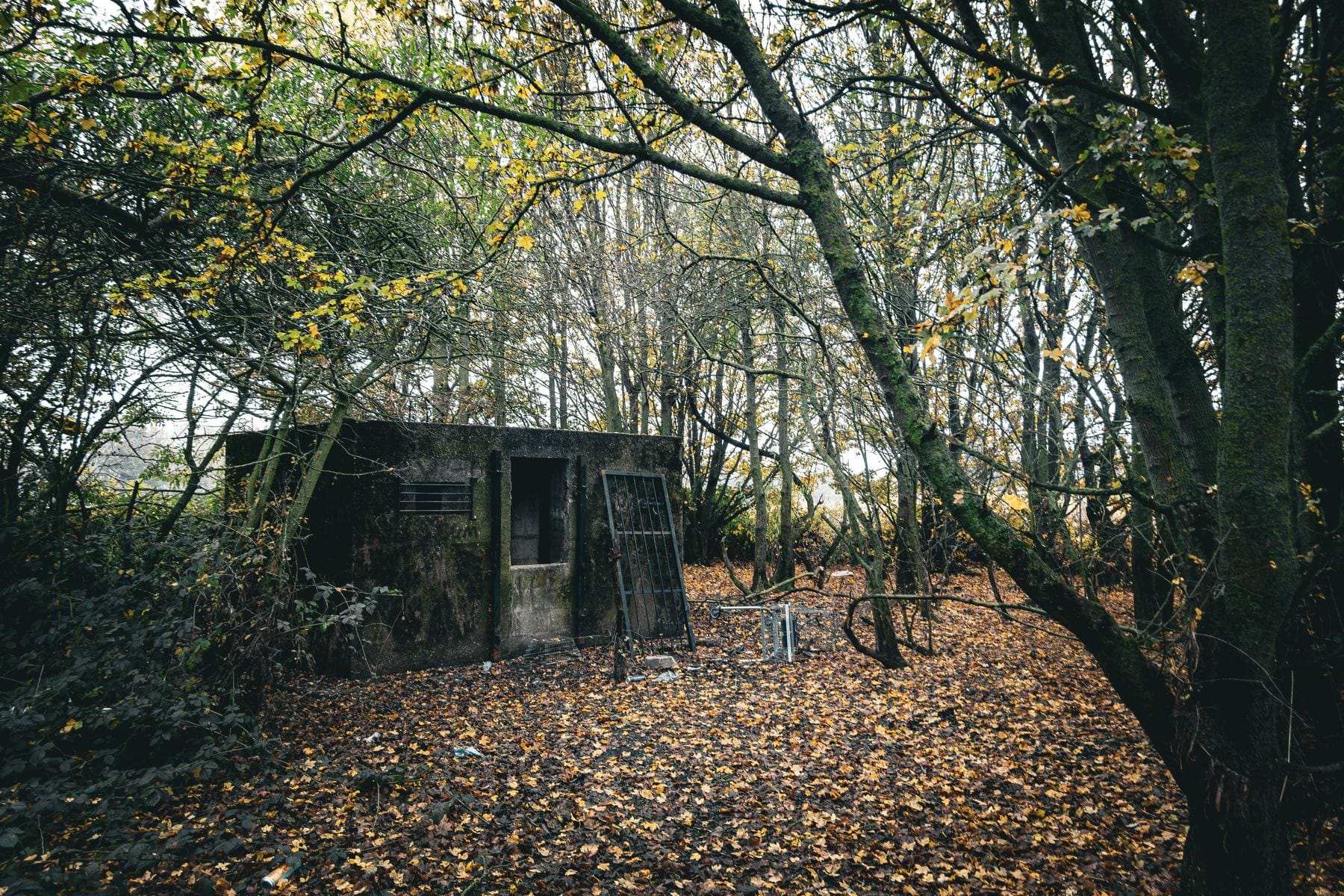
Tucked among the trees you will find a reminder of a far more recent chapter: a wartime pillbox, one of the concrete defences built when the river was part of Britain’s anti-invasion planning. Nature has very much reclaimed it.
Stretching across the meadows is the Stapenhill Viaduct, the raised walkway that leads to the Ferry Bridge. For centuries the only way across the Trent here was by boat; a ferry was running by 1467 and was controlled by the abbey. In 1889, brewing magnate Michael Arthur Bass, later Lord Burton, gifted the town a footbridge to replace it. It opened on 3 April 1889 in front of a crowd of somewhere between eight and ten thousand people, which tells you how much the people of Stapenhill were looking forward to not getting their feet wet. Bass then added the iron viaduct across the meadows so you could reach the bridge without wading through the floodplain.
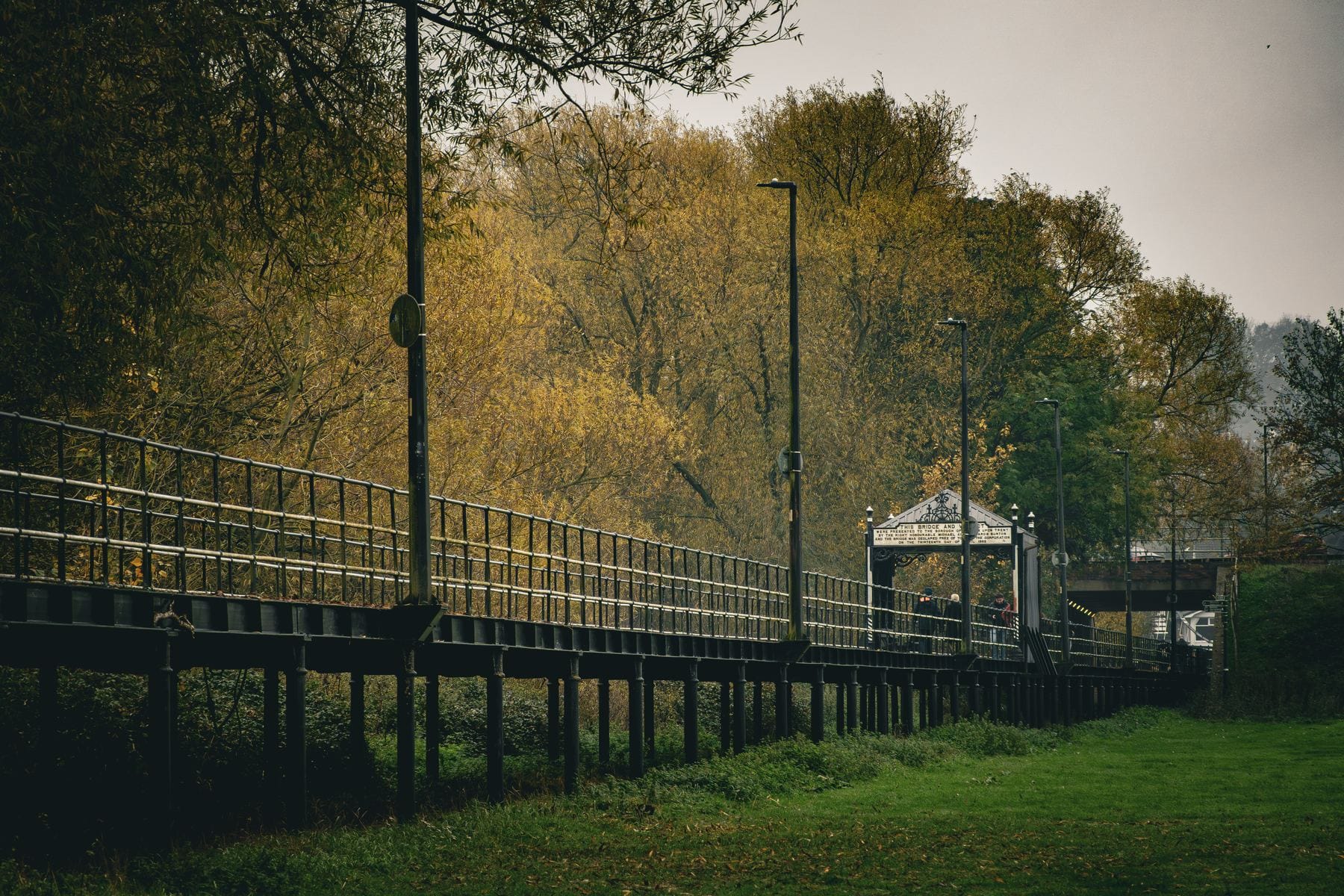
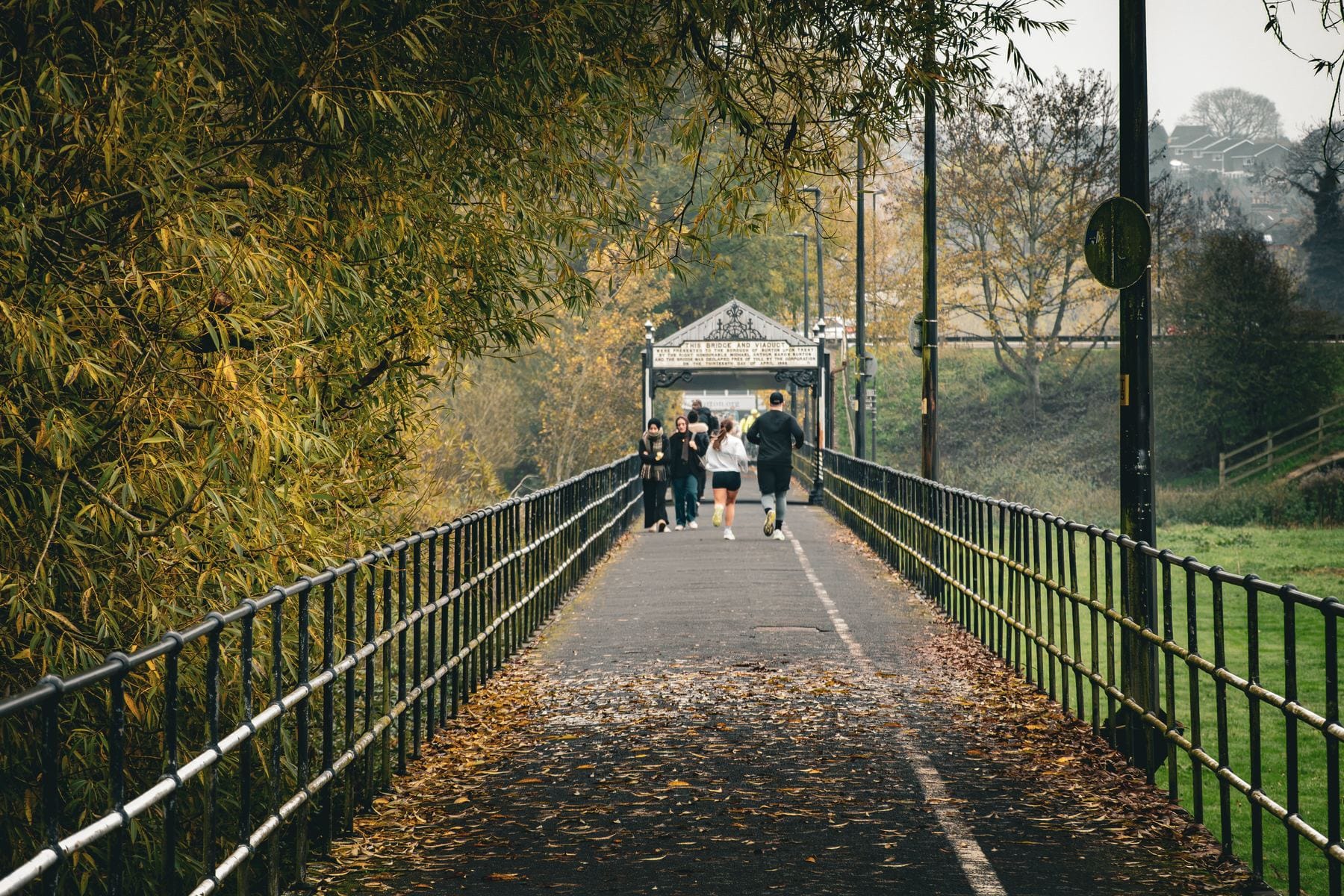
The Stapenhill Viaduct, carrying walkers over the floodplain to the 1889 Ferry Bridge.
St Modwen: the saint at the start of it all
Out on the grass stands one of Burton’s more unusual residents. This tall steel figure is St Modwen, created by John Fortnum in 1995 for the Washlands Sculpture Trail. It is a wind sculpture, so her head and shoulders turn to face the prevailing wind. One of the trail boards notes that some people love her and others find her a little eerie, especially when the wind makes her seem to whisper. We will leave you to decide which camp you fall into.
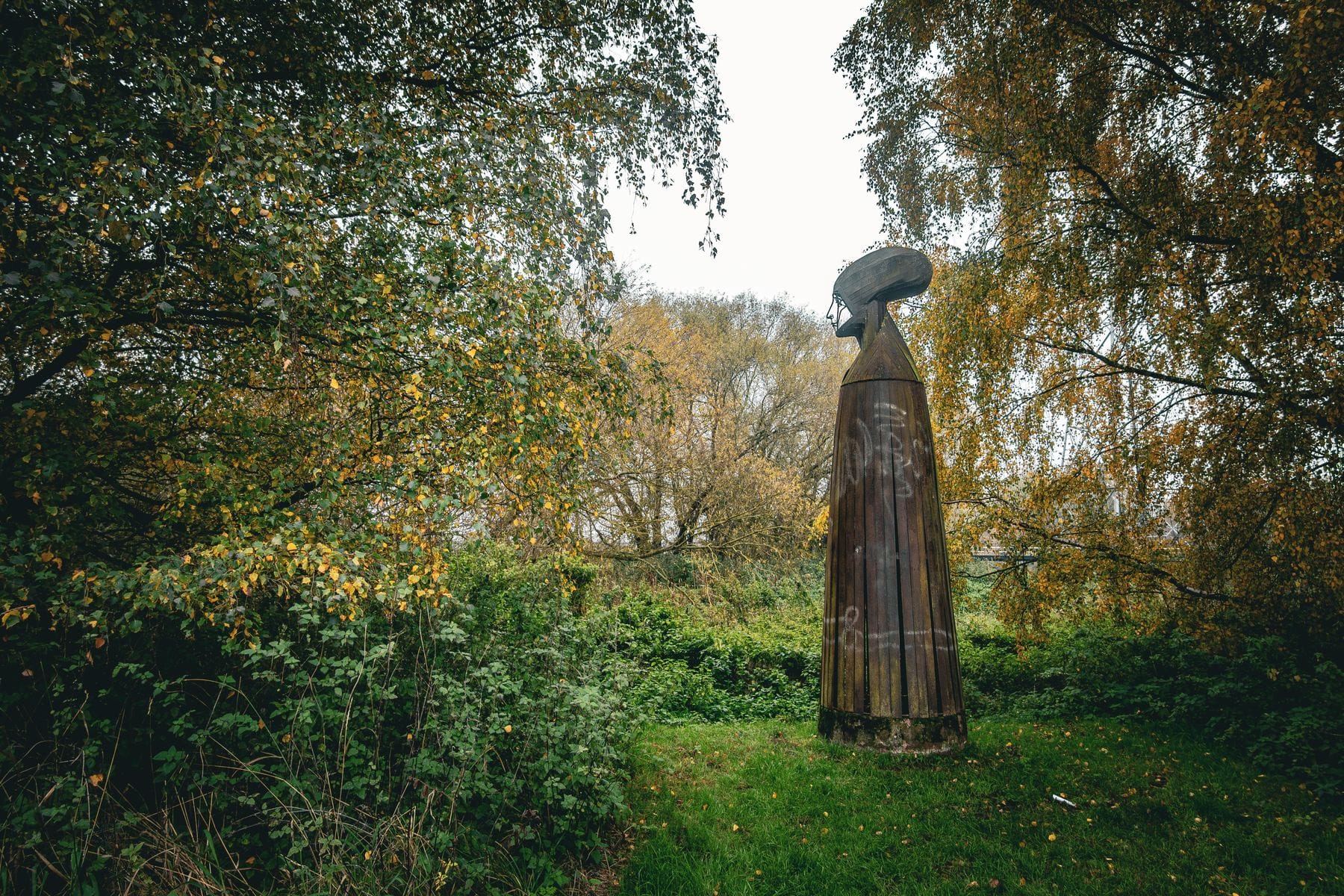
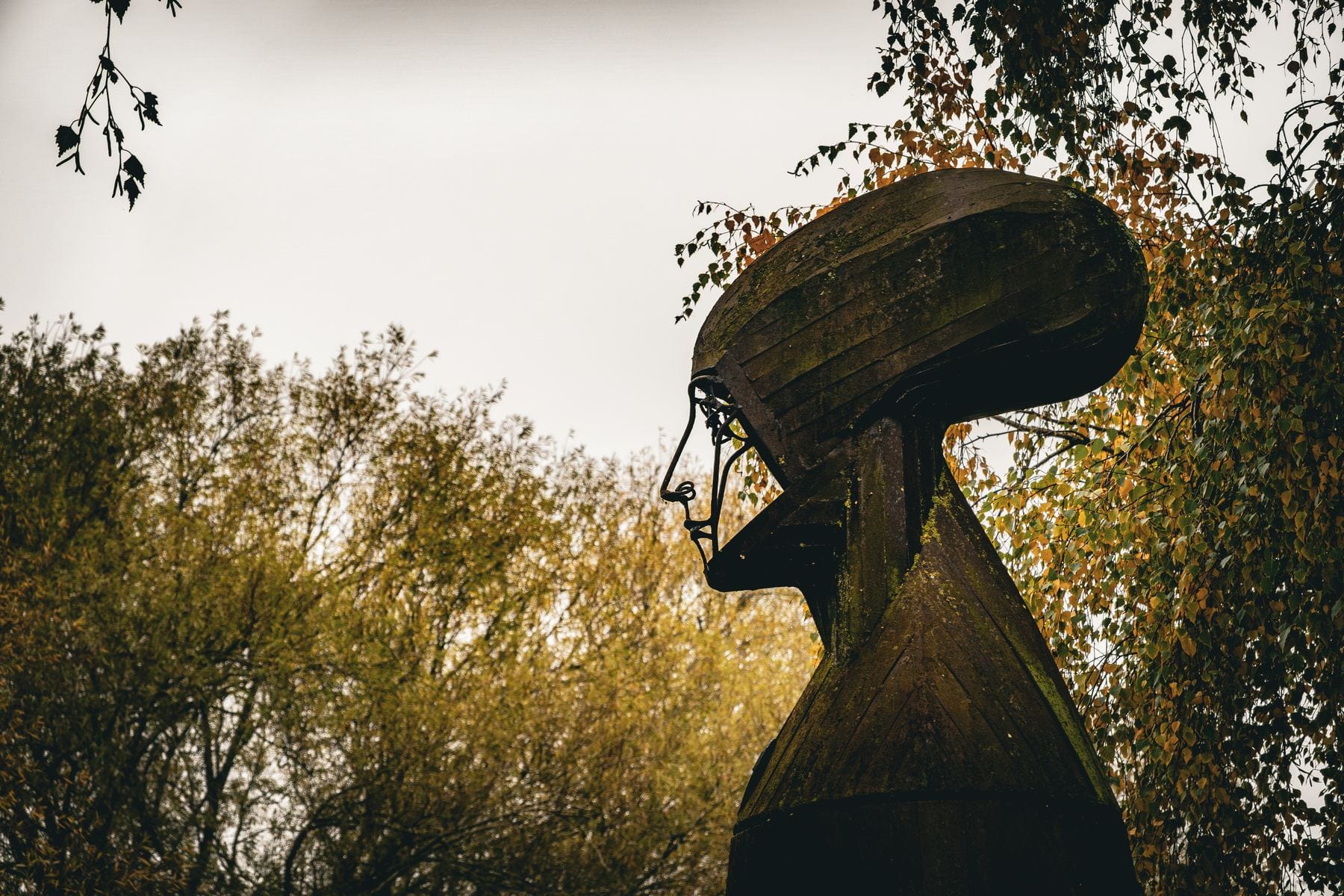
St Modwen, keeping an eye on the Washlands since 1995.
Modwen herself is a bit of a mystery. Tradition says she was an Irish noblewoman and nun who came to Burton and founded a small religious community on an island in the Trent, the island we now call Andresey, which means Andrew’s Isle in Old English. Very little is known for certain; stories place her here anywhere between the 6th and 10th centuries. Legend says her holy well could cure illness and that pilgrims travelled to Burton hoping for miracles. Whatever the truth, she became Burton’s patron saint, and the abbey that followed was dedicated to St Mary and St Modwen.
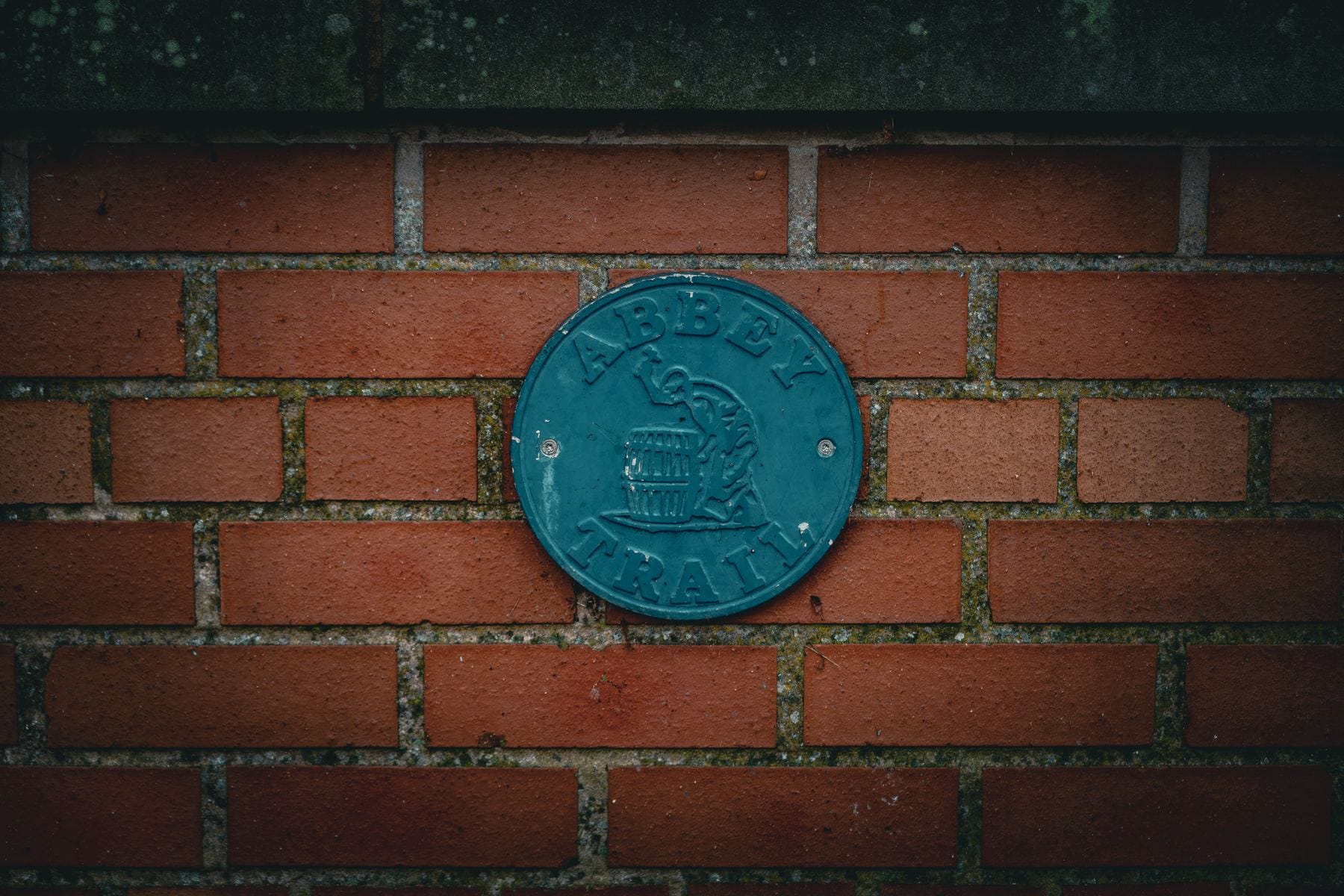
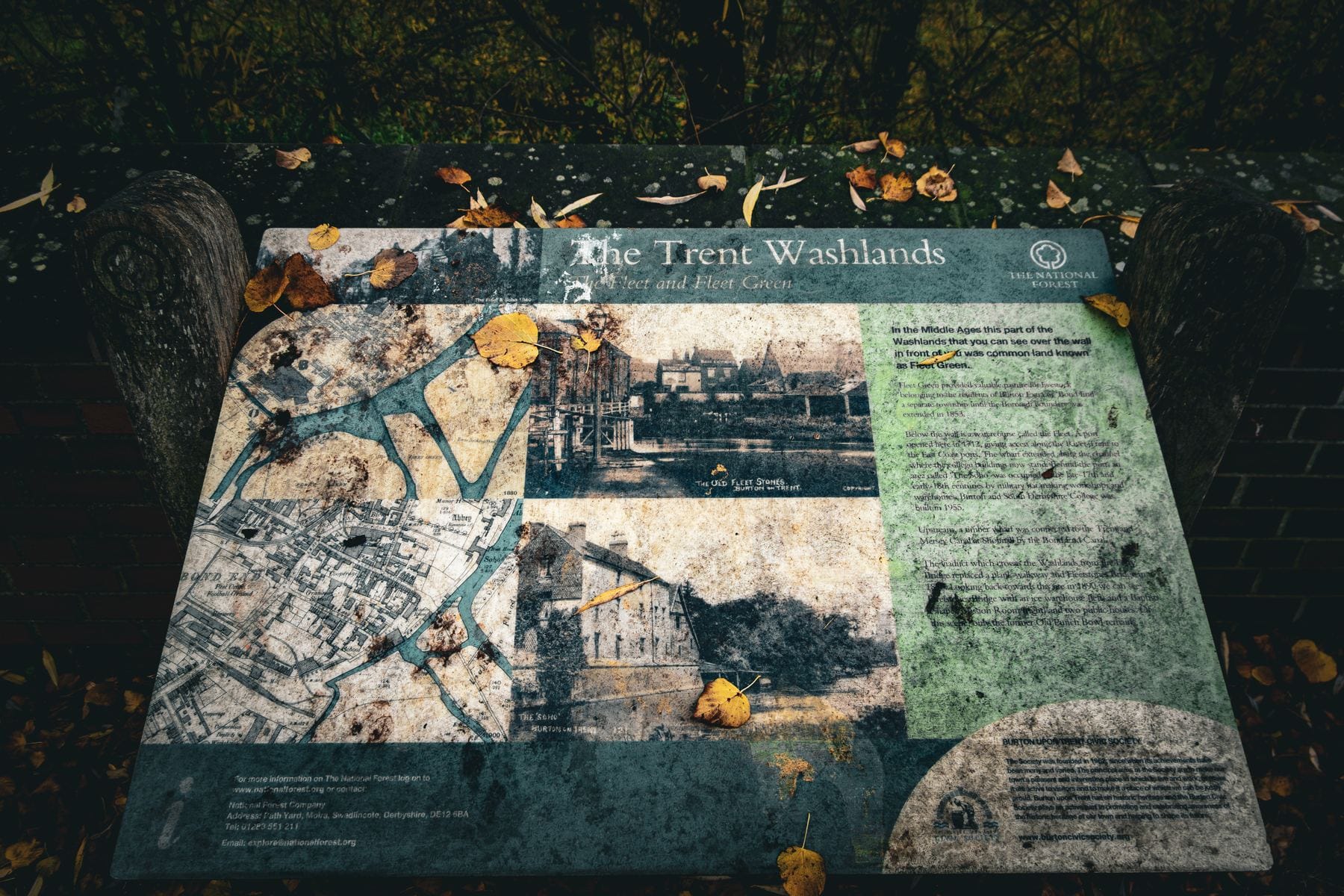
Keep your eyes peeled for the little round Abbey Trail plaques and the Washlands boards along the way.
The war memorial
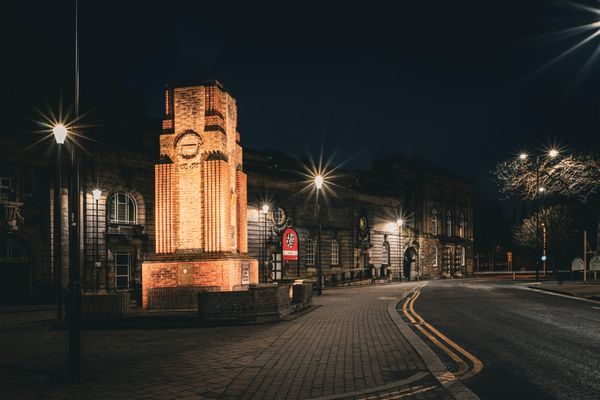
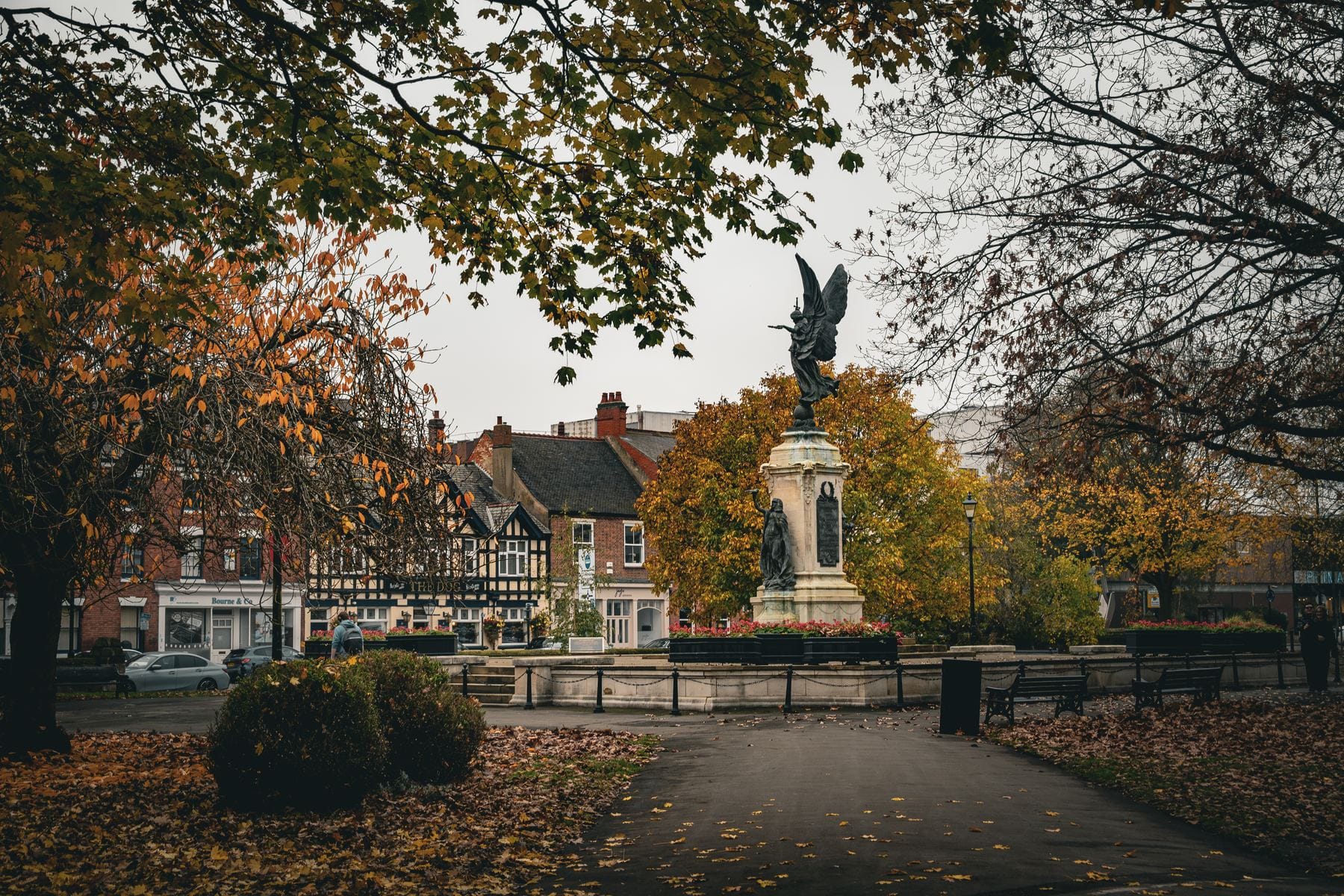
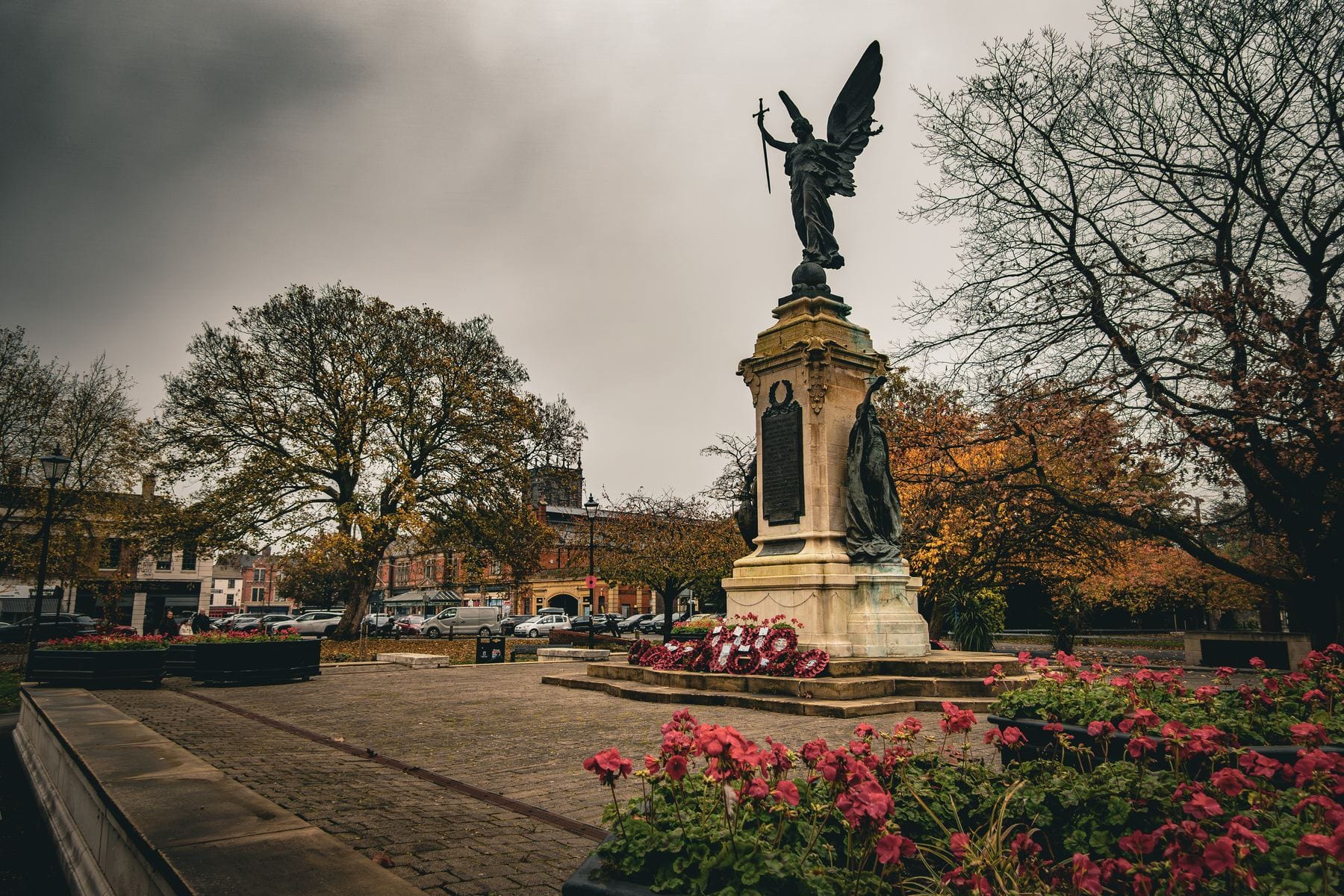
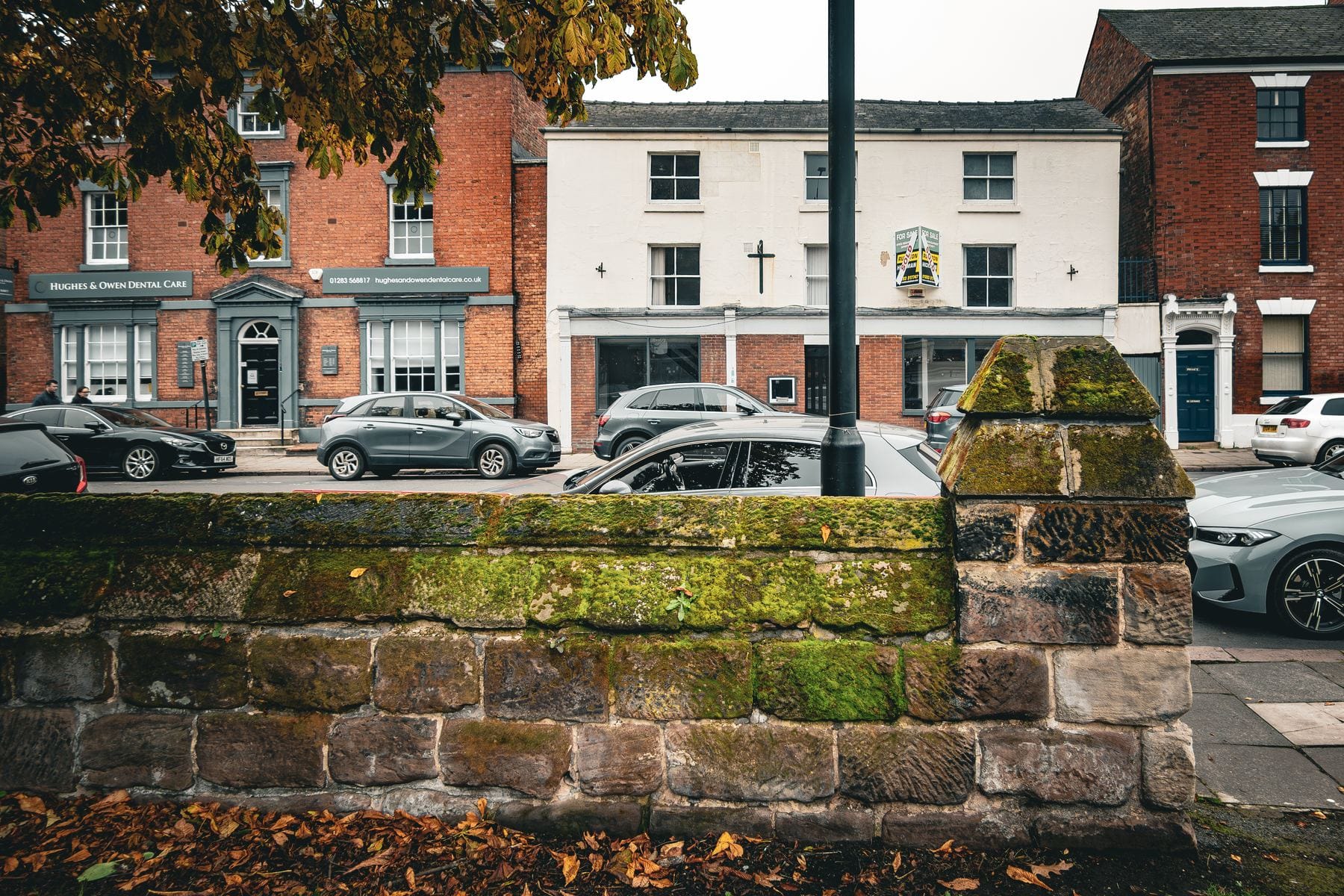
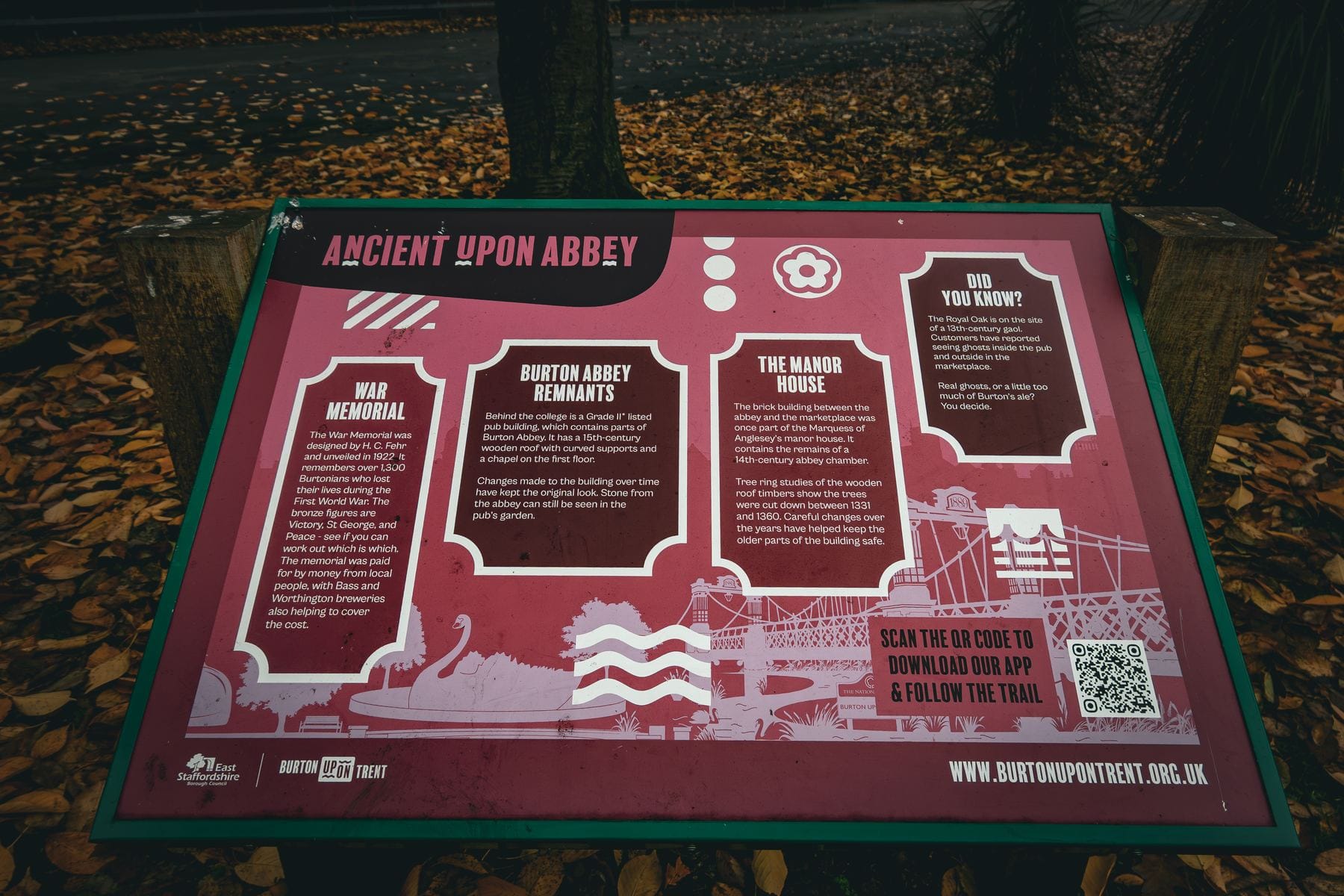
Heading up into town, the trail takes you to the Memorial Gardens off Lichfield Street, in front of Burton and South Derbyshire College. The war memorial here is a real showstopper. It was designed by the sculptor Henry Charles Fehr and unveiled on 2 August 1922 by the Earl of Dartmouth. It remembers more than 1,300 Burtonians who lost their lives in the First World War, and those who died in the Second World War are commemorated here too.
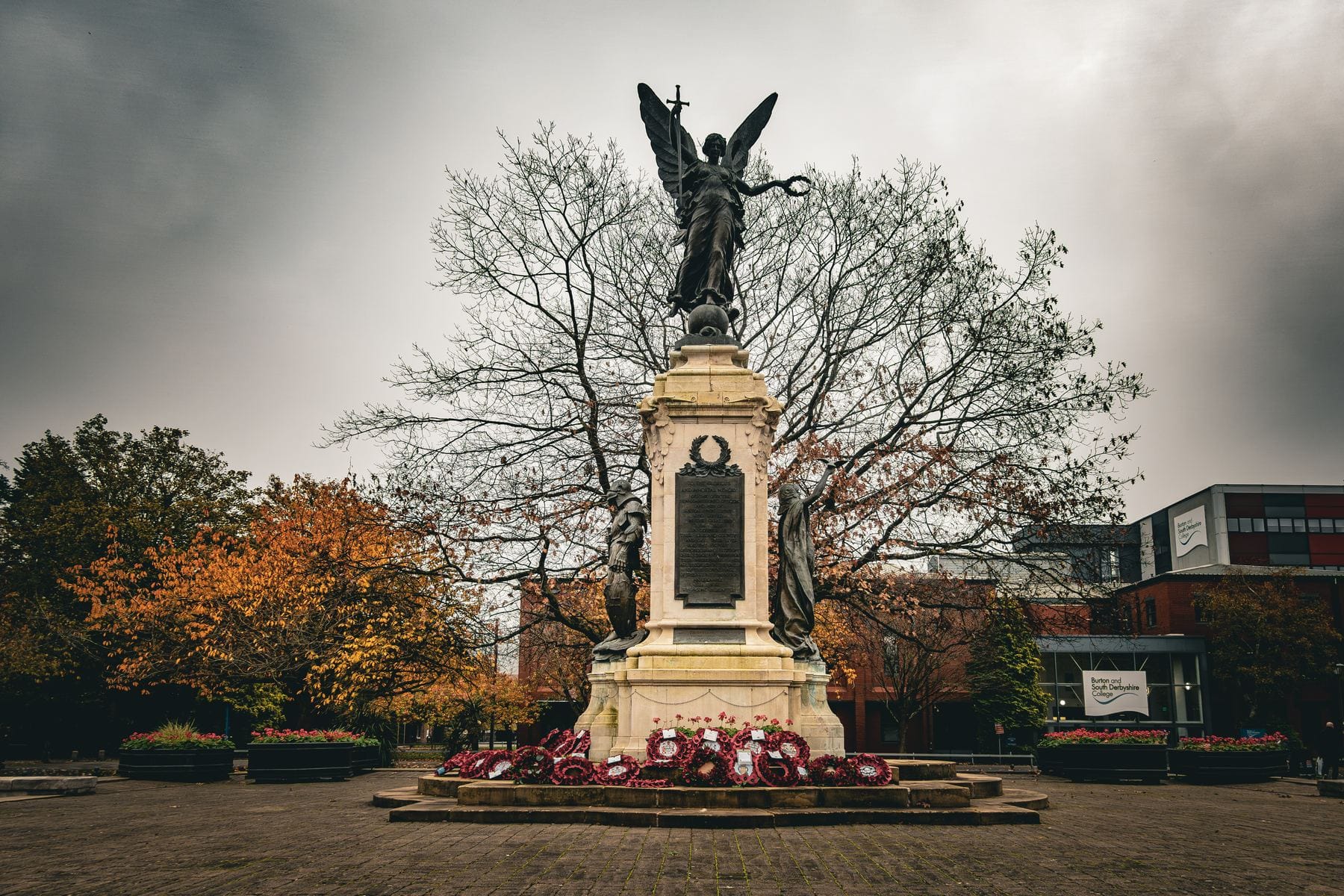
The bronze figures are Victory, St George and Peace, and the trail board challenges you to work out which is which. (Hint: one of them has wings, one has a sword, and one is noticeably calmer than the other two.) The memorial was paid for with money raised by local people, with the Bass and Worthington breweries helping to cover the cost. It is Grade II* listed today.
Burton Abbey: a thousand years in the making
Now for the main event. Burton Abbey was refounded as a Benedictine monastery in the early 11th century by Wulfric Spot, a wealthy Mercian nobleman. King Æthelred confirmed the foundation in a charter of 1004, and Wulfric was buried in the abbey cloister. Over the following centuries, the abbey dominated the town, owning land, running the markets and controlling the river crossings. It was never a huge house, though; at its height in the 13th century there were around 30 monks, and the abbey’s annals became an important record of medieval English history.
It all came to an end with Henry VIII. The abbey was surrendered in 1539, briefly became a college, and its estates passed to Sir William Paget, whose descendants would become the Marquesses of Anglesey. Most of the monastic buildings were pulled down soon afterwards. Most, but not all.
The Abbey: a medieval infirmary hiding in plain sight
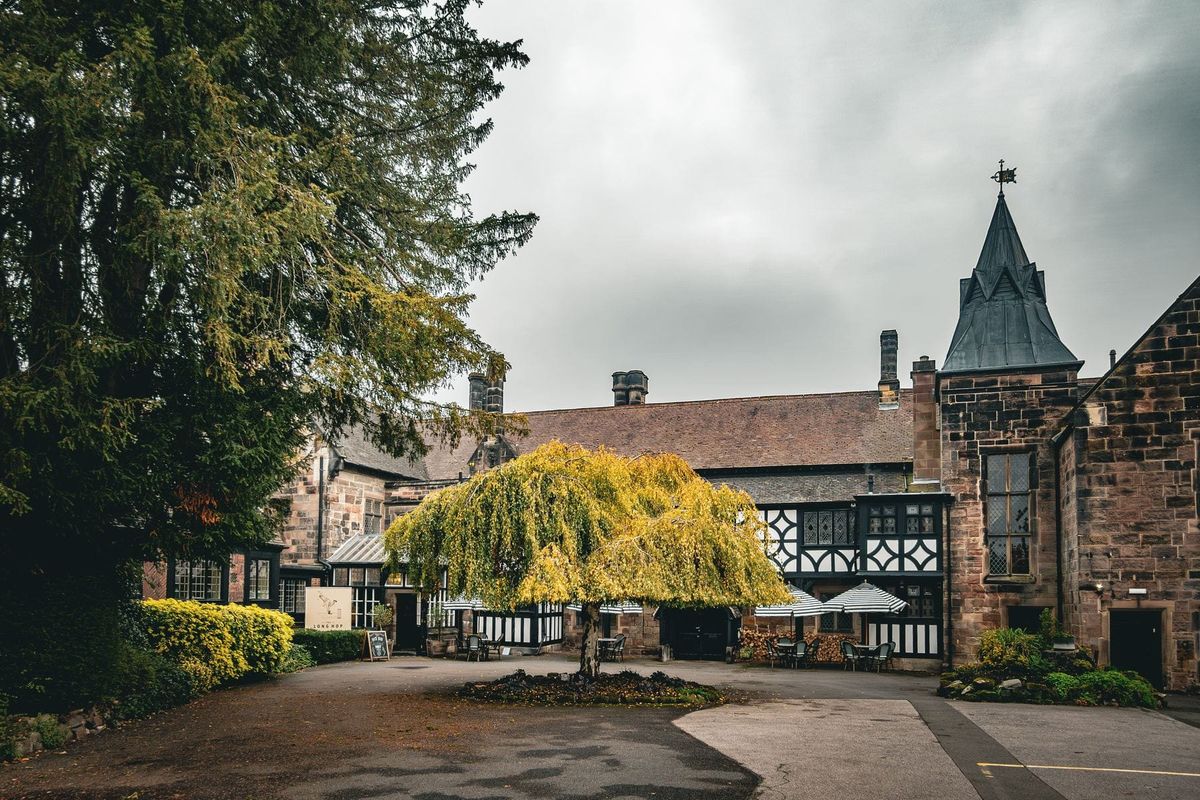
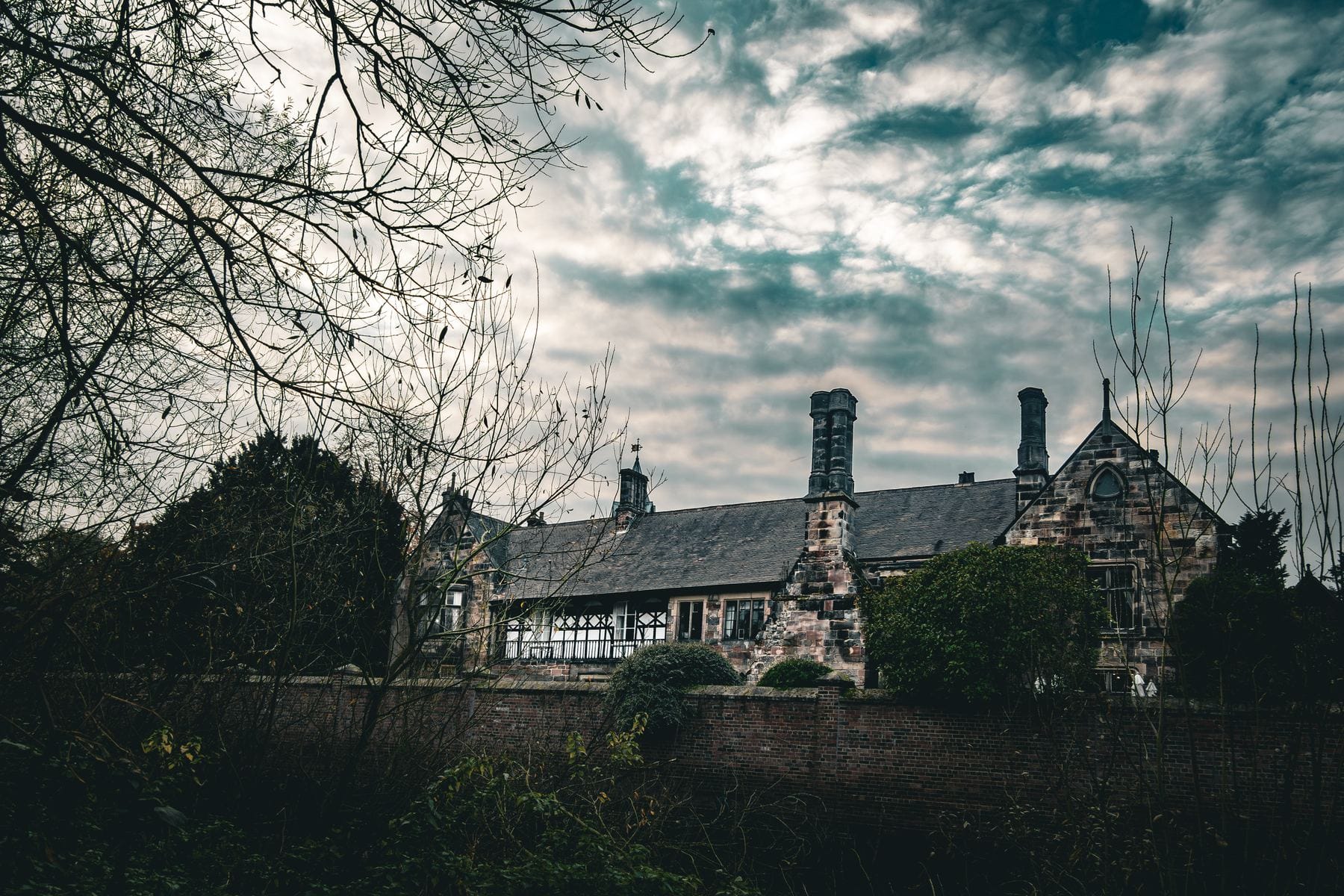
Behind the college sits a building that looks, at first glance, like a rather handsome Victorian house with a black and white frontage. Look closer, and you will spot medieval sandstone, a niche with a carved figure, and very old windows. This is The Abbey, a Grade II* listed building that contains the remains of the abbey’s 13th-century infirmary, where sick and elderly monks were cared for. It was enlarged in the 14th and 15th centuries, turned into a house in the late 19th century, became the Burton Abbey Club in 1910 and later a pub.
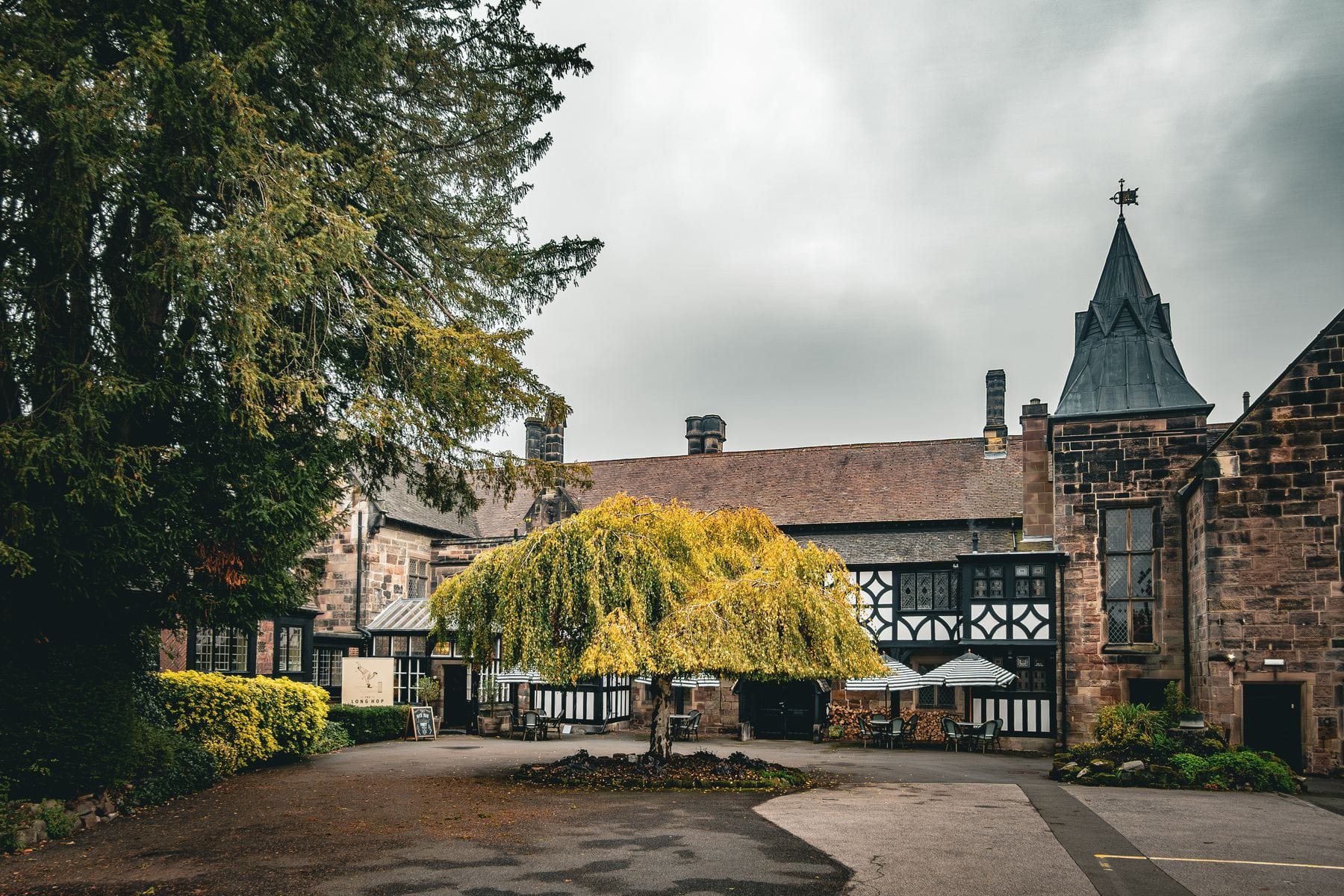
According to the trail, it still has a 15th-century wooden roof with curved supports and a chapel on the first floor, and stone from the abbey can be seen in the garden. Not many pubs can claim their beer garden has a monastic pedigree.
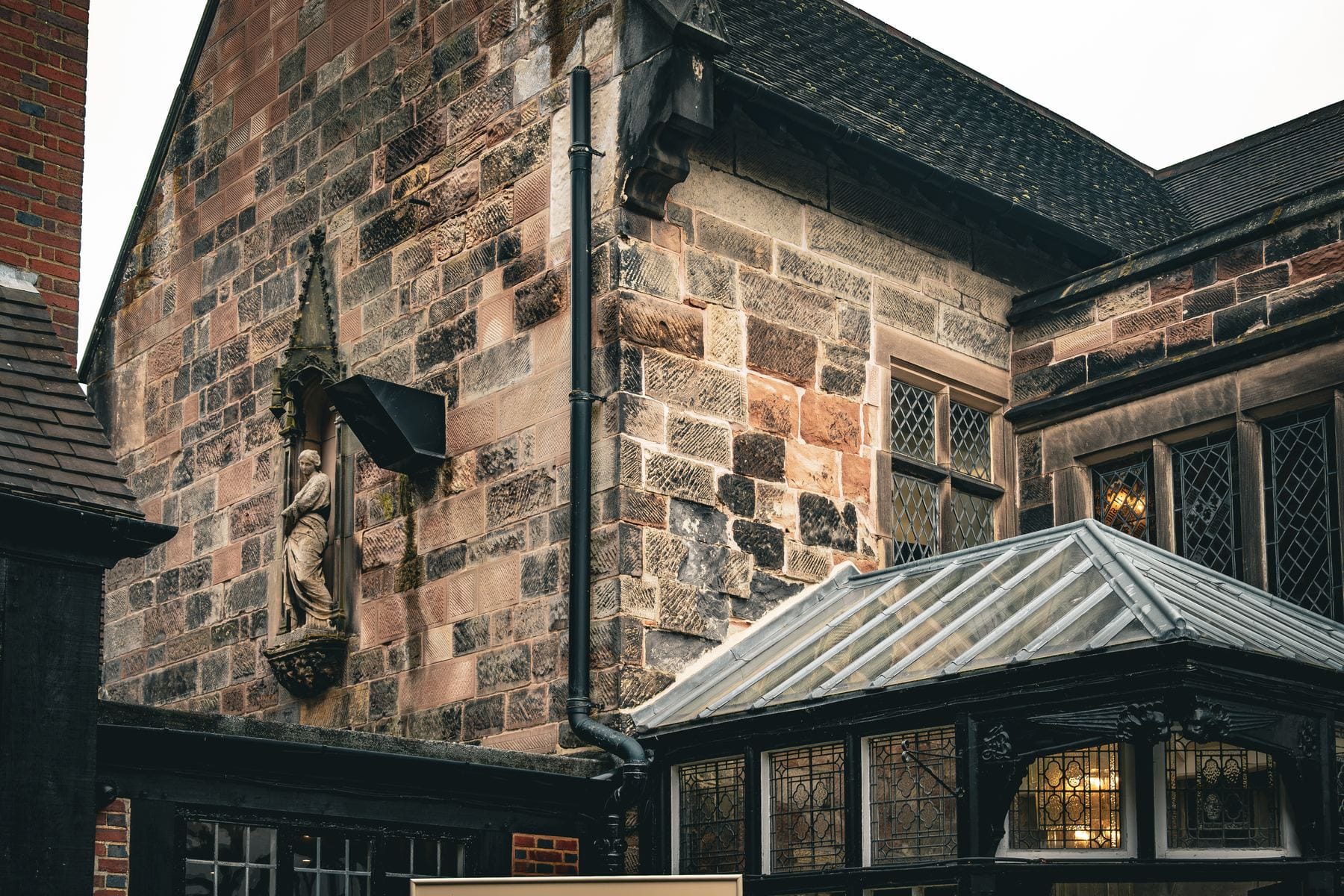
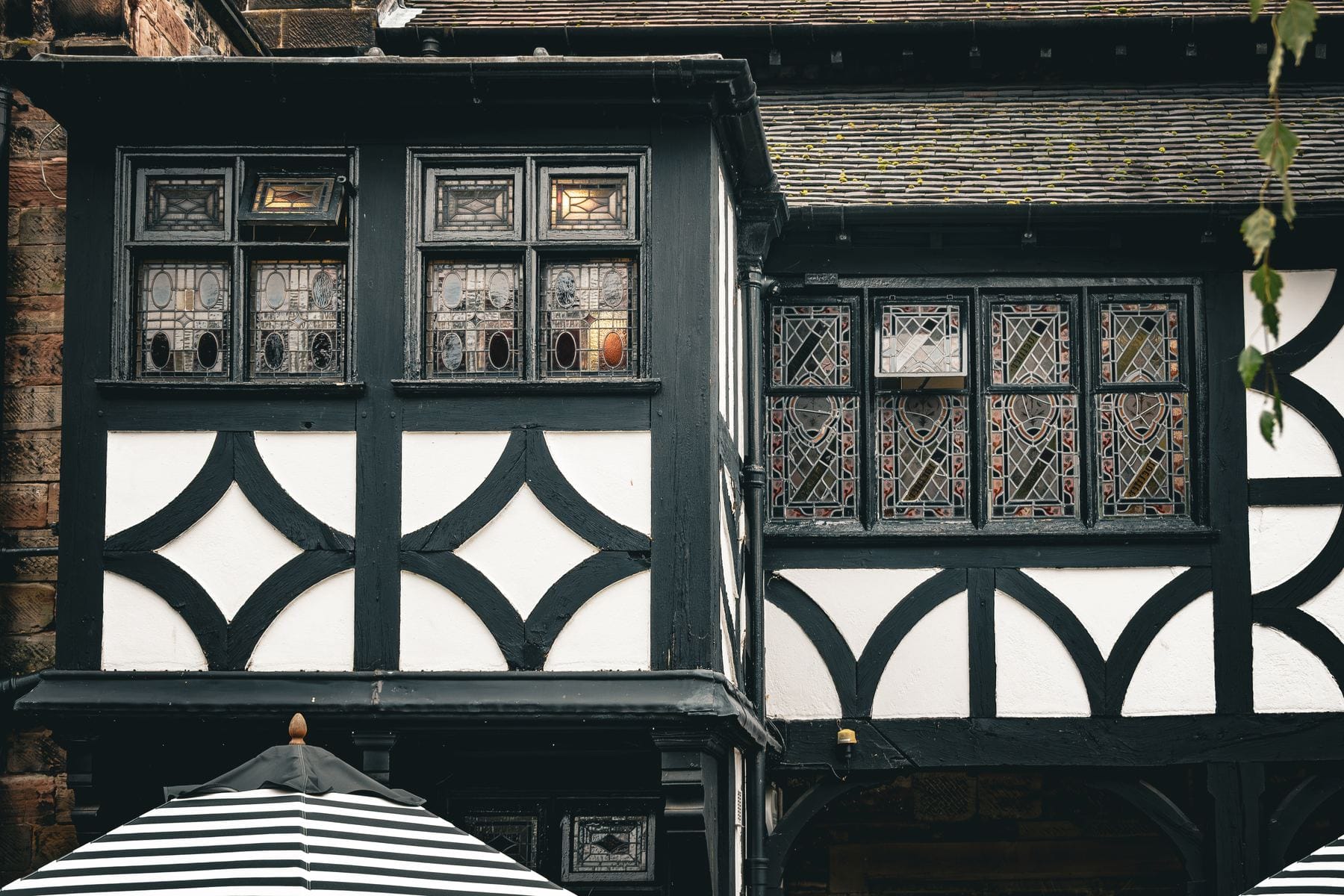
Medieval stone meets Victorian black and white timber.
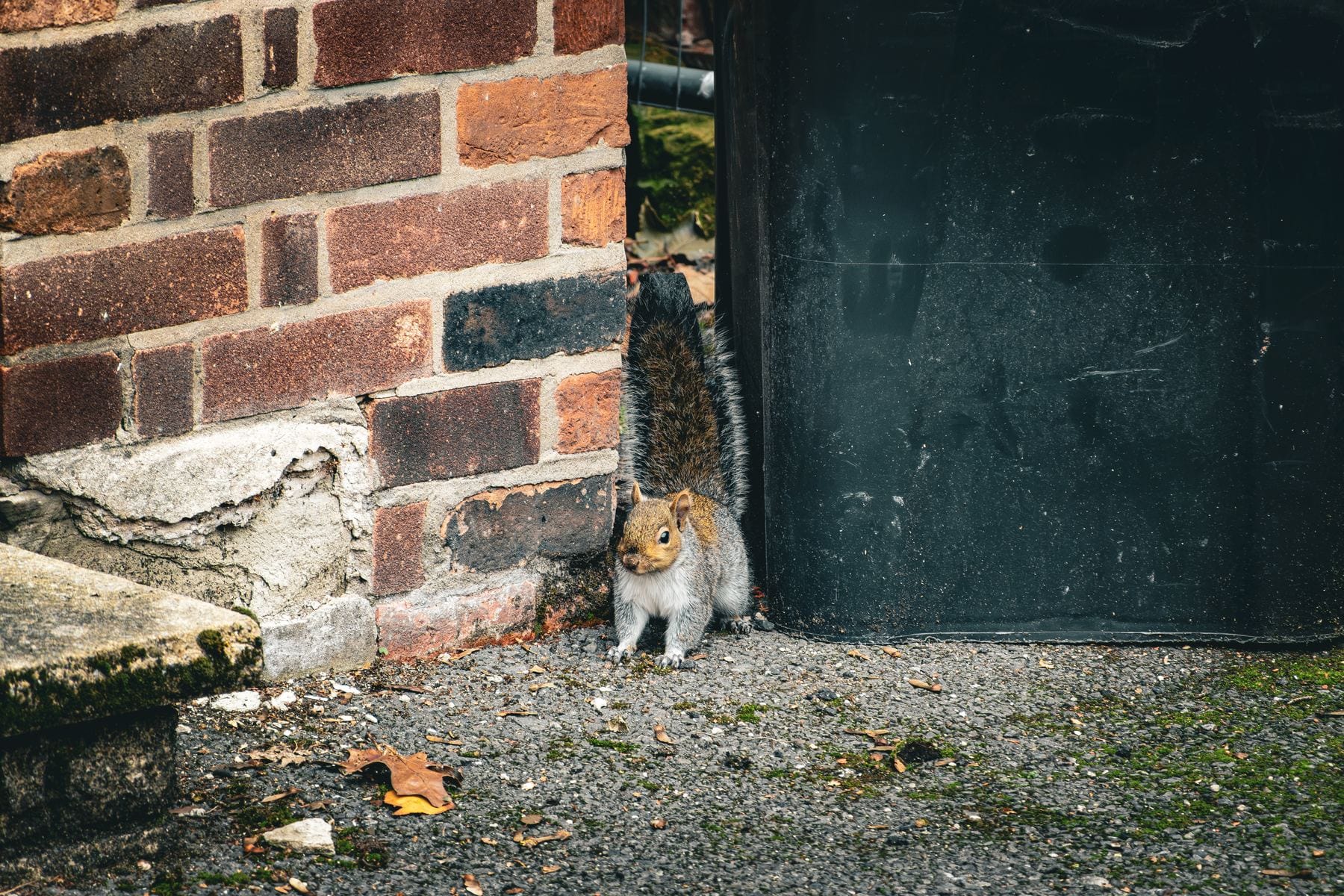
The Manor House
Between the abbey site and the Market Place stands the Manor House. It looks like a solid brick building of later centuries, but it was once part of the Marquess of Anglesey’s manor house and contains the remains of a 14th-century abbey chamber, possibly built as a private residence for the abbot. Tree ring studies of the roof timbers show the trees were felled between 1331 and 1360, so there is medieval oak quietly holding the roof up above people’s heads.
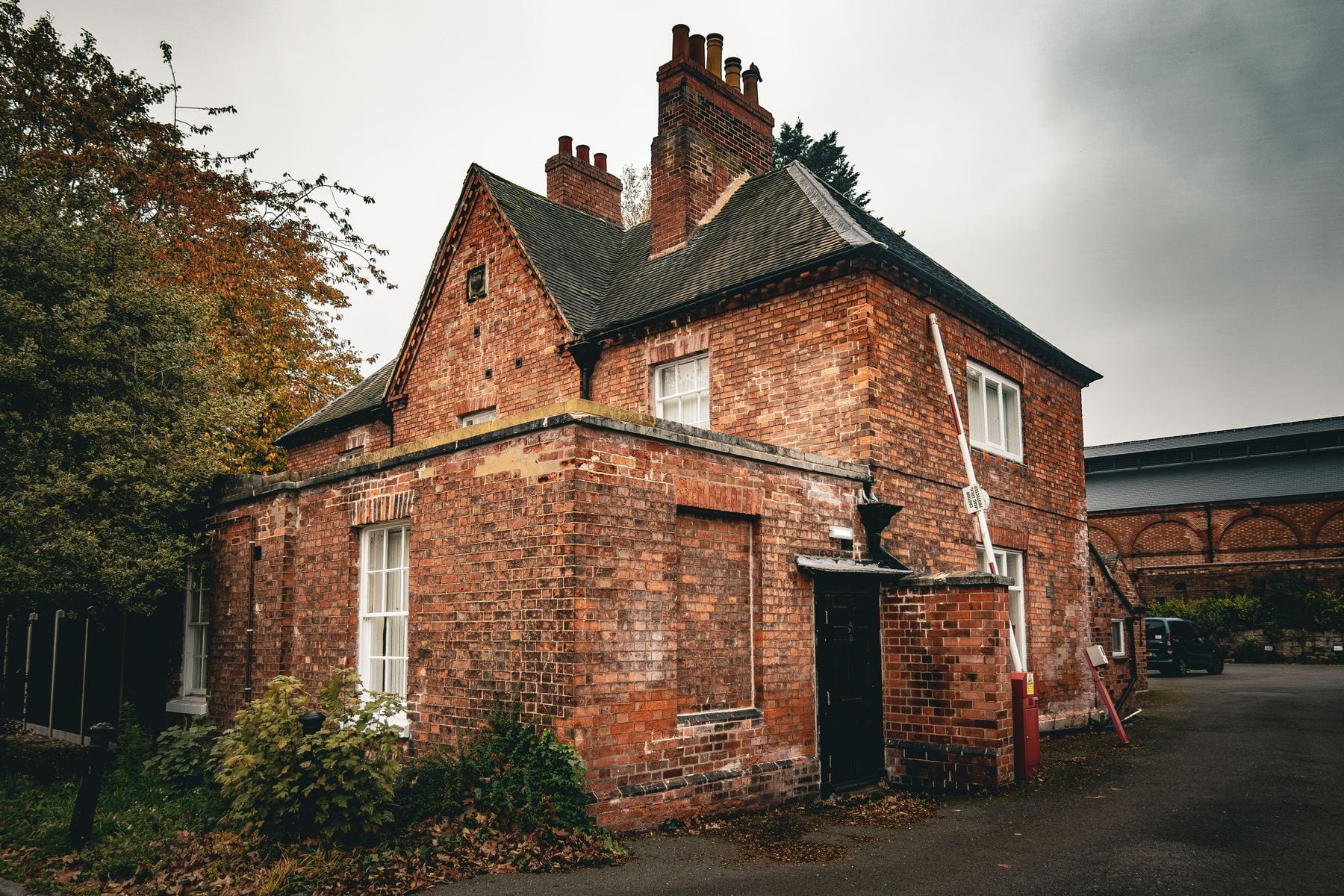
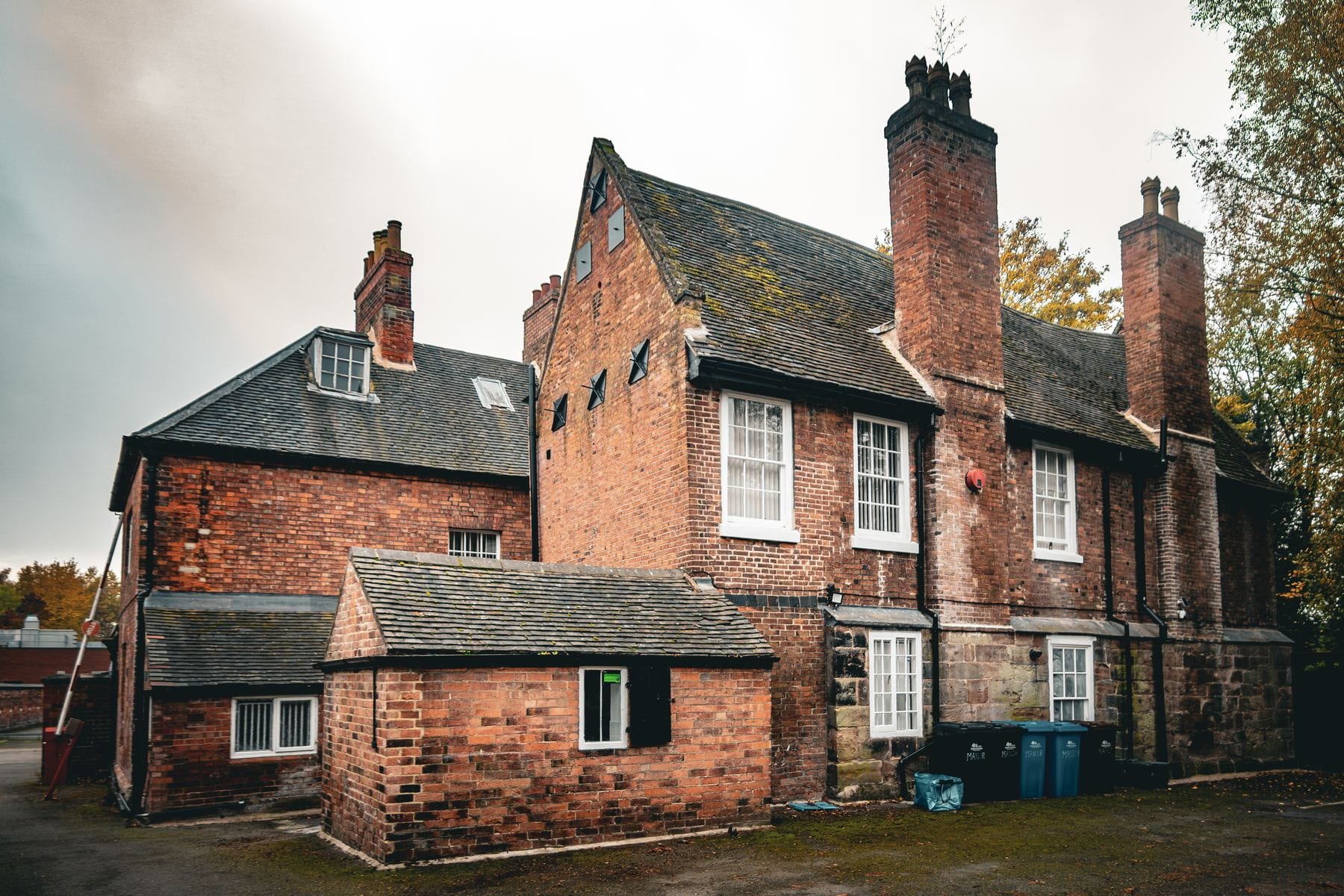
Walk round the back, and you can see it in the walls: chunky old sandstone at the base, with brick built on top. Burton has been recycling its abbey for nearly 500 years.

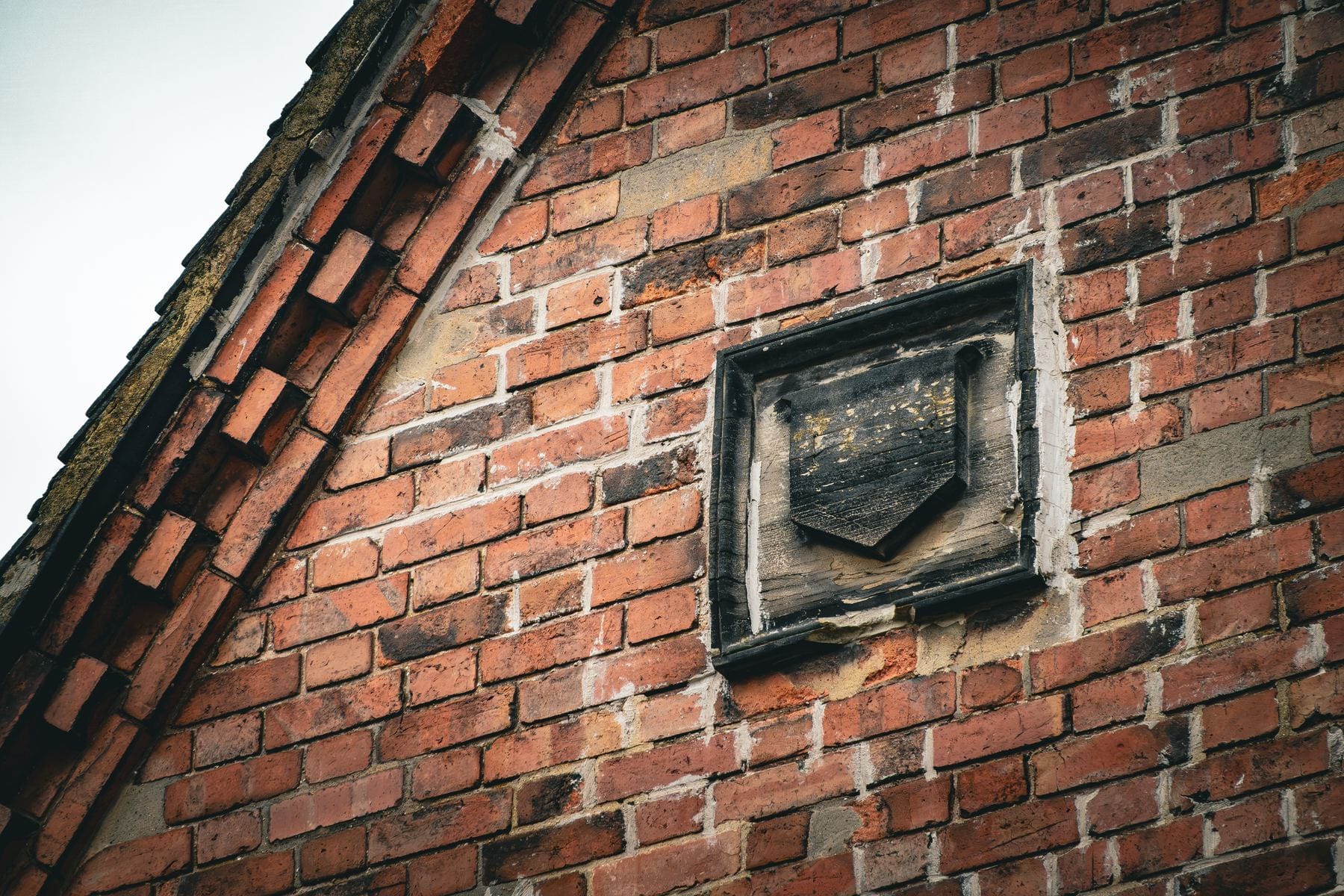
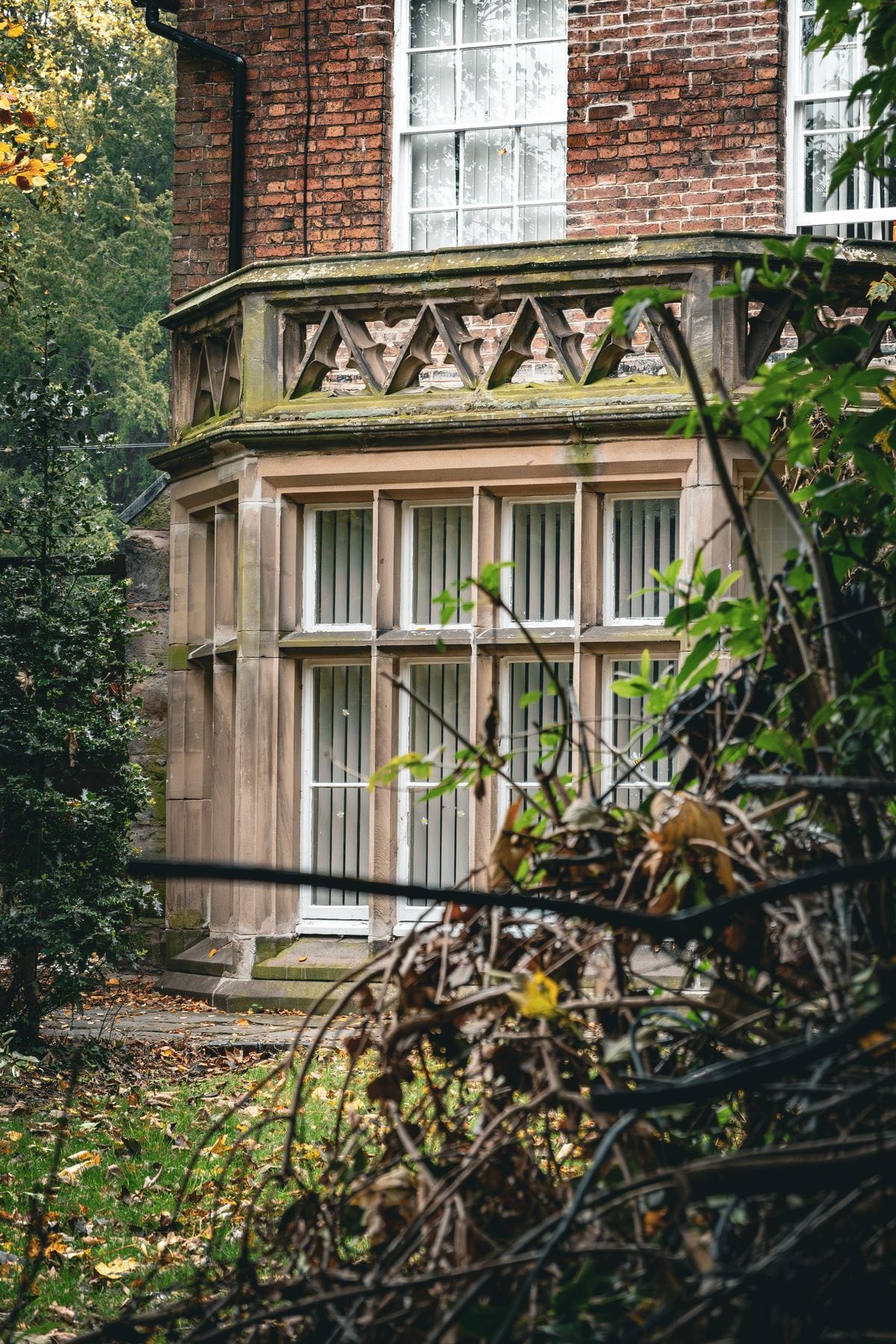
Stone, brick and carved details around the Manor House.
The gateway under your feet
Next to the Victorian Market Hall, a blue Burton Civic Society plaque explains that brass plates in the paving and road nearby mark the position of the abbey’s entrance gateway, which was demolished in 1927. It is one of those details you could walk past a thousand times without noticing, so take a moment to look down.
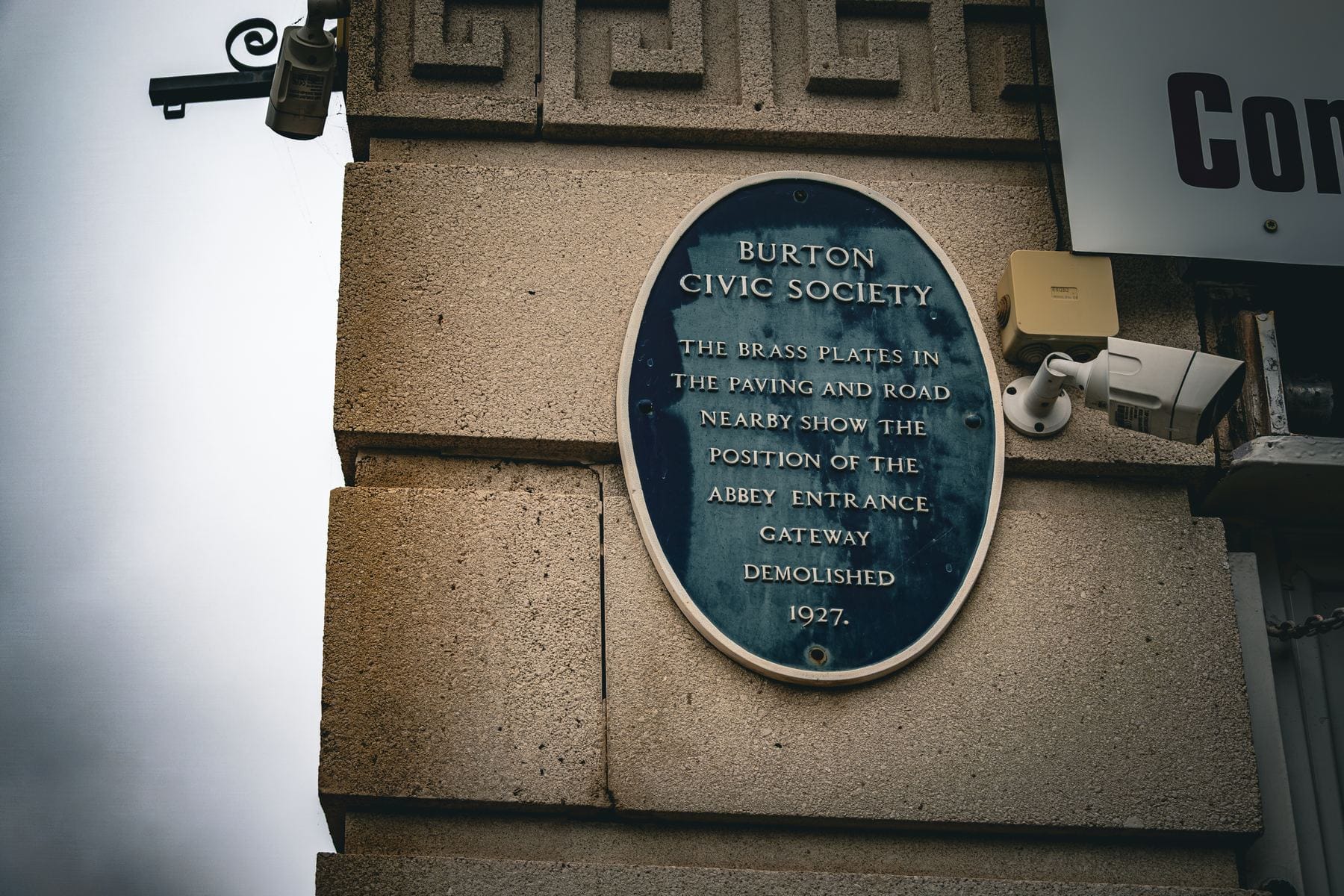
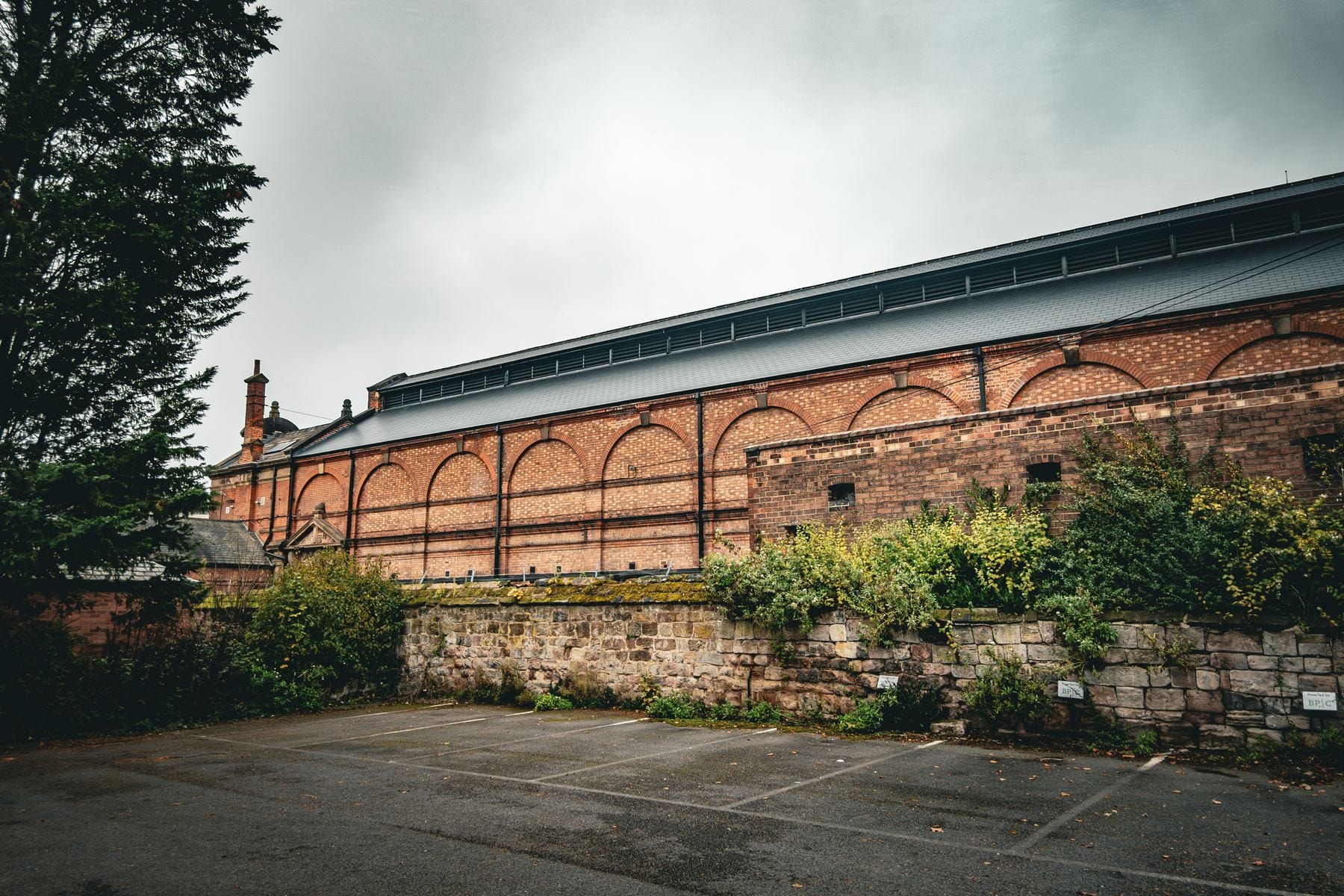
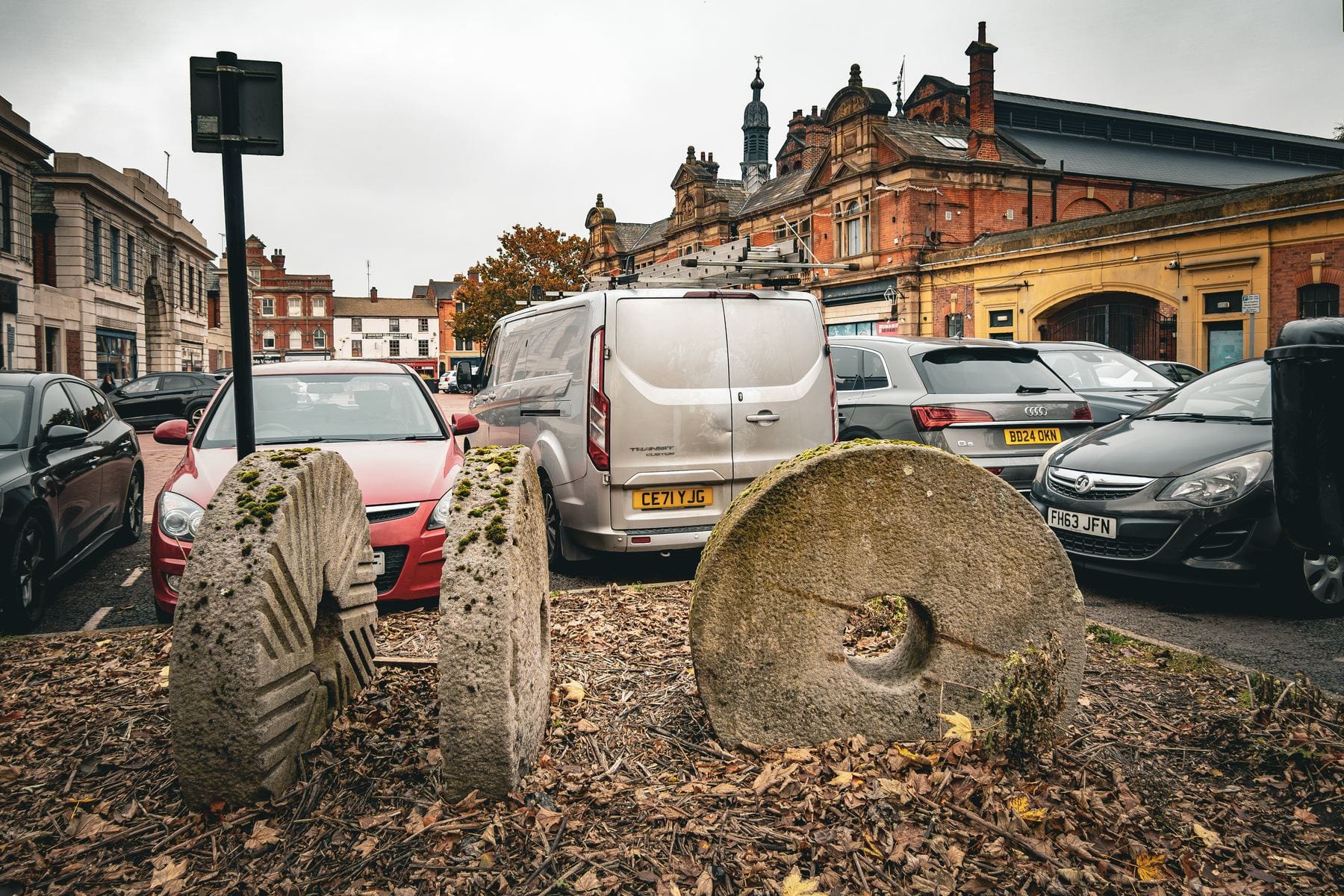
The abbey gateway plaque, the Market Hall and a set of old millstones nearby.
Dame Paulet’s almshouse door
This one is a proper hidden gem. Set into a modern brick wall at Coopers Square, beside the bins and the bike racks, is an old stone doorway bearing the words Anno Domini 1593. It is the last surviving piece of Dame Paulet’s Almshouses.
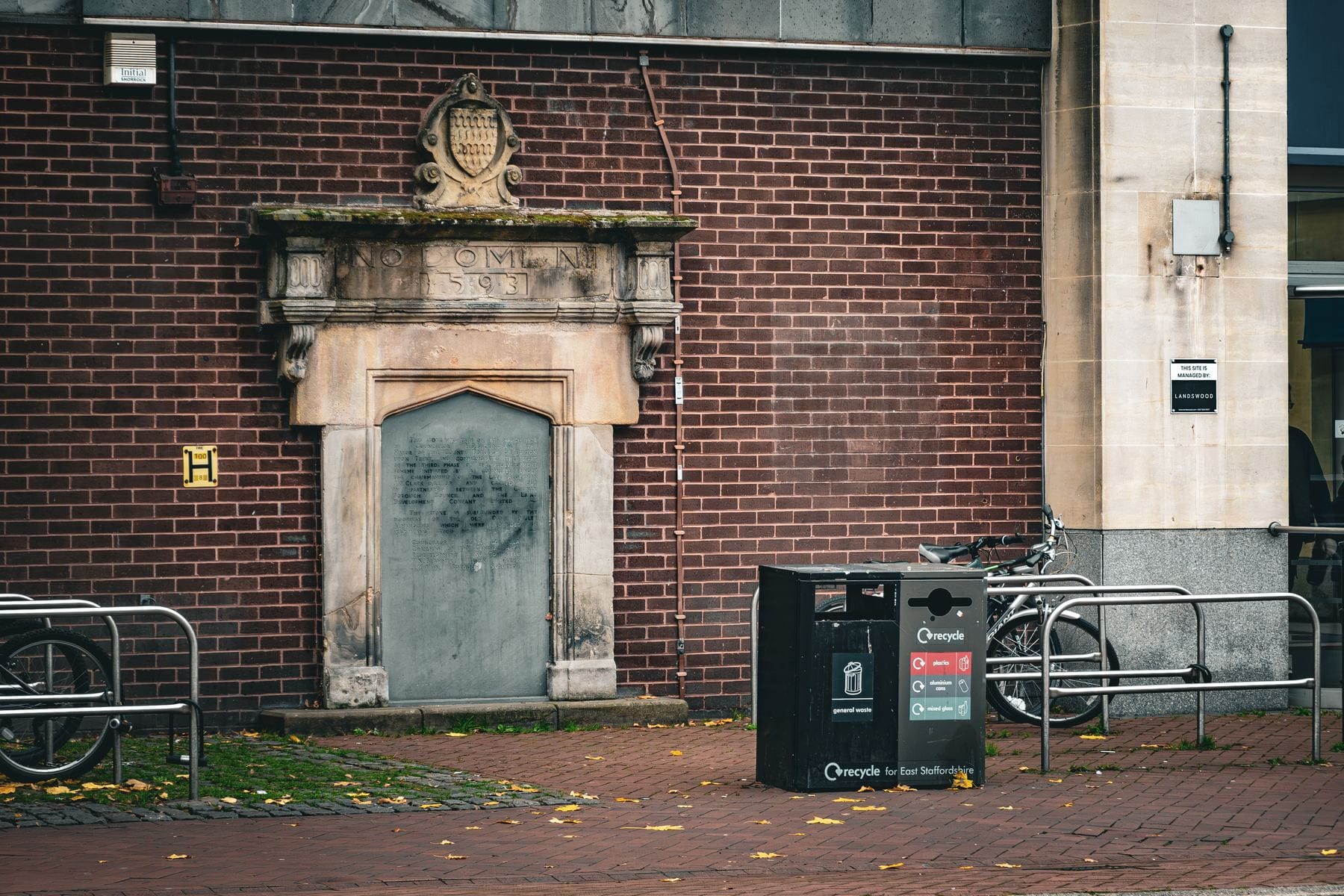
Elizabeth Paulet was born in Burton and, in 1593, set up almshouses near the marketplace to house and support five elderly, poor women of the town. The almshouses stood for centuries but were demolished in 1974 when the Coopers Square shopping precinct was built. Thankfully somebody had the good sense to keep the doorway, and the stone inside it records the 1974 redevelopment and the old almshouses it replaced. It is a small, slightly unloved survivor, and all the more charming for it.
St Modwen’s Church and the Market Place
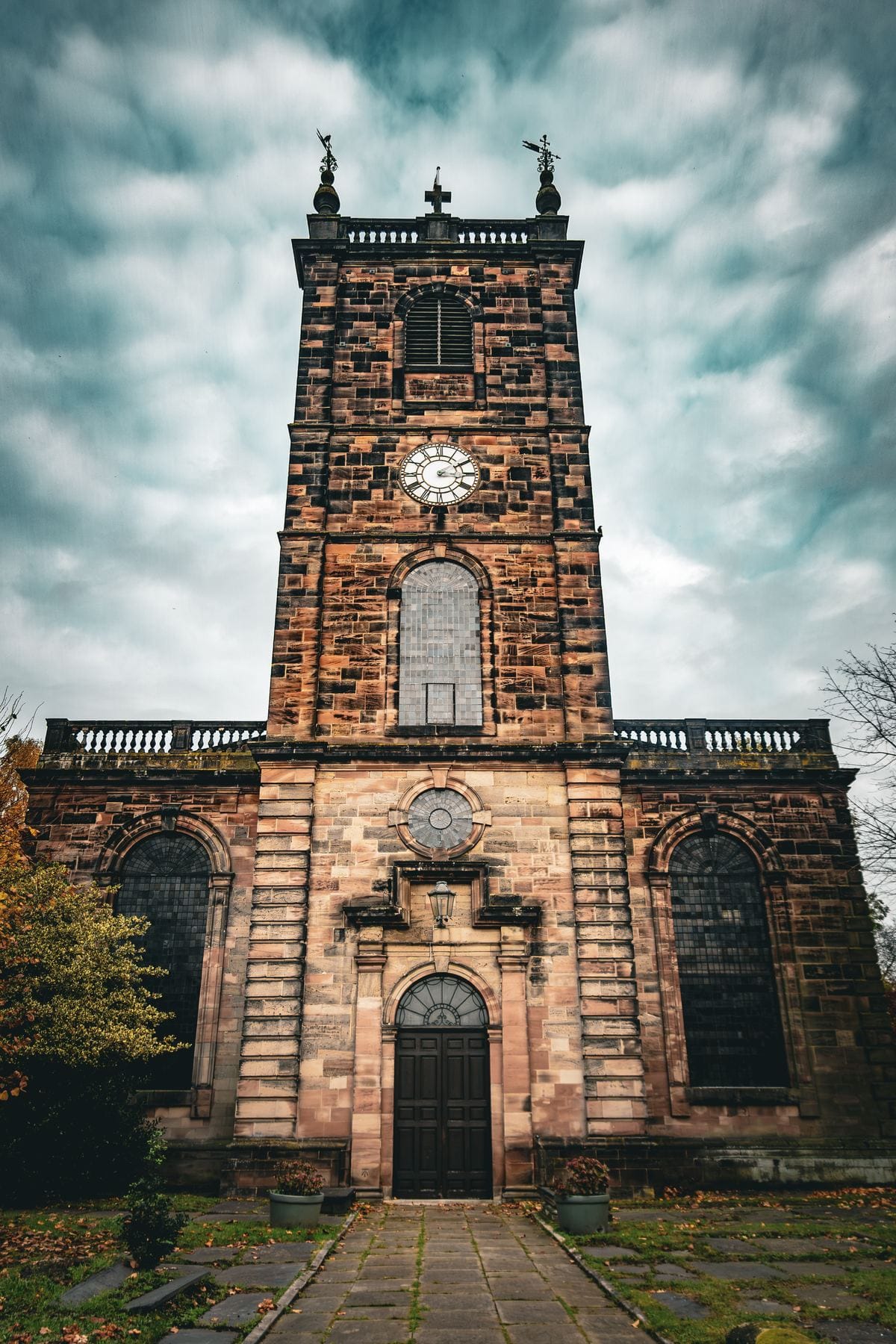
The Market Place has been the heart of Burton since the abbey’s monks ran the markets, and towering over it is St Modwen’s Church. After the Dissolution, the old abbey church served the town as its parish church until it eventually became ruinous and was pulled down. The present church was built on the site of the abbey church between 1719 and 1726, designed by William and Richard Smith of Tettenhall and finished by their brother Francis Smith of Warwick. It is a beautiful Palladian building in warm red sandstone and is Grade I listed.
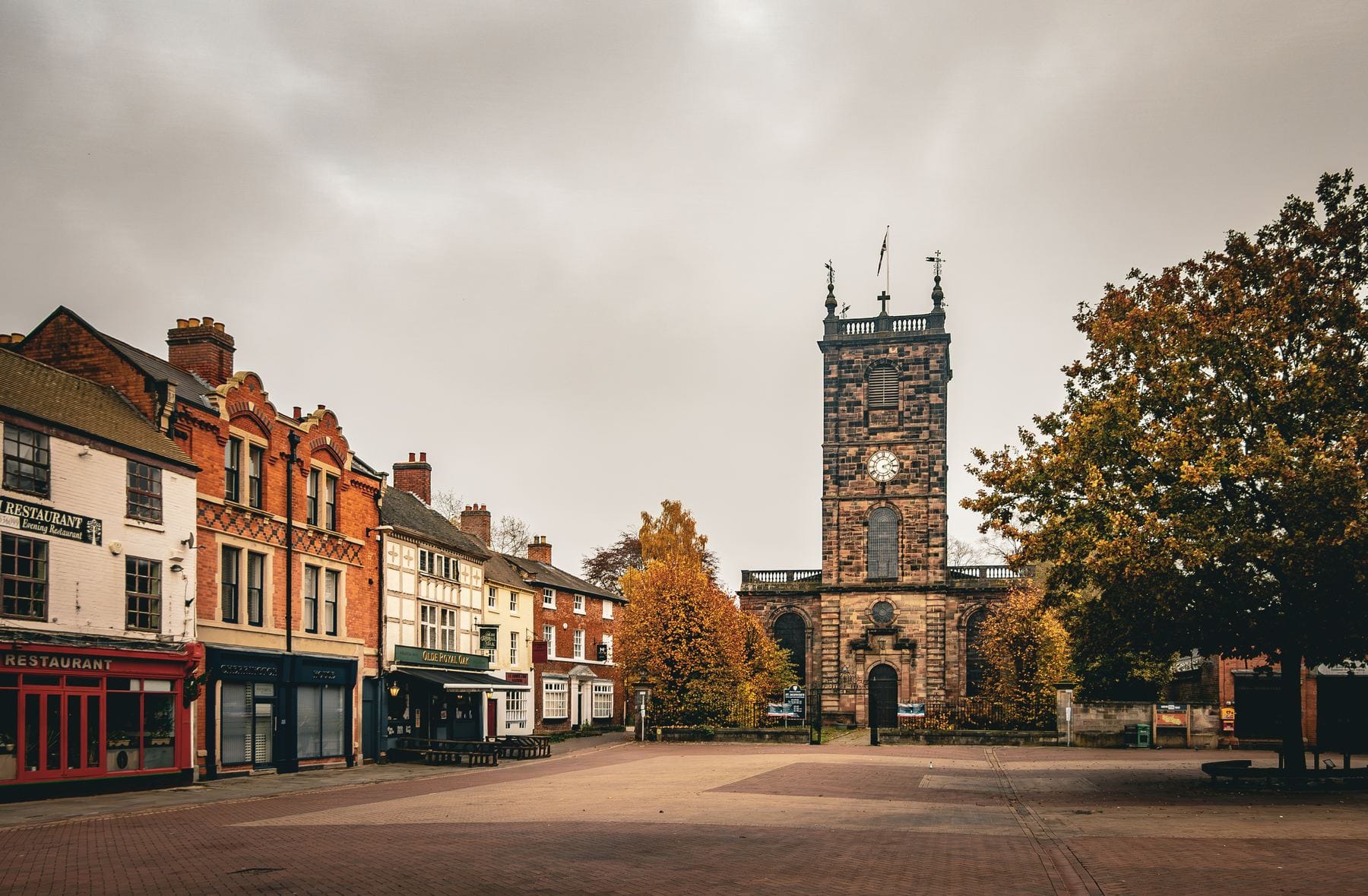
Fun fact from the trail: the Royal Oak on the Market Place stands on the site of a 13th-century gaol, and customers have reported seeing ghosts both inside the pub and out in the marketplace. As the board so wisely puts it, real ghosts, or a little too much of Burton’s ale? You decide.
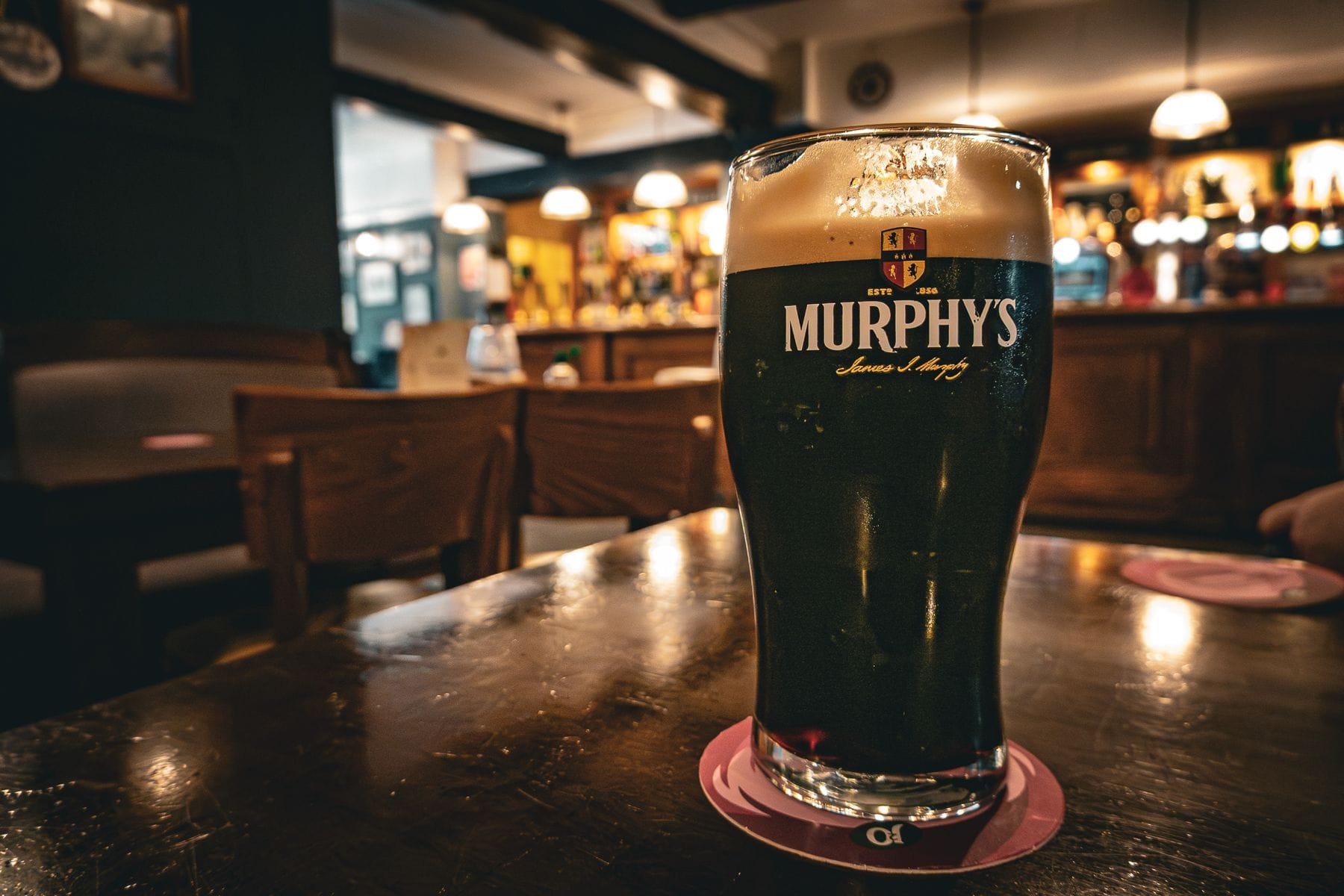
We felt it only right to investigate, so we ducked into the Olde Royal Oak on the Market Place for a warm and a beer (a pint of Murphy’s, in the name of research). We are sorry to report that no ghosts joined us, but after a long, chilly walk round the town, a comfy seat and a dark stout felt like a small miracle of their own. It is dog friendly too, so if you are doing the trail on a cold day with a four-legged walking companion, we can highly recommend it as a pit stop.
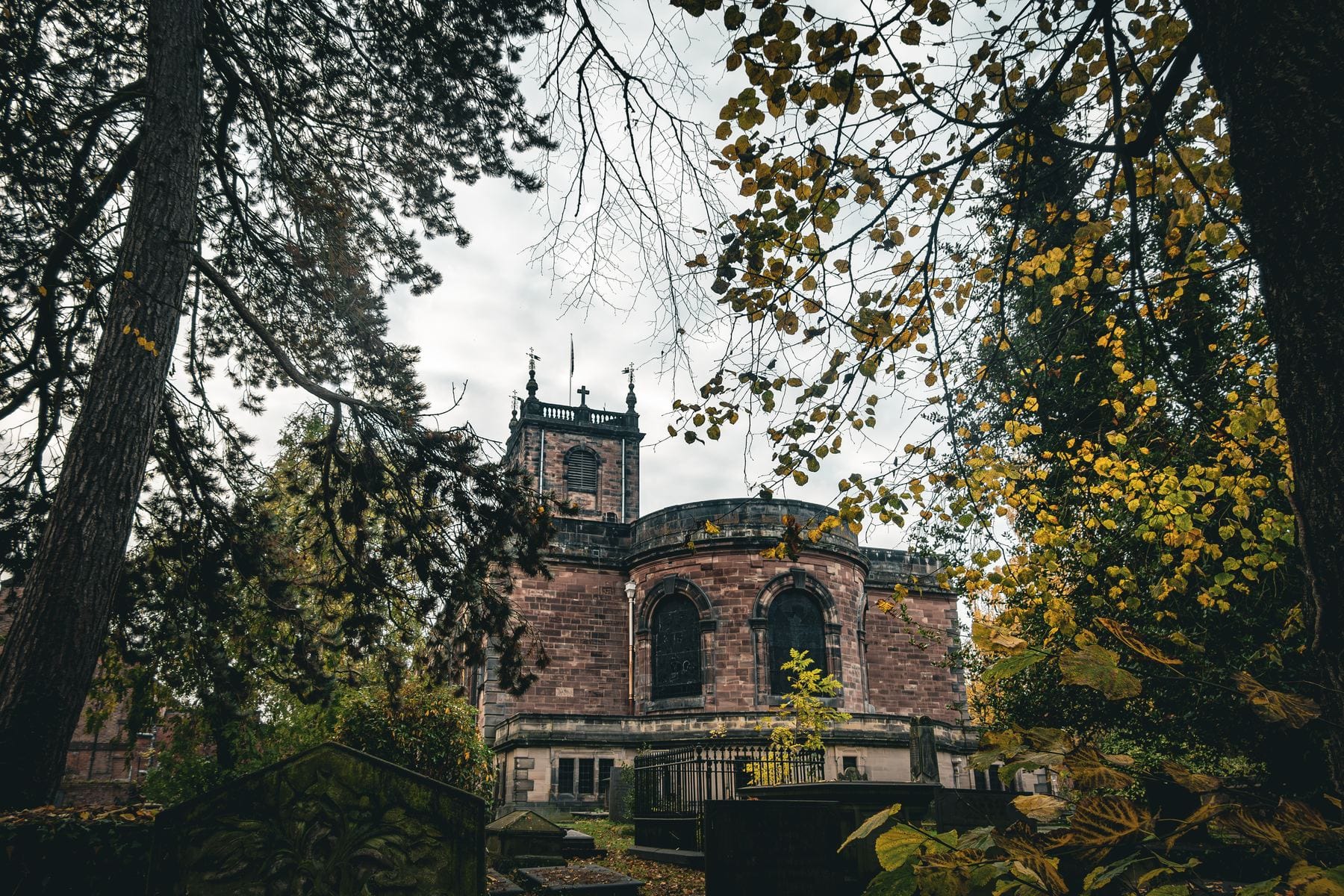
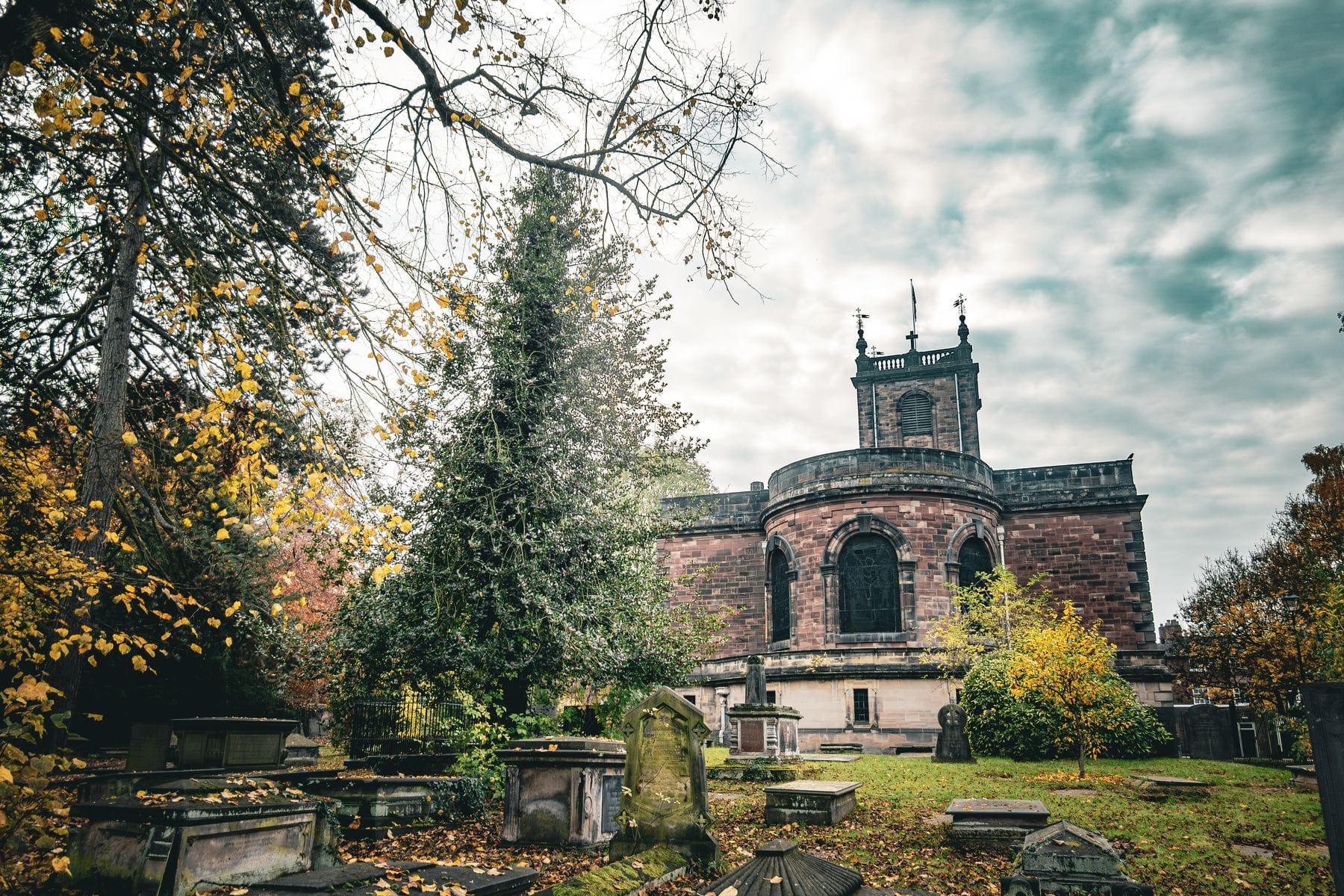
The churchyard is a quiet, leafy spot right in the middle of town.
The Garden of Remembrance
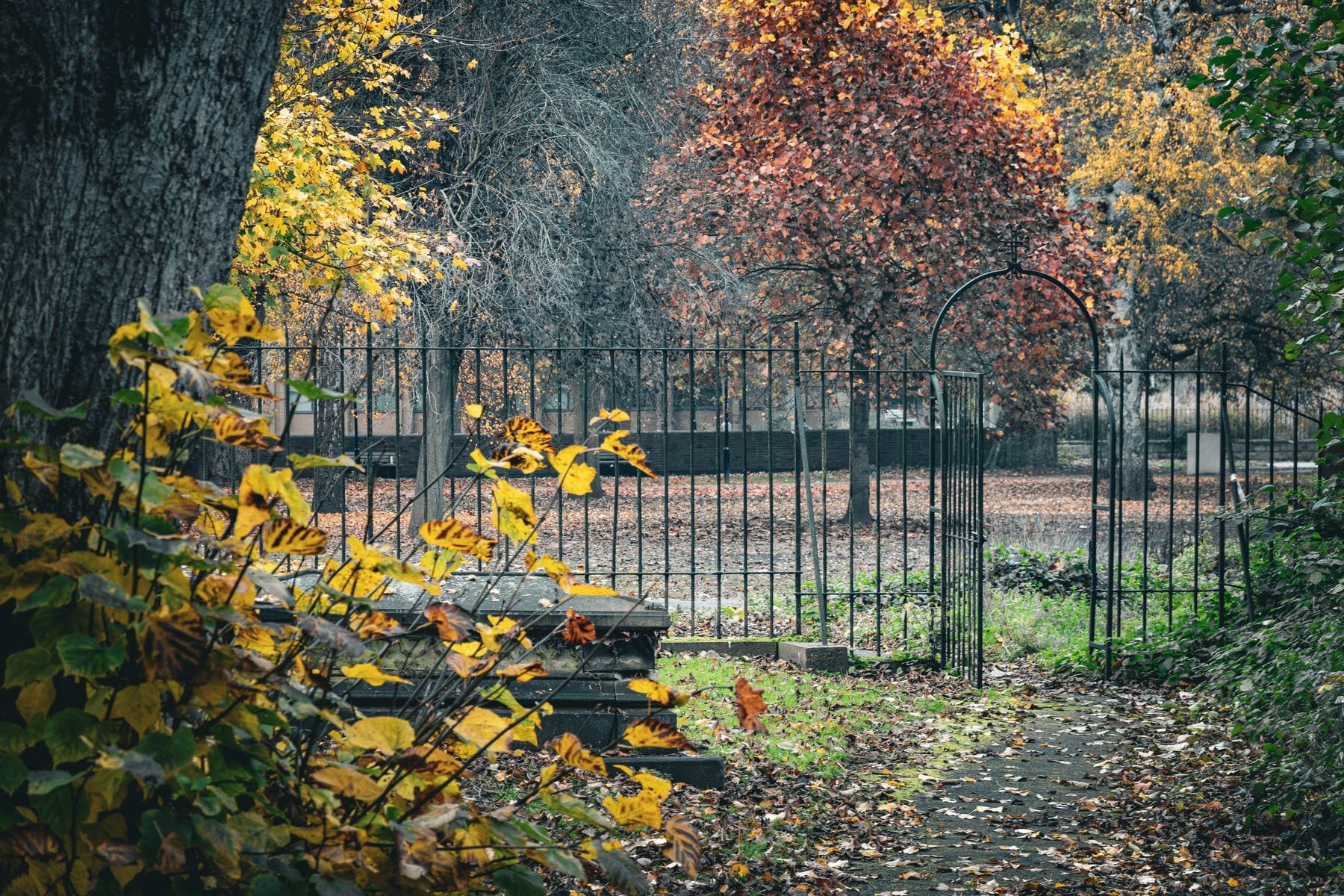
Behind the church, the old churchyard has become a Garden of Remembrance. In autumn, the ground is carpeted with leaves, and the old gravestones have been laid along the edges of the paths, creating a striking avenue of names and dates leading you through the garden.
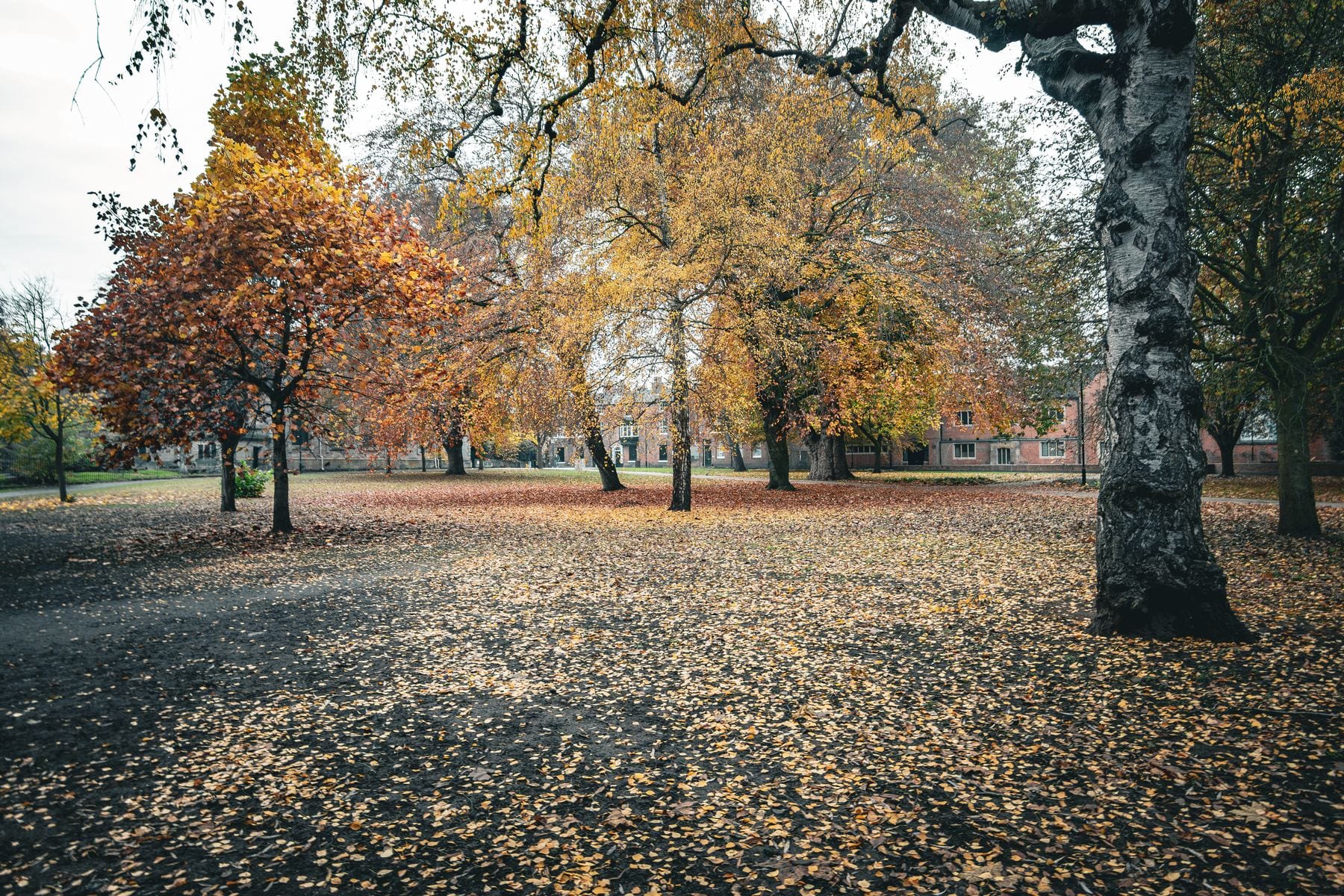
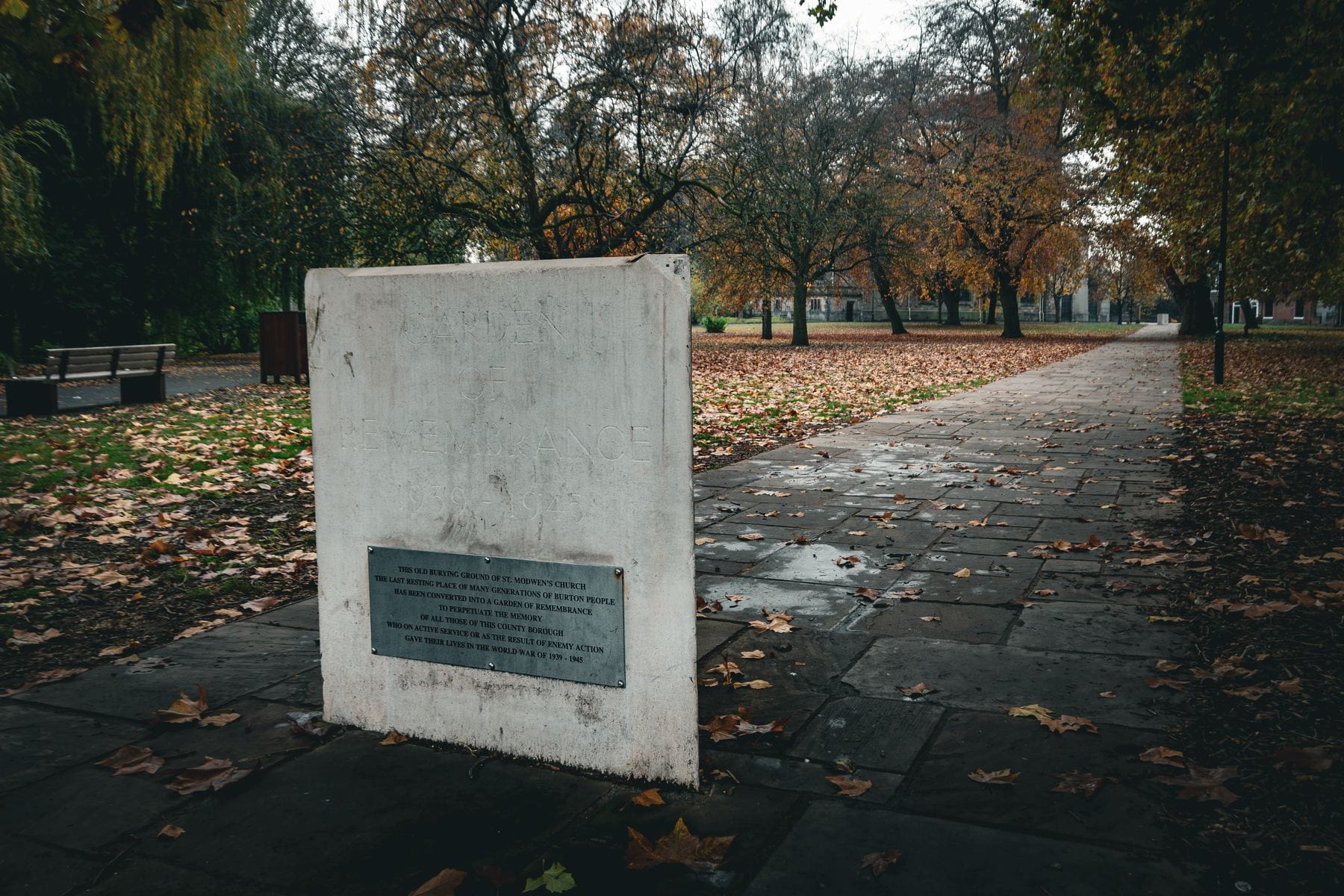
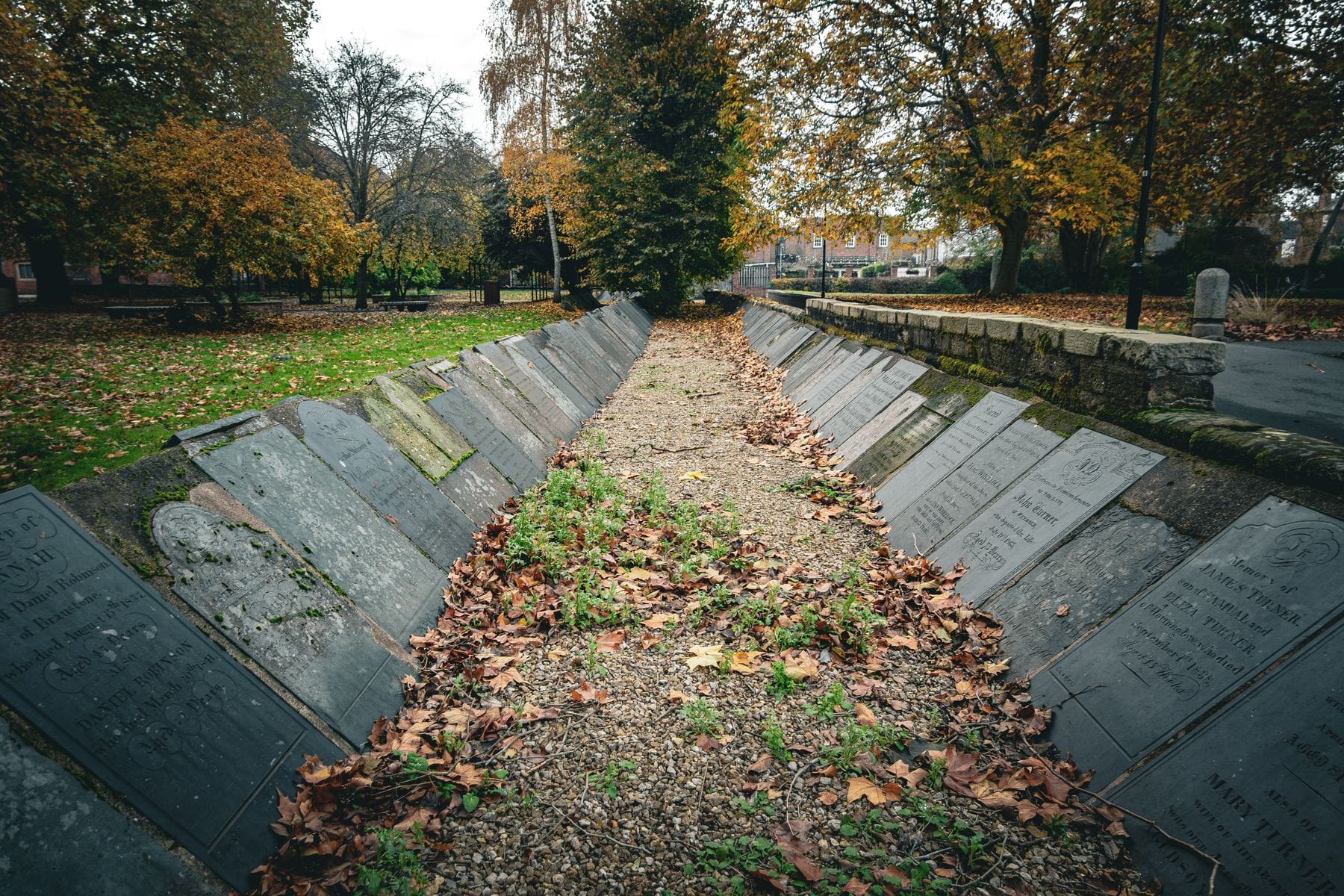
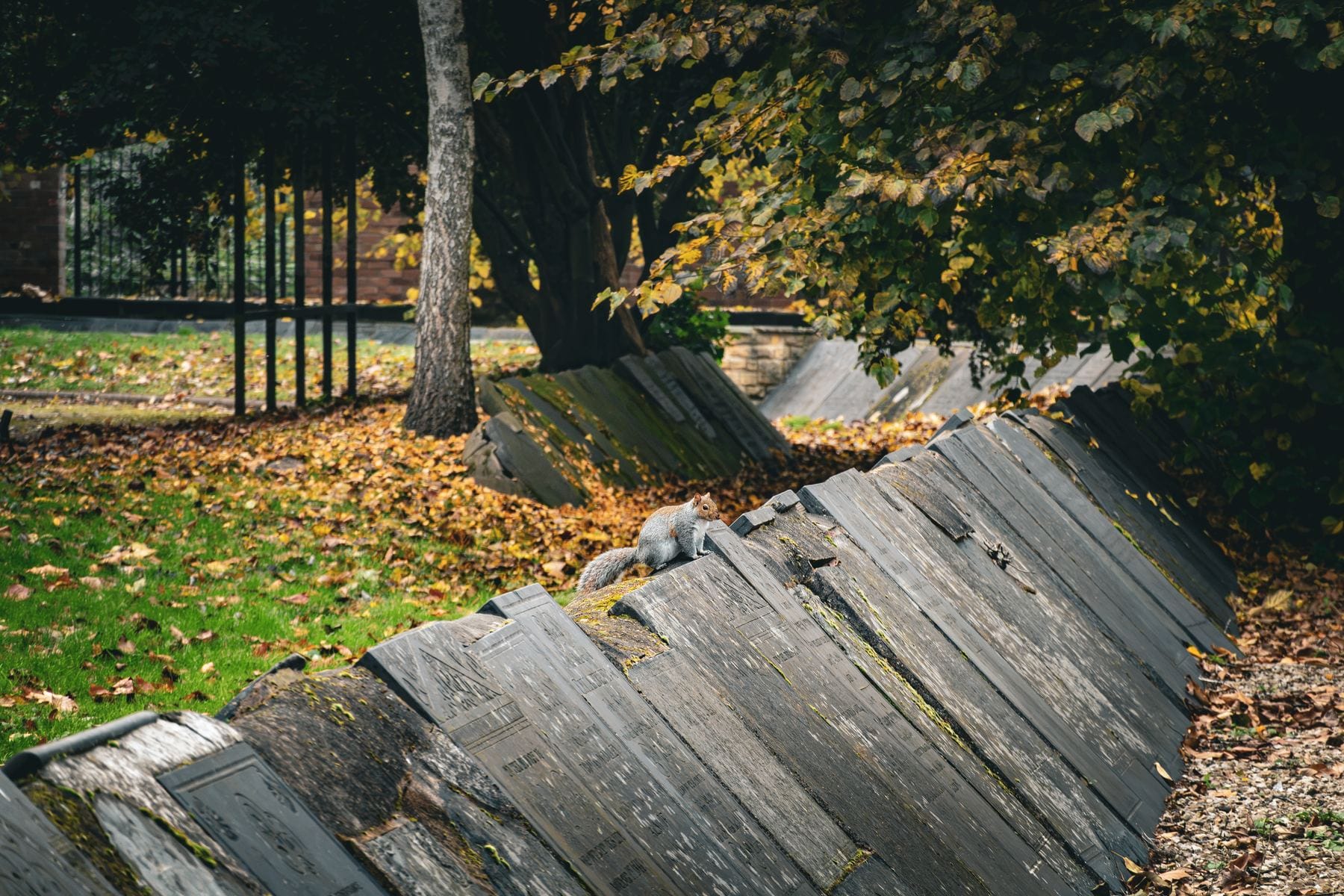
Old gravestones now line the paths through the garden.
Breweries by the river
From here the trail heads back down towards the river, and the scenery changes from monks to maltings. This riverside area was once crammed with breweries: Bass, Allsopp, Salt and the Burton Brewery Company all stood nearby, and the library sits on the site of Worthington’s Maltings. The Midland Railway’s Hay Branch line ran between the breweries and the river, and the curve in the flood wall still marks where the railway lines once ran.
Rising above it all is the old Bass water tower, dated 1866. It once served Bass’s Old Brewery and is now a listed landmark, a 120 foot reminder of how completely beer took over from the abbey as Burton’s great industry.
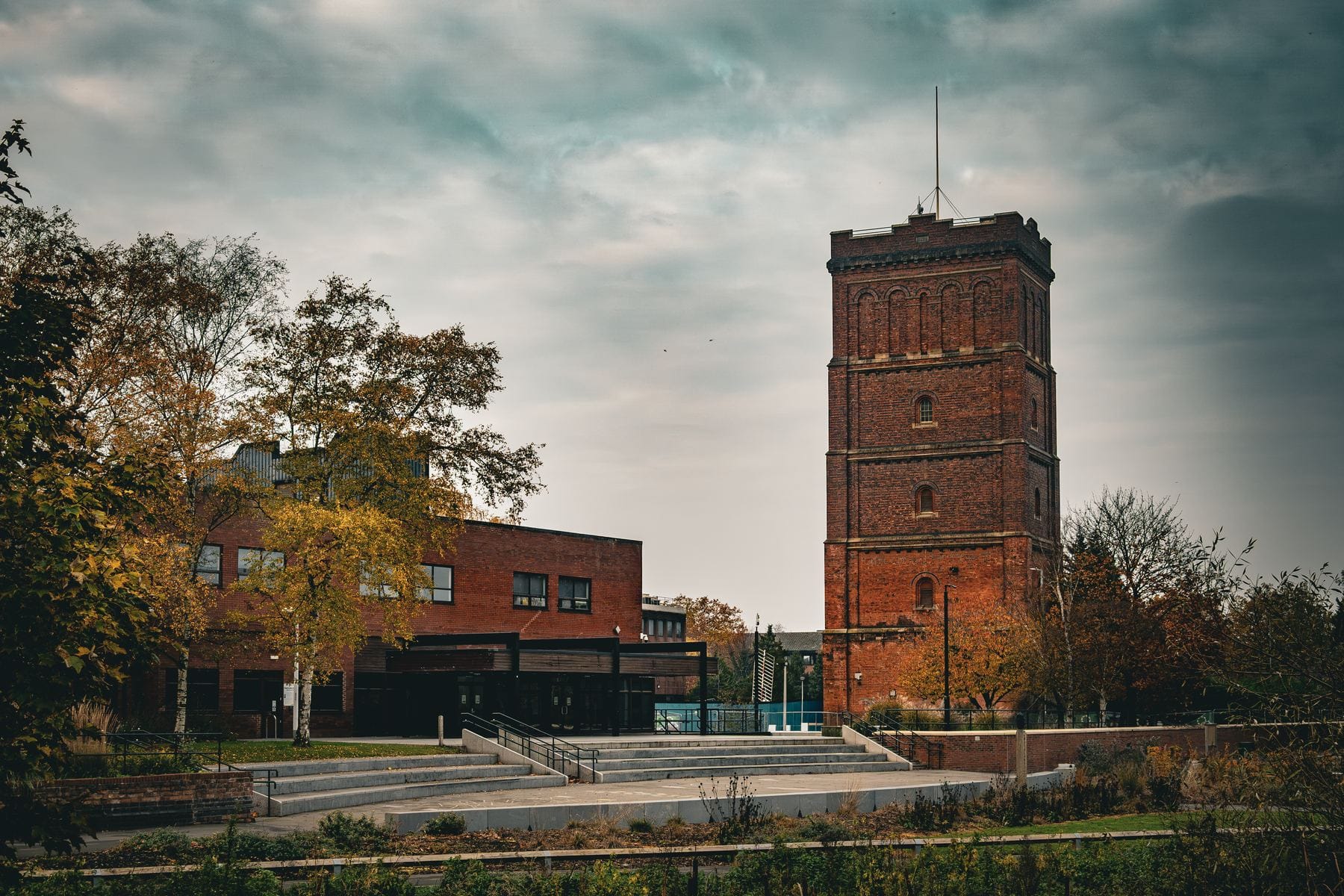
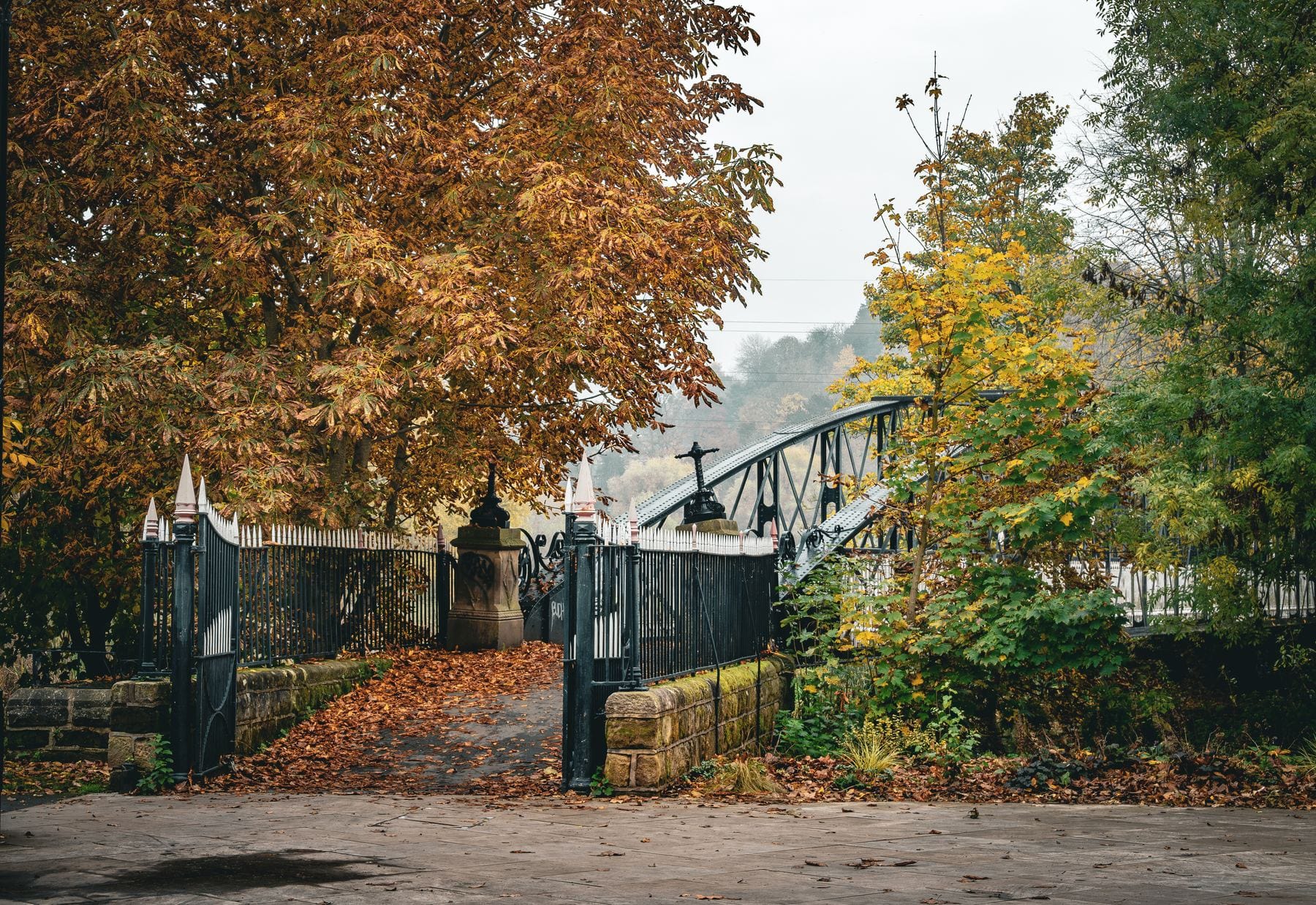
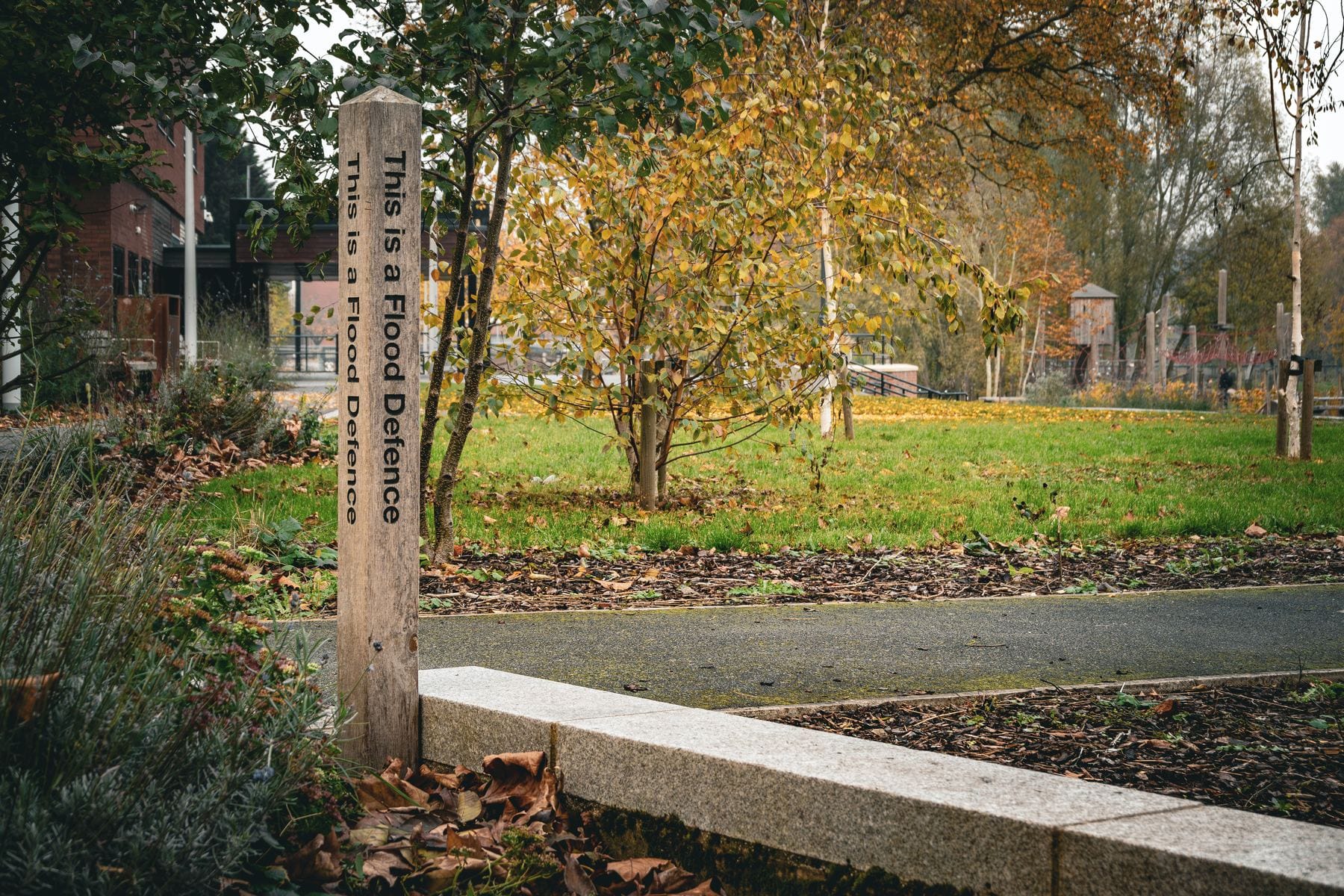
Heading for Andresey Bridge. That post is not joking either, the Washlands flood regularly.
Andresey Bridge and Andresey Island
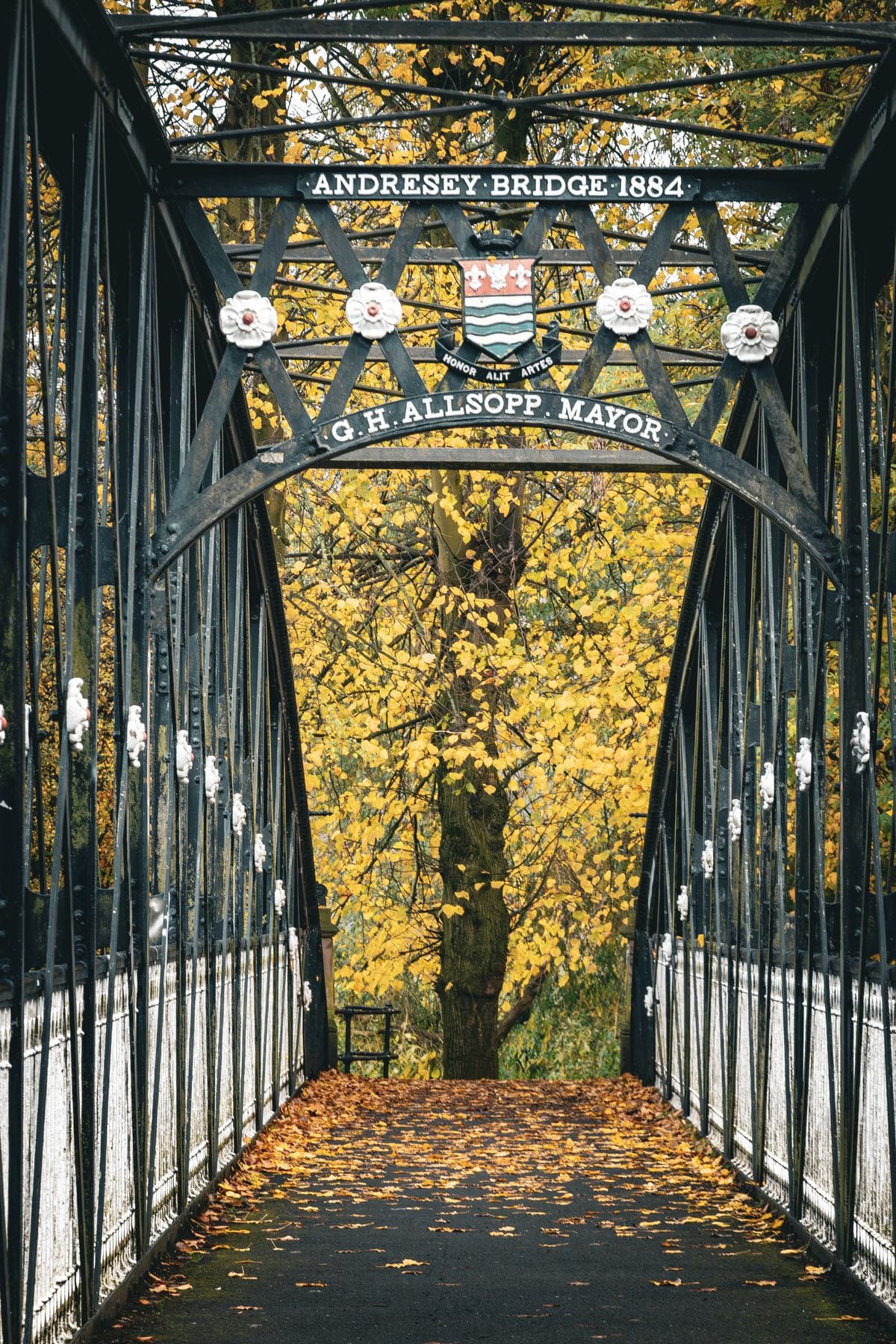
And so we come full circle, back to St Modwen. Andresey Bridge was built in 1884 by local engineers Thornewill and Warham, whose cast name plate is still on the ironwork (along with some less historic additions from the local graffiti community). It leads across to Andresey Island, the green space linked to St Modwen and her early community.
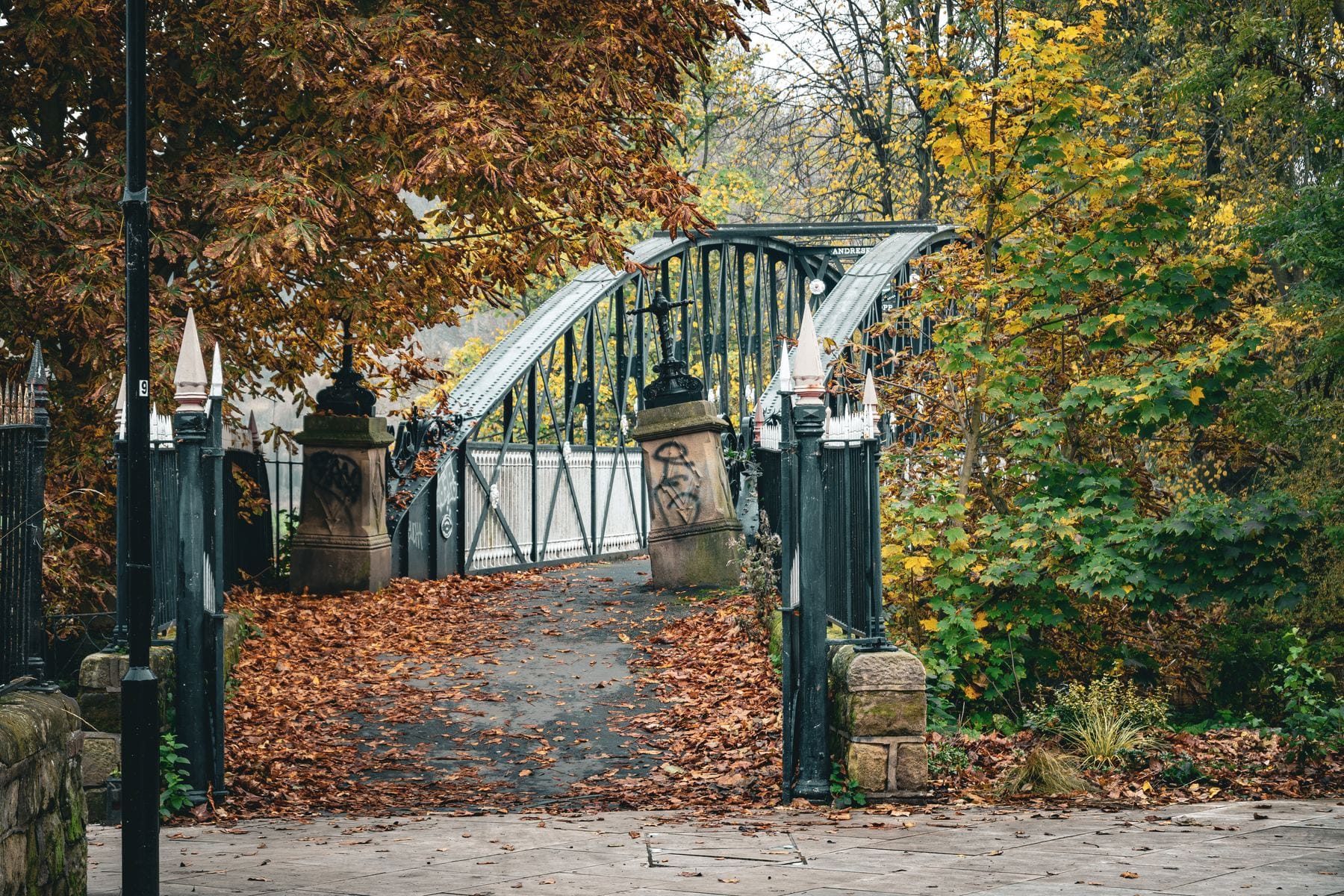
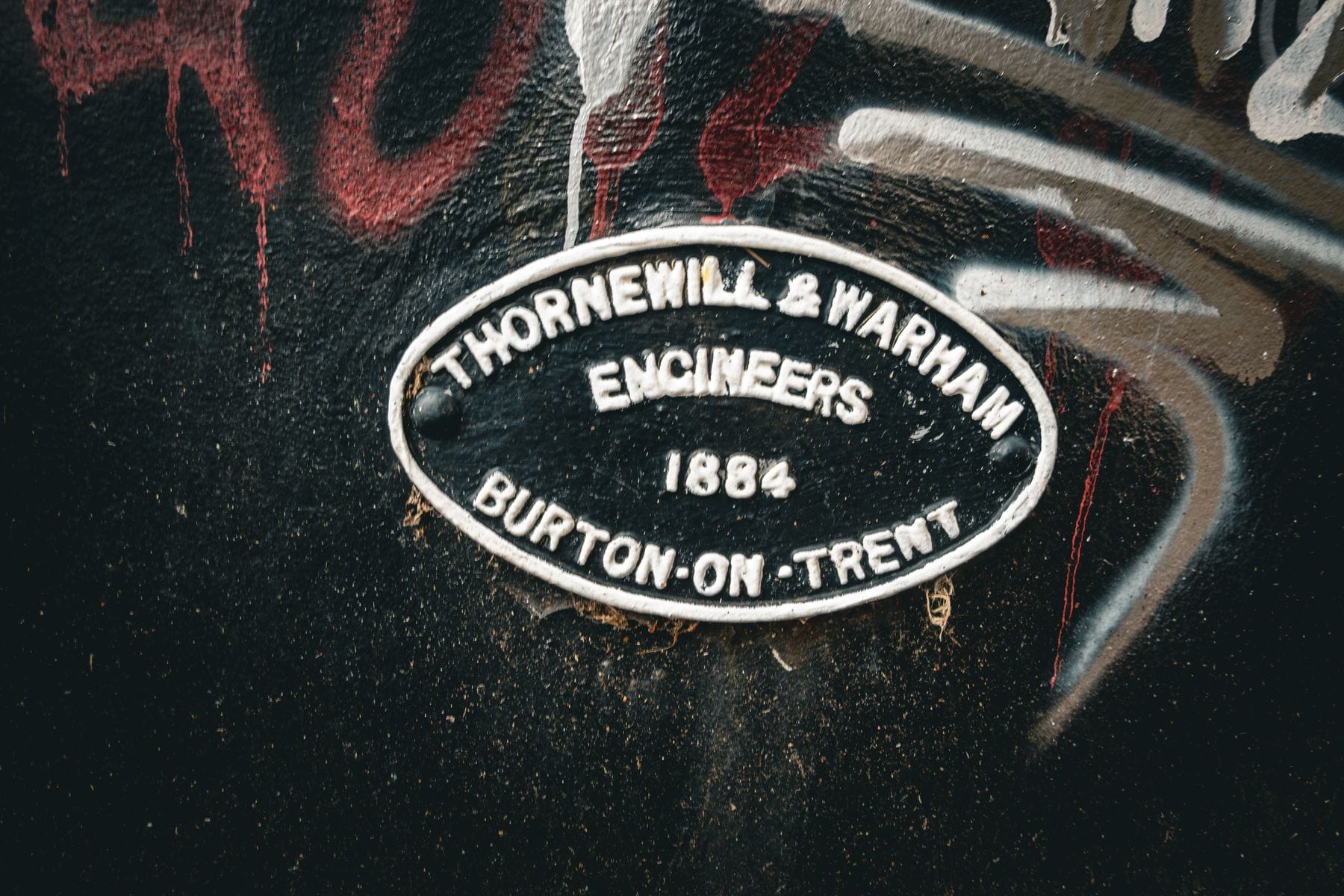
Andresey Bridge and its makers’ mark: Thornewill and Warham, Engineers, 1884.
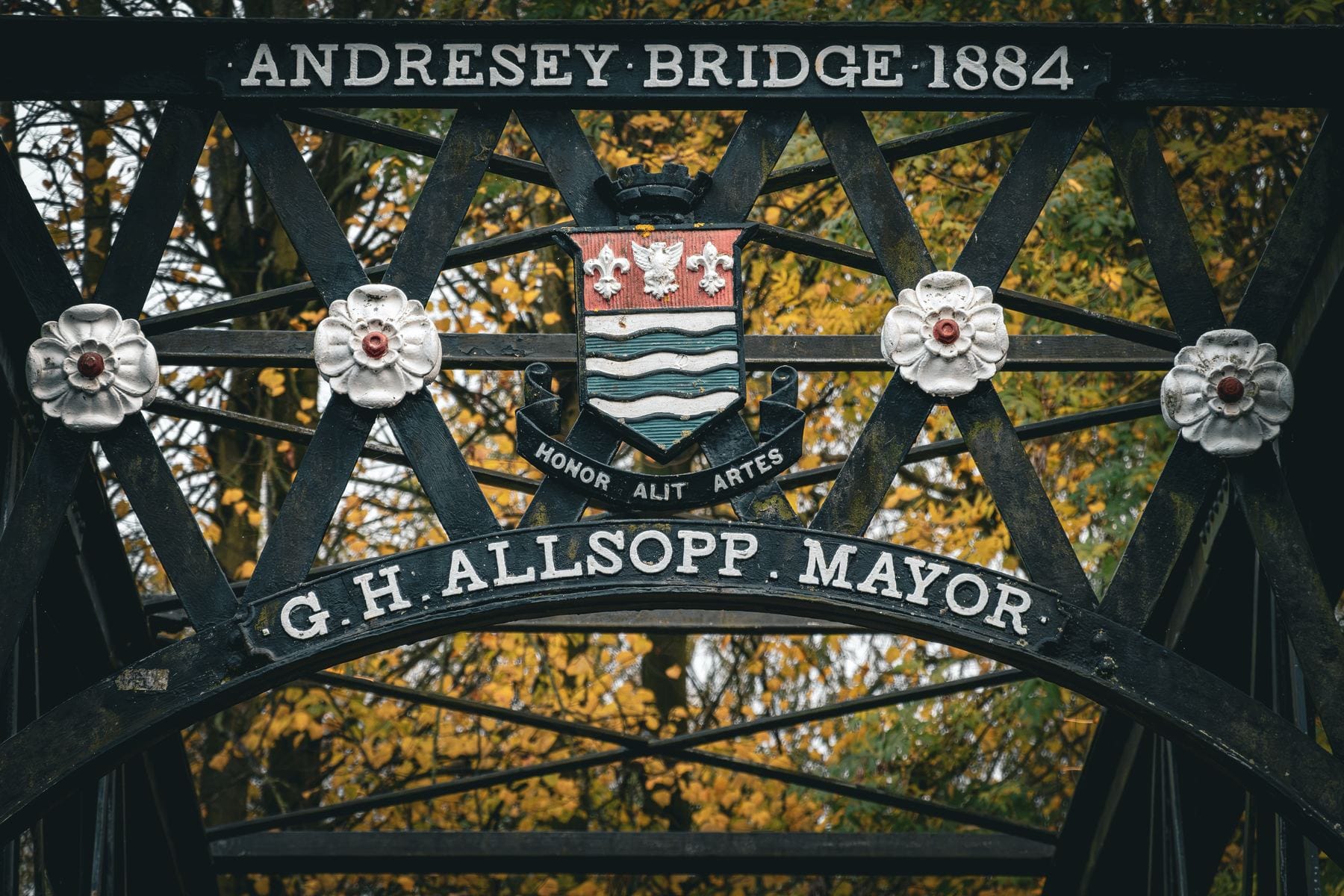
Look up as you cross, and you will see the ironwork proudly declaring "Andresey Bridge 1884" above the Burton coat of arms, complete with the town’s motto, Honor Alit Artes (honour nourishes the arts), the name of the mayor, G. H. Allsopp, and a row of white roses. It is one of the most photogenic little bridges in Staffordshire, especially when the trees around it turn gold.
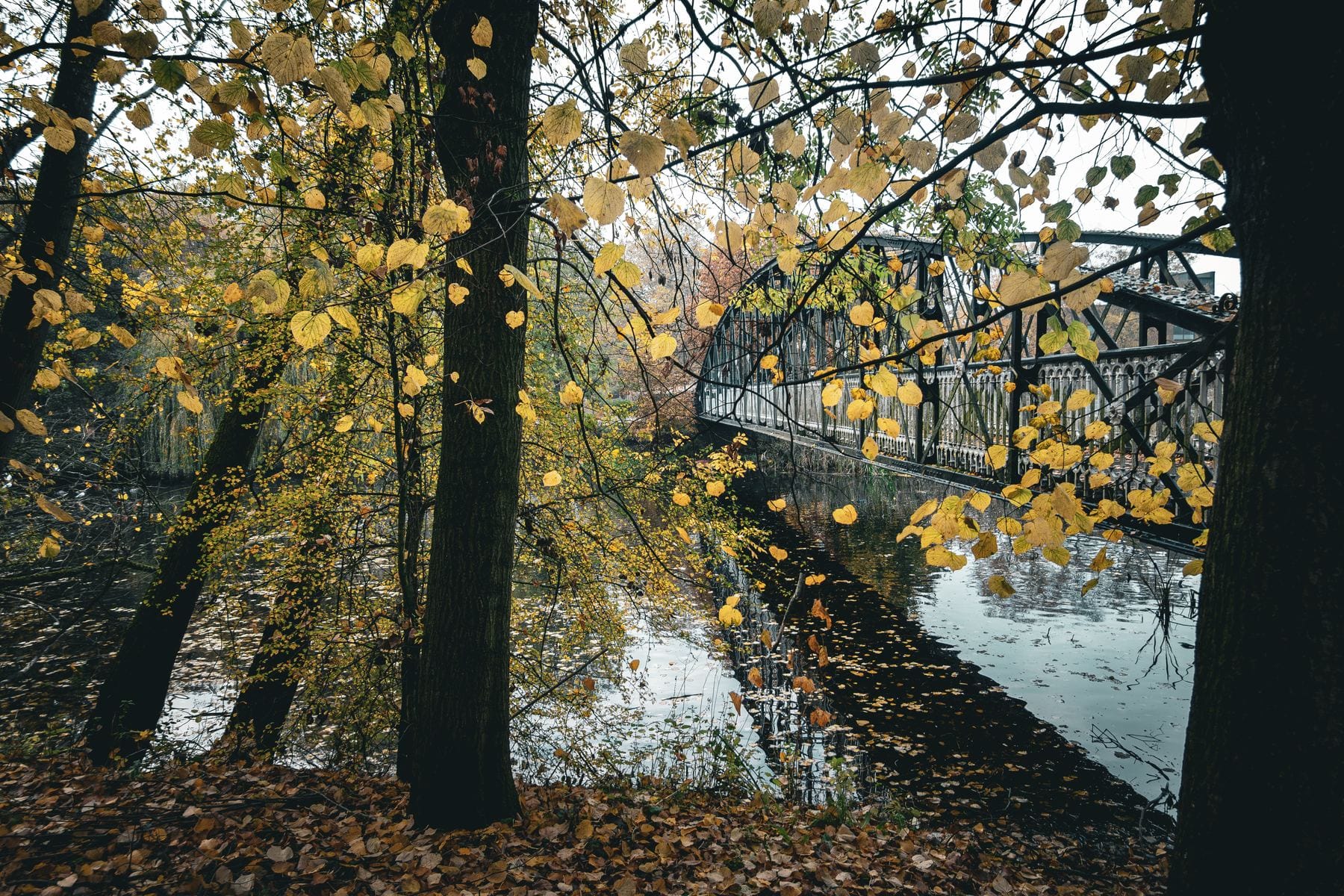
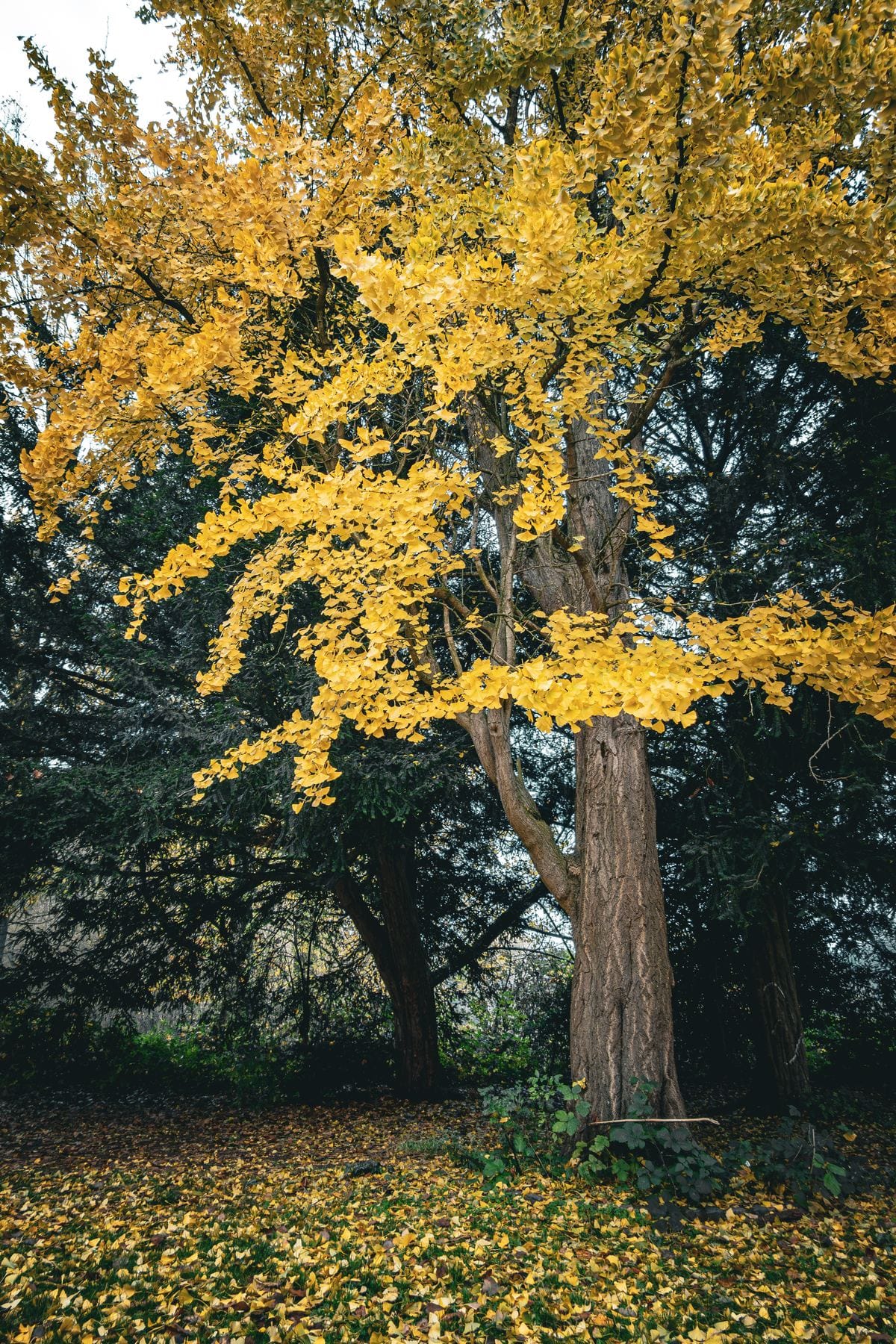
The island itself is a peaceful place to finish: big old trees, quiet paths and glimpses of the water through the branches. It is not hard to imagine why someone looking for a place of prayer might have chosen a quiet island in the middle of the Trent.
Before you leave, look back across the river. There, behind its old wall, is The Abbey, the medieval infirmary we visited earlier, sitting on the bank just as it has for the best part of 800 years.
Take a piece of Burton home
A few of the photos from this walk are now available as prints on the Red Haired Stokie shop, in A5, A4 and A3 on 230gsm archival matte paper. Image licences are available too, for personal, editorial and commercial use. Every sale helps keep these history walks and articles coming.
Andresey Bridge in Autumn Gold
Looking through the 1884 ironwork of Andresey Bridge towards the golden trees of Andresey Island.
St Modwen’s Church Tower
St Modwen’s, built on the site of the Burton Abbey church, under a dramatic autumn sky.
Andresey Bridge 1884, Burton Coat of Arms
The Burton coat of arms, white roses and the name of G. H. Allsopp, Mayor, on the Victorian bridge.
St Modwen’s Churchyard in Autumn
St Modwen’s Church seen from its leafy churchyard, with old tombs and a dark yew.
Go and explore East Staffordshire
What we loved most about Ancient Upon Abbey is that it turns a normal walk through Burton town centre into a treasure hunt. The abbey is not a ruin you pay to visit; it is woven into the town, and once you know where to look, you see it everywhere: in the shape of the Market Place, in a pub roof, in a stone doorway beside some bins, in brass plates set into the road.
So pull on your walking boots, download the free Discover East Staffordshire Trails App and give the Ancient Upon Abbey trail a go. While you are at it, have a look at the other heritage, walking and cycling trails in the app, from Burton’s riverside and brewing heritage to Hoar Cross and the National Forest, Abbots Bromley and Blithfield Reservoir, Barton Marina and the market town streets of Uttoxeter. East Staffordshire is packed with history, and most of it is completely free to go and find.
If you do the trail, I would love to see your photos. Tag The Red Haired Stokie and tell me which bit surprised you most.
Photos: Jenna Goodwin / The Red Haired Stokie.
 Jenna Goodwin
 Jenna Goodwin