The Great Heywood ‘Monstrous Birth’ of 1683, Staffordshire’s strangest medical mystery
Over 300 years ago, a traumatic labour in Great Heywood, Staffordshire led to one of the strangest medical cases ever recorded in Staffordshire. This case would go on to reach Robert Plot and the Royal Society.

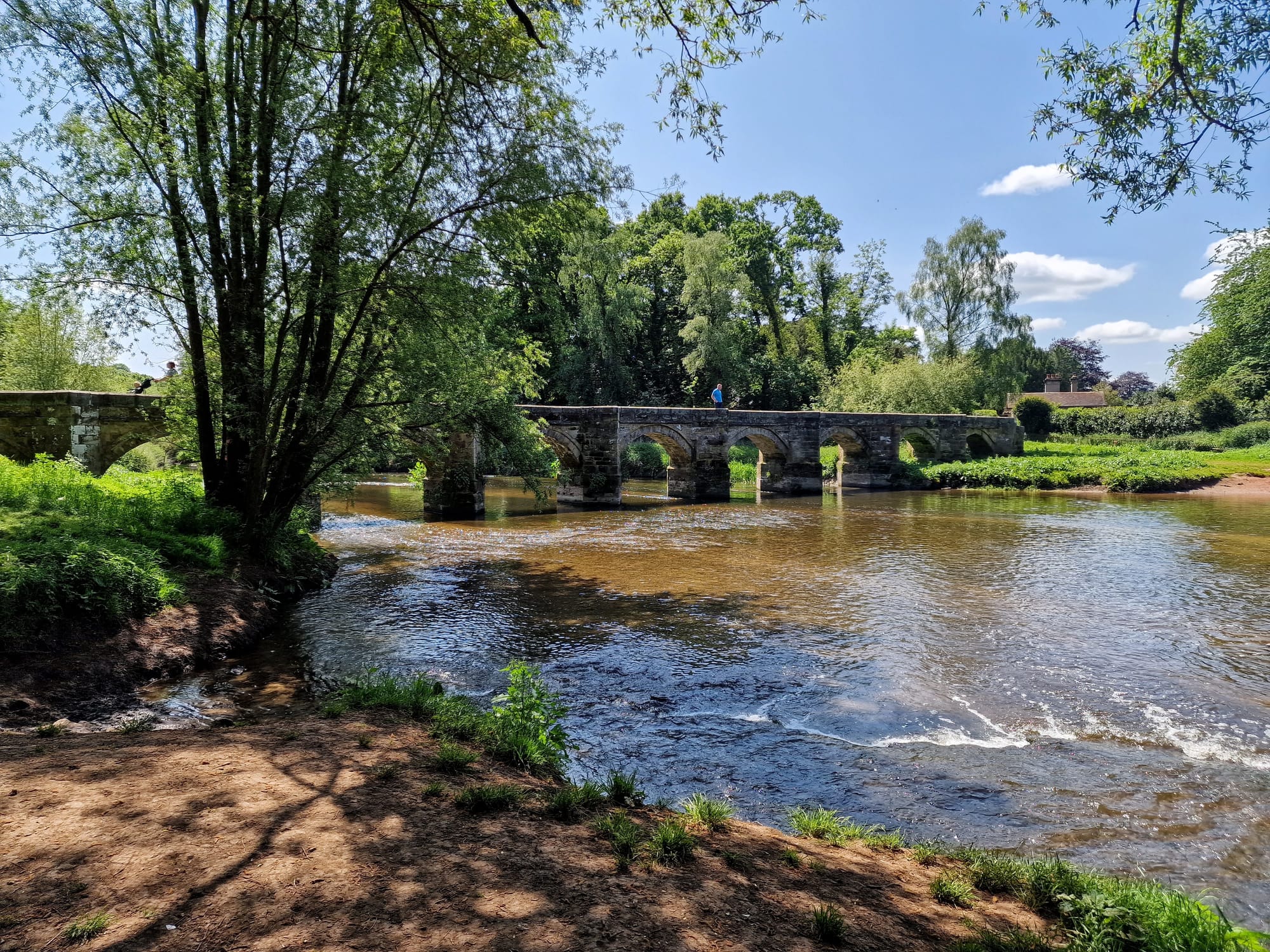
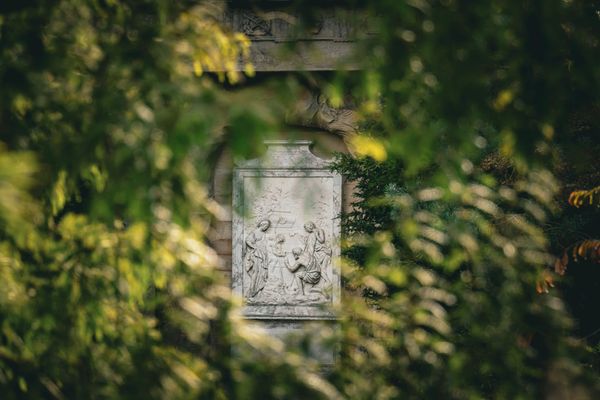
Great Heywood is now best known for its canals, its links to Shugborough, and the quiet beauty of its rural setting. In the winter of 1683, however, the village became known for something far more unusual.
That year, a local woman named Mrs Taylor, the wife of a tailor, endured a prolonged and traumatic labour which resulted in one of the strangest medical cases recorded in Staffordshire. What was removed from her body after the delivery of a stillborn child was examined by local medical figures, reported to Dr Robert Plot, and ultimately discussed by the Royal Society in London.
The case was described at the time as an extraordinary birth or monstrous birth, the language used in the 17th century for severe abnormalities of development. Today, it is understood very differently.
What happened in Great Heywood was not folklore or rumour. It was recorded in contemporary medical correspondence and published in one of the most important scientific journals of the period.
The case in Great Heywood
According to the surviving account, Mrs Taylor had been in labour for nearly a week before assistance was brought in. Given the period, that alone would have placed her in very serious danger.
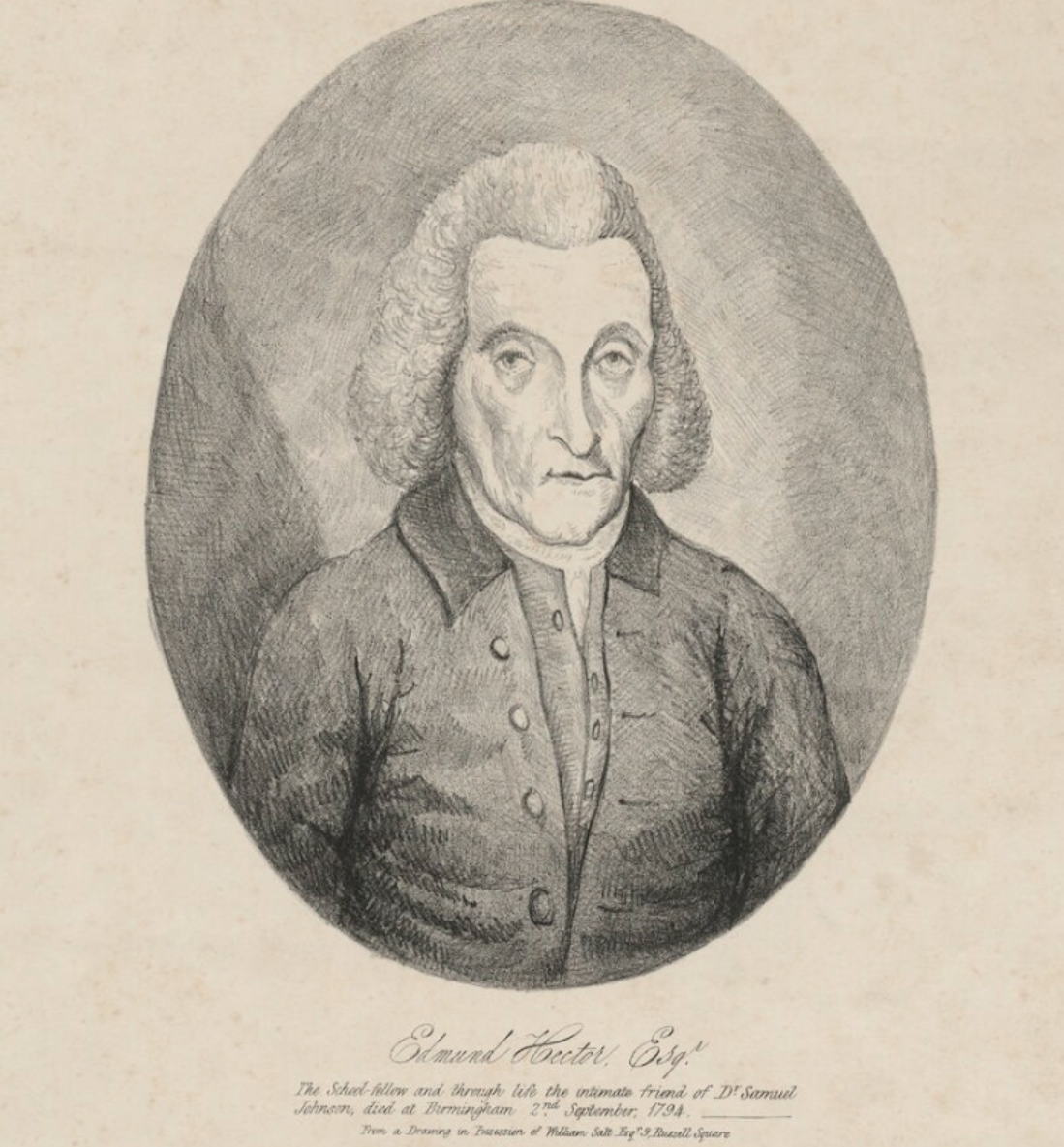
Those called to attend her included Edmund Hector, a surgeon from Lichfield, and the wife of Sampson Birch, a Stafford apothecary. Birch was a prominent figure in the town and would later serve as Mayor of Stafford on three occasions.
The first outcome of the labour was described as a perfect still-born child. After that delivery, however, it became clear that something else remained within the womb.
What was then removed was not identified as a second child in any ordinary sense. Instead, it was described as a fleshy sac or cyst containing a number of developed bodily structures.
What was found
Birch’s description is one of the reasons this case became so well known.
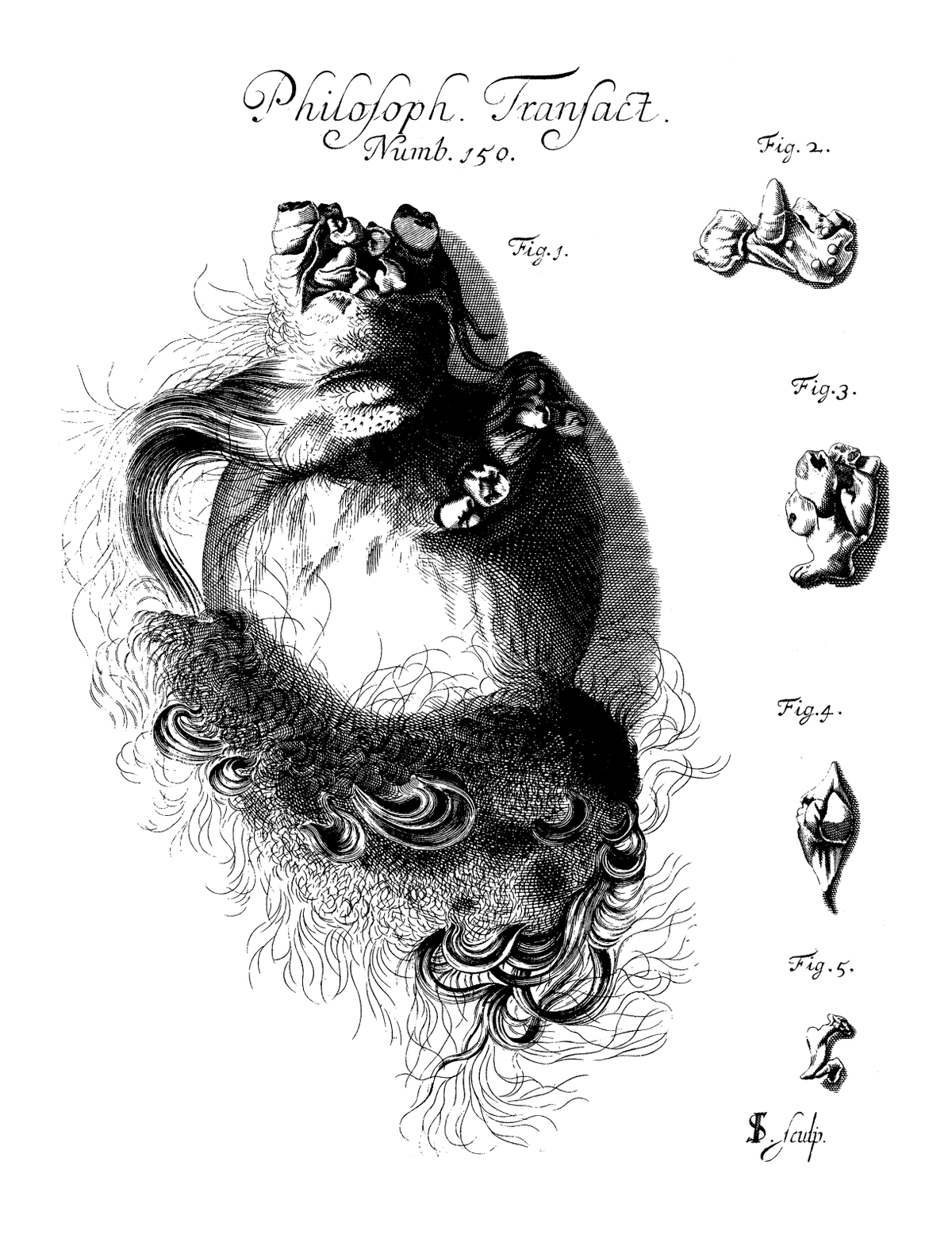
He referred to the object as a cystis, or sack, with a wall of notable thickness. When it was opened, those examining it found a slimy substance along with a hard, rounded piece of bone covered with flesh and short dark hair.
More striking still was the presence of teeth.
One bony section reportedly contained eight molar teeth arranged in a circle, while another held five more teeth. Hair, bone, skin, and teeth were all present within the mass.
To a 17th century observer, this was a prodigy of nature, something abnormal and deeply unsettling. But Birch did not simply dismiss it as an omen or marvel. He documented it carefully and recognised that it was something worth reporting beyond the village and beyond Staffordshire.
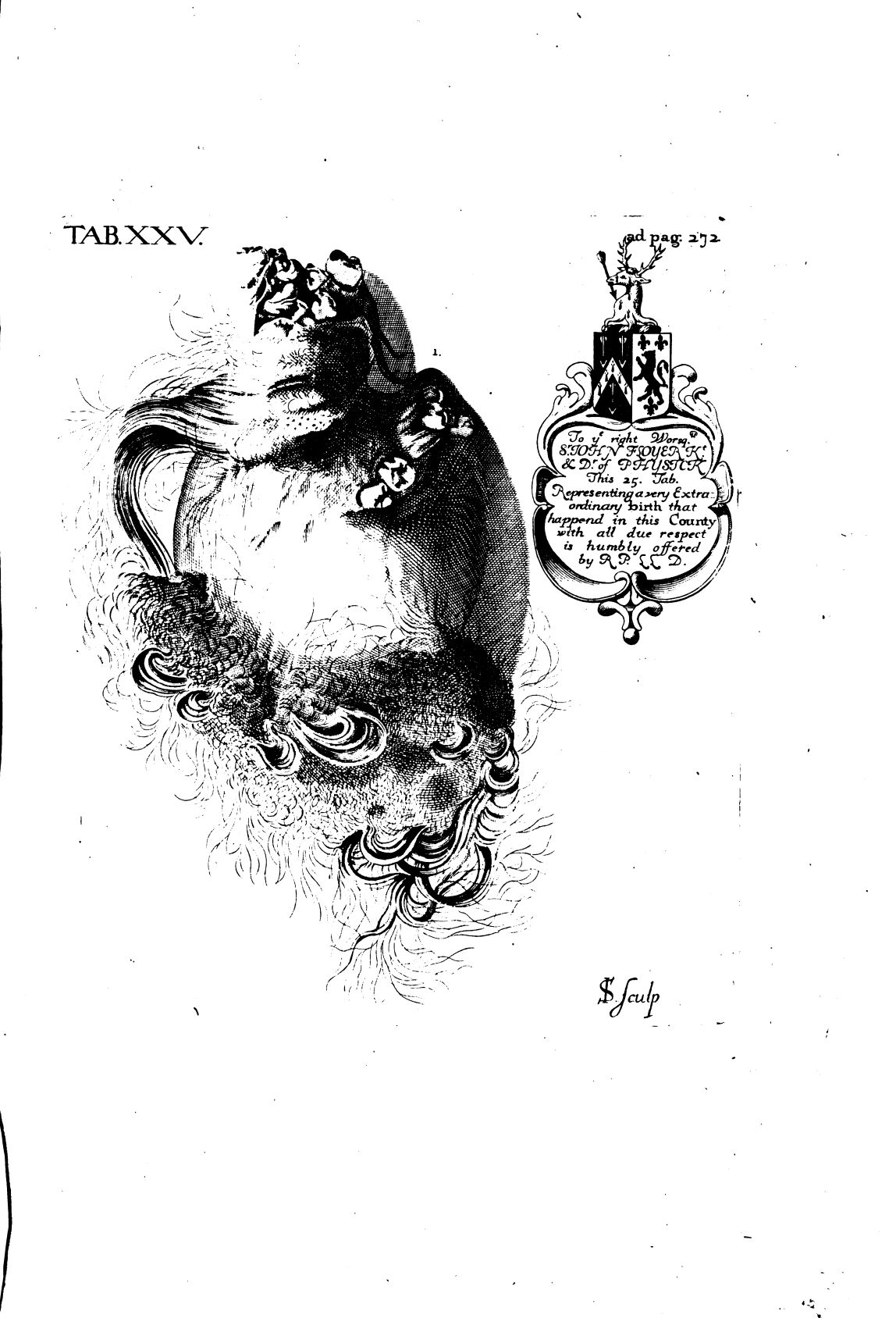
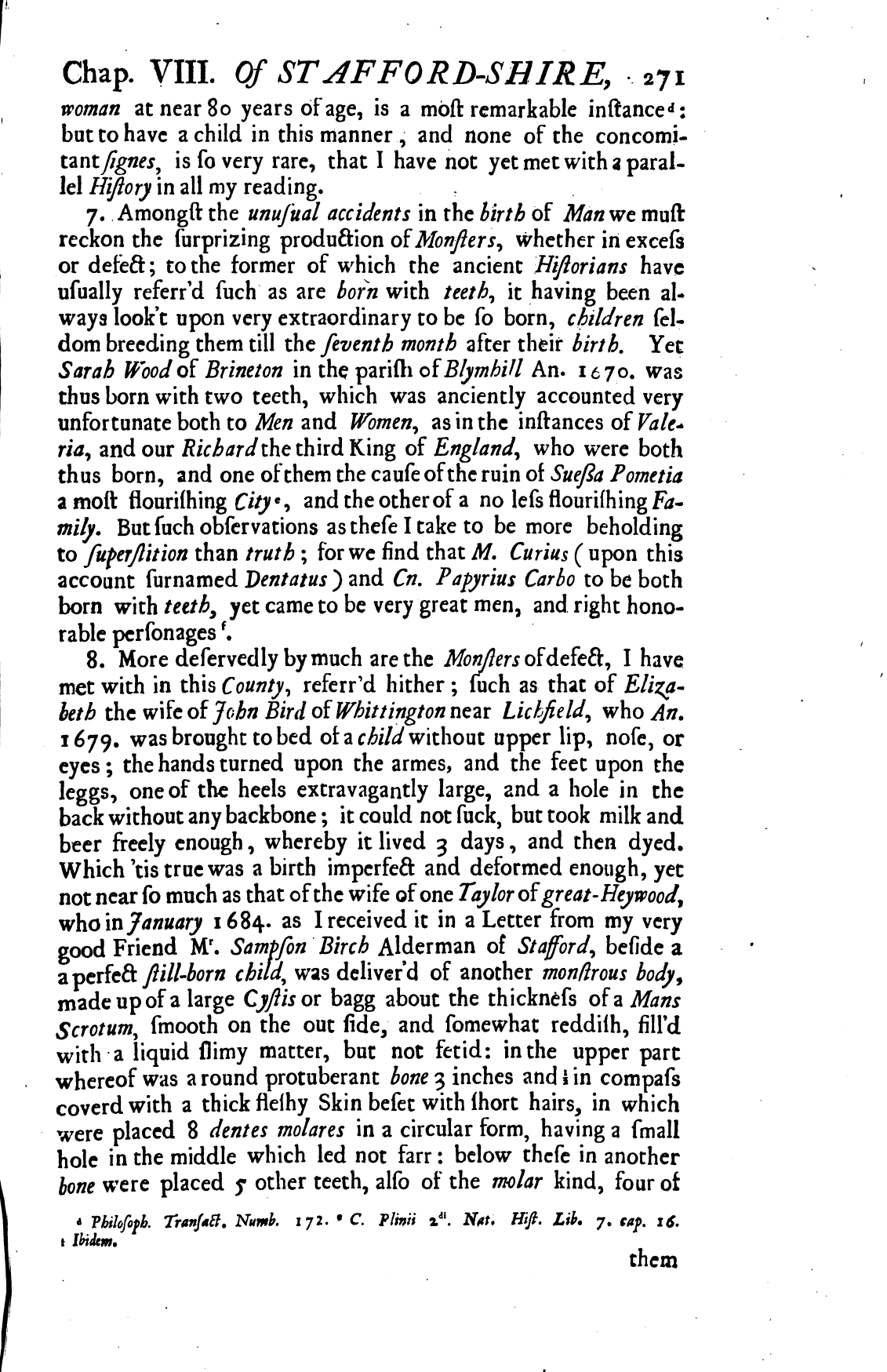
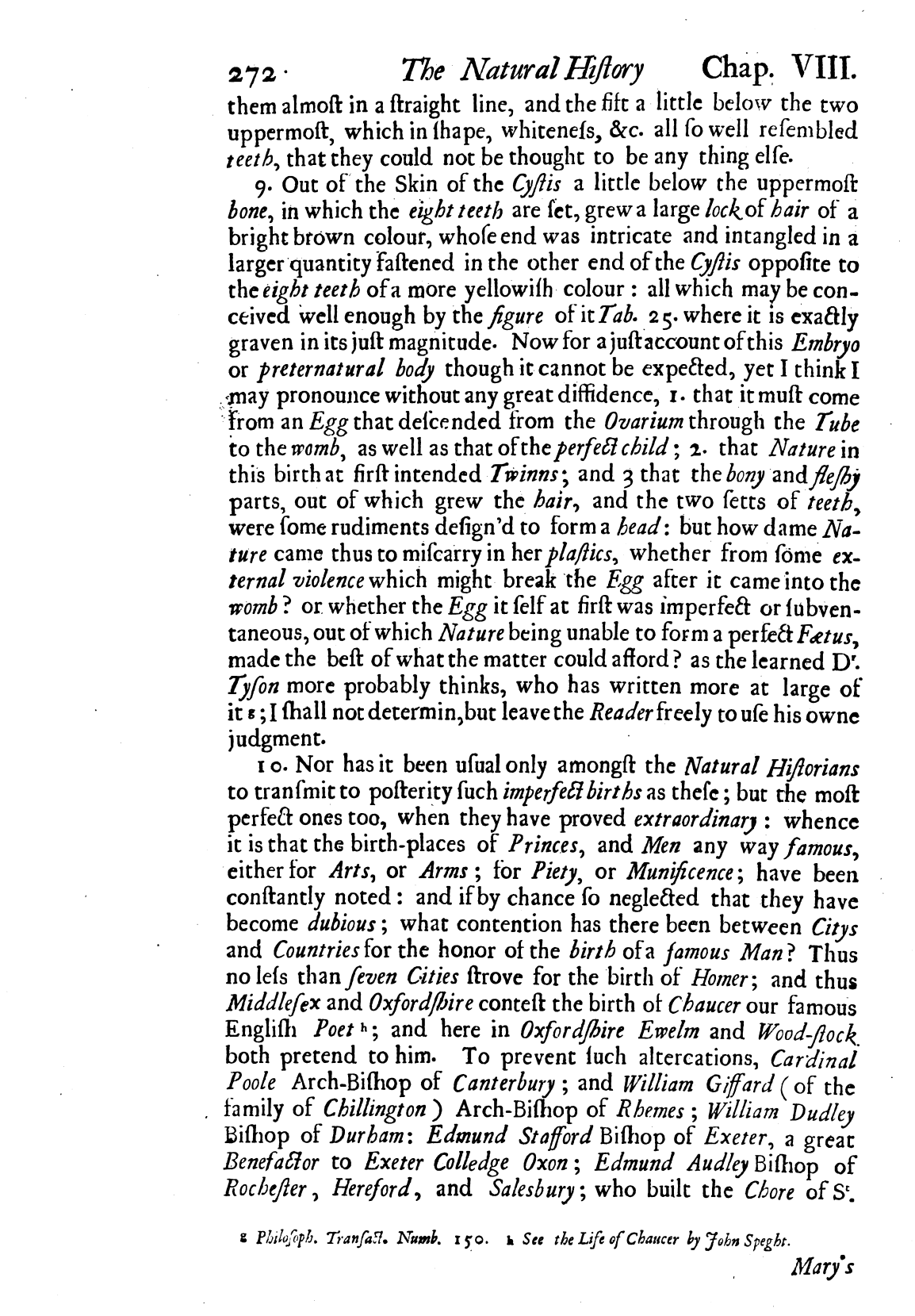
The Natural History of Staffordshire - Robert Plot - 1686
Sampson Birch and Robert Plot
The significance of this case lies not only in what happened, but in what happened next.
Rather than remaining a local curiosity, the case was passed on to Robert Plot, one of the leading natural historians of the period. Plot is an important figure in Staffordshire history, best known for his book The Natural History of Stafford-shire, published in 1686. He was also the first keeper of the Ashmolean Museum at Oxford.
Plot had a strong interest in unusual natural phenomena, and Birch’s report fitted squarely into that world of enquiry. The case was communicated onward and became the subject of discussion among learned men in London.
It was also examined by Edward Tyson, the noted physician and anatomist whose work would later help establish the field of comparative anatomy.
This means that a case originating in Great Heywood entered the highest circles of scientific discussion in late 17th century England.
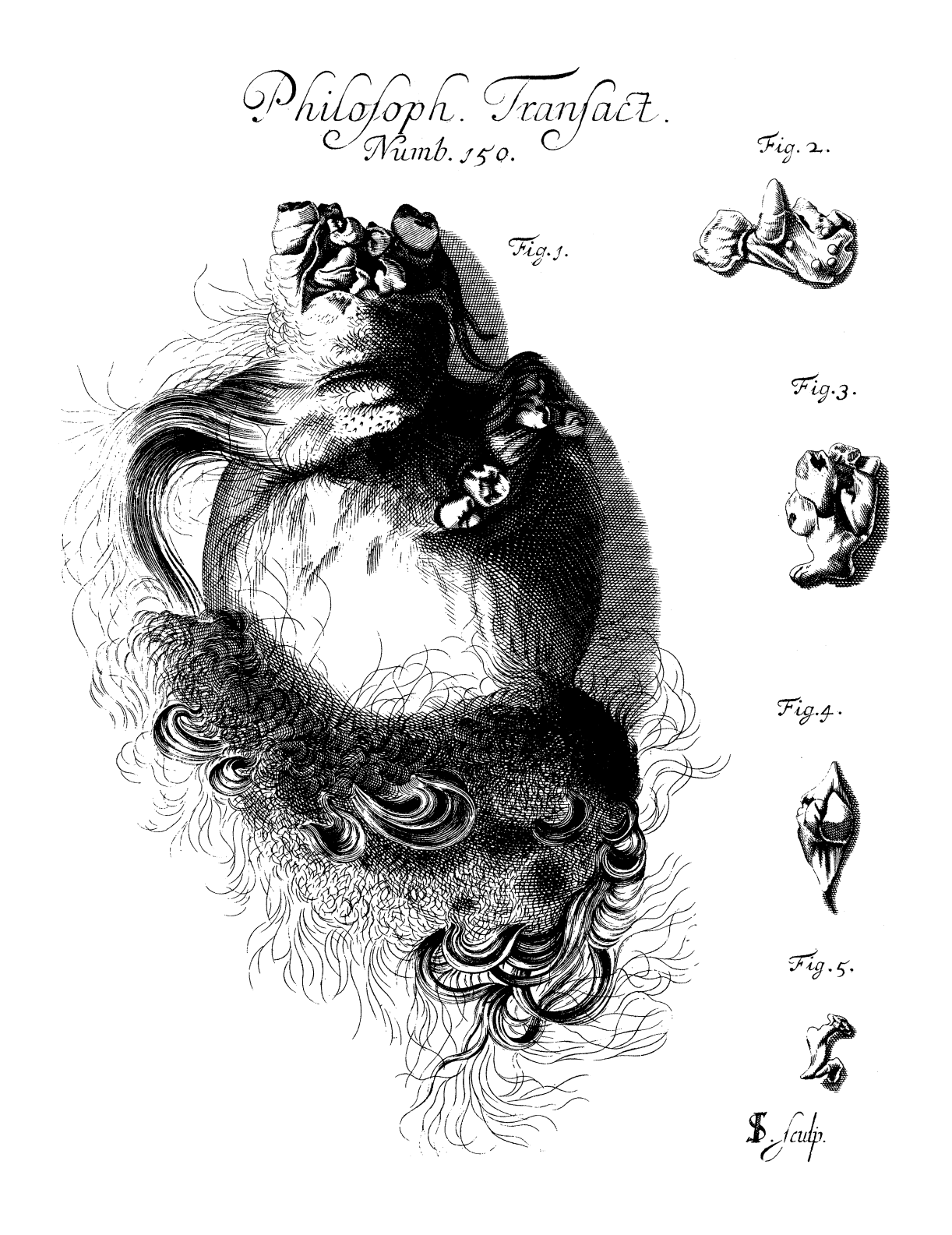
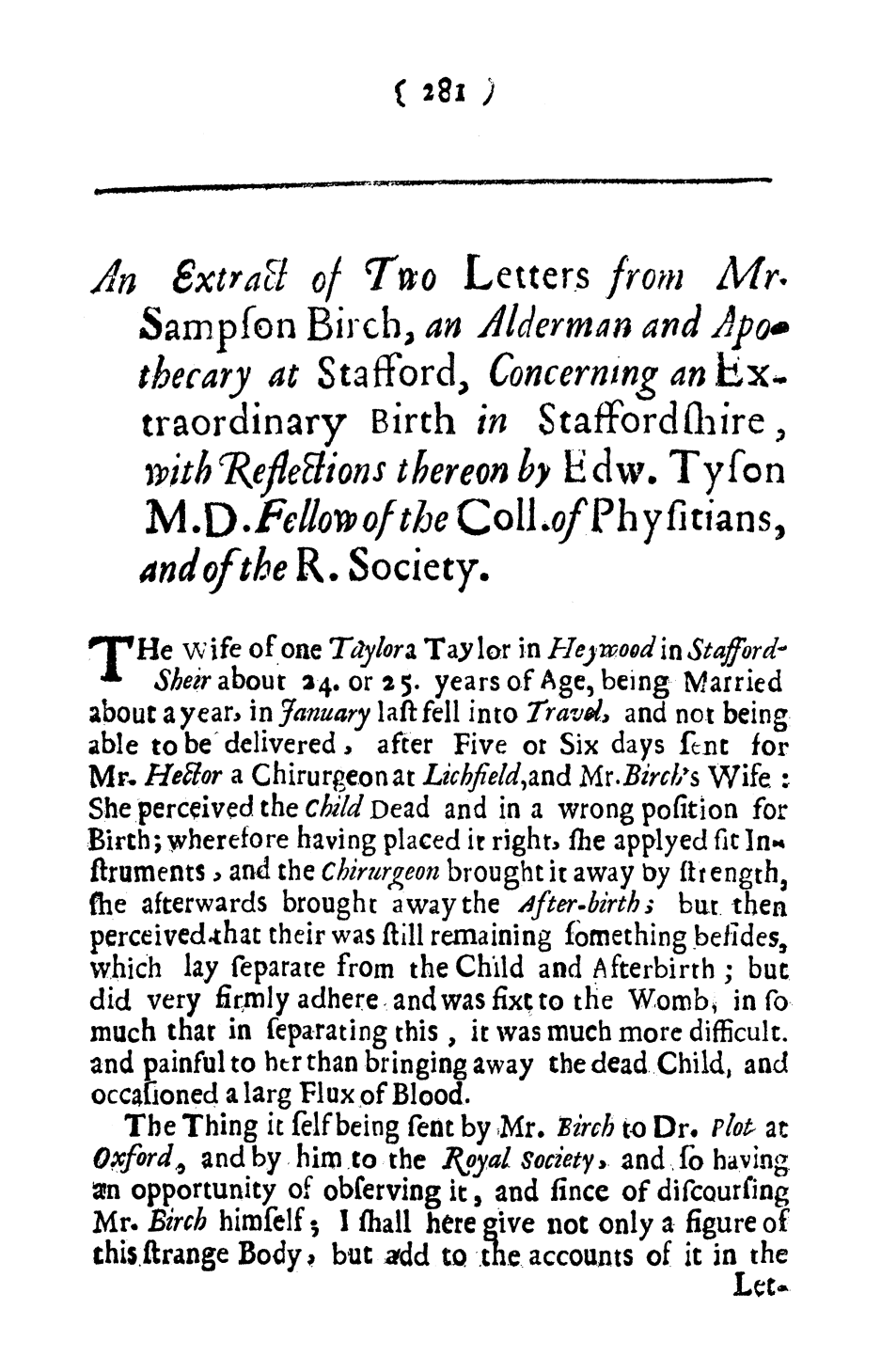
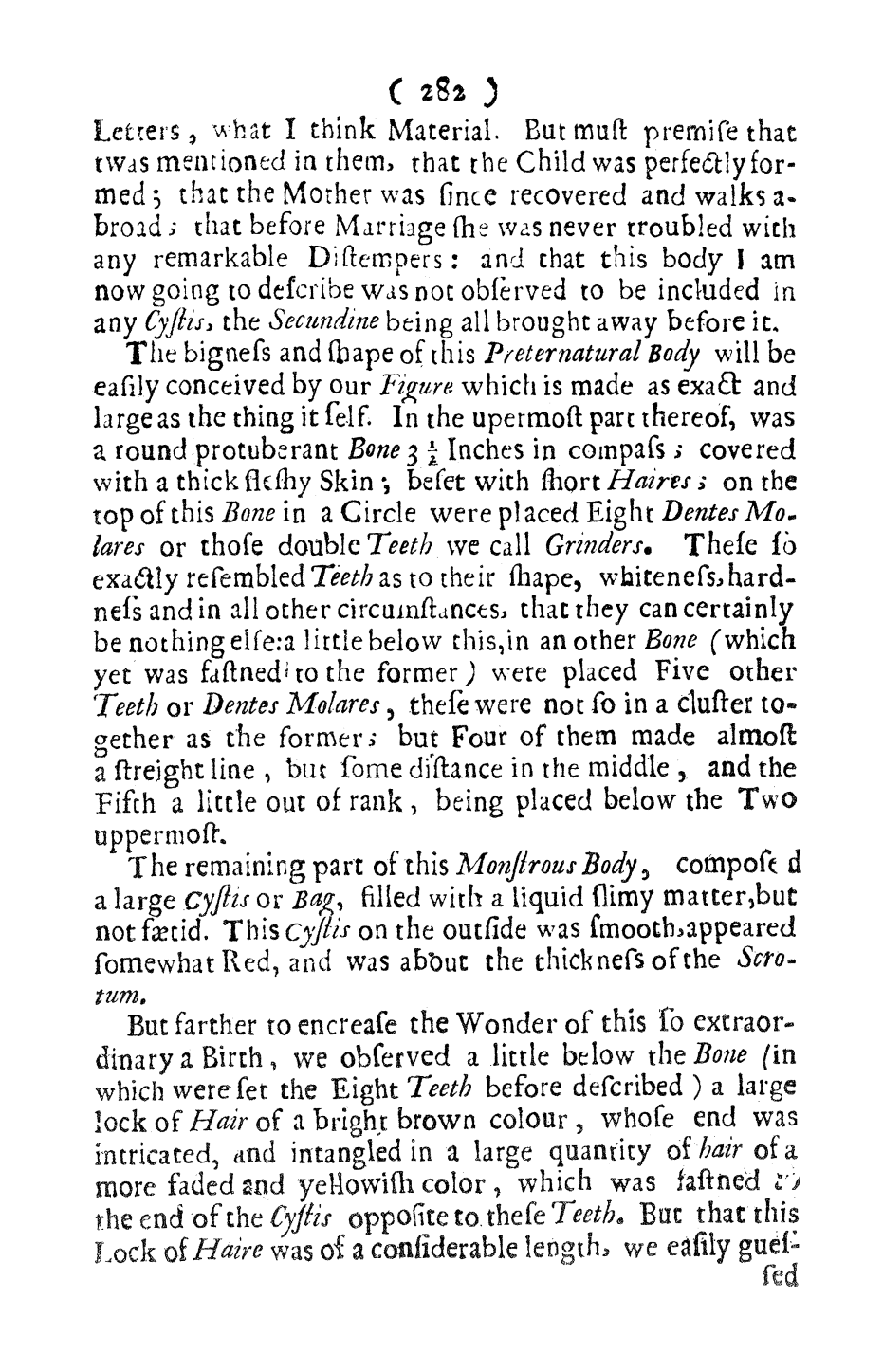
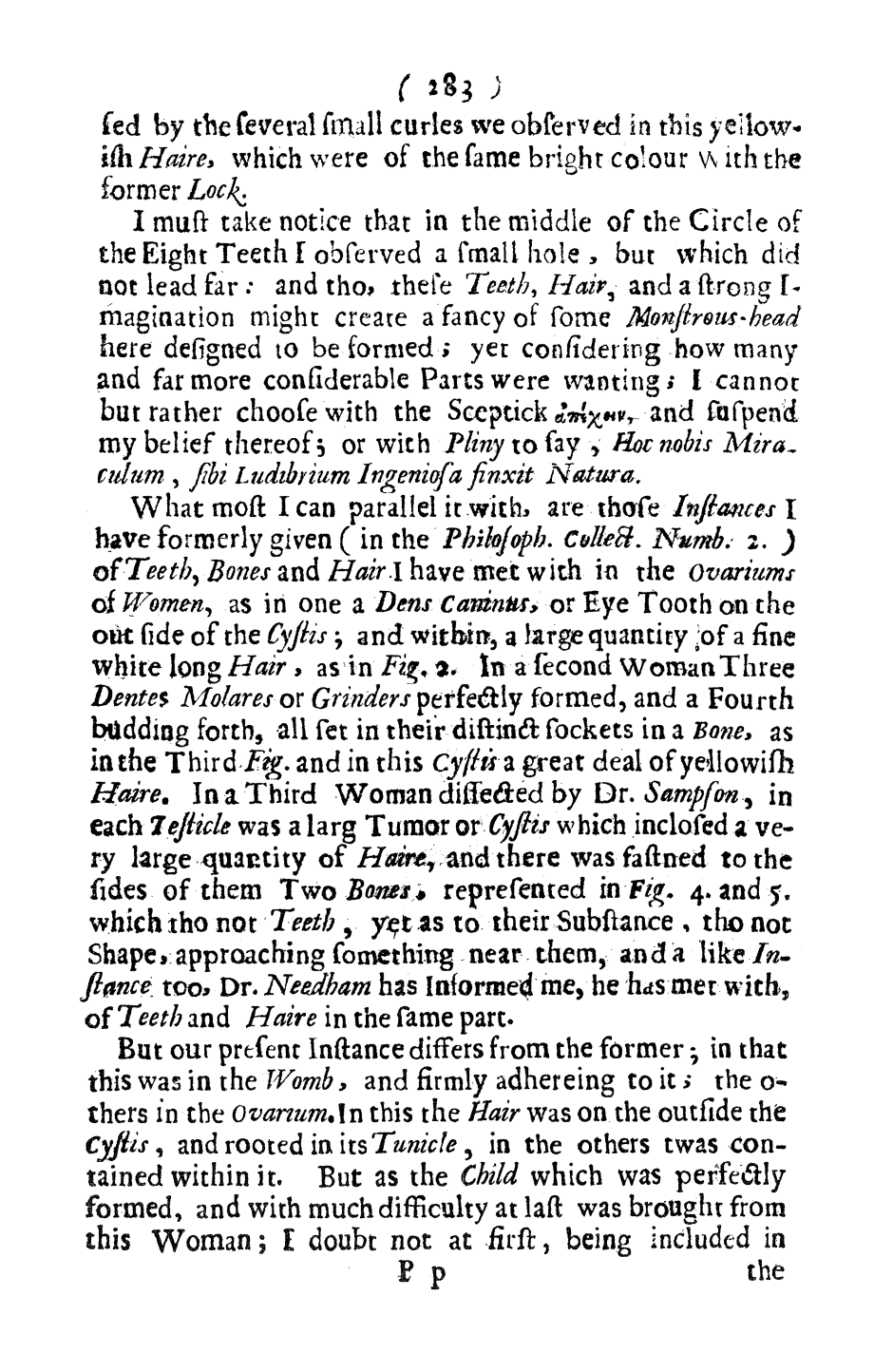
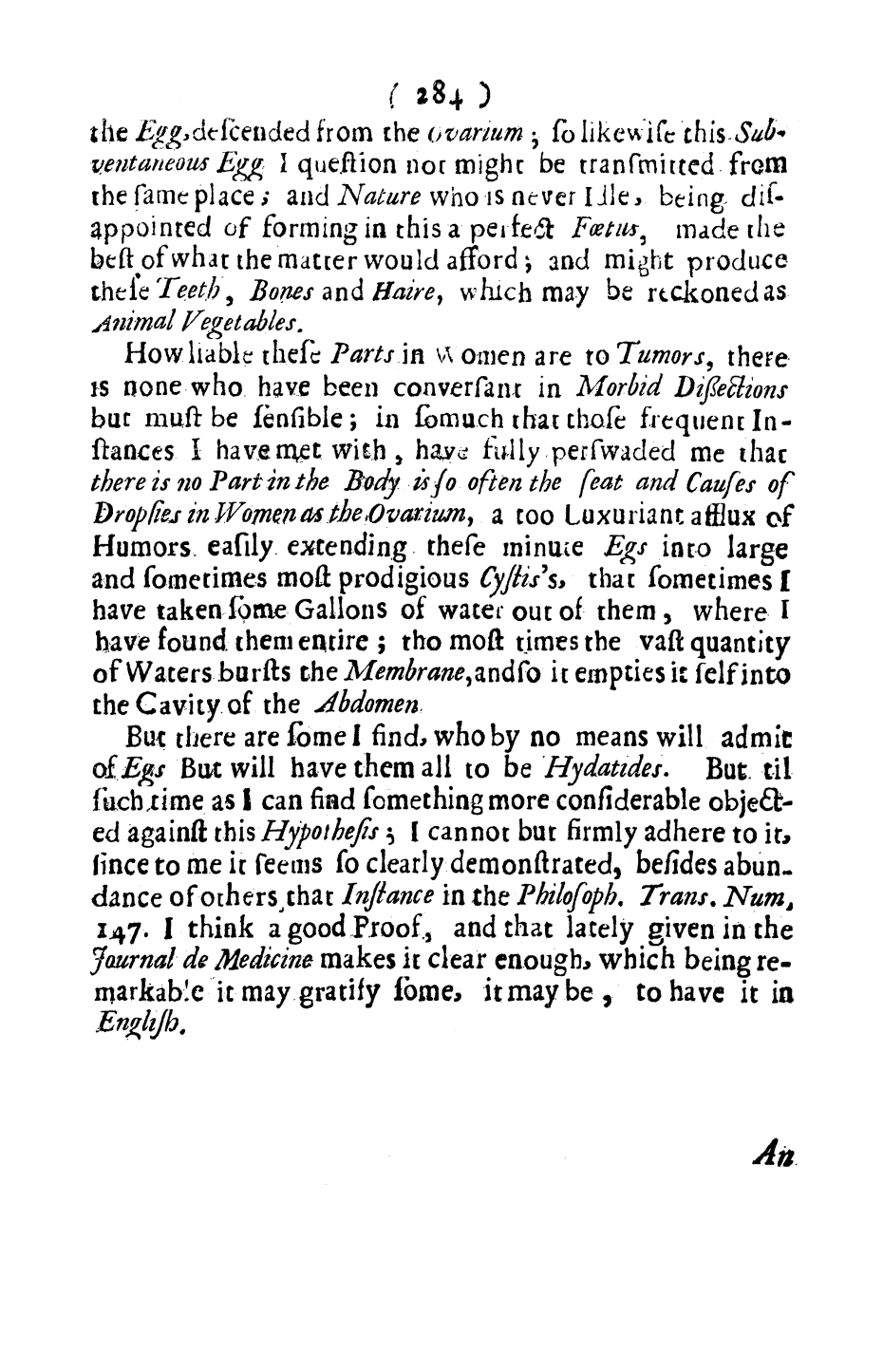
Philosophical Transactions - An Account of an Extraordinary Birth in Stafford-shire
The published evidence
This story survives because it was documented in print.
The principal contemporary source is Philosophical Transactions, where the case appeared in 1683 under the title “An Account of an Extraordinary Birth in Stafford-shire.” That is important. It shows that the event was formally communicated as a matter of medical and scientific interest, not merely repeated as hearsay.
Robert Plot also included the case in The Natural History of Stafford-shire in 1686, preserving it within one of the county’s foundational historical works.
These sources make clear that the Great Heywood case was regarded at the time as exceptional, both for the physical nature of the specimen and for what it seemed to suggest about human generation and development.
How it would be understood today
In the 17th century, the term monster was used medically and philosophically for severe developmental abnormalities. It was not used in the casual modern sense, though it still reflects a worldview very different from our own.
Today, the specimen described in this case is generally understood as being consistent with a mature cystic teratoma.
This is a type of tumour formed from cells capable of developing into different kinds of tissue. As a result, structures such as hair, teeth, bone, and skin can form within it. To modern medicine, that is rare but recognisable. To people in 1683, it was astonishing.
That change in interpretation is part of what makes this case so interesting. It stands at the meeting point between older ideas of wonder and divine signs, and a more modern attempt to observe, record, and explain the body in physical terms.
The human story behind it
It is also worth being clear that behind all of this was a woman who went through an extremely dangerous and distressing labour.
Mrs Taylor is only briefly visible in the surviving records, and almost entirely through the observations of the men who documented the case. That is often the way with women in early medical history. But she should not be lost behind the specimen.
Without her suffering, there would have been no case to record. What later became a subject for scientific correspondence was, first and foremost, a personal tragedy.
A remarkable Staffordshire record
The Great Heywood ‘monstrous birth’ remains one of the most remarkable medical cases associated with Staffordshire.
It connected a village in rural Staffordshire with a Stafford apothecary, a Lichfield surgeon, Robert Plot in Oxford, and the Royal Society in London. It also survives as a rare example of how unusual medical events were understood, described, and circulated in the late 17th century.
More than three centuries later, it still stands as a striking case study in the history of medicine, and a reminder that Staffordshire’s past contains stories far stranger, and far more significant, than many people realise.
Thank you for reading.
If you enjoy this work and would like to help support it, you can sign up for my newsletter so you don't miss anything, and find my Amazon Wish List here;


Below is my interactive Staffordshire map, which is now embedded at the end of every post. The map brings together all of the places I have visited, researched, written about, and filmed so far, with links to the stories behind them. It is designed to help you see what is around you, plan your own walks or days out, and explore Staffordshire’s history in a more connected and interactive way.