Twyfords Etruria Works Demolished: The Corner of Stoke Where the Greatest Show on Earth Wintered
The former Twyfords works on Garner Street has come down. Right next door, Renshaw’s Phoenix Works built the trains for Barnum & Bailey, the Greatest Show on Earth.

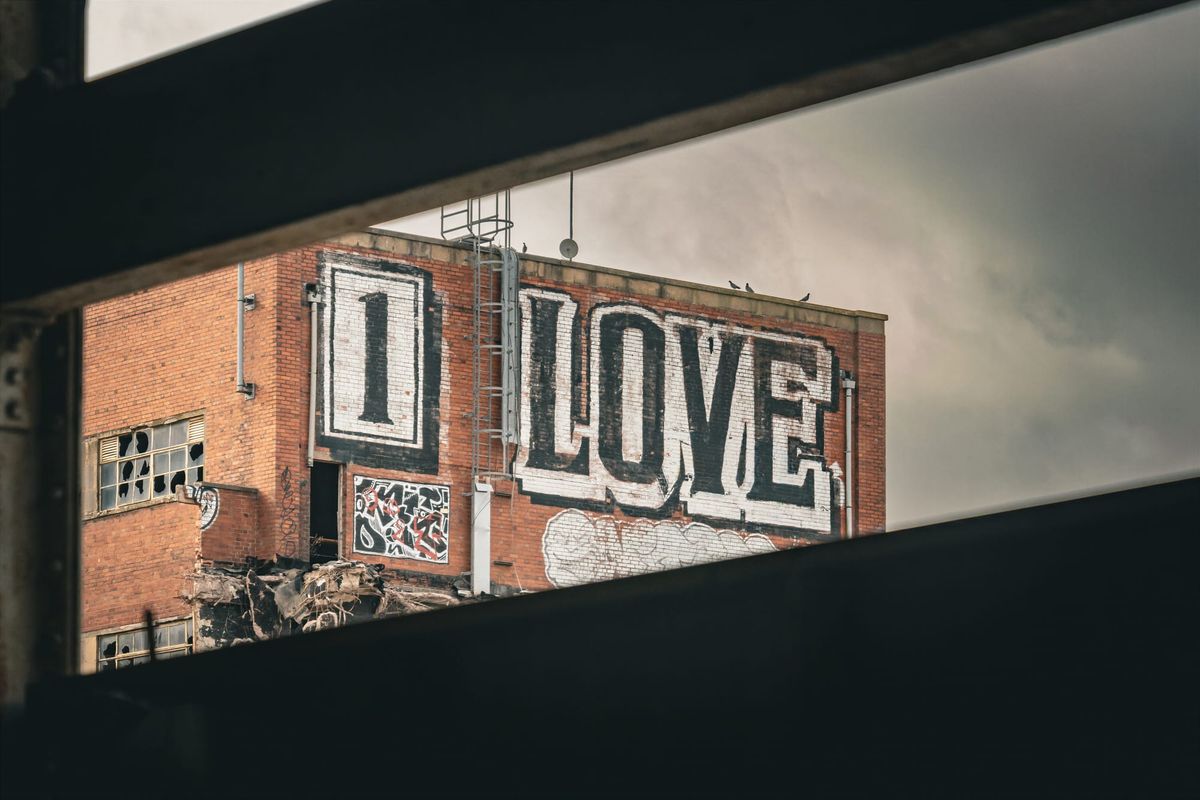
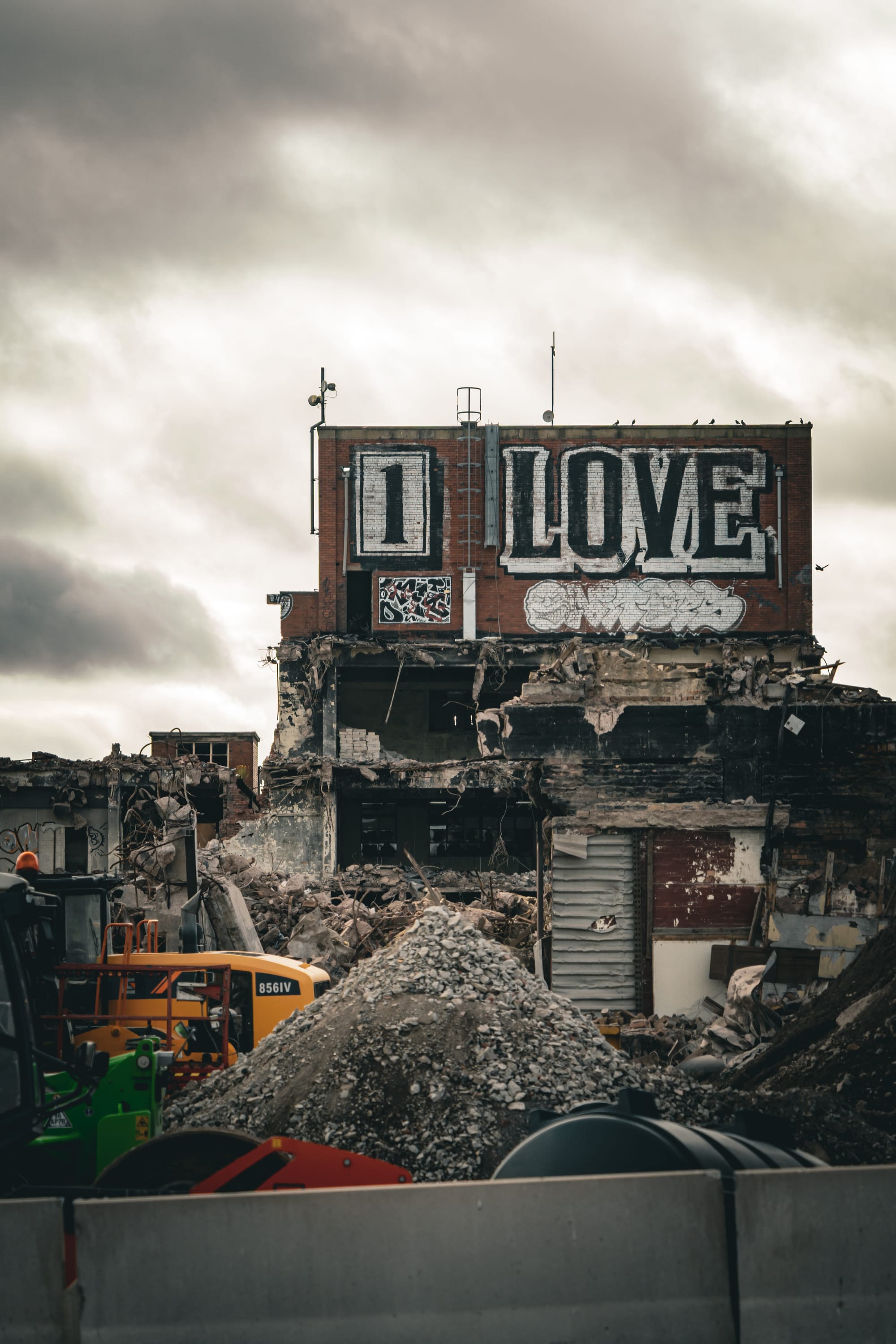
This autumn, the former Twyfords Etruria Works on Garner Street has finally come down. For most people it was simply the burnt-out factory with the giant "1 Love" graffiti, one of the most recognisable derelict sites in Stoke-on-Trent. But the ground underneath it has one of the most unexpected stories in the Potteries.
Before Twyfords made a single toilet here, this corner of Etruria was already famous. Right next door, at W.R. Renshaw’s Phoenix Works, the enormous trains of Barnum & Bailey, "The Greatest Show on Earth", were built and spent their winters. I went down to record some of the demolition, and while the walls came down I dug into the history of this small but remarkable patch of Stoke. Here is what stood here, and what we are losing.
Before Twyfords: the Greatest Show on Earth
Long before anyone made a toilet on Garner Street, the land next door belonged, every winter, to the circus. And not just any circus: Barnum & Bailey, "The Greatest Show on Earth".
In 1897 James A. Bailey, who had run the show since P.T. Barnum's death in 1891, decided to take the whole circus to Britain and Europe for five years. There was one problem. American circus trains were far too big for British railways, so he needed a new one, and he ordered it from Stoke-on-Trent.
Built by Renshaw's of Stoke
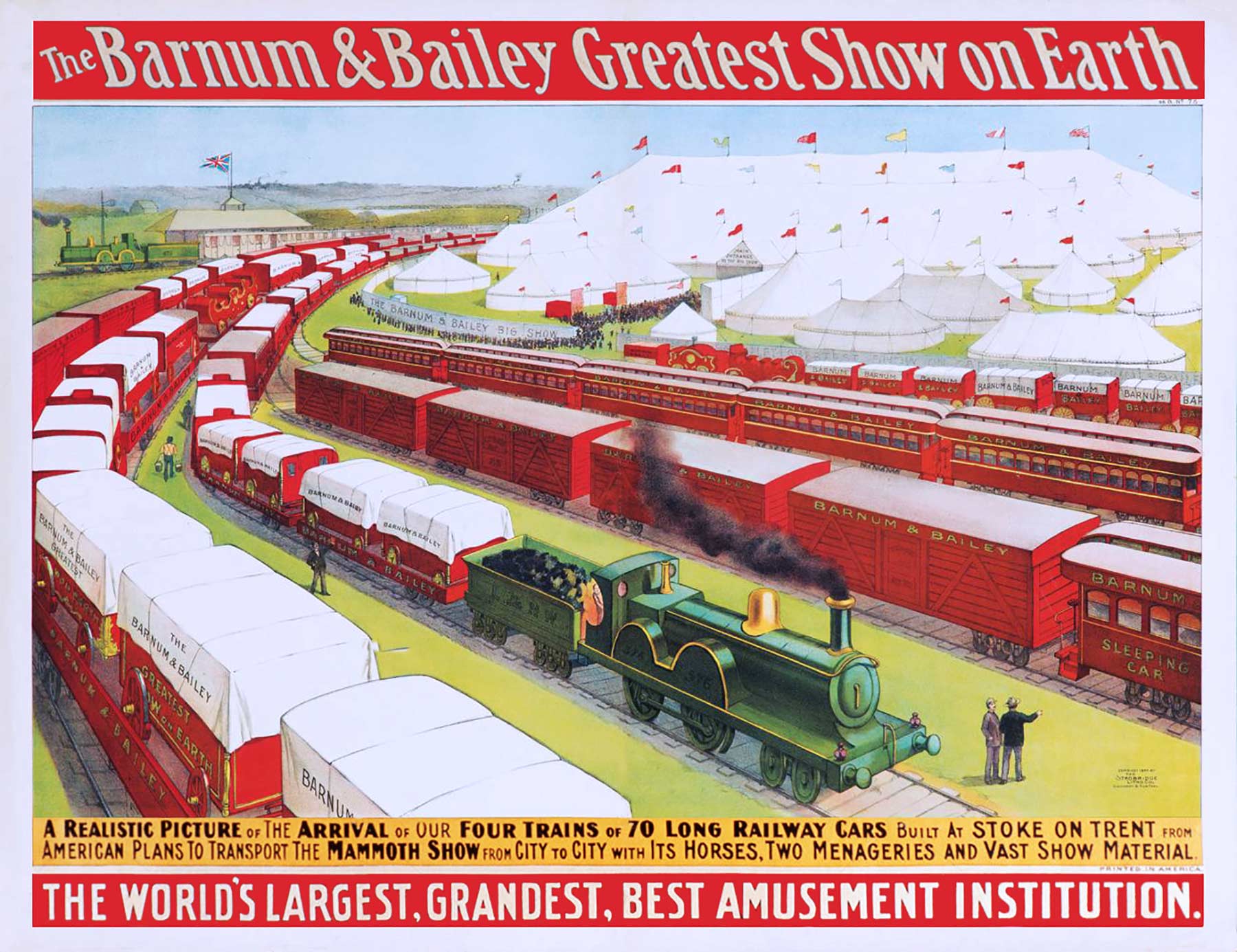
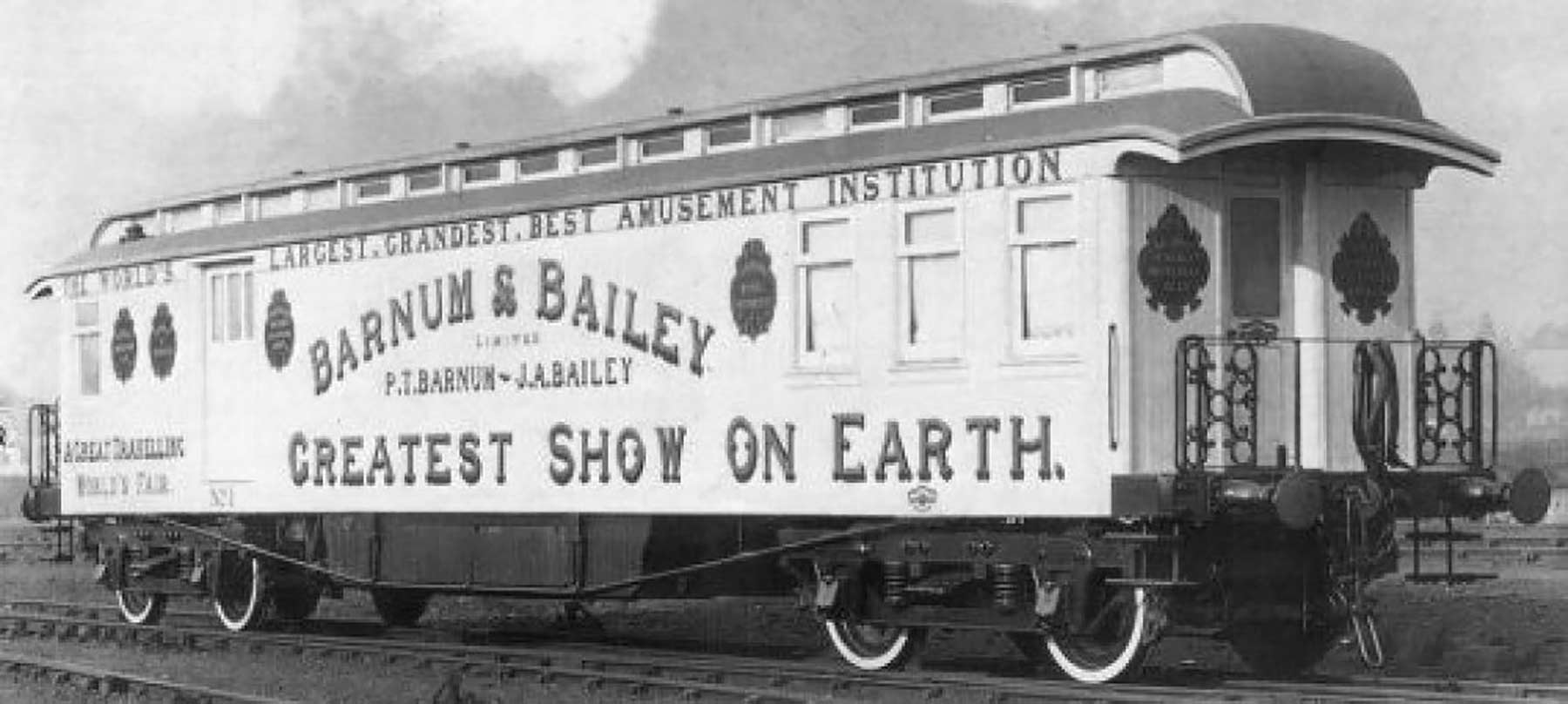
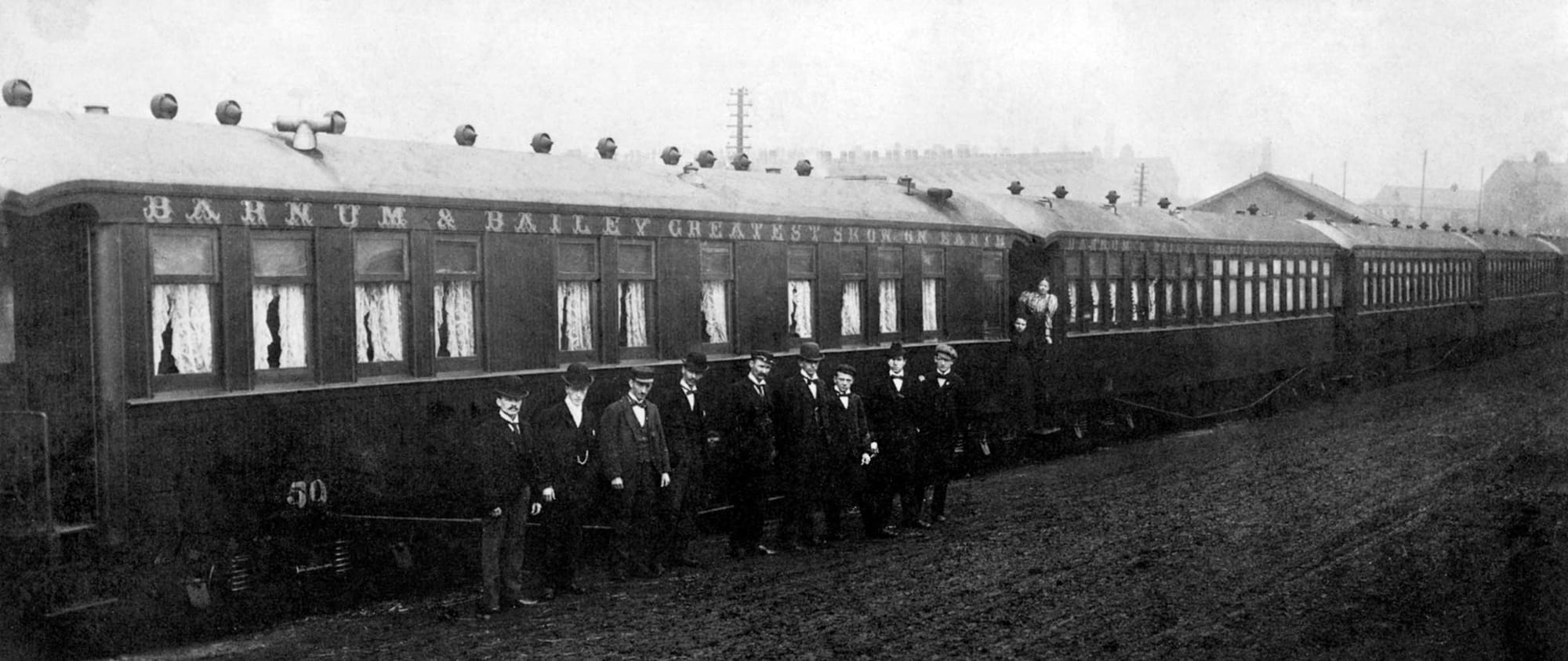
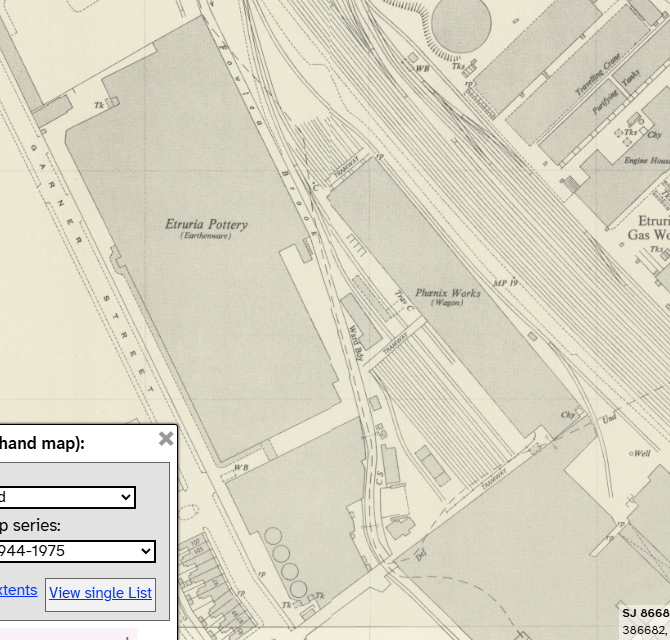
The order went to W.R. Renshaw & Co of the Phoenix Works, railway carriage and wagon builders whose works sat between the Fowlea Brook and the main railway line in Etruria, right beside the land where Twyfords would later build. Renshaw's built 67 cars for the show: seven sleeping cars, a private saloon for Bailey himself, stock cars for the horses and menagerie, three elephant cars with roofs that partly opened, a camel car, a double deck pony car, a baggage car, and 35 flat cars to carry the circus wagons. Leading the way was an advertising car, which ran weeks ahead of the show to plaster each town in posters.
At 57 feet long, they were the longest railway carriages yet built for Britain's railways. The designs drew heavily on American practice, helped by an engineer from the carriage builders Barney & Smith of Dayton, Ohio. The animal and wagon cars ran on smaller wheels than usual to keep the floors low enough for tall loads to squeeze under British bridges, and most of the cars had American style couplings, so special buffer cars were needed to hitch them to British locomotives.
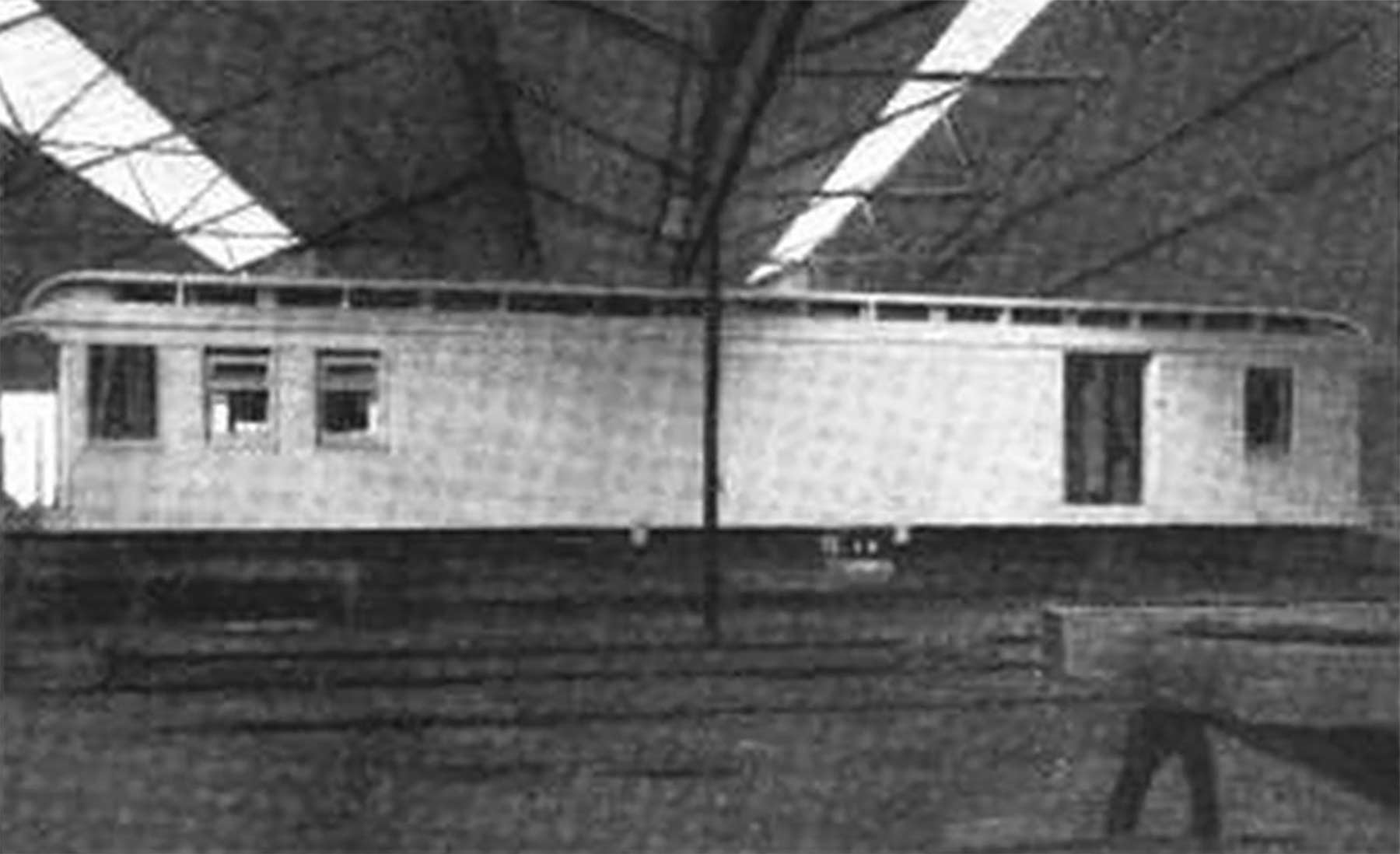
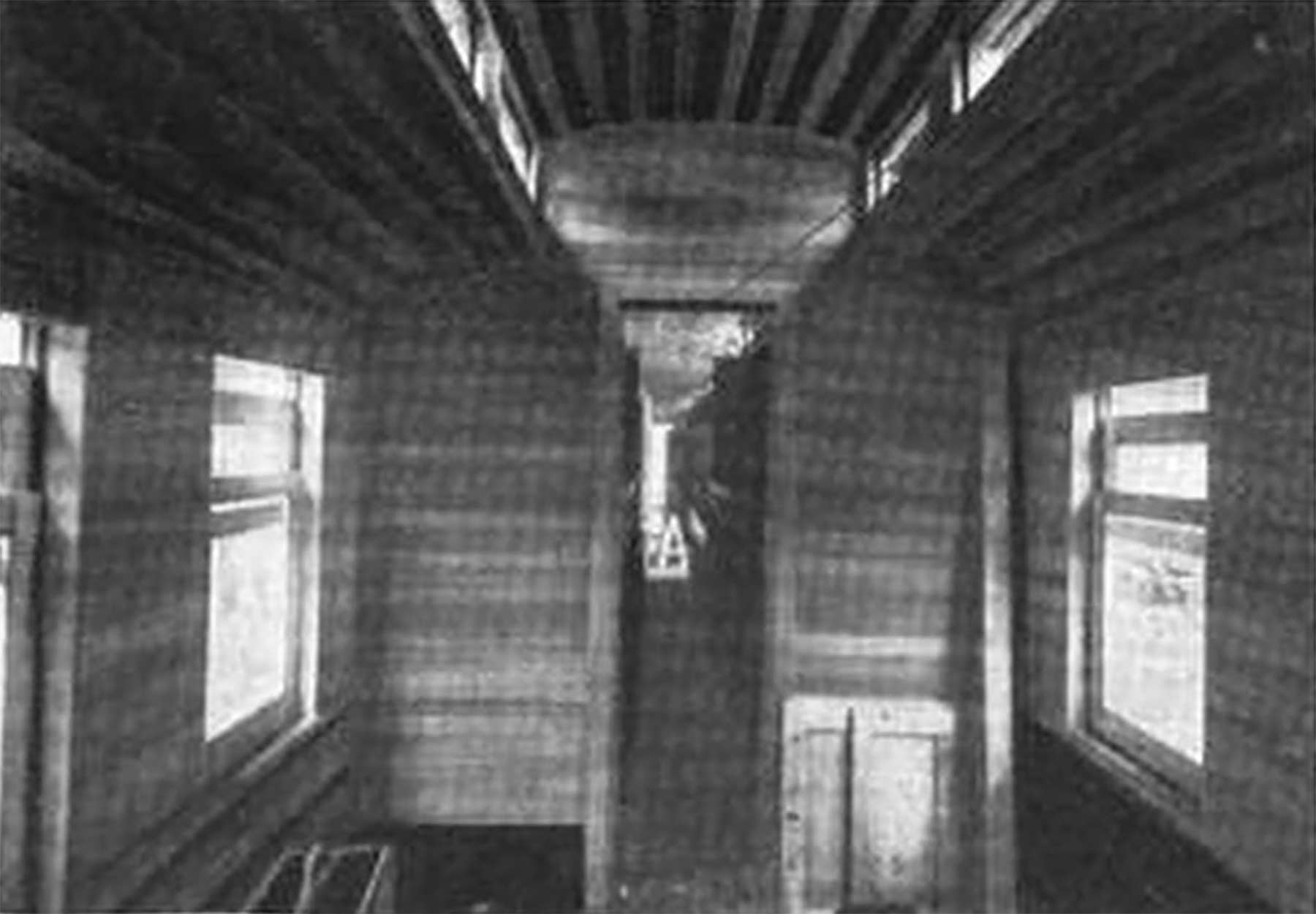
Like many a building job in Stoke, it ran late. When the circus set off on its British tour in April 1898, opening in Manchester, the new trains were not ready and borrowed rolling stock had to do the job. The first sleeping cars caught up with the show in Birmingham at the end of May, and the last of them, along with Bailey's private car, were delivered on 16 July 1898, just in time for the trip north to Edinburgh.
Winter quarters in Etruria
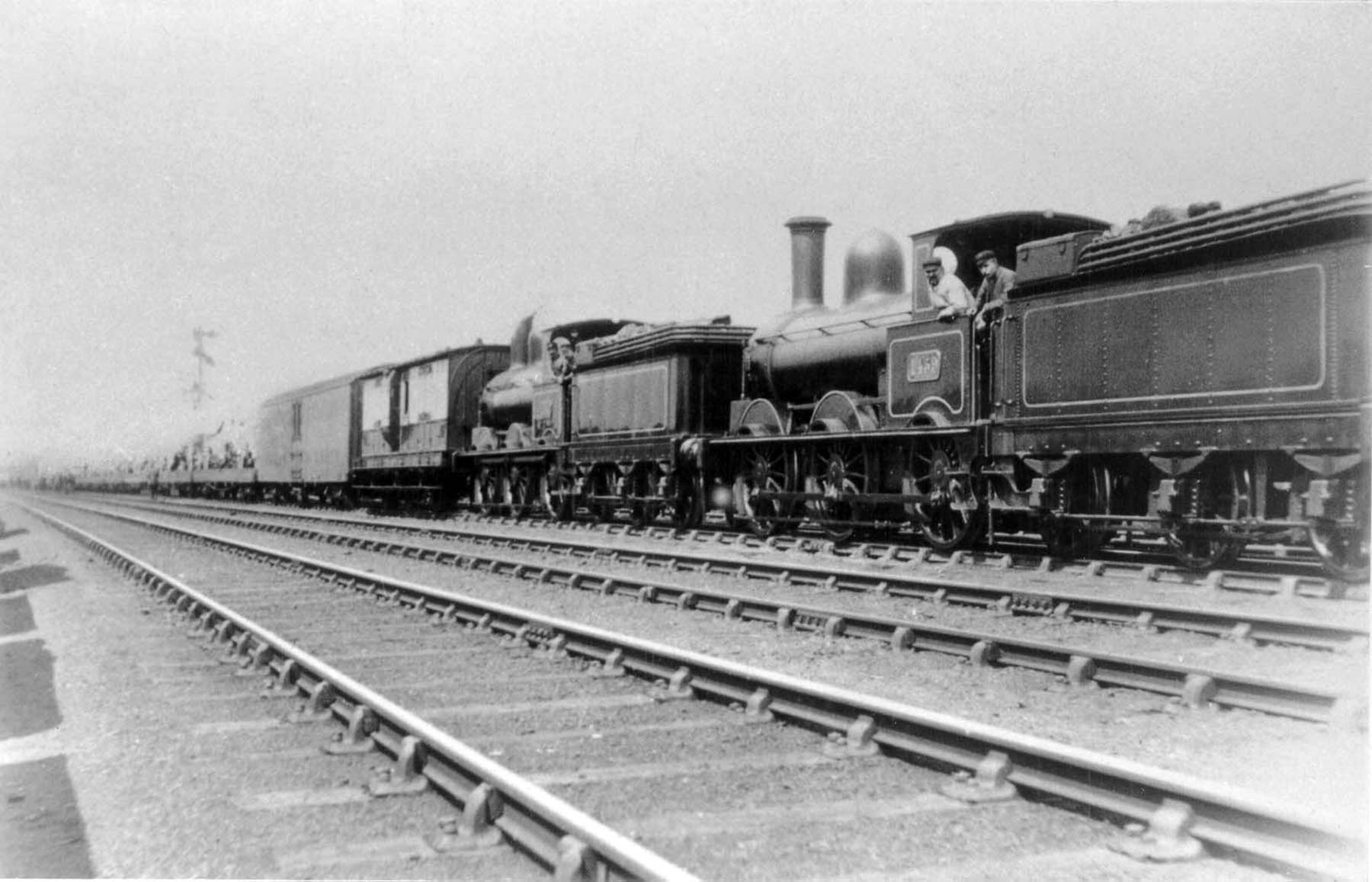
Between tours, the circus trains wintered at the Phoenix Works, beside the main line in Etruria, in the very works that had built them. The circus toured Britain in 1898 and 1899, then in March 1900 the whole train was shipped to Hamburg and spent the next three years criss-crossing Germany, Austria, Hungary, the Low Countries, France and Switzerland. Local accounts recall the circus parading through the city, a procession said to be a mile long and to take 20 minutes to pass.
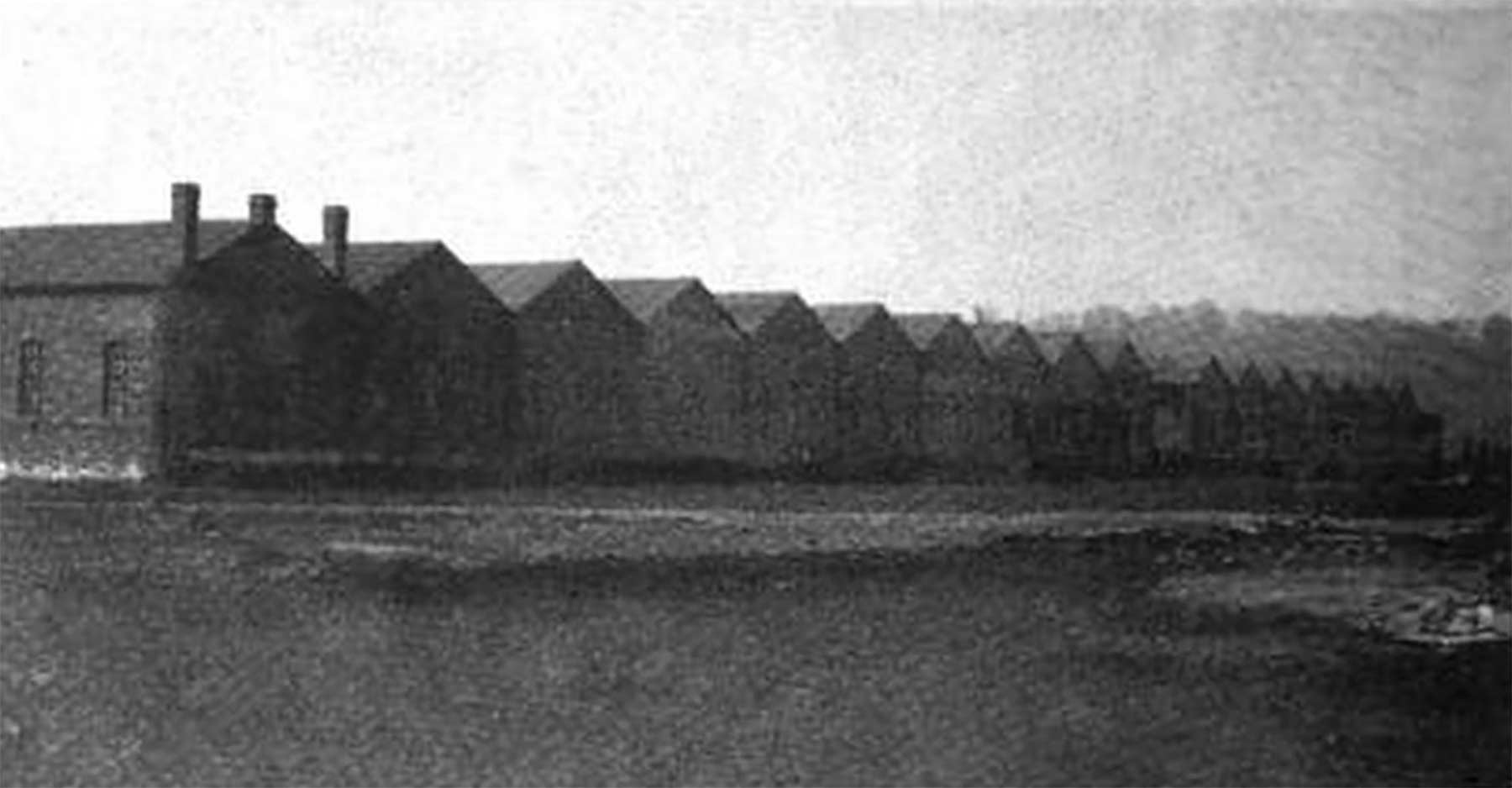
When the circus sailed home to New York in 1902, it left its train behind. Around fifty of the cars went on to carry Buffalo Bill's Wild West around Britain and Europe from 1903 to 1906. Afterwards some came back to North Staffordshire to carry miners at Chatterley Whitfield Colliery, while others were simply scrapped. The Phoenix Works itself carried on as a wagon works, and its name was still on the maps decades later, right beside the Twyfords factory.
The one that survived
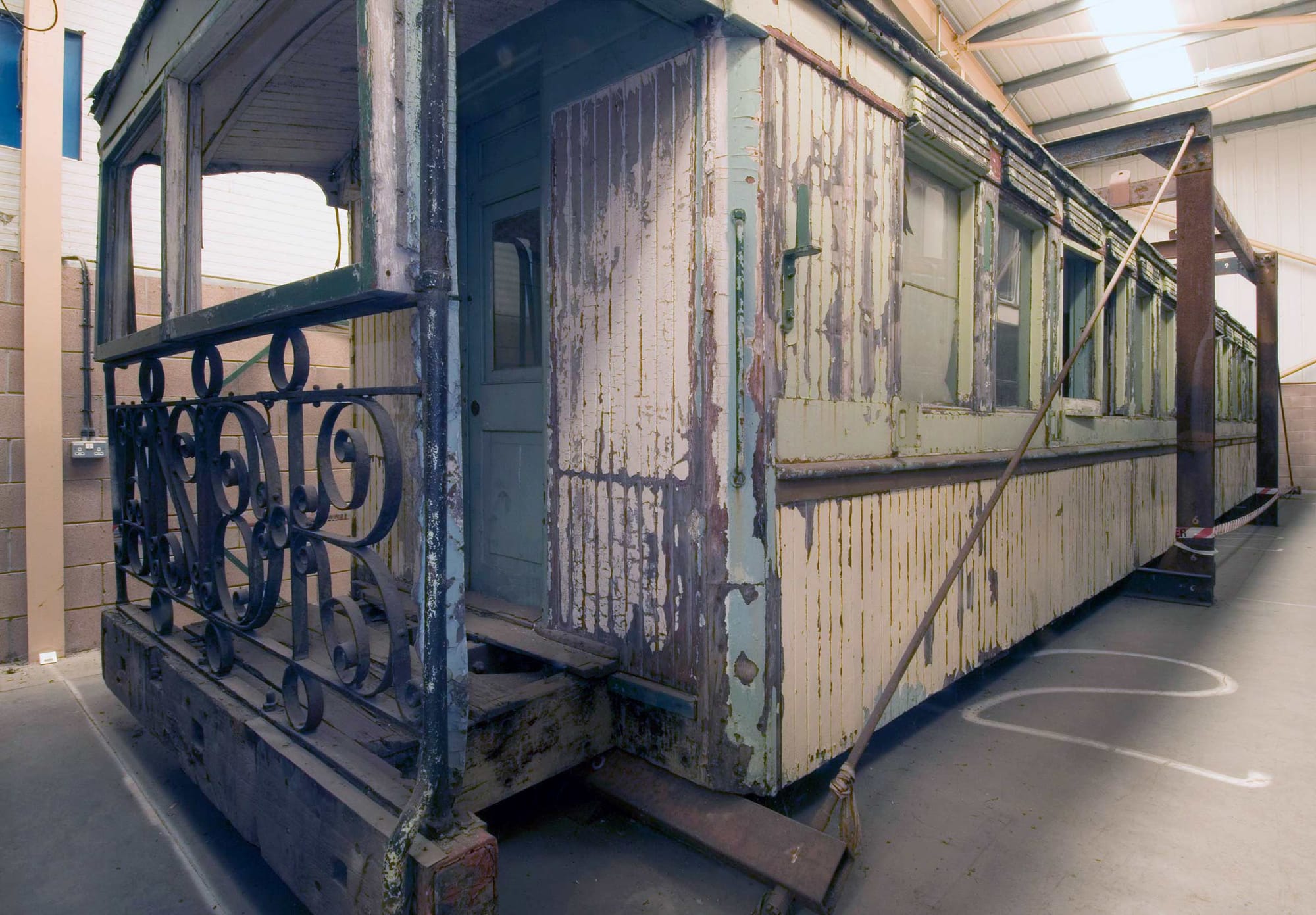
Remarkably, one Renshaw sleeping car still exists. In 1908 it was sold to the Alexandra (Newport) Dock and Railway Company in South Wales, converted into a passenger coach, and passed to the Great Western Railway in 1922. Taken out of service in 1926, its body spent years as a holiday chalet at Totnes before being rescued. Today it is in the care of National Museum Wales, in storage at Nantgarw awaiting restoration and not currently on public display.
So the next time someone tells you Stoke only made pots, you can point out that we also built the trains for the Greatest Show on Earth, and that their winter home sat right next door to where Twyfords made the toilets.

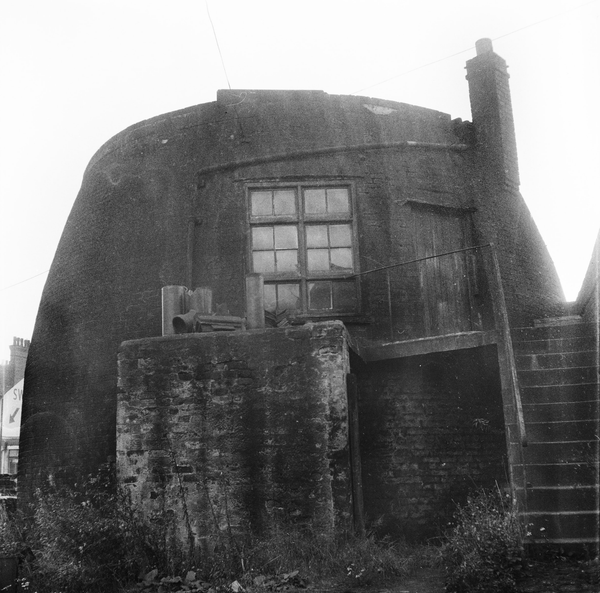
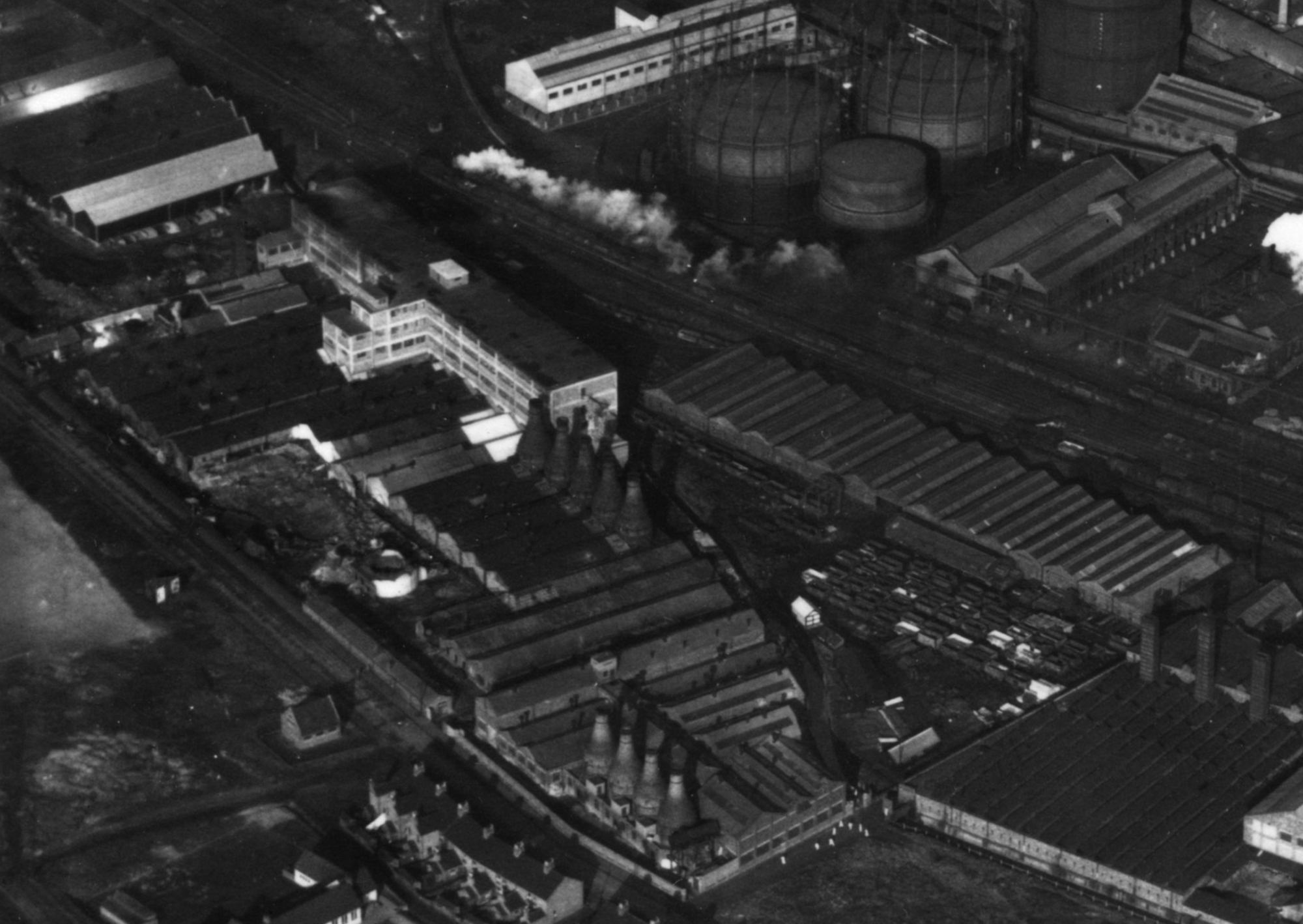
Twyford's Etruria Works, Garner Street, Stoke-on-TrentThis is Twyford's Etruria Works on Garner Street, built in 1912, extended and modernised in the 1950s. The factory was built as an addition to Twyford's Cliffe Vale works, less than 1 mile away. It occupied ...View Full Resource on Staffordshire Past Track
Twyfords moves in: the Etruria Works
The Garner Street works were built in 1912 on land bought by Thomas William Twyford, the man who turned his family's pottery business into an international name in bathroom manufacturing. He built it right next door to the Phoenix Works, just across the Fowlea Brook from where the circus trains had been built and stored.
The factory was built as an addition to Twyfords' main Cliffe Vale works, less than a mile away. Where Cliffe Vale became famous as the home of some of the earliest one-piece ceramic toilets, Etruria gave the company the extra capacity it needed as demand for proper sanitation grew through the twentieth century.
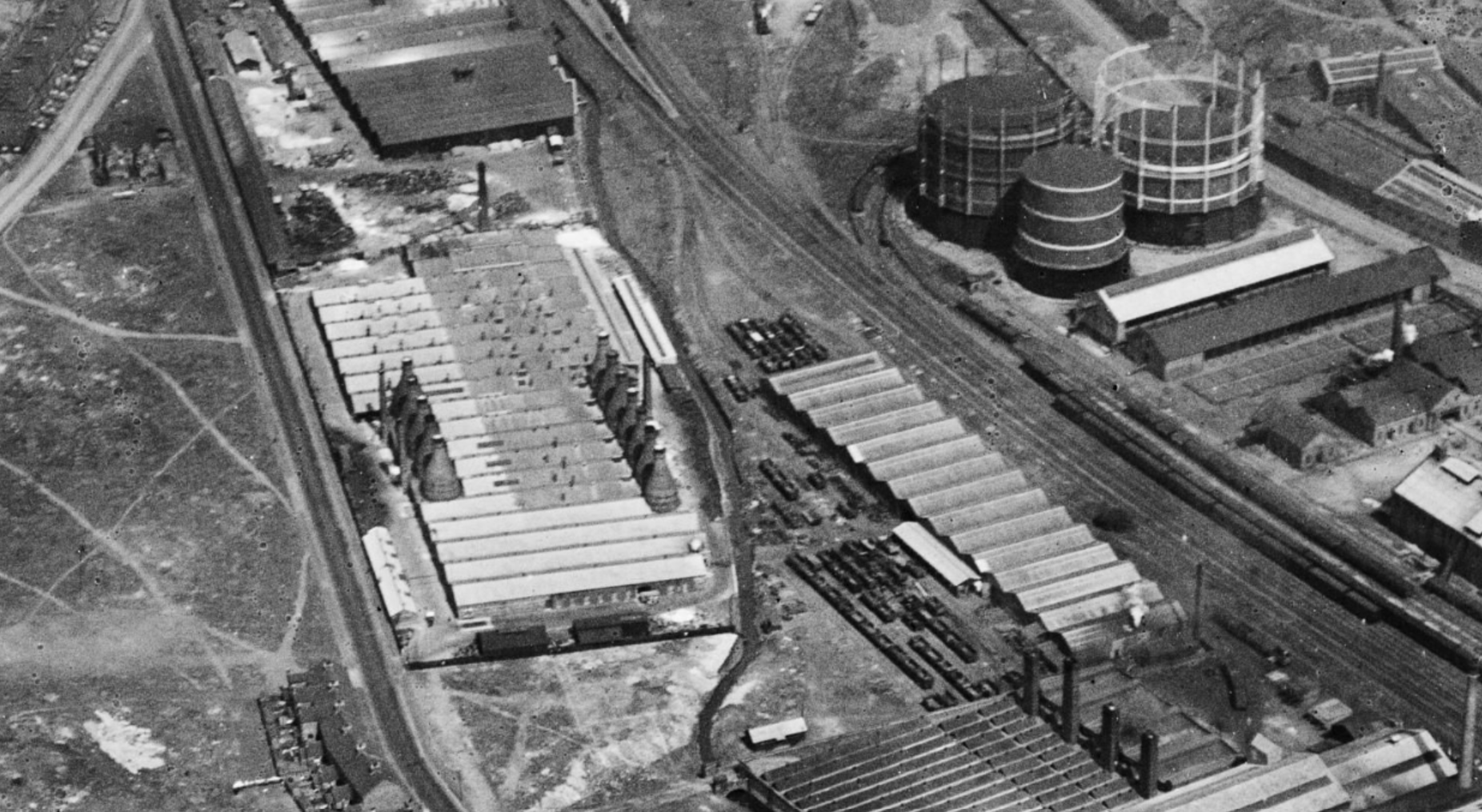
By 1939 the Etruria Works had 16 bottle ovens in operation, firing both biscuit and glost ware. Like so many Potteries factories, it was radically modernised in the 1950s, when the bottle ovens were swept away in favour of more efficient kilns and the factory was extended. The view across Garner Street, with the holders of the Etruria Gas Works behind, became a familiar part of the Etruria landscape.
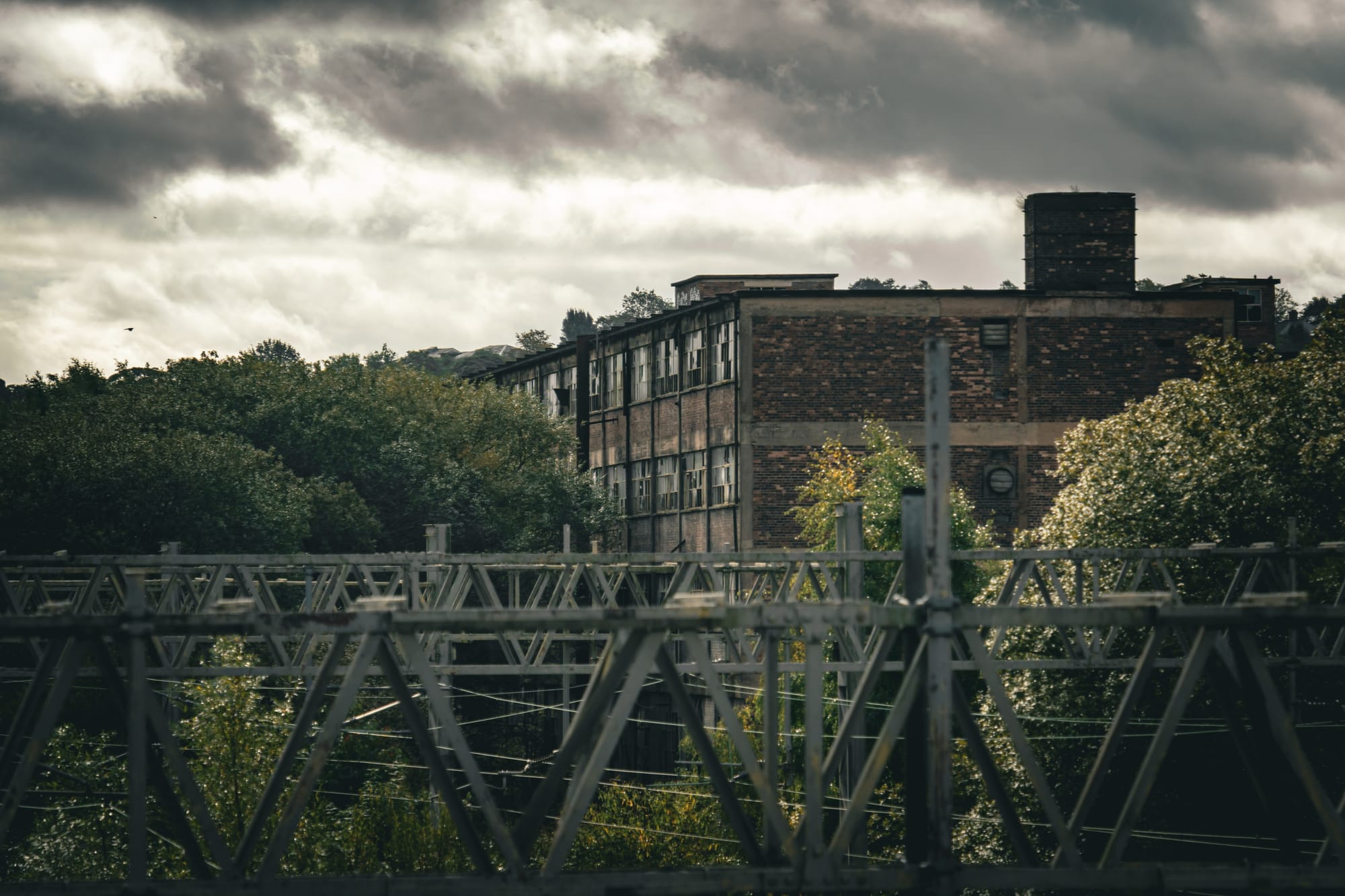
Closure, decline and the 2012 fire
Production at Garner Street finished in 1990, when Twyfords moved all of its manufacturing and warehousing to its factory in Alsager. Parts of the buildings stayed in use by other businesses until 2004, but after that the site was left empty.
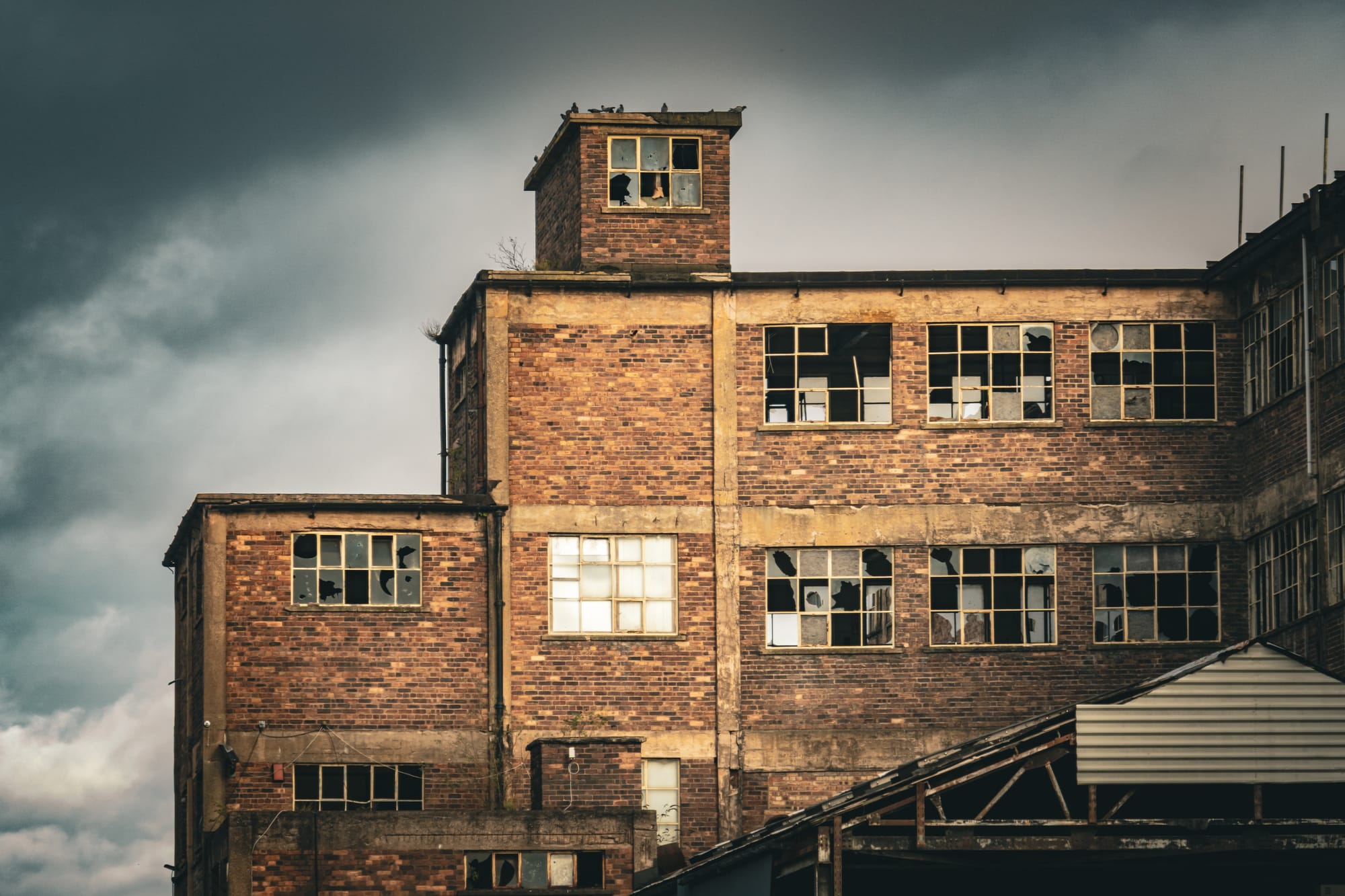
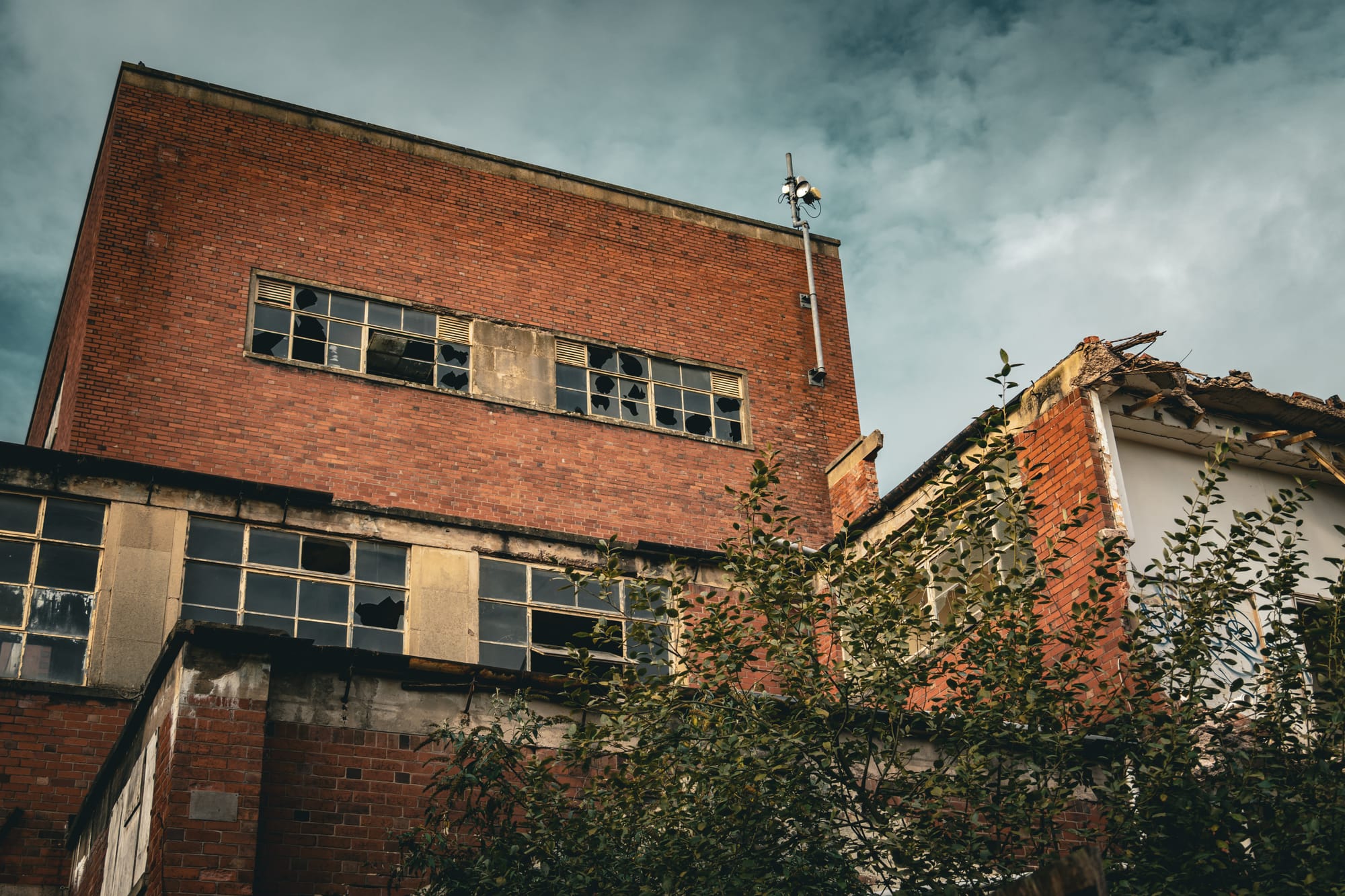
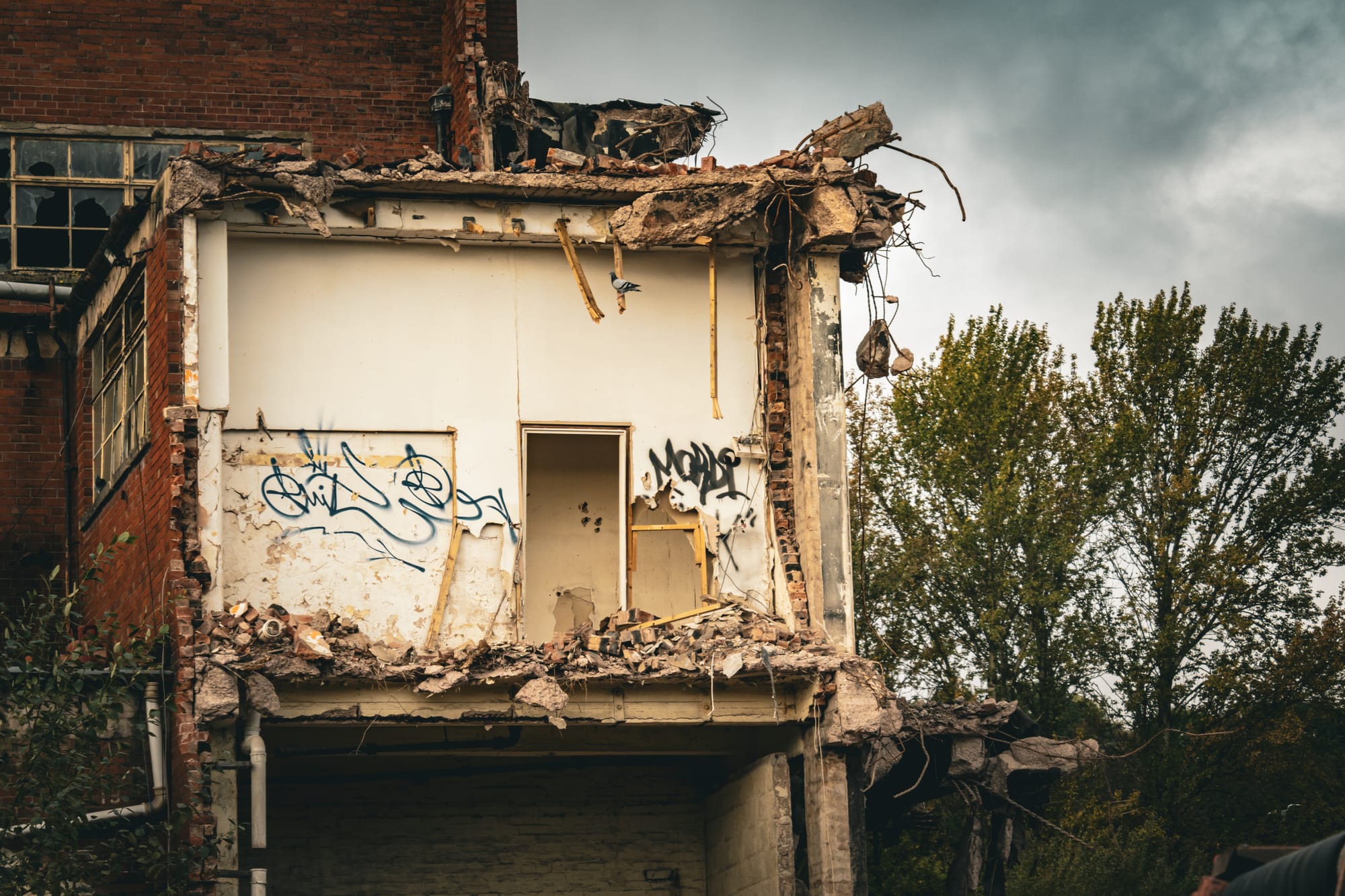
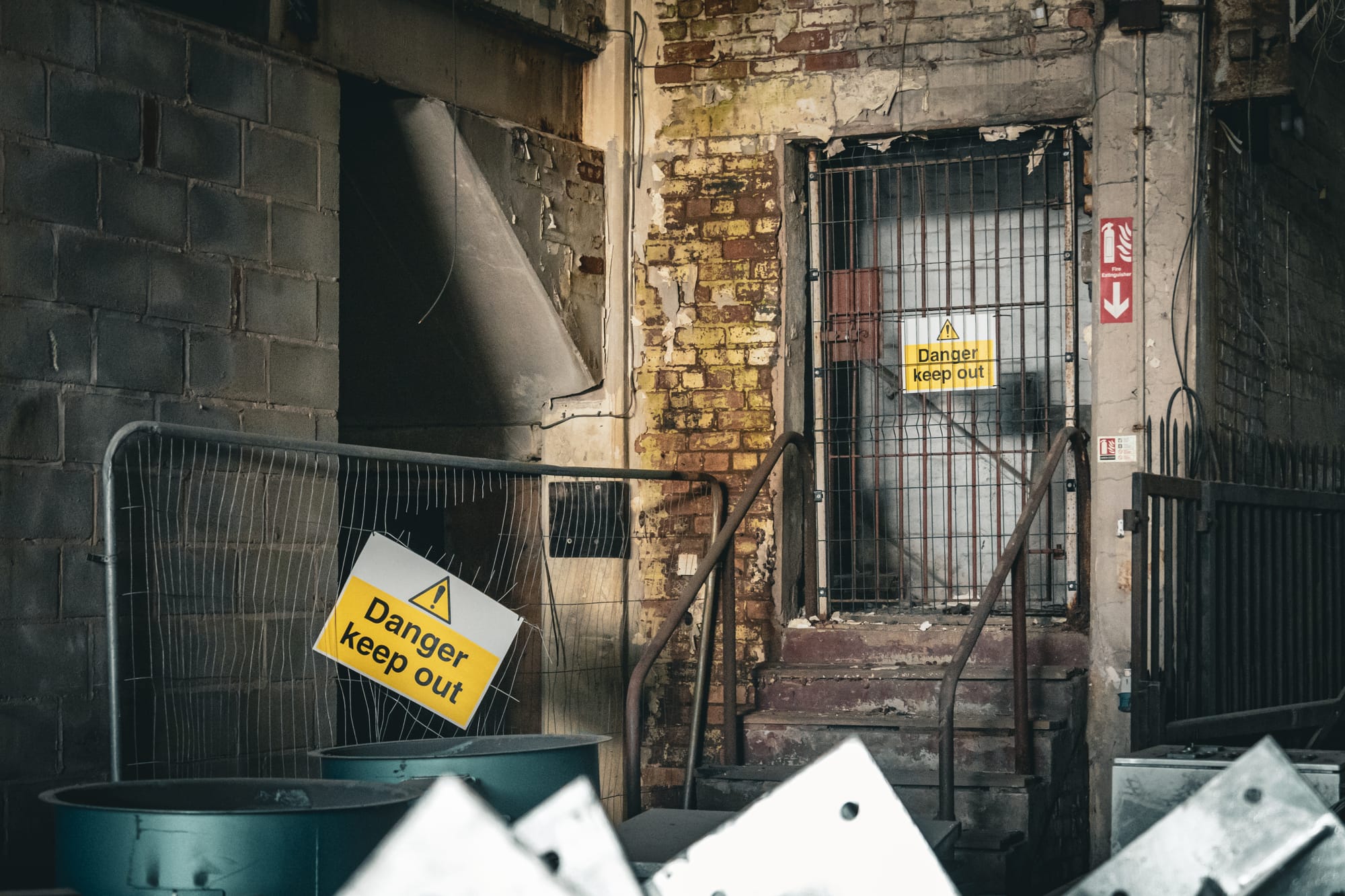
On 28 December 2012 a devastating fire tore through the vacant factory. The buildings never recovered. Over the following years the site became a magnet for fly-tipping, urban explorers and graffiti artists, and a growing safety concern for the city. Planning permission to demolish the remaining factory buildings was eventually granted, and the demolition crews moved in during 2026.
As The Staffordshire Signal put it when the plans were approved, it is hard not to feel that we are about to lose another piece of Stoke's story. A site that was nothing short of crucial in the history of sanitation has gone, and with it one of the last big physical reminders of Twyfords in Etruria.
The "1 Love" graffiti
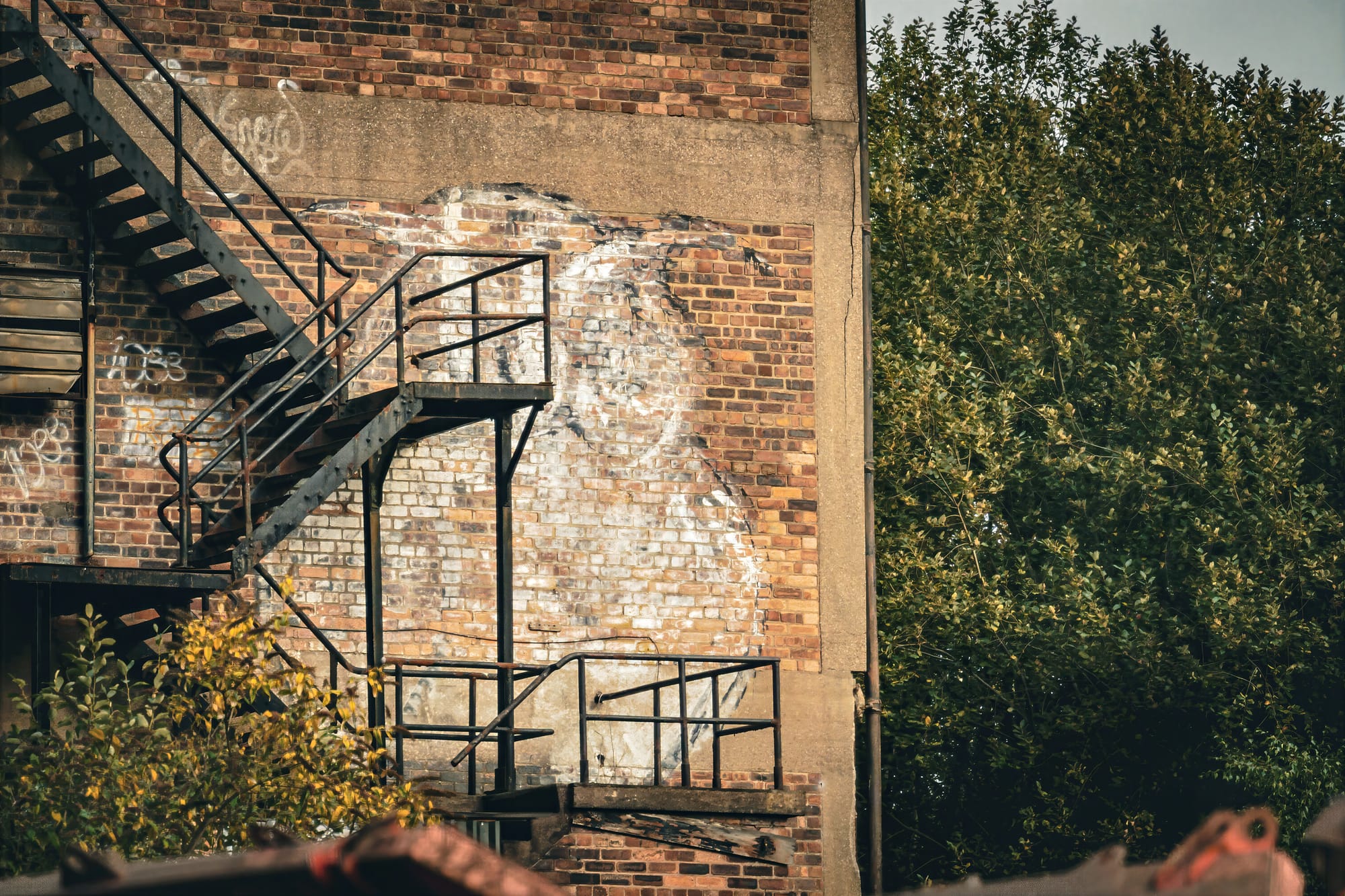
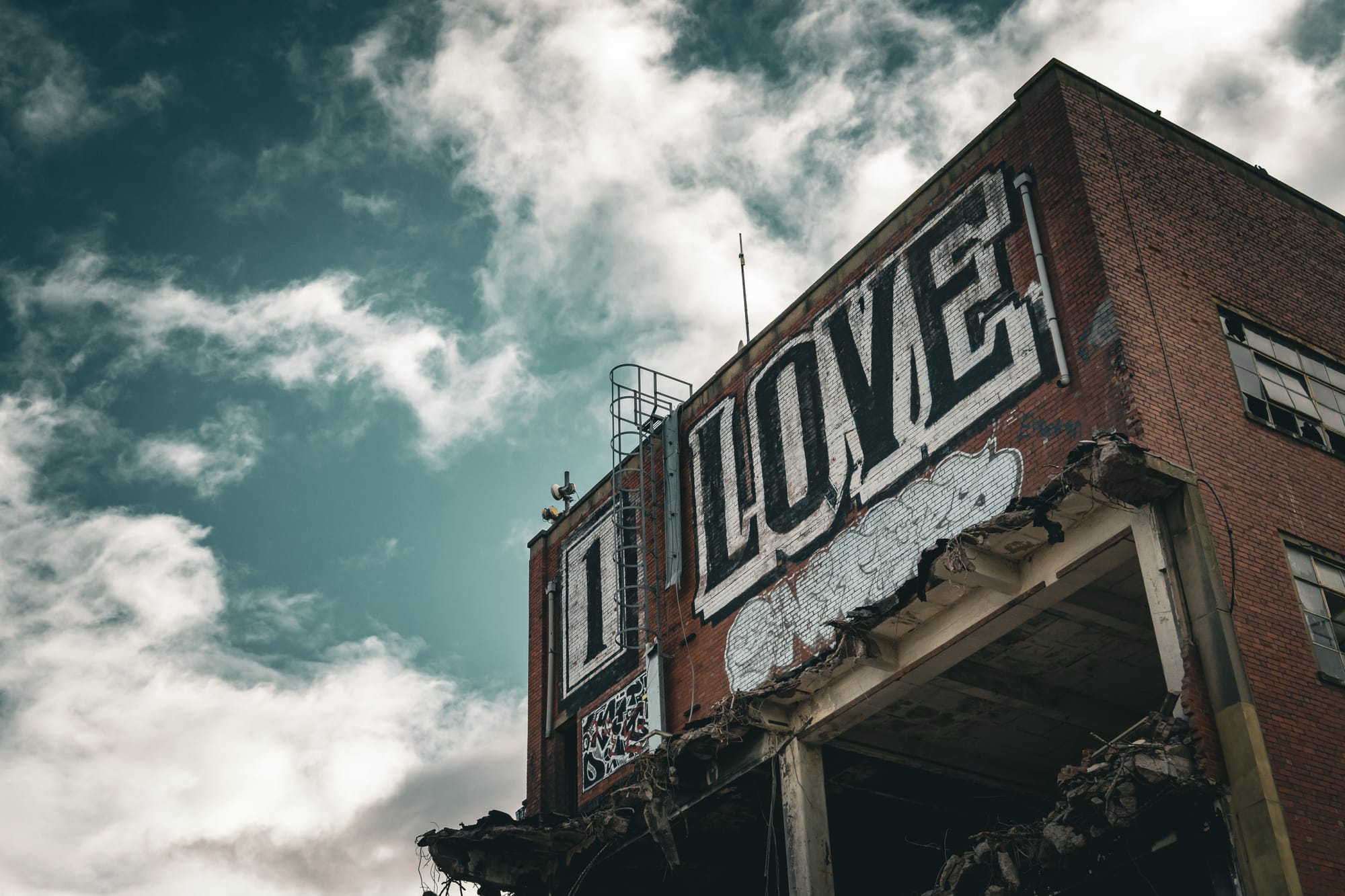
For many people who never set foot inside the factory, the Twyfords site is best remembered for one thing: the huge "1 Love" graffiti painted high on the brickwork, in giant black and white letters. It was a favourite of urban explorers and drone photographers, and over the years it became something of an unofficial landmark in its own right.
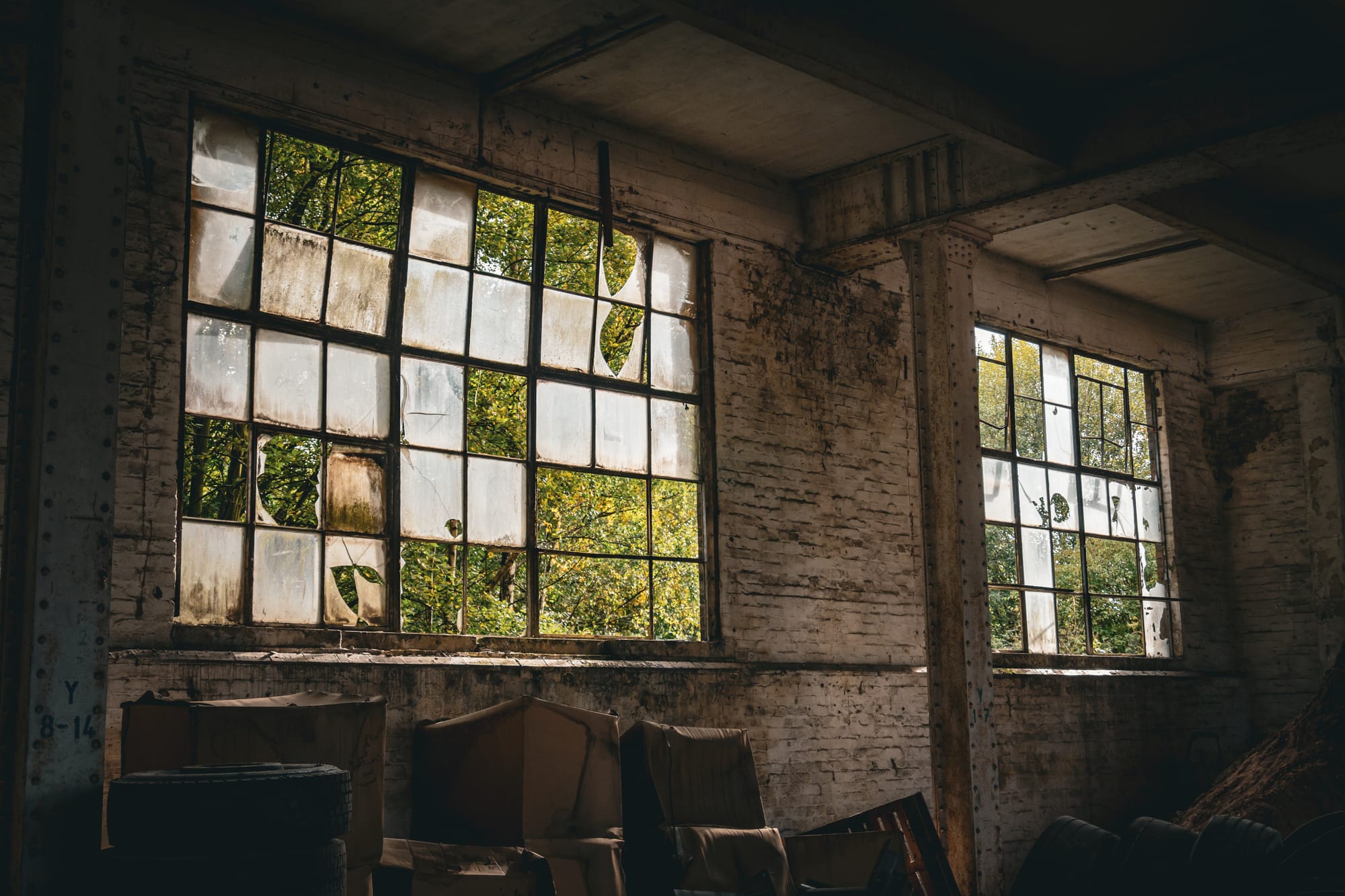
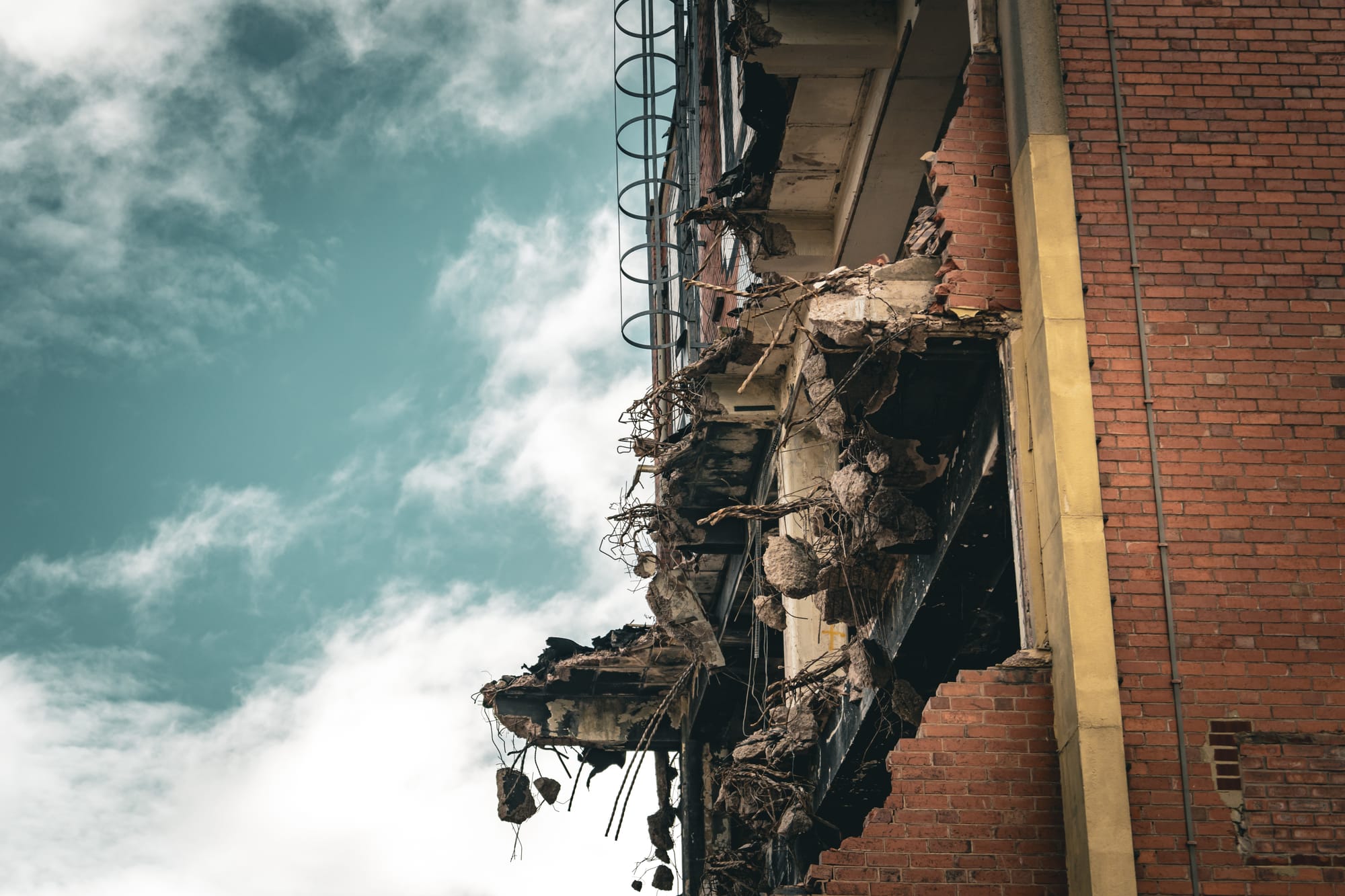
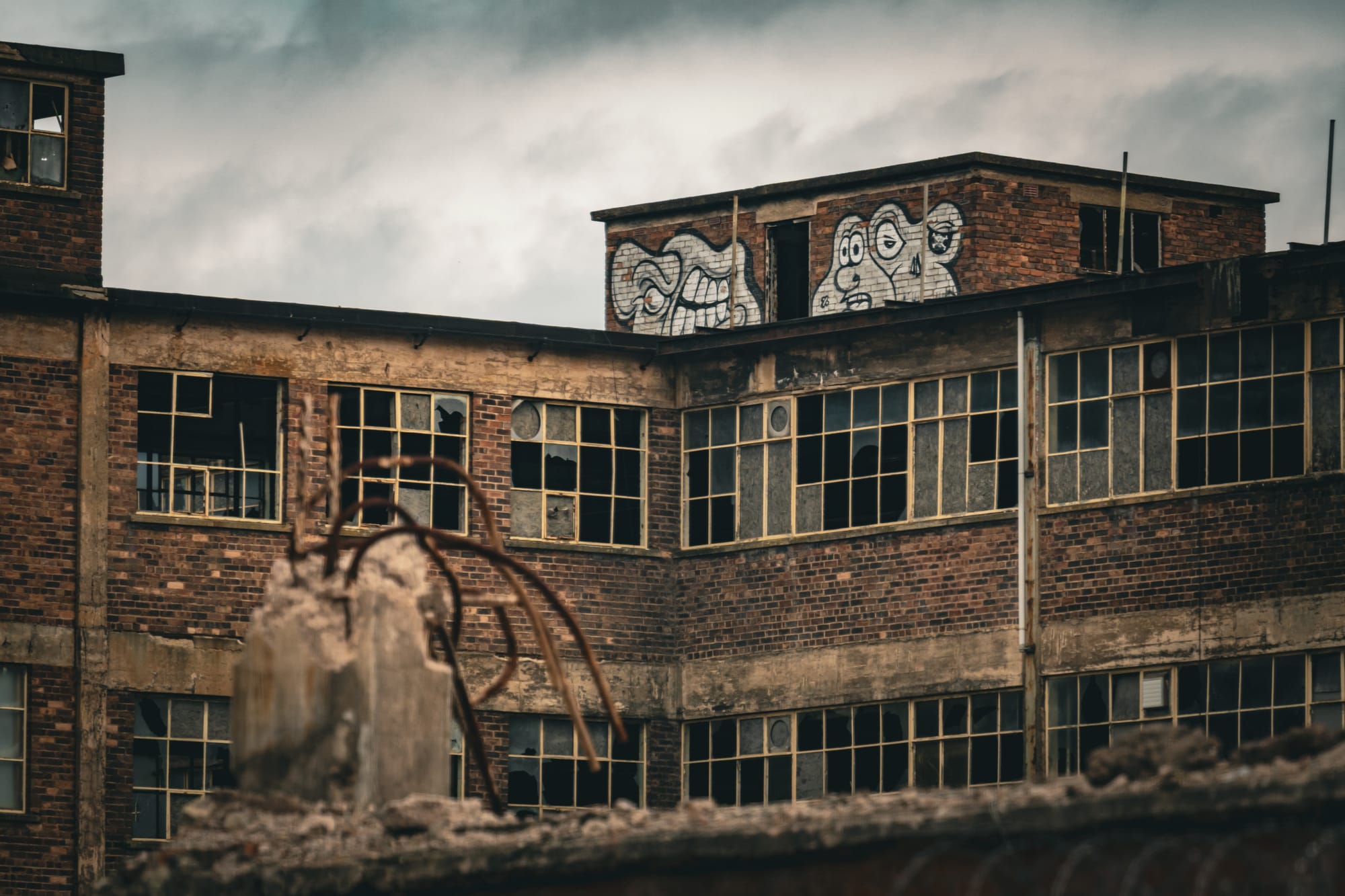
I photographed it framed between concrete beams while the demolition worked through the building beneath it. Broken windows, smashed brick and twisted rubble sit just below the letters, and the pigeons were still perched along the parapet. It will not be there much longer, if it is not gone already.
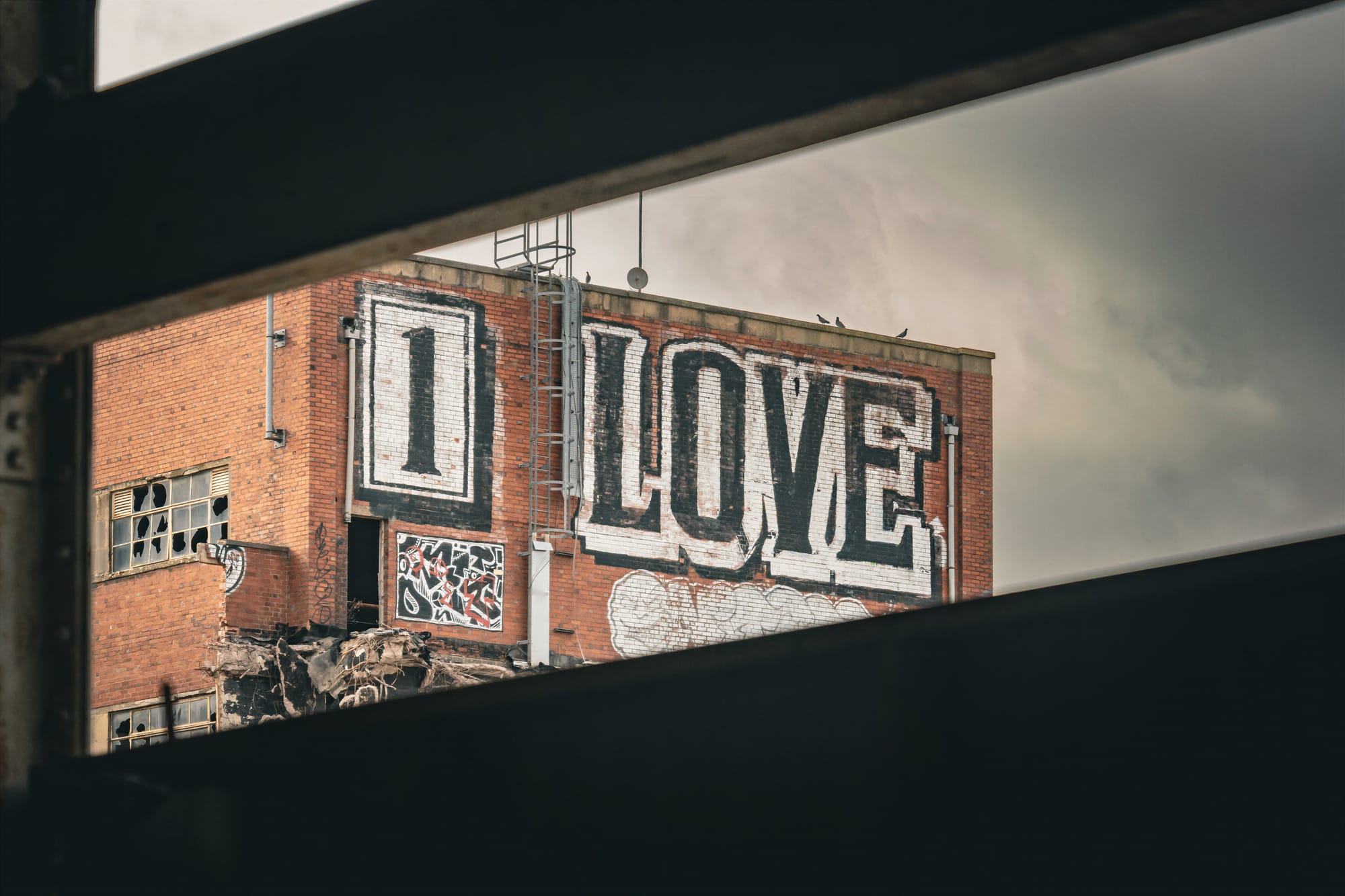
This photograph is available as an archival print and to license for editorial or commercial use. Buy the print or license the photo, or read about image licensing.
Recording the demolition
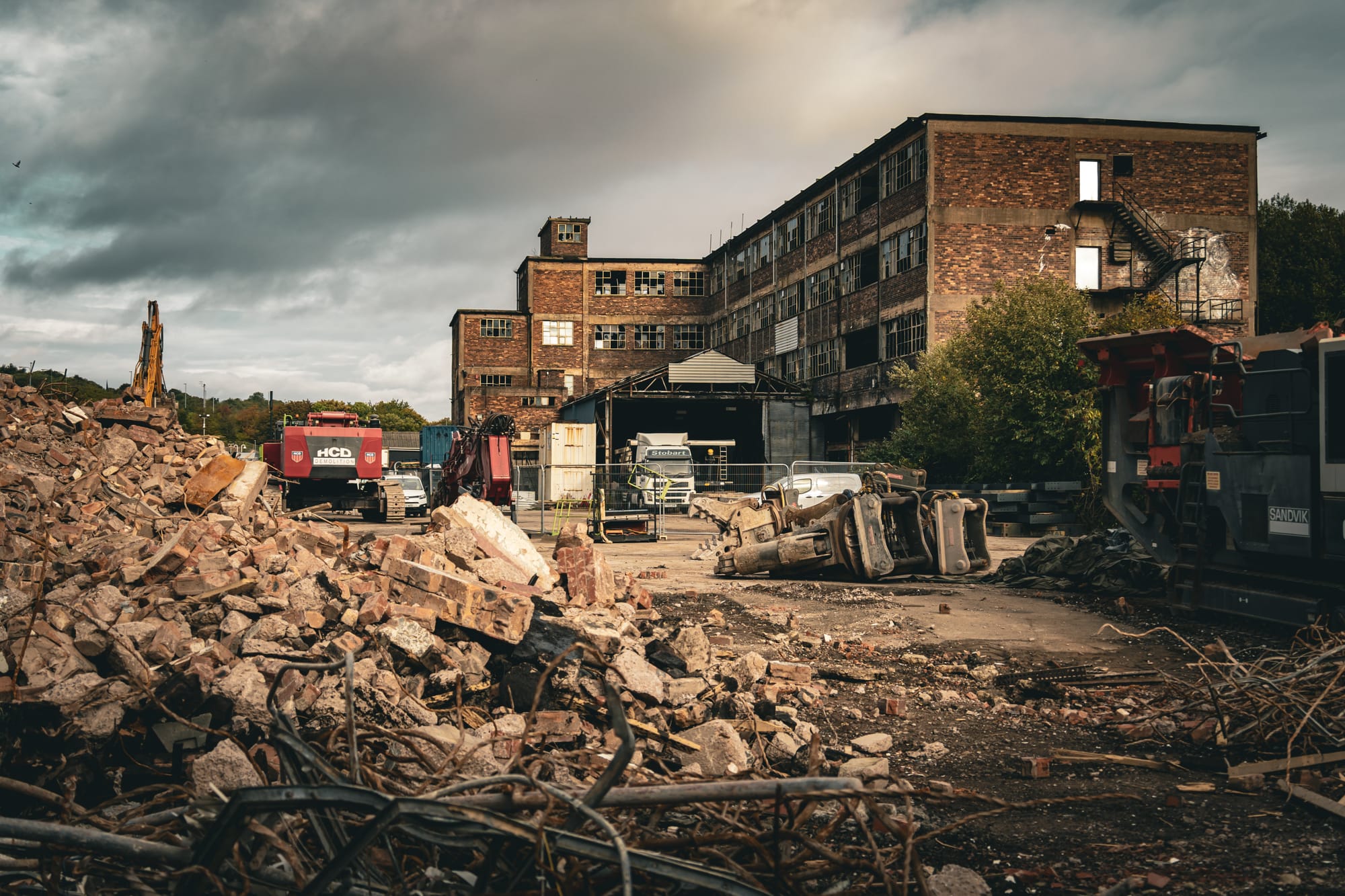
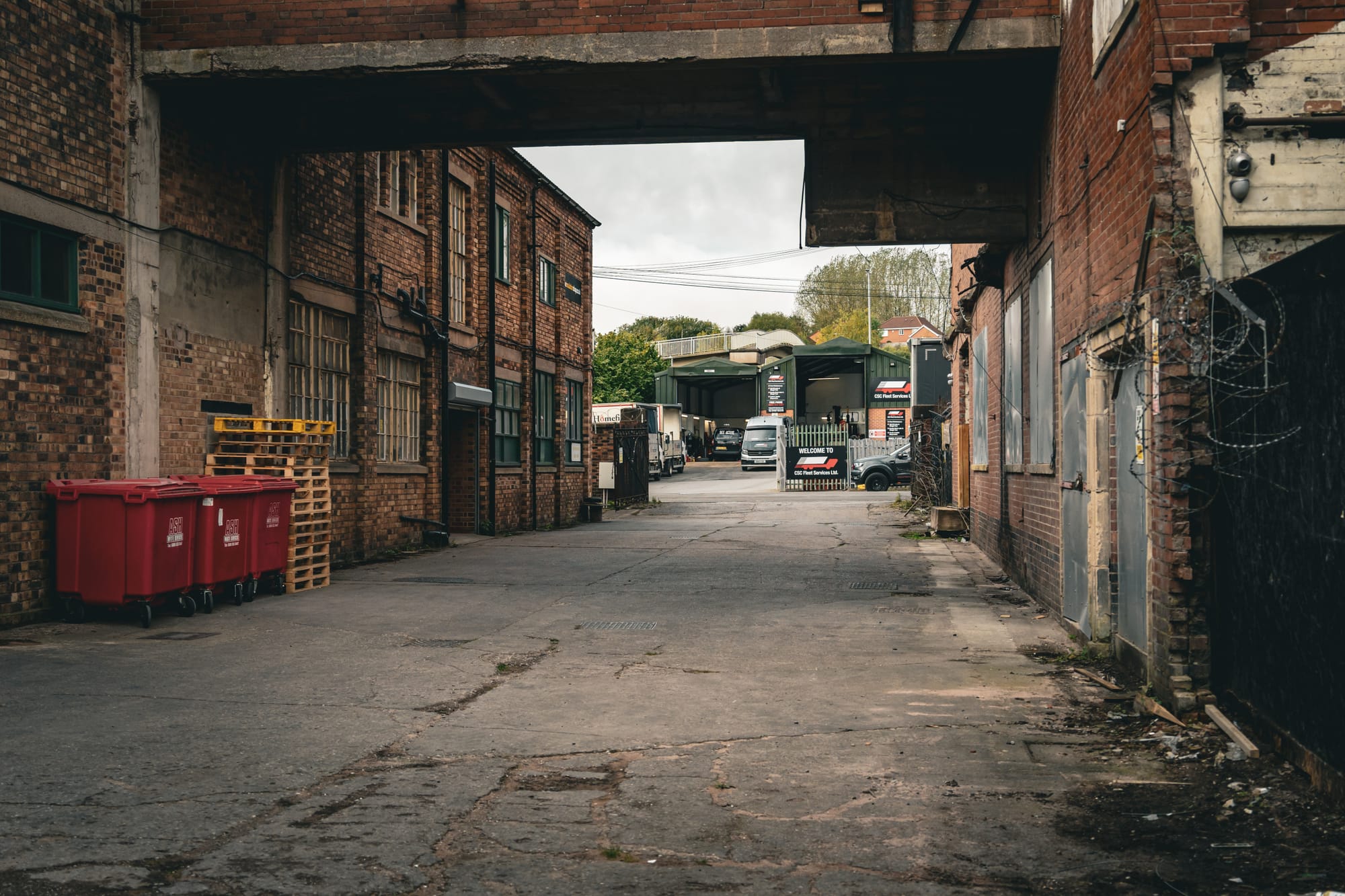
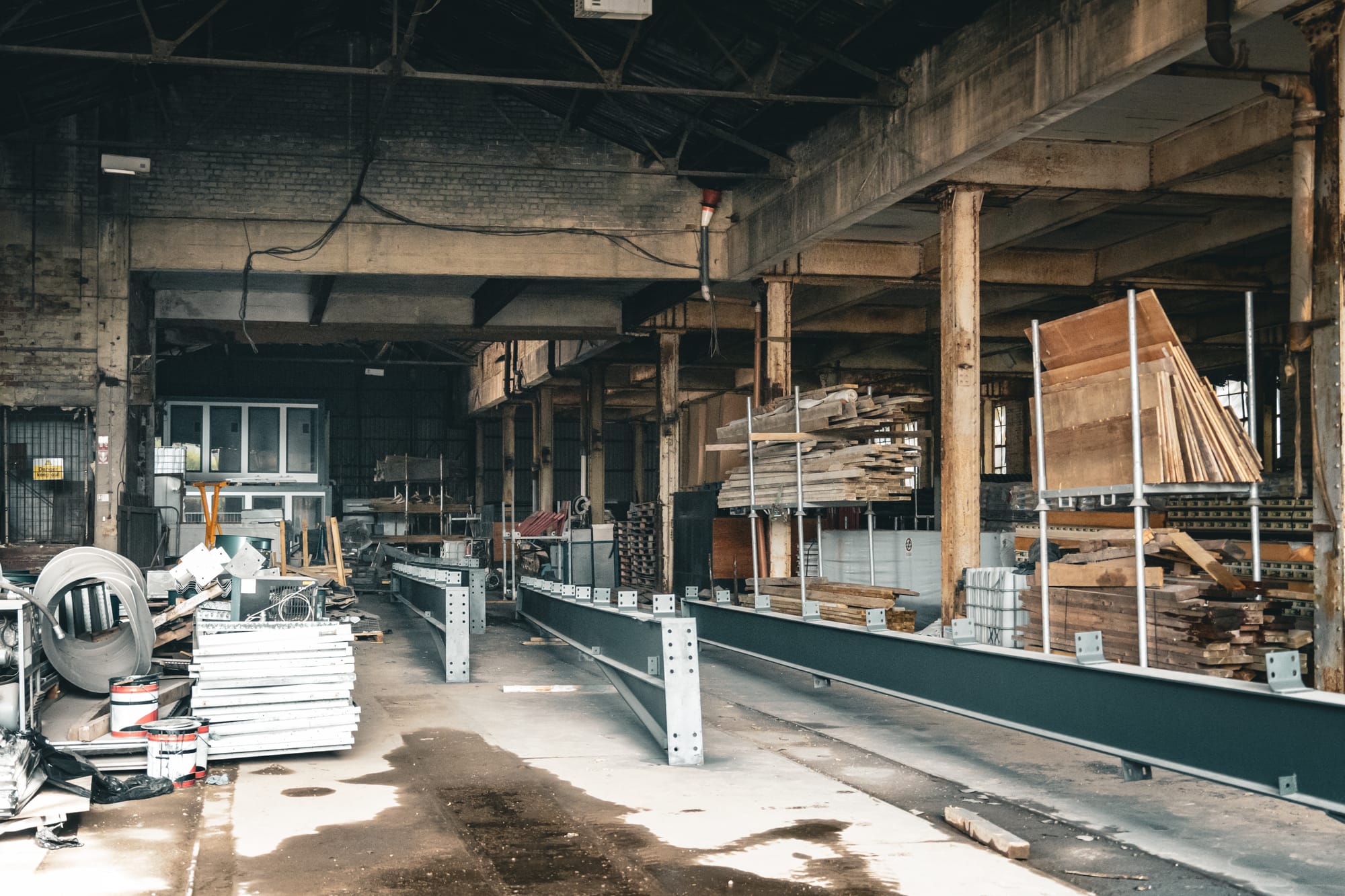
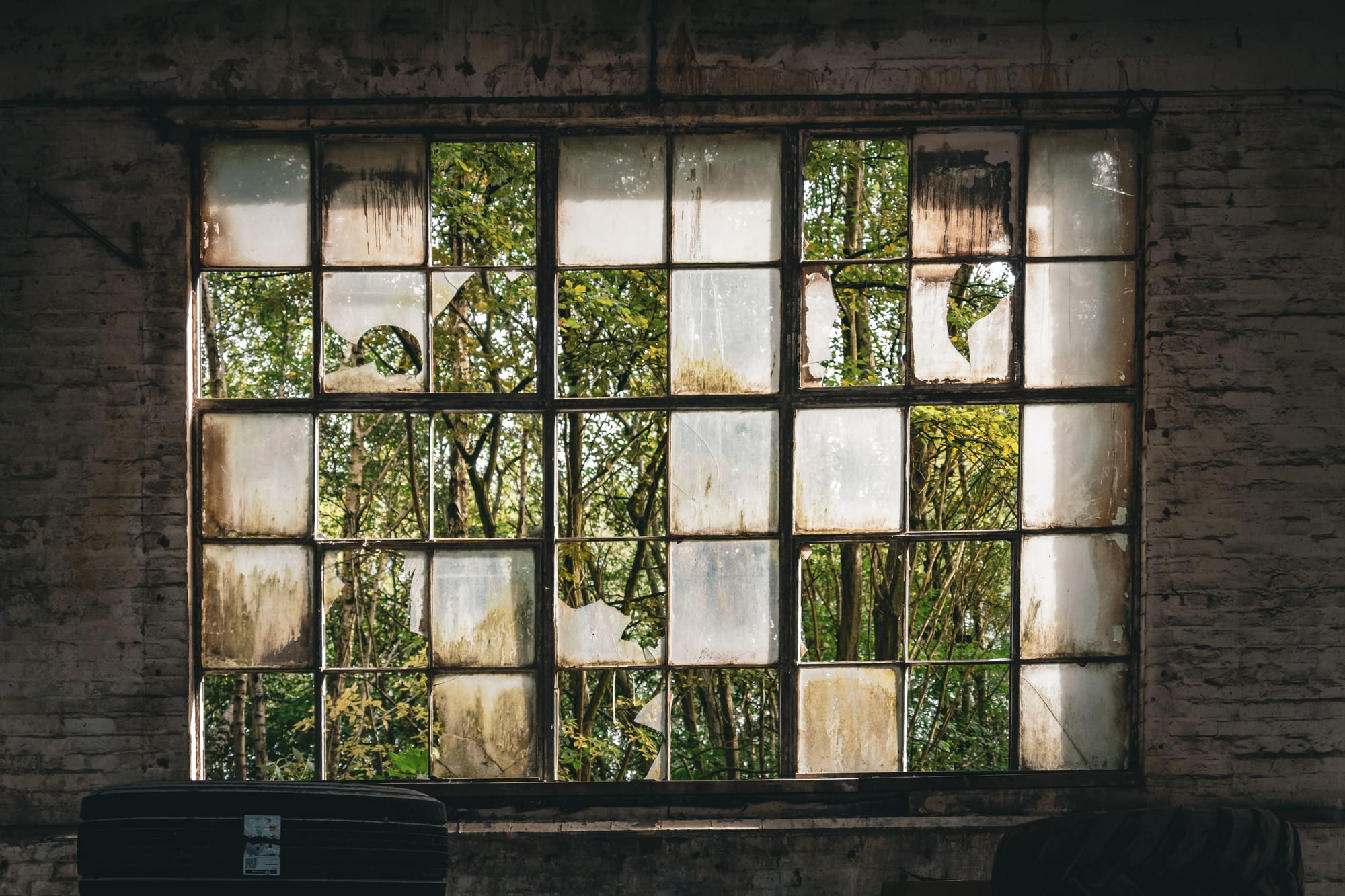
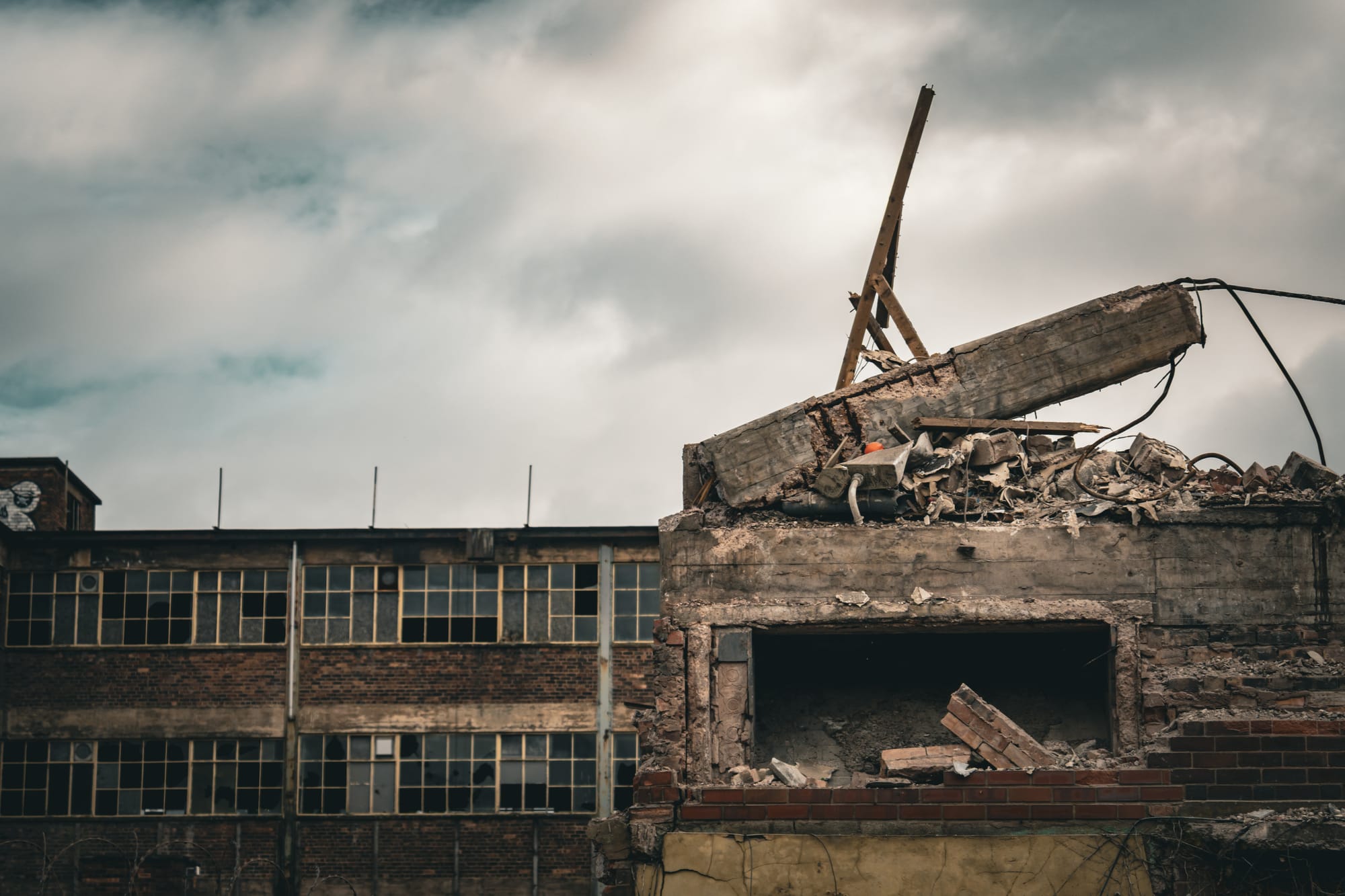
Demolition is never pretty, but it is history happening in front of you. Once a building like this is gone, it is gone, and the photographs become the record.
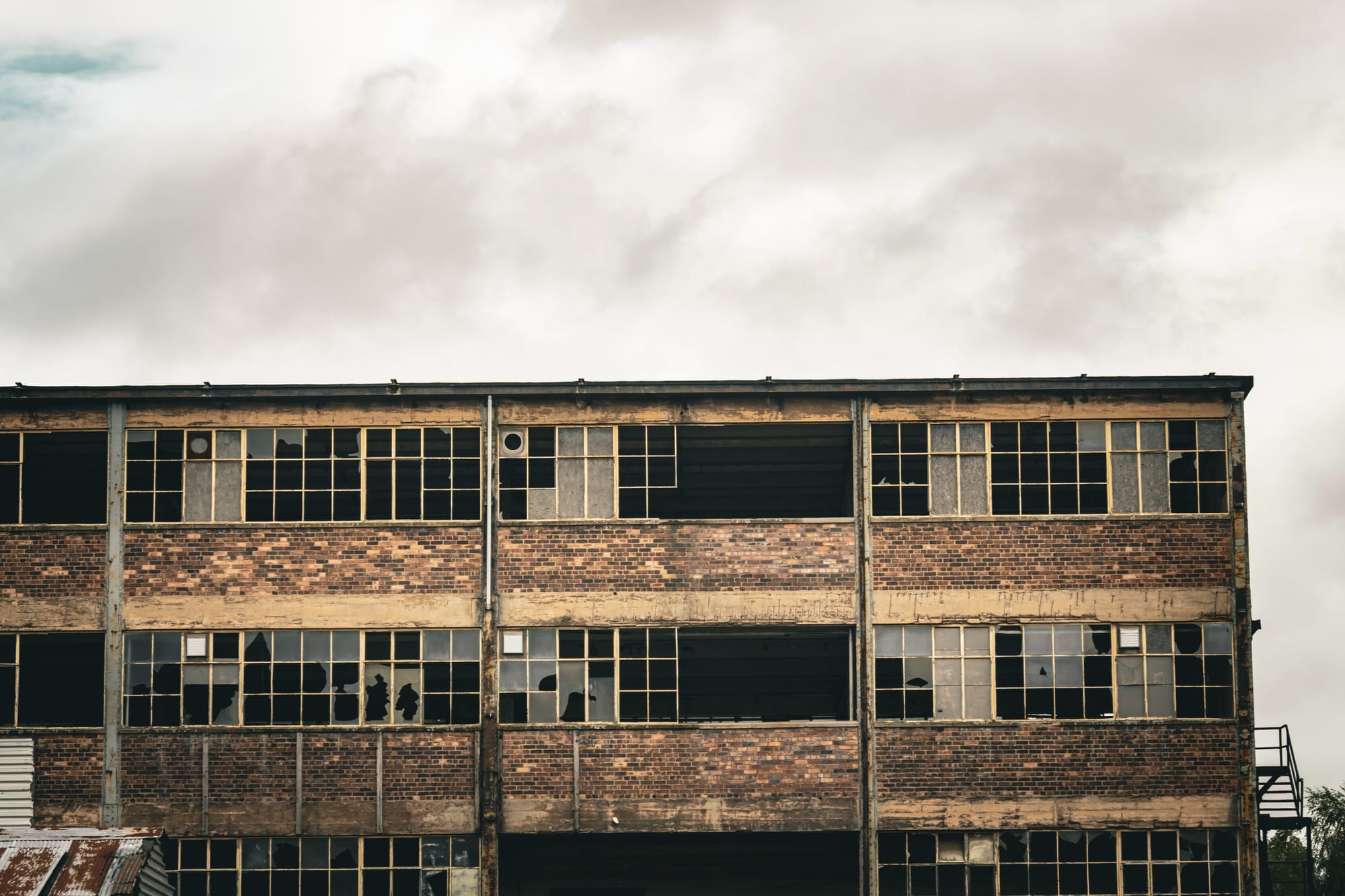
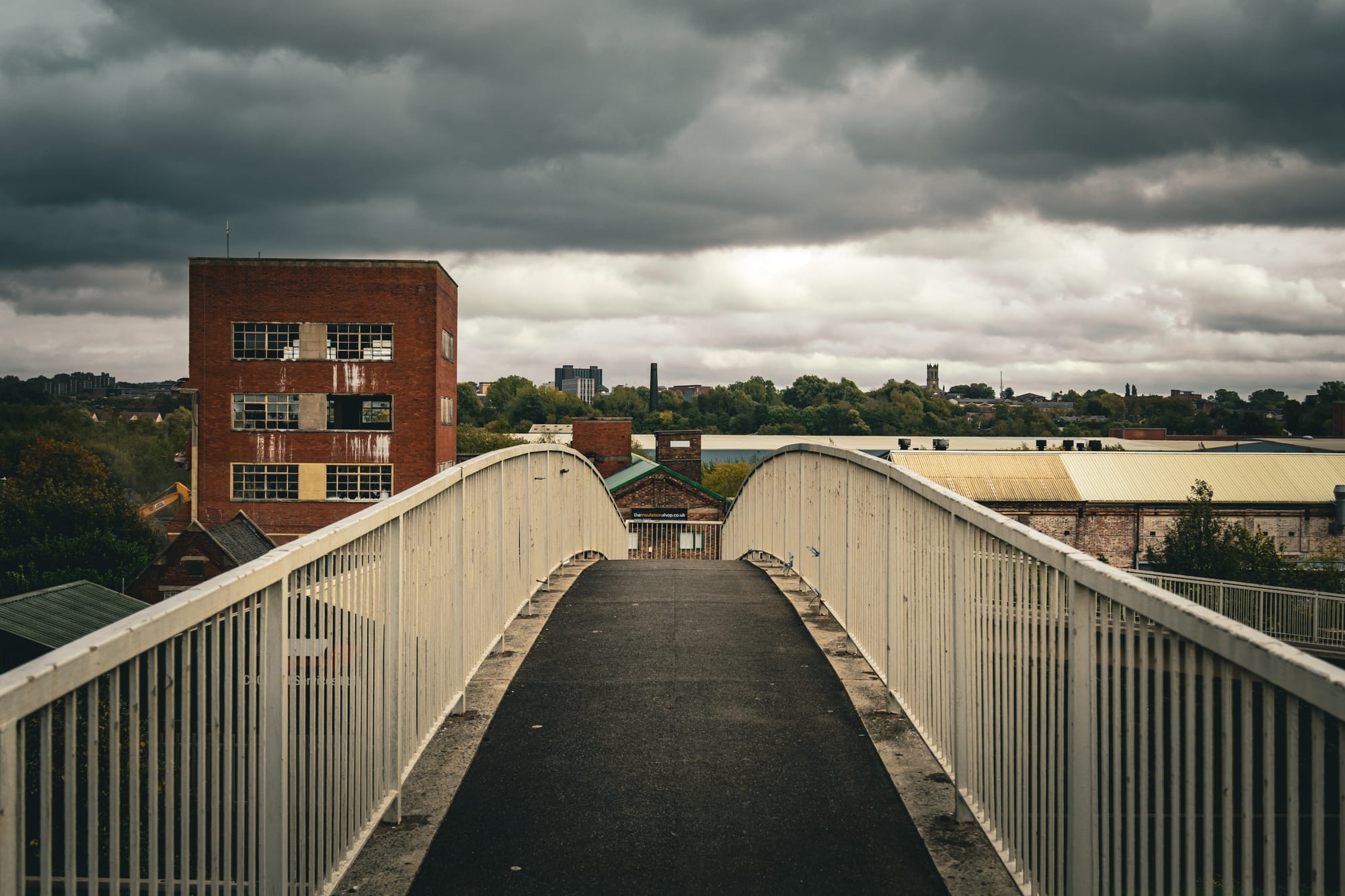
The gallery below shows the demolition as I saw it.
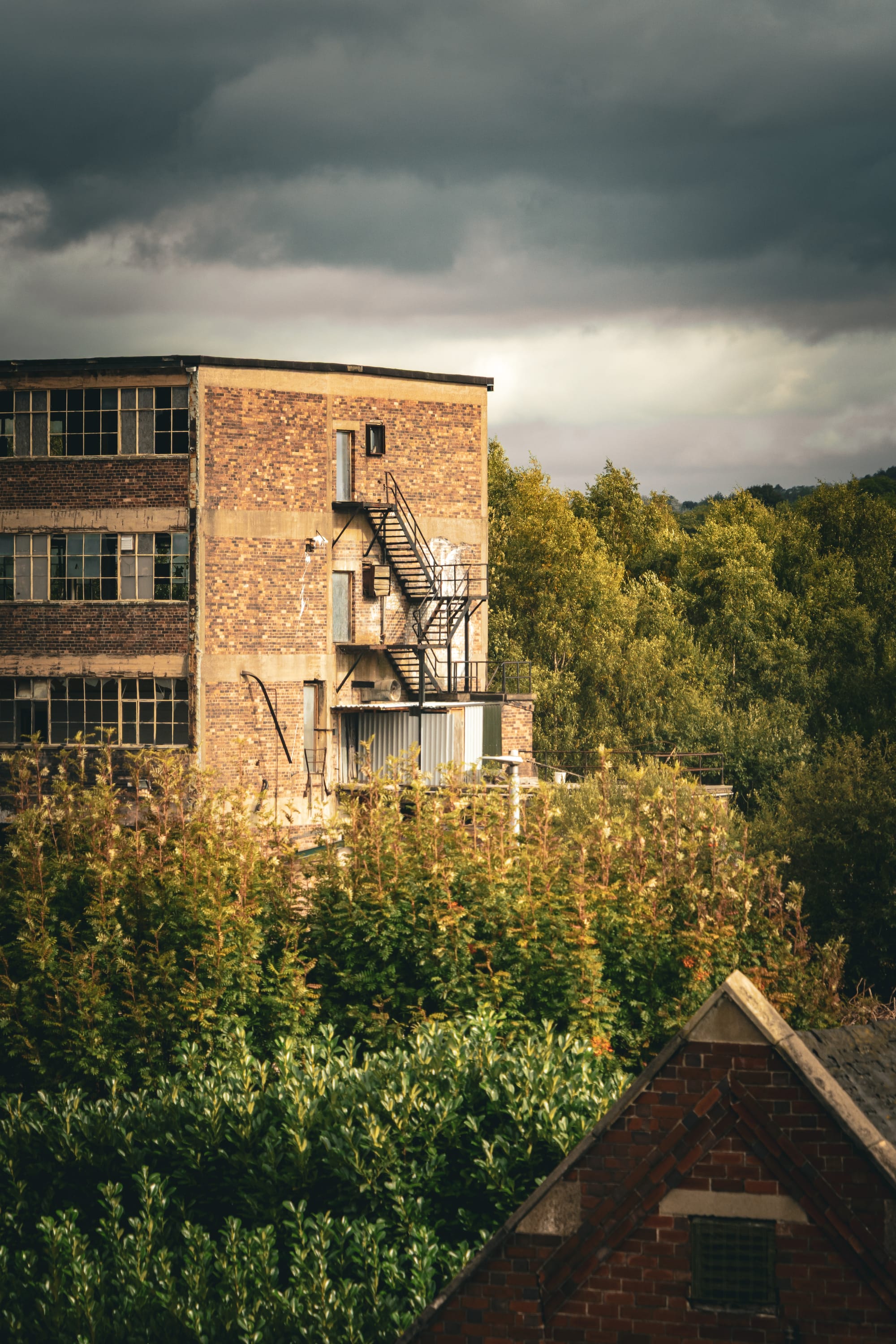
Do you remember Twyfords in Etruria?
Did you, or someone in your family, work at the Garner Street works? Do you remember the bottle ovens, the factory in its working days, or the night of the fire in 2012? I would love to hear your memories and see any old photographs, so please share them in the comments or get in touch. Stories like these are exactly what keeps our local history alive.
Modern photos: Jenna Goodwin / The Red Haired Stokie. Historic images as credited.
Sources: the Barnum & Bailey European train roster at themetrains.com; National Museum Wales collections; Twyford Bathrooms History; Ordnance Survey maps via the National Library of Scotland.