Why do we call it the Bear Pit? The truth behind Newcastle's most misunderstood nickname
Someone in the comments always says it isn't really called the Bear Pit. They're wrong, but only just, and the actual story is far more interesting than either side of that argument.


If you've lived in Newcastle-under-Lyme for more than five minutes, you'll probably know the Grosvenor Roundabout by its unofficial name, the Bear Pit. Mention it in a Facebook group, though, and someone will inevitably pipe up to say it isn't called that at all, or that the name's got nothing to do with actual bears, or that you've made the whole thing up. So which is it?
The short answer: the roundabout was never a literal bear pit. But the name isn't a modern invention either, and the story behind it is a genuinely interesting bit of Newcastle history, one that ties a 1960s traffic scheme to seven centuries of the town's relationship with animal baiting.
It's not the site of the historic bear pit, and nobody's ever claimed it was
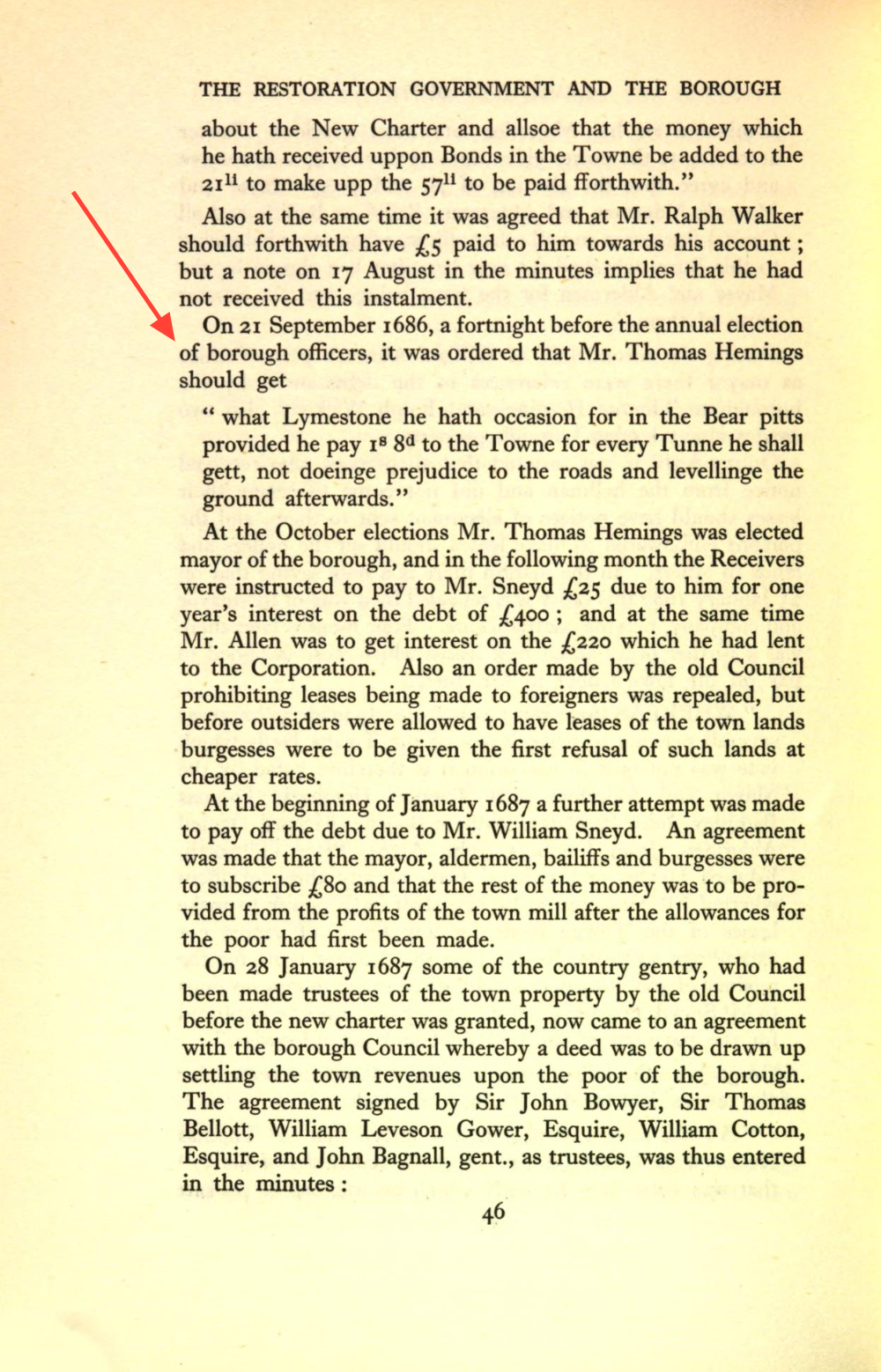
Let's deal with the geography first, because this is where most of the online arguments start. Newcastle did have a real, documented location known as "the Bear Pits". In 1686, borough records show that a local man, Thomas Hemings, was granted permission to extract limestone from a site officially recorded under that name. That's a genuinely useful piece of evidence, as it's the first record that pins bear baiting to an actual named place in the town, rather than just a general practice.
Borough records are more precise than that, in fact. On 21 September 1686, a fortnight before the annual election of officers, the council ordered that Hemings could have "what Lymestone he hath occasion for in the Bear pitts", provided he paid the town 1s 8d for every tun he extracted, kept off the roads, and levelled the ground afterwards, a seventeenth-century version of a planning condition. Weeks later, at the October elections, Hemings himself was voted in as mayor.
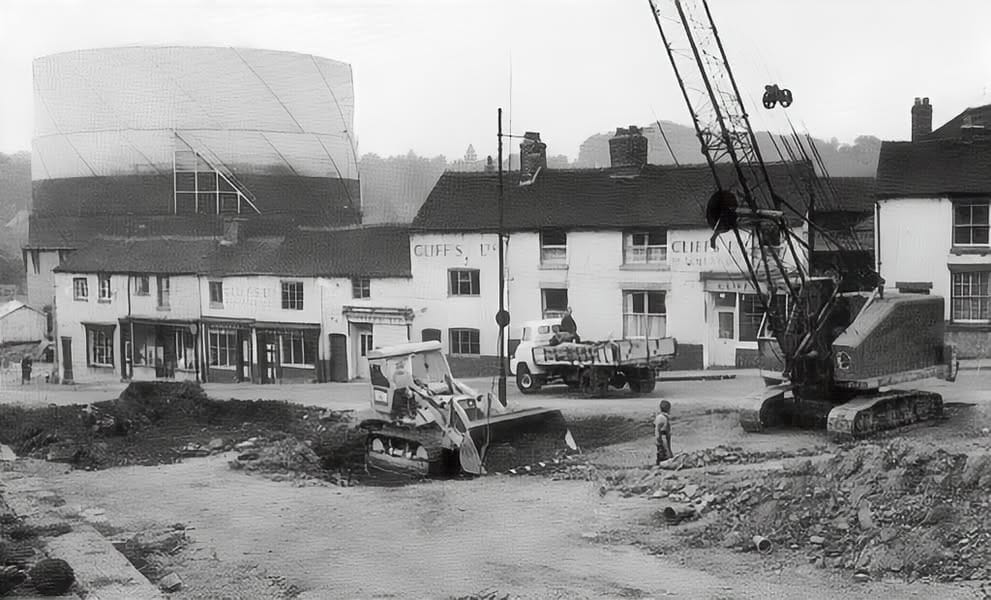
But that site has no known connection to the land the Grosvenor Roundabout now sits on. The roundabout opened in July 1965 as part of a new dual carriageway bypass, and building it meant clearing older streets around the junction of High Street, Penkhull Street and London Road, including the old Magnet Café. There's no documentary or archaeological evidence linking that patch of ground to Hemings' seventeenth-century quarry. So if your argument is "the roundabout isn't literally where the bear pit was", you're right. Nobody serious has ever said otherwise.
So where did the name actually come from?
This is the bit that gets lost in the arguments: the nickname was never about location. It was about what the place looked and felt like.
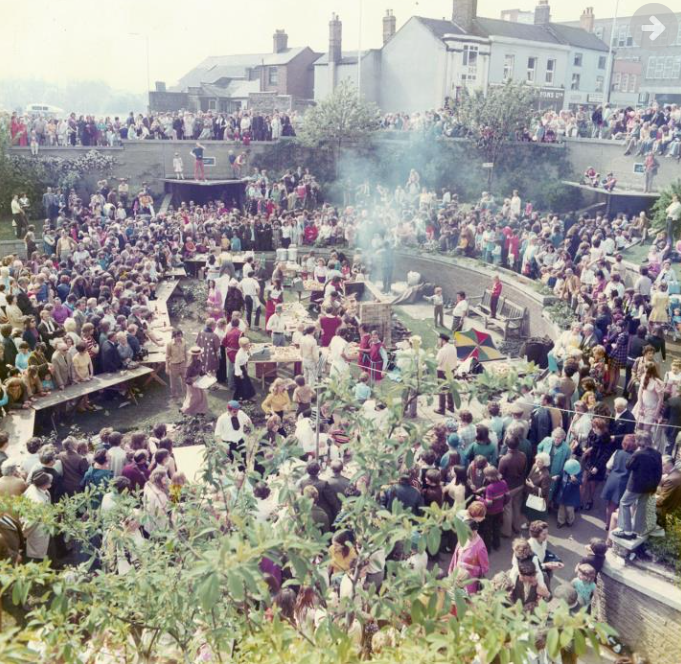
When the roundabout was designed, the Borough Engineer, J.W. Tonge, based the layout on a scheme he'd seen in Lyon, France. Rather than have pedestrians cross busy traffic at street level, he routed them down through subway tunnels into a sunken, circular concrete plaza with tall retaining walls, while the traffic circled overhead. Stand at the bottom of it and look up, and you're looking at exactly the shape of a traditional stone-walled animal baiting pit: a deep circular enclosure, spectators above, something contained at the bottom.
Newcastle didn't need that comparison explained to it. The town had centuries of history with exactly that kind of structure, and the name was sitting right there in the local memory.
Centuries of bears, whether we like it or not
Bear and bull baiting weren't a footnote in Newcastle's past, they were a regulated, taxed, and apparently quite popular part of civic life for hundreds of years, right up until they were banned nationally under the Cruelty to Animals Acts of 1835 and 1837.
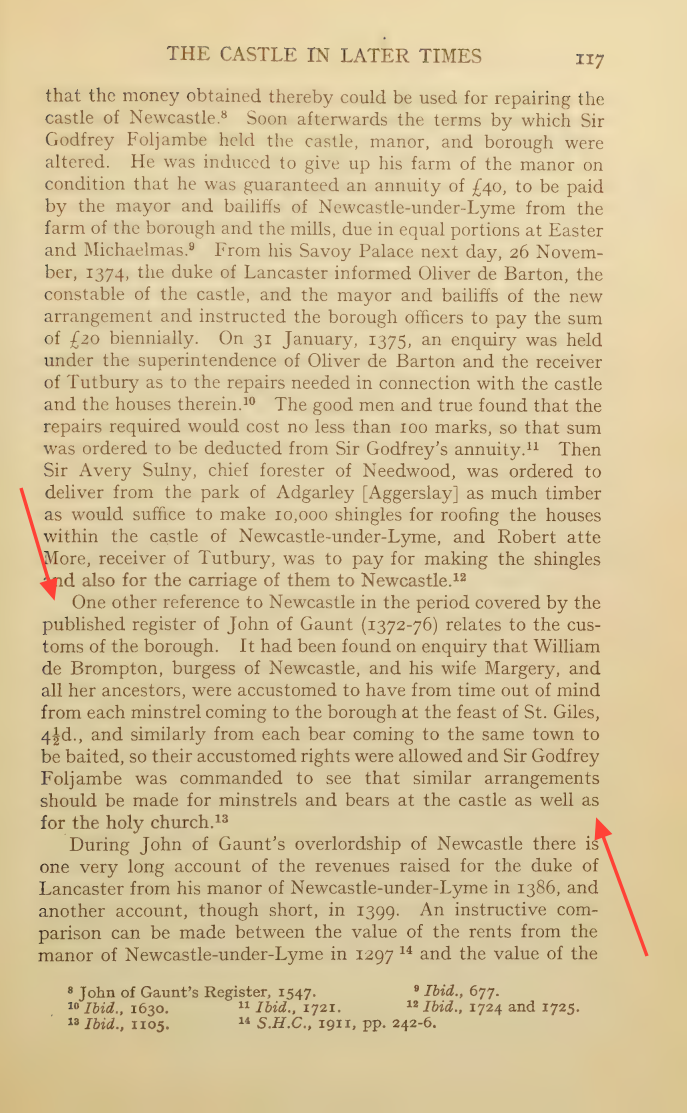
The earliest evidence goes back to 1372, when John of Gaunt, Duke of Lancaster and lord of the town's manor, wrote to his steward confirming that a Newcastle burgess, William de Brompton, and his wife Margery had an ancient, customary right, "from time out of mind", to charge a fee of 4½d on every bear brought into town to be baited during the Feast of St Giles. That's the same fee charged to travelling minstrels, which tells you baiting was treated as a normal, licensed part of the town's festival calendar, not some illicit sideshow.
Local tradition also places a bear ring near the old Butchery Pump in the Ironmarket, and a bull ring at what later became Nelson Place, although historians are sceptical of that second one. Nelson Place was marshland until it was drained in the late 1700s, so a medieval bull ring couldn't physically have stood there. It's a good example of how local legend has a habit of attaching itself to whatever prominent spot exists later, whether the history actually supports it or not, which is a useful thing to bear in mind (sorry) when arguing about any of this online.
Newcastle wasn't unusual in this. Neighbouring Burslem had bull and bear baiting as a regular Sunday morning fixture in St John's Square, and the tradition was popular enough across the Potteries that local pottery makers produced pearlware baiting figurines. Congleton, further afield, earned the nickname "Beartown" after the town council reportedly spent money set aside for a new Bible on a replacement baiting bear instead.
A phrase that never really went away
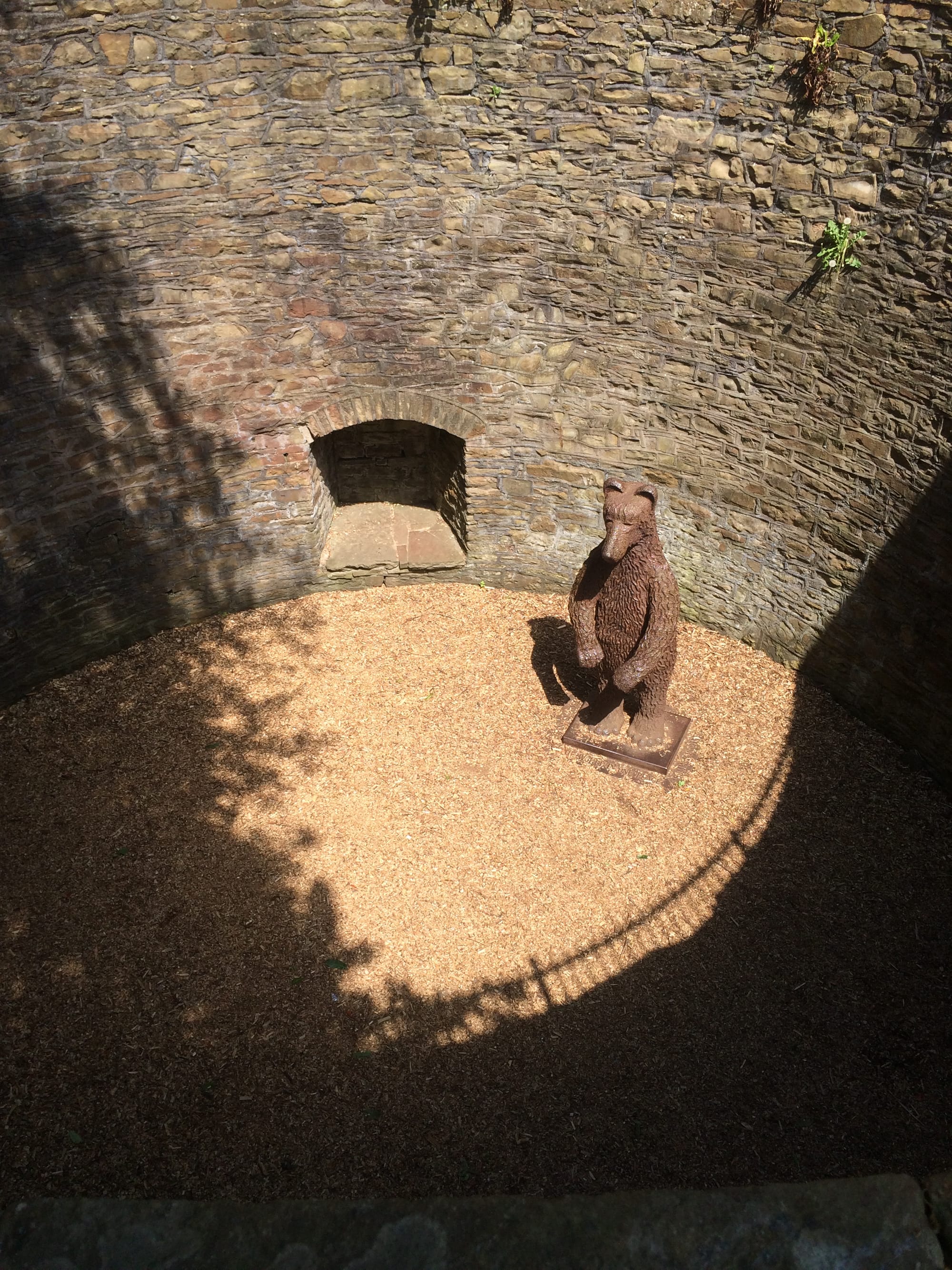
If the medieval history explains why "bear pit" was a phrase people knew, local tradition holds that a twentieth-century showman kept it fresh enough to be reached for in 1965. Around 1910, a travelling showman named Joe Ling is said to have toured the West Midlands and the Potteries with an exhibition called "The Great American Bear Pit", featuring real, chained, trained bears performing inside a circular enclosure, cashing in on the era's teddy bear craze. It's a good story, and it fits the pattern, but we haven't yet tracked down a contemporary source for it, so treat it as colour rather than confirmed fact for now.
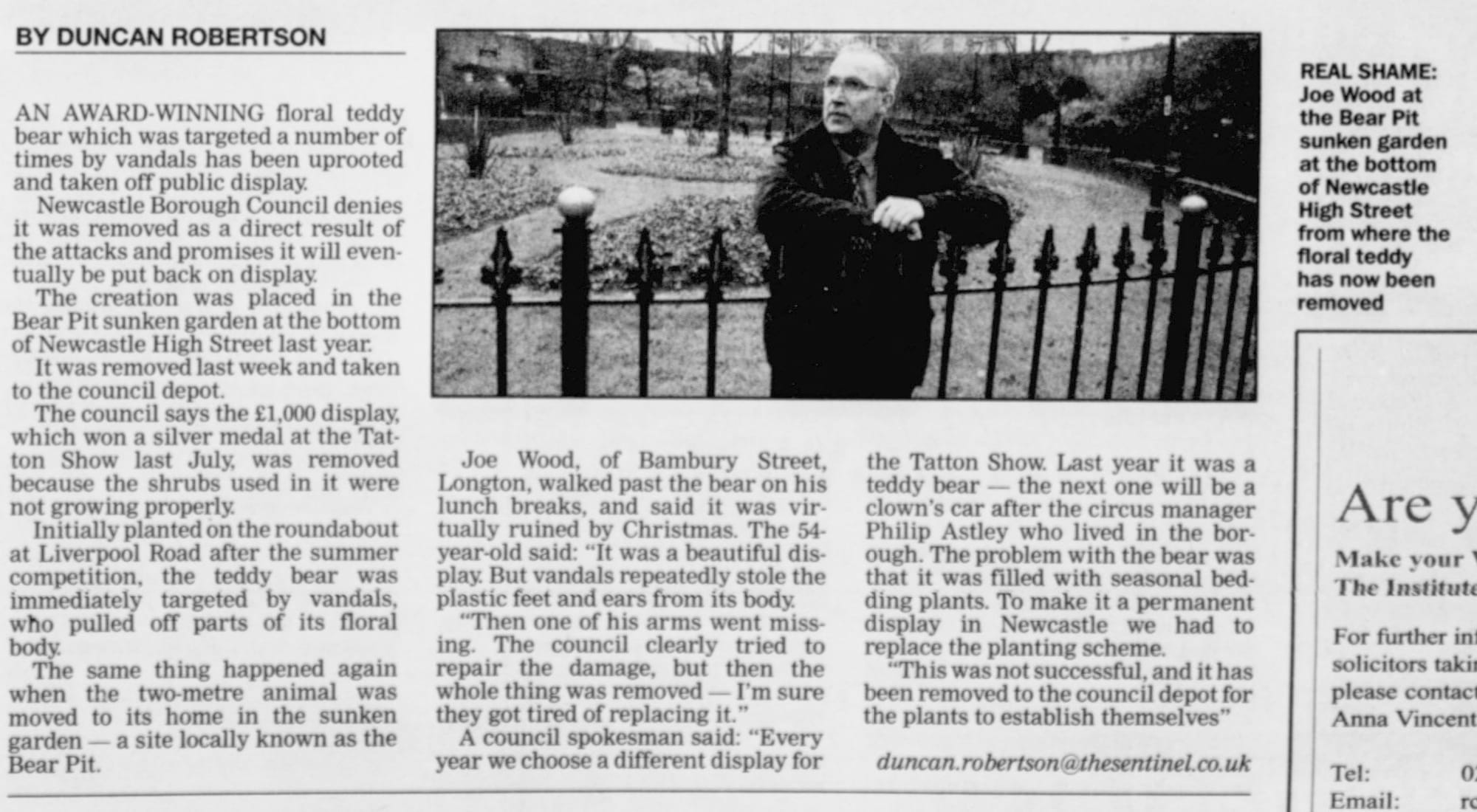

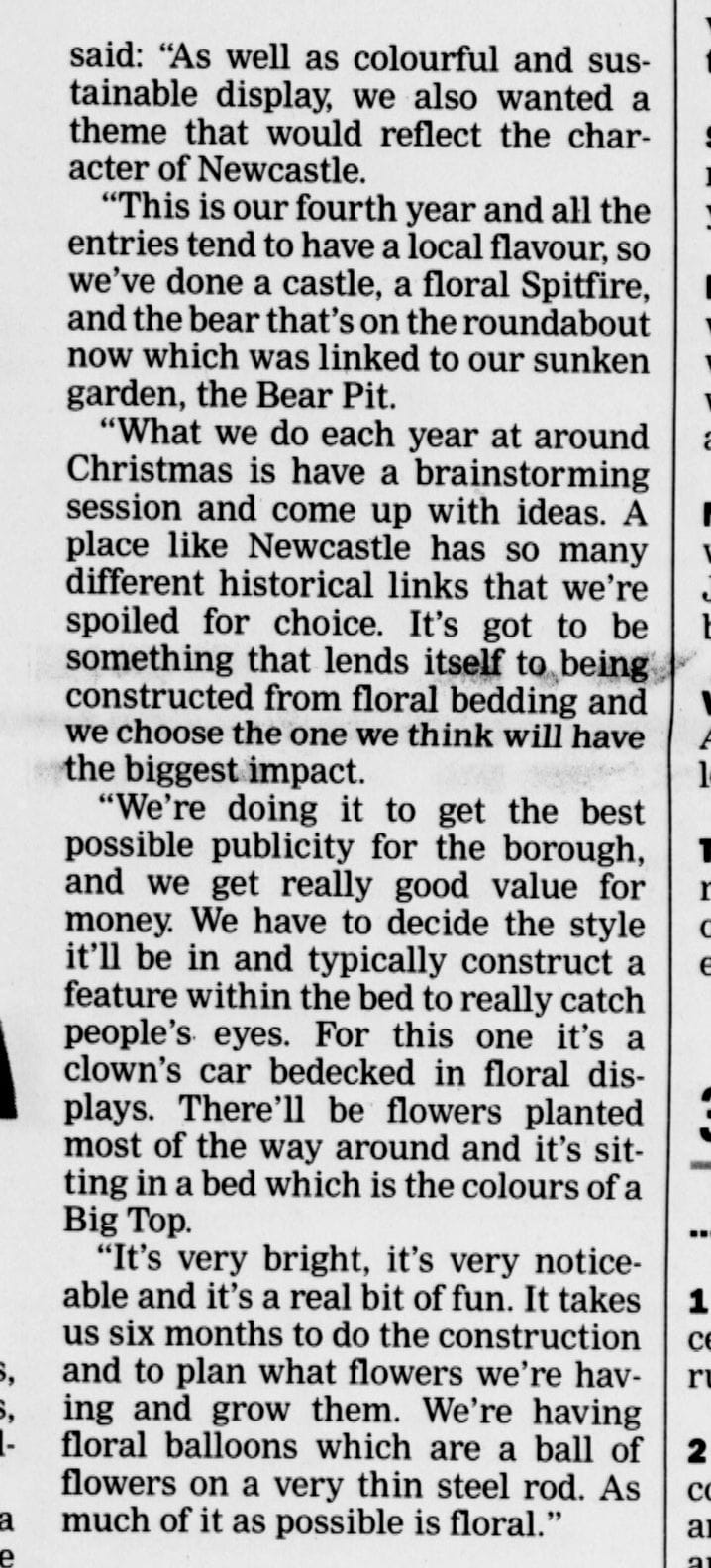
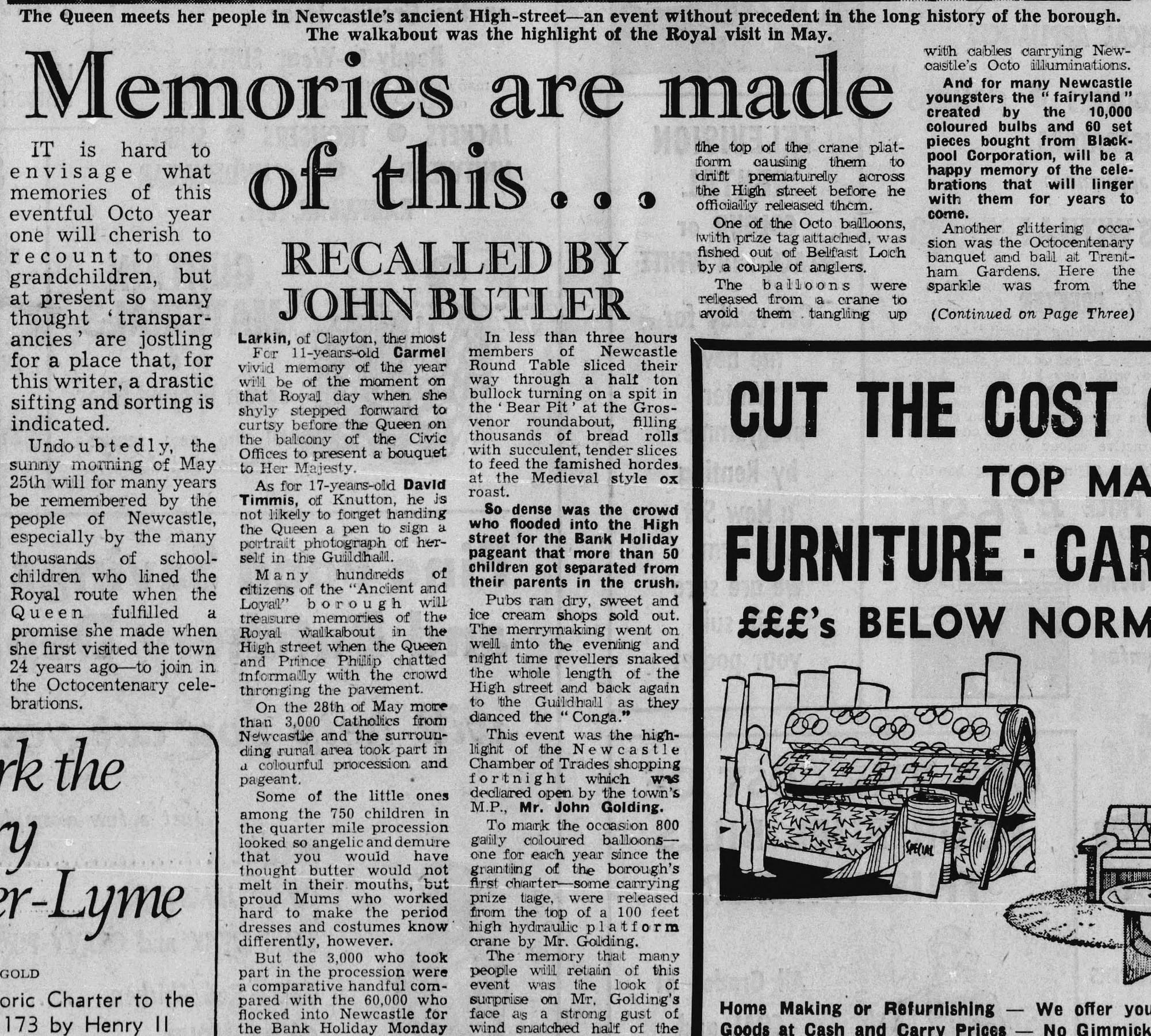
The Bear Pit mentioned in The Sentinel archives
What we can say for certain is that within eight years of the roundabout opening, the name had already settled into completely unselfconscious local use. When Newcastle Round Table organised an ox roast as part of Victorian Market Day on the Spring Bank Holiday, 28 May 1973, the Staffordshire Sentinel's adverts simply billed it as taking place in "the Bear Pit, Grosvenor Roundabout", no explanation needed. A retrospective in the same paper that September described Round Table members "slicing their way through a half ton bullock turning on a spit in the 'Bear Pit' at the Grosvenor roundabout", again treating the nickname as everyday shorthand rather than anything needing a footnote. Thirty years after that, in the mid-2000s, the Sentinel was still using it the same way, reporting on an award-winning floral display, first a teddy bear, later a clown's car, in "the Bear Pit sunken garden at the bottom of Newcastle High Street".
That's the real evidence for how deeply the name took hold: not one clever nickname invented once, but a name used in print, without comment, for at least four decades.
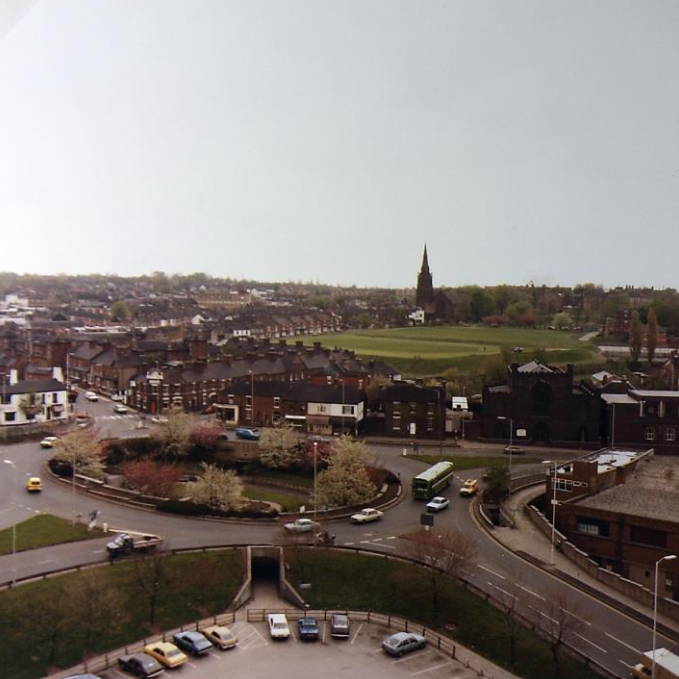
From civic embarrassment to Grosvenor Gardens
Whatever its origins, the sunken roundabout didn't age well. Cutting pedestrians off from the street at ground level made the subways an easy target for exactly the sort of trouble you'd expect: vandalism, drug and alcohol issues, and violent crime, including a robbery at knifepoint near the site as recently as May 2024.
The Borough Council's response, using Town Deal funding, has been to redevelop the area, adding CCTV throughout the subway tunnels, improved lighting, security marshals, new landscaping and seating, and renaming the green space above it Grosvenor Gardens. The subways themselves have also been decorated with ceramic tilework, each one telling a different piece of local history, from Newcastle's Britain in Bloom successes to its circus heritage to a "Two Queens" design marking the borough's 850th anniversary.
So, is it wrong to call it the Bear Pit?
Not really, no. It's wrong to say it marks the actual historic baiting site, because it doesn't, but that was never the claim. The name is a piece of oral history in its own right: a case of a town looking at a new bit of concrete infrastructure and instinctively reaching for seven hundred years of its own memory to describe it. That's arguably more interesting than if it had simply been built on the old site.
Next time someone tells you it "isn't really called that", you'll have the full story to hand.
While you are here, fancy supporting the Crowdfunder to expand The Staffordshire Signal? Find out more here...
https://www.crowdfunder.co.uk/p/the-staffordshire-signal-tv-app-podcast